


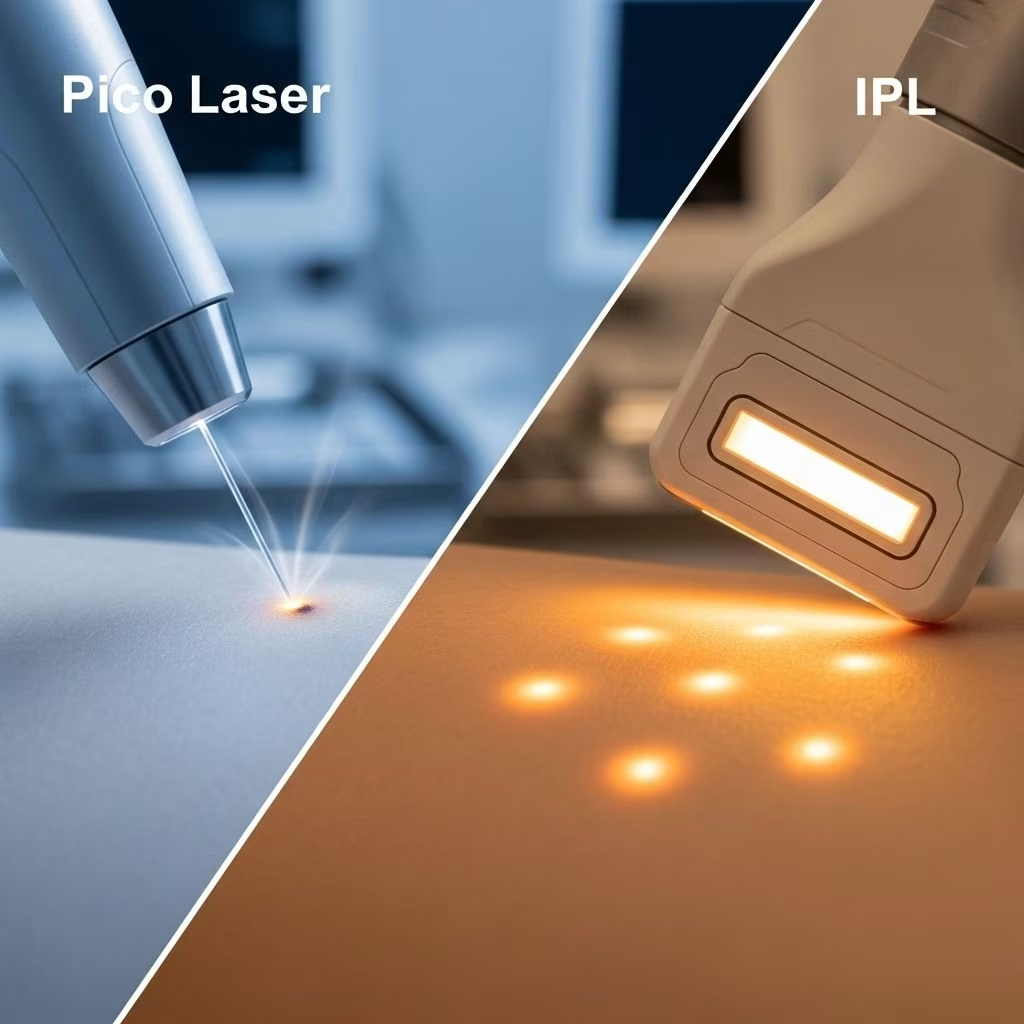
Dark spots, pigmented patches, and uneven skin tone are common aesthetic concerns affecting people of all skin types and ages. Thanks to advancements in cosmetic dermatology, two of the most popular treatments—Pico Laser and Intense Pulsed Light (IPL)—have made significant strides in safely and effectively treating hyperpigmentation. This expansive guide compares these technologies in-depth to help you make an informed decision for your skin.
Understanding IPL and Pico Laser Technologies
What Is IPL (Intense Pulsed Light)?
IPL uses broad-spectrum pulses of light—ranging from 500 to 1,200 nanometers—to target pigment present within the skin. IPL’s scattered wavelengths allow it to treat a range of concerns, from freckles and redness to mild pigmentation. Light energy is absorbed by melanin, breaking up excess pigment which is then eliminated by the body’s natural processes.
Key characteristics:
- Non-invasive, targeting superficial to moderate pigmentation
- Boosts collagen production, improving skin texture and overall brightness
- Suitable for larger treatment areas and various pigmentation issues
- Minimal downtime
Best for: General dullness, surface-level sun spots, redness, and mild pigmentation
What Is Pico Laser?
Pico Laser utilizes ultra-short pulses (in the picosecond range, i.e., trillionths of a second) to deliver highly precise energy bursts to targeted pigment particles in the skin. The energy is so rapid that pigment shatters into tiny particles, allowing for easier and more natural removal by the body’s immune system.
Key characteristics:
- High precision, targeting deep and resistant pigmentation
- Uses less heat, minimizing tissue damage
- Applicable for tougher cases, such as melasma, long-standing or deep dark spots, tattoos, and acne scars
- Effective for all skin types, especially safer for darker skin due to reduced risk of post-inflammatory hyperpigmentation (PIH)
Best for: Deep dark spots, melasma, acne scars, and persistent pigmentation
How These Treatments Address Dark Spots
| Treatment | Mechanism | Target Depth | Main Use Cases |
|---|---|---|---|
| IPL | Broad-spectrum light absorbed by melanin to fragment excess pigment | Superficial to moderate (epidermis & upper dermis) | Surface sun spots, redness, general dullness, freckles |
| Pico Laser | Ultra-short pulses fragment pigment without significant heating | Deep (dermis), stubborn or long-standing pigment | Deep spots, melasma, tattoos, acne scars |
Effectiveness Comparison
- IPL is highly effective for light to moderate pigmentation, superficial sun damage, redness, and uneven tone. It typically delivers best results for lighter skin types and conditions that don’t involve deeply rooted pigment issues.
- Pico Laser is the preferred option for deep, stubborn spots, melasma, post-inflammatory hyperpigmentation, and pigmentation resistant to other treatments. Its high-precision and minimal heating profile make it suitable for both light and dark skin types, with quicker visible results and lower risk of side effects.
Session Frequency & Results Timeline
- IPL: Most individuals see gradual improvement after 4–6 sessions, spaced a few weeks apart. Results emerge as pigment gently fragments and is removed.
- Pico Laser: Improvements can be visible in as little as 2–3 sessions, especially for deep pigment. The pigment is disrupted more efficiently, making Pico Laser faster for resistant conditions.
Suitability by Skin Type and Concern
Choosing between IPL and Pico Laser is influenced by your unique skin profile, pigment depth, and ethnic background. Here’s how:
IPL: Ideal Candidates
- Individuals with lighter skin tones (Fitzpatrick types I–III)
- Those seeking correction of superficial dark spots, sun-induced pigmentation, or redness
- Good option for treating large areas of mild pigmentation
Pico Laser: Ideal Candidates
- Individuals of all skin tones (including darker complexions/Fitzpatrick IV–VI)
- Those with deep, resistant, or recurring dark spots, melasma, or acne scars
- Anyone at increased risk of PIH (commonly patients with darker skin types)
Special Considerations for Dark Skin
For dark skin, IPL carries an increased risk of triggering PIH or causing burns due to the non-selective nature of the broad-spectrum light. Pico Laser, thanks to its short pulse duration and reduced thermal energy, is proven safer and more effective in this population. Clinical evidence backs Pico Lasers as the preferred modality for hyperpigmentation in darker skin due to its precise targeting and gentle treatment profile.
Treatment Experience and Recovery
What to Expect During Treatment
- IPL: Sessions generally take 20–45 minutes depending on treatment area. Patients report a sensation similar to a rubber band snap. Minimal discomfort is expected.
- Pico Laser: Shorter treatments (often under 30 minutes), with sensations described as light pricking or tingling. Discomfort is typically mild and well-tolerated. Numbing cream may be available for sensitive areas.
Post-Treatment and Recovery Timeline
- IPL: Mild redness and warmth are common immediately after. This usually subsides within a few hours to a day, allowing a quick return to daily activities. Some patients experience minor swelling or darkening of spots before they fade.
- Pico Laser: Similar side effects (redness, mild swelling) that often resolve within a few hours. Because of less tissue heating, there is even less risk of crusting or extended downtime. Most patients can resume normal activities almost immediately.
Long-Term Results & Maintenance
- IPL: Surface pigment often returns or recurs, especially with sun exposure, sometimes requiring annual touch-ups.
- Pico Laser: Results tend to be longer-lasting for deep pigment, but maintenance may be needed for conditions like melasma that are prone to recurrence.
Safety Profiles and Side Effects
| Treatment | Common Side Effects | Risks for Darker Skin | Precautions |
|---|---|---|---|
| IPL | Redness, swelling, mild pigment darkening | Higher risk of PIH, burns, or uneven results | Test spots; cautious parameter selection; cooling may be required |
| Pico Laser | Transient redness, mild swelling, light flaking | Much lower risk of PIH; safer for deeper and darker skin | Use the right wavelength and experienced practitioner |
Clinical studies consistently support Pico Laser’s superior safety and effectiveness in dark-skinned patients, emphasizing its advantage in minimizing adverse effects compared to IPL. IPL should be administered with extreme caution in skin of color and may not be recommended for all individuals.
Cost Considerations
- IPL treatments are generally more affordable per session (often $200–$500) due to the widespread nature of the technology and suitability for larger areas.
- Pico Laser treatments are costlier per session (commonly $350–$1000+) but may require fewer sessions for stubborn dark spots, potentially balancing out overall costs for tough pigment or resistant cases.
Ultimately, the total investment depends on the skin condition’s severity, required number of treatments, and the clinic’s expertise.
Frequently Asked Questions (FAQs)
Q: Which treatment is safer for darker skin tones?
A: Pico Laser is generally preferred as it minimizes heat injury and post-inflammatory hyperpigmentation, making it safer and more effective for deeper and darker skin types.
Q: Will these treatments completely remove my dark spots?
A: Both technologies significantly reduce the appearance of dark spots. Pico Laser excels at long-standing, resistant, or deep pigmentation; IPL is more effective for mild or surface issues. Complete removal depends on individual response, pigment depth, and adherence to aftercare.
Q: How many sessions do I need?
A: IPL typically requires 4–6 sessions for noticeable improvement. Pico Laser often shows results in 2–3 sessions for tough or deep pigment. Individual cases may vary.
Q: Does treatment hurt?
A: Discomfort is generally mild for both methods, described as snapping or tingling. Pico Laser tends to be more comfortable with less after-treatment heat.
Q: Can either treatment make my pigmentation worse?
A: In rare cases, improper IPL use—especially on darker skin—can worsen pigmentation due to non-selective heating. Pico Laser, with less heat generation, presents lower risk and is considered gentler on all skin types, when applied by trained professionals.
Q: Is there any downtime?
A: Downtime for both is minimal. Expect temporary redness or swelling, but most people resume normal activities the same day.
Q: Will my dark spots come back?
A: Strong sun protection and proper skincare are essential to maintain results. Particularly for IPL, surface spots may reappear without diligent sun avoidance. For conditions like melasma, recurrence can occur, but ongoing use of Pico Laser helps manage it long-term.
Q: How do I choose between IPL and Pico Laser?
A: Consider your spot’s depth, your skin tone, and your history with pigmentation. For superficial, mild issues in lighter skin, IPL is effective and affordable. For deep, stubborn, or recurring pigmentation—especially in dark skin—Pico Laser is the better, safer choice.
Conclusion
Choosing between Pico Laser and IPL for dark spots hinges on understanding your skin’s unique needs. IPL shines for superficial sun spots and redness—particularly in lighter skin—while Pico Laser dominates for deep, stubborn pigmentation and is safer for all skin types, including darker complexions. Whichever you choose, ensure treatment is performed by certified, experienced providers, and always use broad-spectrum sun protection to maintain your results and healthy skin long-term.
References
- https://privatoclinic.com/en/laser/compare-ipl-and-pico-laser/
- https://worthywaterloo.ca/picosure-pro-vs-ipl-which-laser-treatment-is-best-for-dark-spots/
- https://aestheticskinchicago.com/ipl-vs-pico-lasers-for-hyperpigmentation-dark-skin/
- https://gspasb.com/ipl-vs-picosure-come-to-the-light/
- https://aestheticskinnorthshore.com/ipl-v-pico-laser-whats-the-difference/
- https://luminessencespa.com/clinical-aesthetics/pico-technology-vs-ipl/
- https://www.certifiedcosmeticsmiami.com/iplvspico
- https://www.sanctummedical.com.au/picosure-vs-ipl-which-laser-treatment-is-right-for-you
- https://www.michiganoculofacialspecialists.com/general/ipl-vs-other-facial-treatments-which-is-right-for-you/


