


- What is Telogen Effluvium?
- Causes of Telogen Effluvium
- Symptoms and Signs
- Diagnosis: Tests and Procedures
- Differential Diagnosis
- Chronic vs. Acute Telogen Effluvium
- Why Does Telogen Effluvium Occur After Fever?
- Three-Month Rule: Timing and Shedding
- Troubleshooting and Management Strategies
- Treatment Options
- Dietary Considerations
- Emotional and Psychological Support
- When to See a Doctor
- FAQs
- Summary
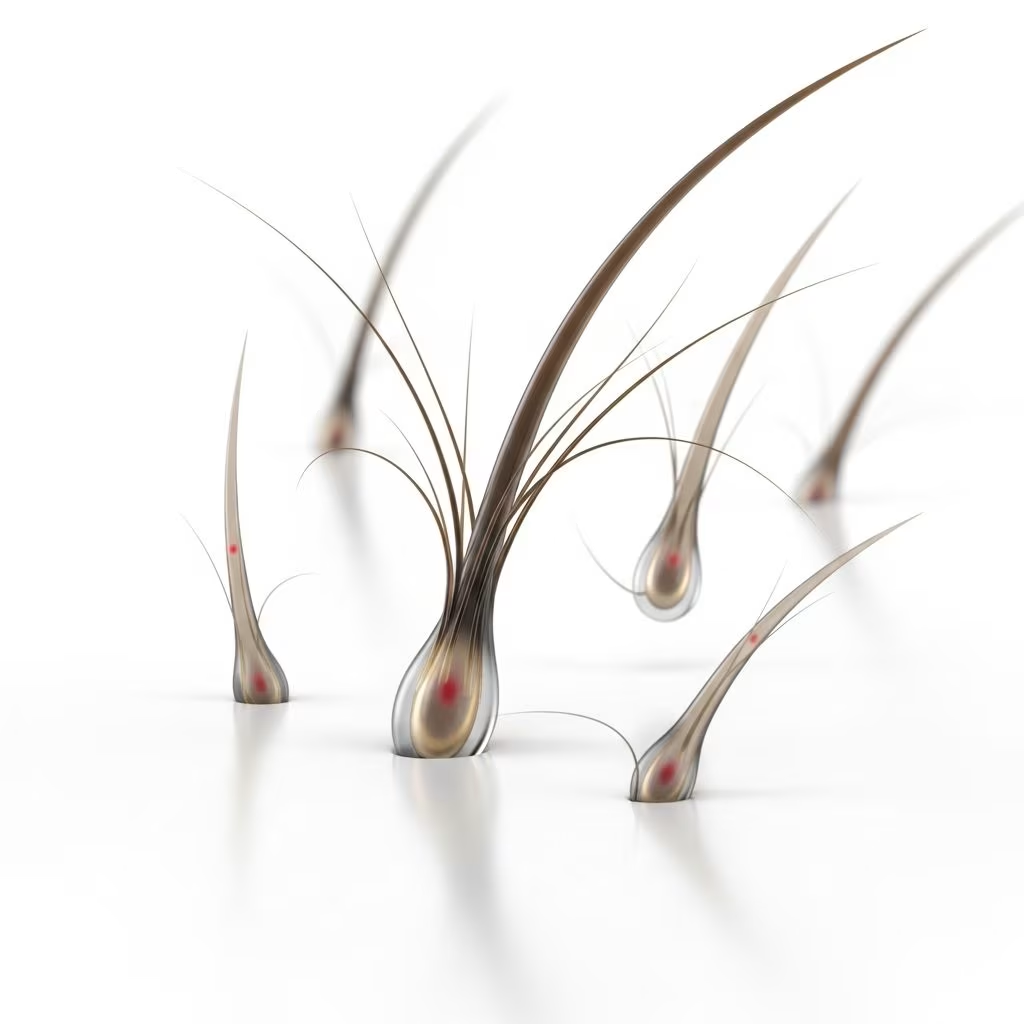
What is Telogen Effluvium?
Telogen effluvium (TE) is a type of temporary, non-scarring hair loss characterized by excessive shedding of resting (telogen) hairs due to some metabolic stress, hormonal changes, or medication. This condition is generally reversible and does not cause permanent baldness, though noticeable thinning can occur. Hair shedding typically becomes apparent about 2–4 months after a triggering event, such as a high fever or severe illness.
Causes of Telogen Effluvium
Telogen effluvium is a reactive process triggered by a range of stressors that disrupt the normal hair growth cycle. Common causes include:
- Acute febrile illness or severe infection (e.g., COVID, influenza, pneumonia)
- Major surgery or physical trauma
- Crash dieting, malnutrition, or low protein intake
- Iron deficiency or other nutritional deficiencies
- Hormonal changes (e.g., postpartum, menopause, discontinuation of estrogen-containing medications)
- Hypothyroidism or other endocrine disorders
- Certain medications (beta-blockers, retinoids, anticoagulants, carbamazepine, propylthiouracil)
- Heavy metal toxicity
- Prolonged emotional stress or psychological trauma
Symptoms and Signs
Telogen effluvium presents with noticeable hair shedding, often described as handfuls of hair lost during washing, brushing, or even while sleeping. Key features include:
- Increased hair on pillow, shower drain, or hairbrush
- Wider part or visible thinning throughout the scalp (less than 50% loss)
- Hair shedding 2–4 months after the triggering event, such as fever or illness
- Healthy scalp without redness, flaking, or itching
- Sometimes, thinning of eyebrows or other body hair, which may recover faster than scalp hair
Most individuals with TE will not lose all their hair, but the shedding can be distressing, especially when it appears suddenly or dramatically.
Diagnosis: Tests and Procedures
Diagnosis of telogen effluvium is primarily clinical, but doctors may use several tests to confirm and determine the underlying cause:
- Hair pull test: Gentle tugging of hair to assess shedding
- Hair wash test: Counting hairs lost during shampooing
- Blood tests: Check for iron deficiency, thyroid dysfunction, or other metabolic disorders
- Physical Examination: Review of scalp, nails (looking for Beau’s lines), and medical history
These tests help differentiate TE from other forms of hair loss and identify treatable underlying conditions.
Differential Diagnosis
TE must be distinguished from other causes of hair loss, including:
- Alopecia areata: Patchy hair loss, often with exclamation mark hairs
- Anagen effluvium: Rapid loss of growing hair, typically from chemotherapy
- Androgenetic alopecia: Patterned hair loss, often with miniaturized hairs
- Trichotillomania: Hair loss due to compulsive pulling, with irregular patches
- Scarring alopecias: Permanent destruction of hair follicles, often with scalp signs
Chronic vs. Acute Telogen Effluvium
Most cases of TE are acute and resolve within 2–6 months after the trigger is removed. However, in some individuals, shedding persists beyond 6 months, leading to chronic telogen effluvium. Chronic TE may be associated with ongoing stressors, nutritional deficiencies, or underlying medical conditions. Patients with chronic TE often report an inability to grow hair to its full length and persistent shedding of normal-caliber hairs.
| Feature | Acute Telogen Effluvium | Chronic Telogen Effluvium |
|---|---|---|
| Duration | Less than 6 months | More than 6 months |
| Common Causes | Fever, illness, surgery, crash dieting | Ongoing stress, malnutrition, chronic illness |
| Recovery | Rapid after trigger removal | May be prolonged, requires investigation |
Why Does Telogen Effluvium Occur After Fever?
High fever and severe infections are recognized triggers for telogen effluvium. During illness, the body diverts energy and resources to fight infection, potentially disrupting the hair growth cycle. Hair follicles that would normally remain in the growing (anagen) phase are pushed prematurely into the resting (telogen) phase. As a result, 2–3 months after the fever, these hairs are shed simultaneously, leading to noticeable thinning.
Three-Month Rule: Timing and Shedding
The interval between the triggering event (such as fever) and the onset of hair shedding is typically 2–4 months, with 3 months being a common presentation. This delay occurs because it takes time for affected hairs to transition from the growing to the shedding phase. Shedding may continue for another 2–3 months after the trigger is removed, but in most cases, hair regrowth begins within 3–6 months if the underlying cause is addressed.
Troubleshooting and Management Strategies
Most cases of TE resolve spontaneously once the trigger is eliminated. However, proactive management can help speed recovery and reduce distress:
Identify and Address the Trigger
- Review recent illness, fever, or infection history
- Assess for nutritional deficiencies (iron, zinc, protein, vitamin D)
- Review medications and consider alternatives if implicated
- Evaluate for hormonal imbalances (thyroid, estrogen, etc.)
Supportive Care
- Avoid harsh chemical treatments, heat styling, and excessive brushing
- Use gentle hair care products
- Be patient; hair regrowth takes time
- Document hair shedding (photos, hair counts) to track progress
Treatment Options
There is no universally proven treatment for TE; management focuses on addressing underlying causes and supporting regrowth:
- Correct Nutritional Deficiencies: Iron, zinc, protein, and vitamin D supplementation as needed
- Topical Minoxidil: Not proven for TE but may be used for patient reassurance; oral minoxidil is a newer alternative for those who cannot tolerate topical forms
- Botulinum Toxin A and Multivitamin Mesotherapy: Emerging as potentially beneficial, though more research is needed
- Emotional Support: Reassurance is crucial, as the condition is benign and self-limiting
Dietary Considerations
A well-balanced diet is essential for hair health and recovery:
- Protein: Essential for hair structure; include meat, eggs, fish, beans, grains, and nuts
- Iron: Deficiency is linked to TE; consume red meat, liver, leafy greens, beans, and lentils
- B Vitamins and Zinc: Important for hair growth; found in whole grains, nuts, seeds, and dairy
- Supplementation: Short-term use may help if dietary intake is insufficient
Emotional and Psychological Support
Hair loss can be distressing and may affect self-esteem. Emotional support and reassurance from healthcare providers, family, and support groups are important components of care. Chronic stress or anxiety about hair loss can, in rare cases, perpetuate the cycle of shedding. Counseling or stress management techniques may help break this cycle.
When to See a Doctor
Consult a healthcare professional or dermatologist if:
- Hair shedding is excessive or prolonged (beyond 6 months)
- There are patches of complete hair loss or scarring
- Scalp is red, itchy, or flaky
- You have other symptoms such as fatigue, weight changes, or nail abnormalities
- You are unsure of the cause or need reassurance
FAQs
Is telogen effluvium permanent?
No, TE is usually temporary and reversible once the triggering factor is removed and the body recovers. Most people regain their normal hair density within 6–12 months.
Can stress alone cause telogen effluvium?
Yes, prolonged emotional or physical stress can trigger TE, but it typically requires a significant stressor and often occurs alongside other factors like illness or nutritional deficiency.
How much hair loss is normal in TE?
People with TE may lose 300–500 hairs per day during peak shedding, but total scalp hair loss is usually less than 50%.
Do supplements help with TE recovery?
Supplements can help if a specific deficiency is identified, but there is no universal “hair vitamin” that cures TE. Focus on a balanced diet and targeted supplementation based on blood tests.
When will my hair stop shedding after fever?
Shedding typically peaks 2–4 months after the fever and resolves within 3–6 months after the trigger is gone, with regrowth beginning soon after.
Can TE recur?
Yes, TE can recur if you experience another significant stressor, illness, or nutritional deficiency in the future.
Summary
Telogen effluvium is a common, reversible form of hair shedding often triggered by fever, illness, or other stressors, with noticeable loss appearing about 3 months after the event. While distressing, TE is usually self-limited and resolves with time and nutritional support. Identifying and addressing the underlying cause, maintaining a healthy diet, and seeking emotional support are key to recovery. If shedding is prolonged or accompanied by other symptoms, consult a healthcare provider for further evaluation.
References
- https://www.ncbi.nlm.nih.gov/books/NBK430848/
- https://www.medicalnewstoday.com/articles/321590
- https://www.goodrx.com/conditions/hair-loss/telogen-effluvium
- https://ishrs.org/telogen-effluvium/
- https://my.clevelandclinic.org/health/diseases/24486-telogen-effluvium
- https://www.health.harvard.edu/a_to_z/telogen-effluvium-a-to-z
- https://dermnetnz.org/topics/telogen-effluvium


