


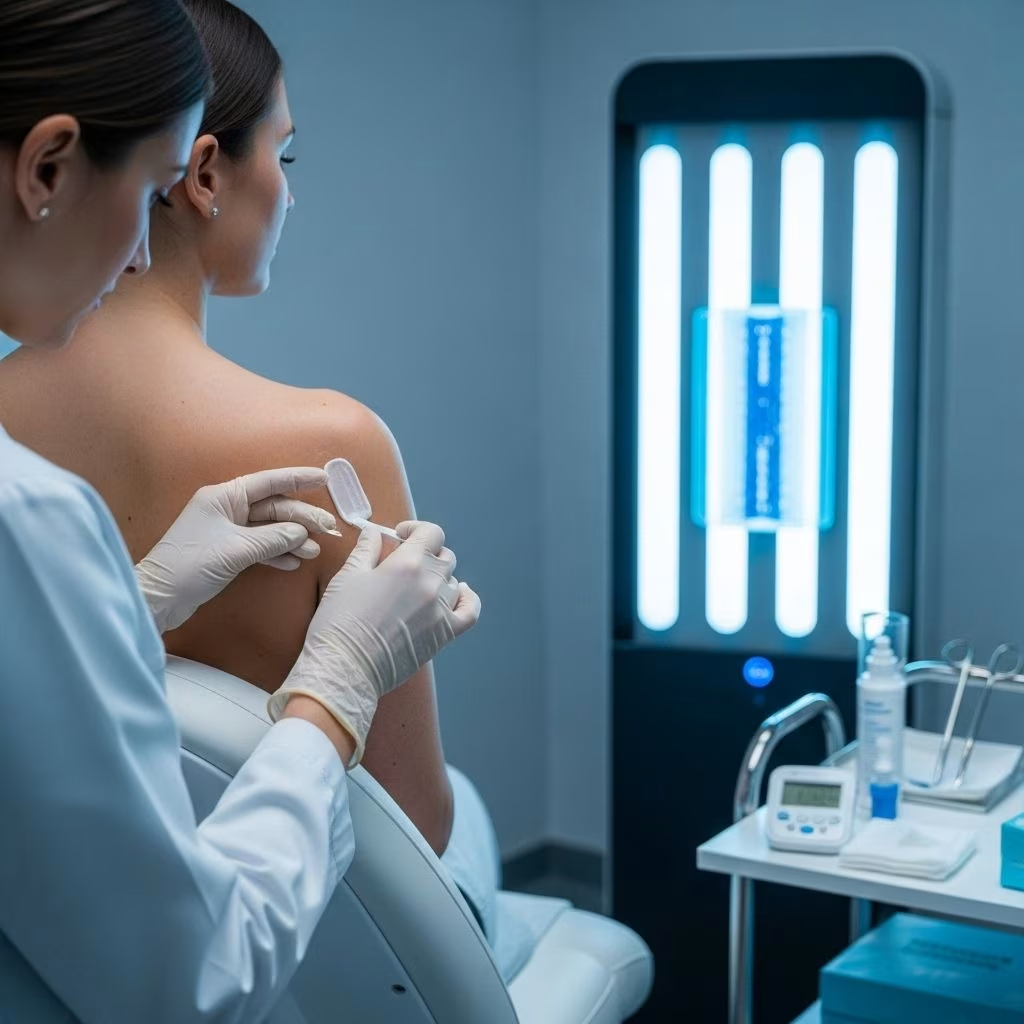
Guide to Preparing for Narrowband UVB Phototherapy
Narrowband Ultraviolet B (NB-UVB) phototherapy is a highly effective treatment for various chronic skin conditions such as psoriasis, vitiligo, eczema, and other inflammatory dermatoses. This guide provides an in-depth overview and step-by-step instructions on preparing for NB-UVB phototherapy to maximize safety and optimize therapeutic outcomes.
Overview of Narrowband UVB Phototherapy
NB-UVB phototherapy uses ultraviolet light within a specific wavelength range (311–313 nm) to target diseased skin tissue. The narrow focus on this wavelength maximizes effectiveness against skin conditions while minimizing potential ultraviolet damage. Treatment typically occurs in a specially equipped light box, under strict medical supervision, with individualized dosing based on skin type and clinical response.
Indications and Benefits
- Psoriasis — Especially effective for moderate to severe cases.
- Vitiligo — Promotes repigmentation of affected areas.
- Atopic Dermatitis (Eczema) — Reduces inflammation and itching.
- Other Dermatoses — Such as pruritus and lichen planus.
NB-UVB is often preferred over broadband UVB or PUVA (psoralen + UVA) due to lower risks and higher efficacy for many patients. Treatment usually brings about significant cosmetic and symptomatic improvement over 2–3 months, often requiring 20–36 sessions.
Patient Preparation Before NB-UVB Therapy
Essential Steps to Prepare
- Consultation and Consent: Discuss potential risks, side effects, expected outcomes, and course duration with your physician. Sign the informed consent form before treatment begins.
- Medical History Review: Bring a full list of your current medications, herbs, and supplements for nurse review. Notify the care team of any changes before subsequent sessions.
- Skin Preparation:
- Arrive with clean skin; do not apply lotions, perfumes, deodorants, or sunscreens on the treatment day unless otherwise instructed.
- Remove makeup or topical agents from the treatment areas.
- Protective Gear:
- Bring assigned UVB-filtering goggles for eye protection.
- Male patients should have appropriate coverage for genitalia. A cone, towel, or specific garment may be used; this step is essential to protect sensitive regions from UV exposure.
- Prepare a towel to shield the face unless facial skin is being treated.
- Hydration and Moisturization: Carry or apply petrolatum (Vaseline) or any recommended moisturizer, but only after UV exposure, not before.
- Appointment Protocol: Be aware treatments might not have fixed schedules. Arrive early and expect possible delays due to patient volume or equipment availability.
Detailed Phototherapy Procedural Steps
Each phototherapy session involves a structured protocol to ensure safety and effectiveness, which typically lasts 15–30 minutes, including preparation, treatment, and post-procedural care.
Step-by-Step Session Flow
- Check in at reception; announce arrival for “light box” therapy.
- Receive treatment chart; proceed to the changing area.
- Change into a hospital gown (or undress as instructed); provide appropriate genital coverage (males).
- Skin assessment by nurse for signs of previous reaction or dose adjustment needs.
- Collect necessary supplies: goggles, towel, moisturizer, cone for genital protection (if applicable).
- Enter the NB-UVB chamber and assume the recommended posture (usually arms at rest, but may be adjusted for specific lesions).
- The nurse adjusts the machine for personalized dose; higher-dose exposure may be given to limbs, less to face/trunk for sensitive skin.
- UVB light is delivered for several seconds to minutes (exact duration varies according to the treatment area, skin type, previous response, and physician protocol).
- After exposure, the patient exits the chamber; moisturizer is offered for post-treatment care.
- Physician or nurse provides aftercare instructions and schedules the next session as appropriate.
Treatments are given three times a week initially, with a minimum 24-hour interval between each exposure to minimize cumulative skin stress.
Sample Phototherapy Treatment Protocol Table
| Element | Details |
|---|---|
| Session Duration | 15–30 minutes (includes prep & post-care) |
| Frequency | 3 times a week (initially) |
| Total Sessions | 20–36 for most conditions |
| Interval | Min 24 hours between sessions |
| Follow-Up | Every 3 months in first year, then every 6 months |
| Clearance Rate | 60–70% |
Initial Dosing, Frequency, and Monitoring
- Base Dose: Initial UVB dose is calculated based on skin type and physician protocol. A typical starting dose for vitiligo is 200 mJ/cm2, with adjustments as needed.
- Time Calculation: Dose duration is derived from the equation:
TIME (seconds) = DOSE (mJ/cm2) / IRRADIANCE (mW/cm2). - Dose Escalation: If no signs of overexposure (persistent pinkness or tenderness beyond 24–48 hours), the dose is increased incrementally, typically by 50 mJ/cm2 per session for vitiligo.
- Monitoring: Skin response is checked before each treatment. If burning or excessive pinkness occurs, dosing is reduced or withheld until recovery.
- Maintenance: Once clearance is reached, some patients transition to maintenance therapy with reduced frequency.
Safety Precautions and Risk Management
Critical Safety Measures
- Medication Review: Some drugs and herbal supplements increase photosensitivity; always disclose and update medication lists.
- Eye Protection: Use clean UVB-blocking goggles to prevent eye damage unless periorbital lesions are present; never stare directly into UV light.
- Genital and Face Protection: Essential for sensitive areas. Special towel/wraps or cones are issued for genital coverage in males; towel may be used over face if not treated.
- Skin Preparation: Avoid skin care products before sessions to minimize unpredictable sensitivity or burns. Moisturize only after UV exposure.
- Pregnancy: NB-UVB is considered safe during pregnancy but always discuss with your care team.
- Observation: If rapid discomfort, redness, or symptoms such as burning develop, alert the care team immediately.
Overall, adherence to these precautions ensures patient safety and reduces risk of adverse reactions or treatment interruptions.
Potential Side Effects and How to Manage Them
- Sunburn-Type Reaction: Skin may become red, tender, or warm. Usually resolves within 24–48 hours. Apply cool compresses and avoid subsequent UV exposure until symptoms subside.
- Itching and Dryness: Common and can be managed by post-treatment moisturizers, particularly petrolatum or prescribed emollients.
- Tanning, Freckling, and Skin Aging: Long-term UVB exposure may cause cosmetic changes and accelerate skin aging.
- Skin Cancer Risk: Rare but possible with cumulative exposure. Basal cell, squamous cell carcinoma, and—much less commonly—melanoma have been associated, especially after prolonged or aggressive dosing. Regular follow-up reduces risk.
- Eye Damage: Proper eyewear greatly reduces risk; do not neglect this caution at any session.
- Other Reactions: Temporary mild burning, pruritus (itching), or pain in sensitive regions may occur. Always report concerns to your care team.
Early identification of side effects and open communication with clinical staff ensure rapid resolution and optimal continuation of therapy.
Special Instructions for Home Phototherapy Units
Some patients may be prescribed home NB-UVB units for convenience or after initial office-based treatments. These devices require additional steps to guarantee safety and efficacy:
- Strict Adherence to Physician Protocol: Use the unit exactly as prescribed; do not alter dose or frequency independently. Home units are as potent as clinic-based apparatus.
- Dosage Management: Begin at physician-assigned settings (e.g., 13 seconds for hands/feet directly on acrylic, 54 seconds for 9-inch distance to face/knees). Increase treatment time by 1 second per session until mild pinkness or warmth develops that persists beyond 24 hours.
- Safety Checks: Stop dose escalation if skin becomes pink, warm, or tender for more than 24 hours.
- Area-Specific Treatment: Repeat recommended exposure for each target area as instructed.
- Report Reactions: Contact your care team if unexpected symptoms occur (burning, blistering, severe redness).
Patients should never exceed instructed session time or treat more frequently than prescribed. Home phototherapy can be highly effective when integrated with professional oversight.
Frequently Asked Questions (FAQs)
Q: How quickly can I expect to see results from NB-UVB phototherapy?
A: Noticeable improvement occurs for most patients after 20–36 sessions, with clearer skin typically visible between 2–3 months of therapy. Timing varies by condition and individual response.
Q: Is phototherapy painful or uncomfortable?
A: Treatment itself is generally painless. Some patients feel mild warmth or tingling; discomfort usually resolves quickly and is rare if protocols are followed.
Q: Can NB-UVB phototherapy be administered during pregnancy?
A: Yes, NB-UVB is considered safe in pregnancy. Share your status with the care team so proper precautions and monitoring can be applied.
Q: What should I do if my skin burns or becomes severely red after treatment?
A: Contact the phototherapy team immediately. Delaying further sessions may be necessary; cool compresses and moisturizers can help. The dose may be reduced or adjusted based on your skin’s response.
Q: Are there any long-term risks associated with NB-UVB phototherapy?
A: Cumulative exposure does slightly raise the risk of certain skin cancers and premature aging. Professional dosing, regular monitoring, and scheduled physician follow-up substantially reduce these risks.
Q: Can I use topical medications or sunscreens before treatment?
A: No, avoid lotions, sunscreens, and makeup on treated areas prior to exposure unless specifically instructed by your care team.
Q: What if I miss a session?
A: Notify the care team. Missing a session can impact results, but your protocol will be adjusted as needed to maintain safety and efficacy.
Final Notes
Preparing for NB-UVB phototherapy involves thoughtful pre-session steps, strict adherence to safety protocols, and clear communication with your dermatology team. The strategies described above apply widely to in-office and home phototherapy devices, ensuring the best therapeutic results for patients with chronic skin conditions.
References
- https://dermgroup.org/wp-content/uploads/2023/11/Patient-Instructions-for-Narrowband-UVB-Phototherapy.pdf
- https://pmc.ncbi.nlm.nih.gov/articles/PMC4972735/
- https://mydoctor.kaiserpermanente.org/ncal/Images/1%20Series%20T4%20Home%20Phototherapy%20Patient%20Instructions_tcm75-1255420.pdf
- https://www.umassmed.edu/globalassets/vitiligo/umass-uvb-phototherapy-guidelines.pdf
- https://lightandlaser.com/uvb/
- https://www.mskcc.org/cancer-care/patient-education/about-your-phototherapy-procedure
- https://www.esht.nhs.uk/wp-content/uploads/2017/06/0524.pdf
- https://www.newcastle-hospitals.nhs.uk/services/dermatology/patient-dermatology-information-leaflets/narrowband-ultraviolet-b-uvb-treatment/
- https://mydoctor.kaiserpermanente.org/ncal/article/home-narrowband-uv-b-instructions-sva-dermatology-942612


