


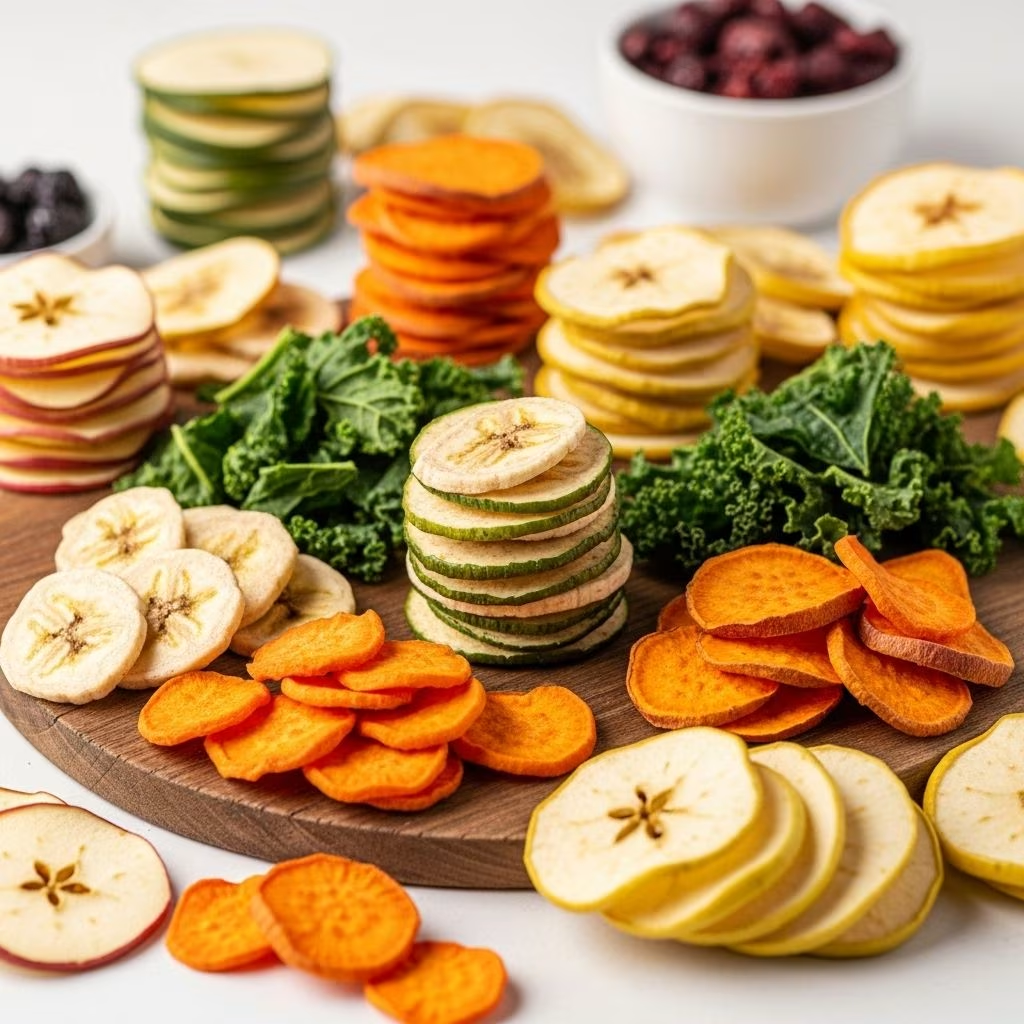
Busy families often find themselves searching for snack options that are both nutritious and appealing to kids. Store-bought chips, while convenient, rarely align with health goals or offer the nutritional variety growing children need. Enter the world of dehydrator snacks—a realm of inventive, wholesome, and crunchy alternatives that rival any bag of chips. With a little creativity and the right tools, you can easily create a bounty of delicious treats at home, supporting healthier habits and delighting even the pickiest eaters.
Why Choose Dehydrator Snacks for Kids?
Dehydrator snacks provide a crunchy, satisfying alternative to traditional chips and processed snack foods. Unlike fried products, dehydrated snacks preserve most of the food’s original nutrients and require no added oils, making them significantly lower in unhealthy fats and additives. With countless fruit and vegetable possibilities, dehydrators empower you to offer children vibrant, fresh-tasting snacks that encourage healthy habits from an early age.
- Control over ingredients: Skip additives, excess salt, and artificial flavors.
- Reduced food waste: Transform excess produce into long-lasting snacks.
- Allergy-friendly: Easily avoid major allergens and tailor snacks to your child’s needs.
- Variety: Introduce new flavors and textures, fostering adventurous eating.
Nutritional Benefits of Dehydrated Snacks
Dehydrating preserves the natural goodness of whole foods. Compared to fried chips or sugar-laden snacks, homemade dehydrator treats offer clear nutritional advantages:
| Snack Type | Main Nutrients | Added Fat | Added Sugar |
|---|---|---|---|
| Dehydrated Apple Chips | Fiber, Potassium, Vitamin C | No | No |
| Baked Potato Chips (store-bought) | Fiber, Iron (minimal) | Often | Possible |
| Fruit Leathers (homemade) | Vitamin C, Fiber | No | If added |
| Veggie Chips (dehydrated) | Vitamin A, K, Fiber, Antioxidants | No | No |
By preparing snacks at home, you retain more vitamins, minerals, and phytonutrients, especially when dehydrating at lower temperatures. Plus, there’s no need for preservatives or excessive seasonings that commercial snacks often contain.
Best Healthy Chip Alternatives Made with a Dehydrator
There’s a world of colorful, flavorful alternatives to the usual potato chip. Below are top choices for homemade, kid-friendly, and nutrition-packed snacks you can easily create with a food dehydrator:
- Kale chips: Crunchy, savory, and rich in vitamins A and K.
- Apple rings or chips: Naturally sweet, high in fiber, and a lunchbox favorite.
- Sweet potato chips: Slightly sweet, vitamin-packed, and satisfy a chip craving.
- Beet chips: Earthy and vibrant, brimming with potassium and antioxidants.
- Cucumber chips: Light, hydrating, and perfect with a salt-and-vinegar touch.
- Carrot crackers: Slightly sweet and satisfying, ideal for dipping.
- Banana or tropical fruit chips: Chewy or crispy, boosting potassium and energy.
- Strawberry fruit roll-ups: Pure fruit with no added sugar, perfect as fruit leather treats.
- Pineapple or mango bites: Sweet, chewy, and loaded with vitamin C.
- Homemade veggie medley chips: Combine zucchini, bell peppers, parsnip, and more for variety.
Fruit Chip Recipes for Kids
Fruit snacks are universally loved by children. With a dehydrator, you can transform seasonal fruit into healthy, mess-free chips or roll-ups ideal for on-the-go munching. Here are some favorite recipes:
Dehydrated Apple Chips
- Core and slice apples thinly (leave peel on for extra fiber).
- Optional: Sprinkle with cinnamon.
- Arrange in a single layer and dehydrate at 135°F (57°C) for 6–8 hours.
Tip: No added sugar needed—their natural sweetness shines through!
Mango or Pineapple Slices
- Peel and slice mangoes or pineapples into thin, even strips.
- Lay out on dehydrator trays and dry at 135°F (57°C) for 8–10 hours.
- These chewy, sweet snacks are high in vitamin C and immune-boosting benefits.
Strawberry Fruit Roll-Ups
- Puree fresh strawberries (add a little honey or banana if you desire more sweetness).
- Pour onto parchment-lined trays to form a thin, even layer.
- Dehydrate at 135°F (57°C) for 6–8 hours, until pliable.
- Cut into strips and roll up for a fun snack.
Banana Chips
- Slice bananas evenly (¼-inch thick works well).
- Optional: Soak in lemon juice briefly to prevent browning.
- Dehydrate at 135°F (57°C) for 6–8 hours or until desired crispness.
Vegetable Chip Creations: Crunchy Veggie Delights
Vegetables become far more appealing to children when transformed into crunchy chips bursting with color and flavor. Let’s spotlight some irresistible veggie chip snacks you can make at home:
Kale Chips
- Wash, dry, and tear kale into bite-sized pieces.
- Toss with a light drizzle of olive oil and a pinch of sea salt (or nutritional yeast for extra savory flavor).
- Dry at 125°F (52°C) for 3–4 hours, checking for crispness.
These chips are high in vitamins and loved even by kids who usually shun greens.
Sweet Potato Crisps
- Peel and thinly slice sweet potatoes using a mandoline for uniform thickness.
- Arrange in a single layer and sprinkle with cinnamon or a touch of sea salt.
- Dehydrate at 135°F (57°C) for 7–10 hours until crisp.
Cucumber Salt and Vinegar Chips
- Slice cucumbers very thinly and soak briefly in a mix of vinegar and salt.
- Lay out on dehydrator sheets in a single layer.
- Dry at 135°F (57°C) for 6–8 hours for a tangy, crunchy snack.
Beet and Carrot Chips
- Peel and thinly slice beets or carrots.
- Season lightly with olive oil and herbs or spices (like rosemary or paprika).
- Dry at 135°F (57°C) for 8–10 hours.
- These chips offer a visually enticing, antioxidant-rich choice.
Homemade Zucchini Chips
- Slice zucchini thin and season as you prefer (try garlic powder or parmesan).
- Dry at 135°F (57°C) for 6–8 hours, rotating trays occasionally.
Beyond Chips: Innovative Dehydrator Snacks
Think outside the chip bag! Dehydrators can create snacks that go far beyond simple chips. Here are more creative, homemade snacks for kids:
- Fruit leathers (roll-ups): Blend any fruit, spread thin, and dehydrate for chewy, sweet strips.
- Veggie crackers: Use pureed carrots, seeds, and herbs, spread thin, and dry until crisp—the result is a savory, fiber-rich cracker.
- Homemade granola bites: Mix oats, dried fruit, and seeds, press into small shapes, and dehydrate until crunchy.
- Cherry tomato “raisins”: Halve cherry tomatoes, sprinkle lightly with salt, and dehydrate for little bursts of flavor.
- Pineapple or mango “jerky”: Slice thick strips and dry until chewy for a candy-like snack.
Tips for Making and Storing Dehydrator Snacks
- Choose ripe, high-quality produce: Fresh fruit and vegetables yield the best flavor and texture.
- Slice evenly: Uniform slices ensure even drying and crispiness.
- Don’t overcrowd trays: Allow air circulation for consistent dehydration.
- Watch drying times: Different foods require different times—check labels and guides frequently.
- Store properly: Cool thoroughly, then store in airtight glass jars or reusable bags. Some snacks may last weeks; fruit leather and chips do best in a dry environment.
- Label flavors and dates: Especially helpful when making several varieties at once.
- Include kids in the process: Let children help choose flavors, arrange trays, and test doneness—it boosts their interest in healthy foods.
Helping Picky Eaters Fall in Love with Healthy Snacks
If your child is wary of new foods, especially vegetables, converting them with texture and fun presentation can be key. Here are strategies to win over even picky eaters:
- Start with naturally sweet fruits (apple, mango, strawberry) before introducing greens or root veggies.
- Offer a dip like yogurt or nut-free spread alongside chips.
- Let your child pick what to dehydrate—it builds investment and curiosity.
- Use fun shapes: Slice apple or sweet potatoes with cookie cutters for extra appeal.
- Present several choices: A “rainbow” tray of different veggie chips often entices kids to sample more than one type.
Homemade snacks can also help reduce reliance on processed foods that are low in fiber, high in sugar and salt, and often stripped of nutrients during frying or manufacturing.
Frequently Asked Questions (FAQs)
Q: Are dehydrator snacks as healthy as fresh fruits and vegetables?
A: While dehydrator snacks lose some water-soluble vitamins during drying, they retain much of their fiber, minerals, and antioxidants. They offer a shelf-stable, easy way for kids to enjoy a variety of fruits and vegetables year-round.
Q: What is the best temperature for making chips in a dehydrator?
A: Most fruits do best at 135°F (57°C); leafy greens like kale dry well at 125°F (52°C). Always check your dehydrator’s manual for specific recommendations and adjust for humidity.
Q: How long do homemade dehydrator snacks last?
A: If fully dehydrated and stored in an airtight container away from moisture and heat, most snacks last 2–4 weeks. The absence of preservatives means monitoring for freshness is important.
Q: Can I make chip alternatives without any added salt or sugar?
A: Absolutely! Most dehydrator snacks require no added salt or sweeteners. If you season, use light herbs, spices, or natural flavors like cinnamon or lemon.
Q: Are there nut-free and allergy-friendly options?
A: Yes—fruit and most vegetable chips are naturally nut-free. Always read ingredient labels and avoid cross-contamination if using seeds or allergen-prone foods.
Conclusion: Building Better Snack Habits
With a food dehydrator, the possibilities for kid-friendly, healthy chips and snacks are endless. From crisp apple rings and savory kale chips to vibrant fruit leathers and veggie crackers, you can provide your children with snacks that fuel both their bodies and imaginations. Moving beyond packaged chips not only supports your child’s health but encourages a love of wholesome, real food for years to come.
References
- https://yourkidstable.com/healthy-snack-alternatives-for-kids/
- https://gimmethegoodstuff.org/blogs/guides-and-product-reviews/15-healthiest-packaged-snack-foods
- https://crownful.com/blogs/tips/top-5-healthy-snacks-you-can-make-with-a-food-dehydrator
- https://www.life.ca/naturalchild/1612/healthy-dried-snacks-kids.htm
- https://www.integrativemediowa.com/blog/food-dehydration-waste-less-food-create-healthy-snacks-and-try-something-new
- https://www.thepurposefulpantry.com/easy-dehydrating-projects-for-kids/
- https://healthhomeandhappiness.com/20-things-to-do-with-your-dehydrator.html


