


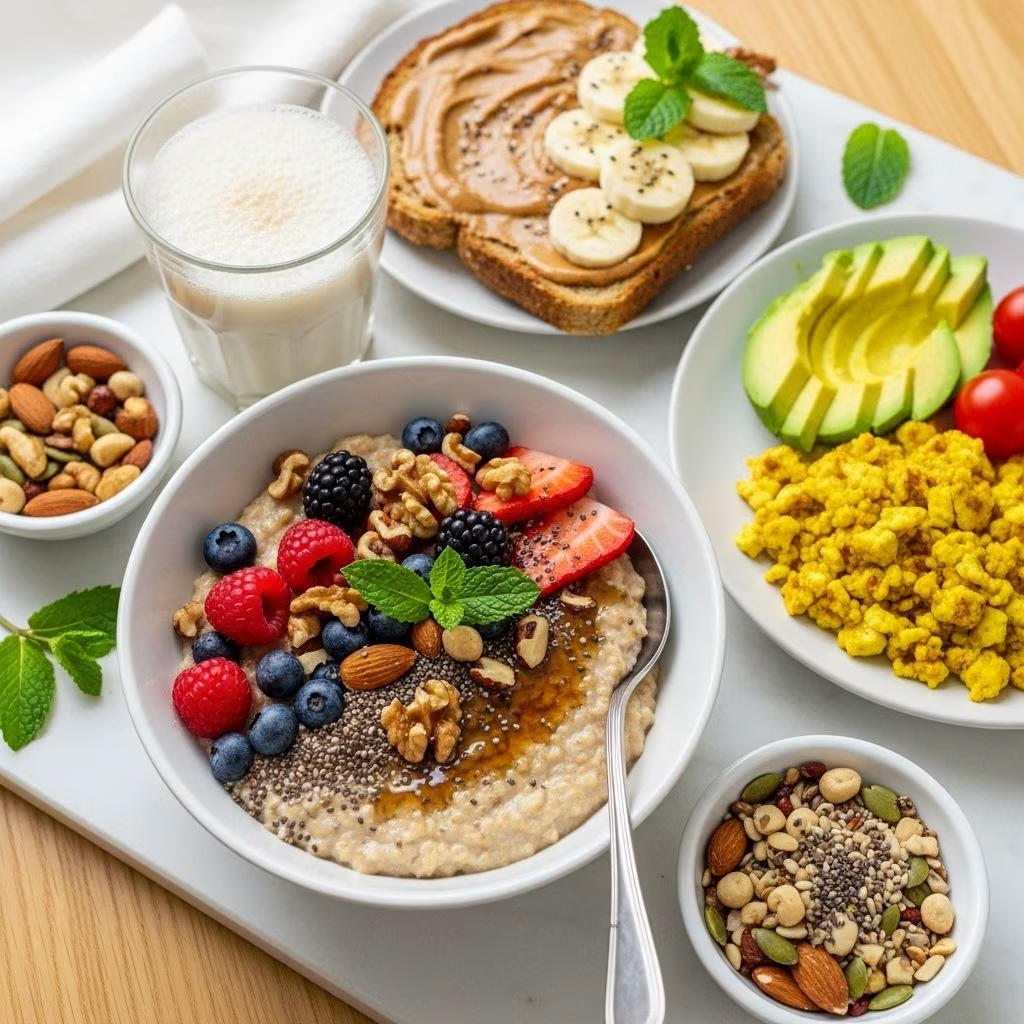
Vegetarian/Vegan Morning Routine: Complete Protein
Transitioning to a vegetarian or vegan lifestyle brings numerous health and ethical benefits, but one recurring concern is protein adequacy—particularly, achieving “complete protein” intake. This comprehensive guide explores how plant-based diets can deliver all essential amino acids, outlines practical morning routine strategies, and provides actionable tips for a balanced, energizing start to your day.
Introduction: Protein Needs for Vegetarians & Vegans
Protein is integral for building and repairing cells, synthesizing hormones and enzymes, and maintaining overall health. For adults, the recommended dietary allowance (RDA) is at least 0.36 grams per pound of body weight—or about 46 grams per day for women and 56 grams for men, though needs may be higher for active individuals or during growth and pregnancy. Fortunately, plant-based sources can completely fulfill daily protein requirements when planned thoughtfully.
Understanding Complete Protein
A complete protein contains all nine essential amino acids in adequate proportions. These amino acids—histidine, isoleucine, leucine, lysine, methionine, phenylalanine, threonine, tryptophan, and valine—cannot be synthesized by the body and must be obtained from food.
- Animal foods (e.g., dairy, eggs) naturally provide complete proteins.
- Most plant foods (e.g., grains, legumes) are incomplete, often lacking one or more essential amino acids.
- Some plant foods and combinations do offer all nine essential amino acids.
Achieving protein balance in a vegetarian or vegan diet relies on informed food choices and the concept of complementary proteins.
Complete Protein Sources for Vegans and Vegetarians
While most plant proteins are incomplete, several individual foods and specific combinations naturally provide complete protein. Here are leading options for breakfast and morning routines:
| Food | Protein per Typical Serving | Essential Amino Acids | Breakfast Uses |
|---|---|---|---|
| Quinoa | 8g per cup (cooked) | All 9 | Warm cereal, porridge, pancakes |
| Tofu, Tempeh, Edamame | 10-20g / serving | All 9 | Scrambles, breakfast bowls, stir-fries |
| Amaranth | 9g per cup (cooked) | All 9 | Porridge, pancakes |
| Buckwheat | 6g per cup (cooked) | All 9 | Pancakes, muesli, porridge |
| Chia Seeds | 4g per 2 tbsp | All 9 | Puddings, oats, smoothies |
| Hemp Seeds | 10g per 3 tbsp | All 9 | Yogurt, smoothies, granola |
| Spirulina | 4g per tbsp | All 9 | Energy bars, smoothies |
| Ezekiel Bread | 8g per 2 slices | All 9 | Toast, sandwiches |
Other sources and food combinations, such as rice & beans, pita & hummus, or peanut butter & whole grain bread, also provide complete protein when thoughtfully paired.
Complementary Protein Strategies
You don’t need complete protein at every meal. The body pools amino acids from food eaten throughout the day, so eating complementary plant foods over time ensures you achieve the full spectrum.
- Grains + Legumes: Combine rice and lentils, whole wheat bread and peanut butter, or corn tortillas with black beans.
- Nuts/Seeds + Legumes/Grains: Add chia seeds to oatmeal, blend hemp hearts with fruit smoothies, or top Ezekiel bread with almond butter.
- Variety is Key: Rotate food sources across days for a robust amino acid profile.
Why Variety Matters
Different plant foods are rich or deficient in specific amino acids. For example, grains are typically low in lysine, while legumes are lysine-rich but may lack methionine. Pairing these foods delivers a balanced amino acid intake.
Designing Your Morning Routine
Building a nourishing vegetarian or vegan morning routine starts with choosing foods high in complete protein, including whole grains, pulses, seeds, and superfoods. A balanced breakfast will:
- Boost energy and focus
- Provide essential amino acids
- Support muscle maintenance
- Keep you full until lunchtime
Consider these building blocks—
- Base: Quinoa, buckwheat, amaranth, Ezekiel bread
- Protein Component: Tofu, tempeh, edamame, beans
- Nutritional Boosters: Chia, hemp, and pumpkin seeds, spirulina
- Flavor & Fiber: Fresh fruit, vegetables, herbs, nut butters
Key Steps for Each Morning
- Plan your meals to include at least one complete protein source, or a combination that provides complementary amino acids.
- Prepare ingredients ahead, such as overnight oats with seeds, pre-cooked quinoa, or baked breakfast bars.
- Vary your breakfasts to ensure a broad nutrient spectrum across the week.
Sample Plant-Based Complete Protein Breakfasts
These breakfast ideas are practical, delicious, and naturally high in complete protein. Mix and match based on preferences and ingredient availability.
- Quinoa Breakfast Bowl
- Cooked quinoa, almond yogurt, berries, hemp seeds, swirl of nut butter
- Ezekiel Bread Toast
- Two slices, spread with almond butter, topped with banana and chia seeds
- Tofu or Tempeh Scramble
- Crumble tofu/tempeh, sauté with spinach, tomatoes, turmeric; serve with whole grain toast
- Chia Pudding
- Mix chia seeds with soy/almond milk, refrigerate overnight, top with granola and kiwi
- Spirulina Smoothie
- Blend spinach, frozen mango, banana, spirulina powder, hemp hearts, almond milk
- Buckwheat Pancakes
- Buckwheat flour, soy milk, apple sauce, topped with nut butter and fruit
- Rice and Bean Breakfast Burrito
- Brown rice, black beans, salsa, avocado, served in a whole grain wrap
Nutritional Boosters: Seeds, Grains, and Superfoods
Many nutritious seeds and grains offer concentrated protein and other essential nutrients. Incorporate them for a protein upgrade:
- Chia seeds: Omega-3s, fiber, B vitamins
- Hemp seeds: Omega-6 and omega-3 fatty acids, iron, magnesium
- Pumpkin seeds: Magnesium, zinc, protein
- Spirulina: Vitamin B12 (in some forms), copper, antioxidants
Adding a tablespoon or two of any of these to breakfast bowls, smoothies, or baked goods can help meet protein goals and offer sustained energy.
Enhancing Protein Absorption & Bioavailability
Protein bioavailability refers to how efficiently your body absorbs and utilizes dietary protein. Plant proteins often have lower digestibility than animal proteins due to fiber and anti-nutrients (phytates, lectins). Improve absorption by:
- Sprouting grains and legumes (e.g., sprouted bread like Ezekiel): Increases amino acid content, especially lysine.
- Cooking beans and lentils thoroughly: Reduces anti-nutrients.
- Combining proteins with vitamin C-rich foods: Enhances iron (and thus overall nutrient) absorption; example: strawberries with cereal.
- Blending seeds and nuts: Increases digestibility in smoothies and butters.
Common Mistakes and Troubleshooting
- Not varying protein sources: Relying exclusively on one type of protein can lead to amino acid gaps.
- Undereating protein: Skipping breakfast or choosing low-protein meals may result in low overall intake, especially for athletes or active individuals.
- Lack of whole foods: Overuse of processed vegan products can mean missing out on fiber, micronutrients, and healthy fats found in legumes, grains, seeds, and nuts.
- Inadequate meal planning: Failing to combine complementary foods reduces complete protein potential.
Quick Fixes
- Add a handful of seeds or nuts to oatmeal/porridge
- Choose sprouted breads and ancient grains
- Include a variety of beans, lentils, and whole grains in batch-cooked breakfasts
Frequently Asked Questions (FAQs)
Q: Can you get enough complete protein at breakfast from a vegan diet?
A: Yes. By including foods like quinoa, tofu, tempeh, buckwheat, chia, hemp, and sprouted bread, or combining legumes and grains, your meal can deliver all nine essential amino acids.
Q: Is it necessary to eat complete protein at every meal?
A: No. The body pools amino acids over time, so achieving a balanced intake throughout the day, rather than at each meal, is sufficient.
Q: Which plant-based foods offer the highest protein per serving?
A: Tempeh (20g/100g), hemp seeds (30g/100g), tofu (16g/100g), peanuts, lentils, pumpkin seeds, chia seeds, and spirulina are all excellent sources.
Q: Are plant proteins as digestible as animal proteins?
A: Some are, particularly soy products, hemp, and sprouted grains. Cooking and combining foods enhances digestibility and absorption.
Q: What about essential nutrients besides protein?
A: Plant-based morning meals can be rich in fiber, antioxidants, vitamins, and minerals. Include fruits, vegetables, and fortified foods for vitamin B12, calcium, iron, and omega-3s.
Q: Do I need supplements?
A: Some vegans may require vitamin B12 and possibly vitamin D supplementation, but most protein requirements can be met through food. Consult a registered dietitian for personalized guidance.
Conclusion and Resources
A well-planned vegetarian or vegan morning routine can provide complete protein and all essential nutrients. Key strategies include combining diverse plant foods, prioritizing high-protein grains and seeds, using sprouted breads, and planning ahead to ensure every breakfast is both nutritious and satisfying.
Further Reading & Reliable Resources:
- Healthline: Vegan Complete Proteins
- BBC Good Food: Best Vegan Protein Sources
- Cleveland Clinic: Complete vs. Incomplete Proteins
- PETA: Vegan Complete Protein List
References
- https://www.healthline.com/nutrition/complete-protein-for-vegans
- https://www.bbcgoodfood.com/health/special-diets/best-sources-protein-vegans
- https://health.clevelandclinic.org/do-i-need-to-worry-about-eating-complete-proteins
- https://www.peta.org/living/food/complete-proteins-vegan/
- https://www.piedmont.org/living-real-change/what-is-a-complete-protein
- https://www.chhs.colostate.edu/krnc/monthly-blog/plant-based-protein-a-simple-guide-to-getting-enough/
- https://pmc.ncbi.nlm.nih.gov/articles/PMC6893534/


