


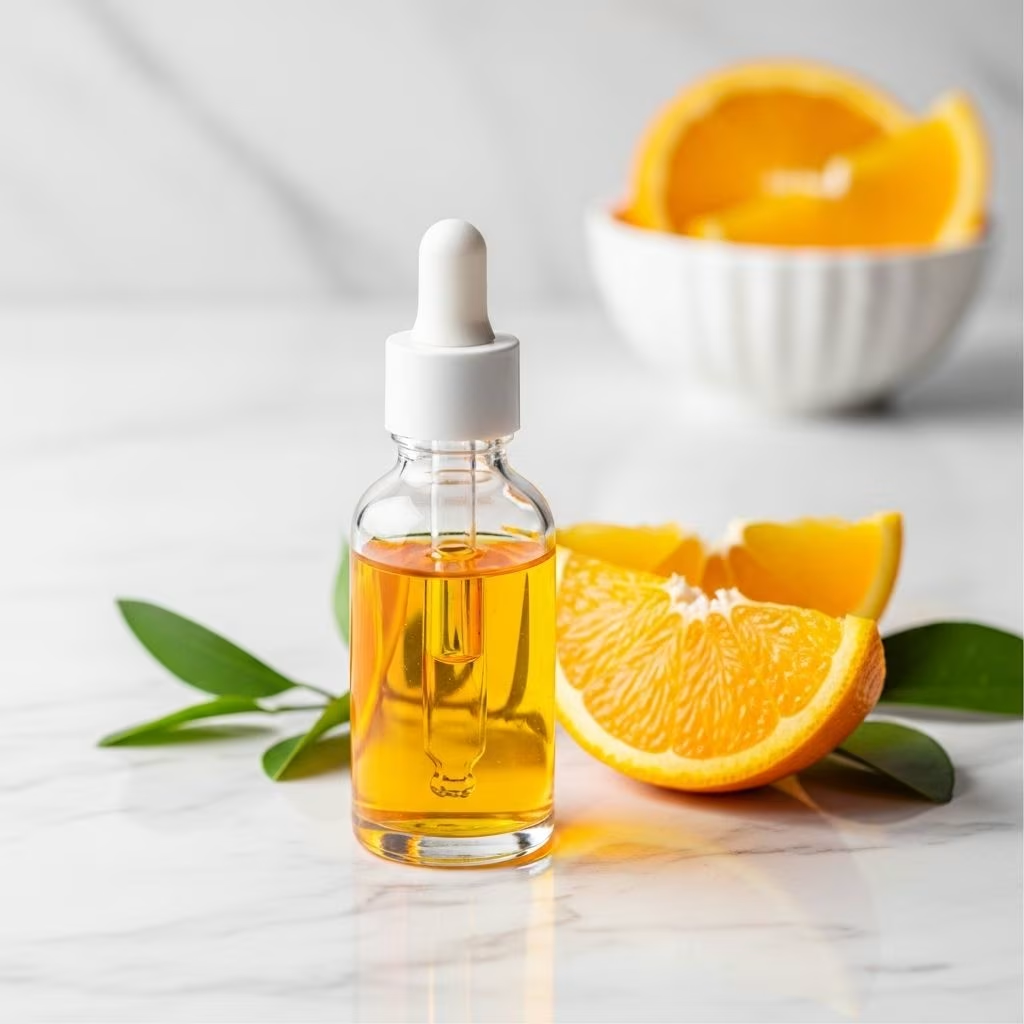
Vitamin C has become a cornerstone ingredient in skincare routines, particularly for those dealing with acne and its aftermath. Renowned for its antioxidant, brightening, and healing properties, this powerful nutrient offers a multifaceted approach to managing acne-prone skin. In this comprehensive guide, you’ll discover how vitamin C can help with acne, the top-performing vitamin C serums for blemish-prone complexions, and essential usage tips for safe and effective results.
What is Vitamin C and Why Is It Used in Skincare?
Vitamin C (ascorbic acid) is a water-soluble vitamin essential for human health and skin function. The skin’s outermost layer, the epidermis, contains high concentrations of vitamin C due to its pivotal role in collagen production, wound healing, and antioxidant defense. Unlike some animals, humans cannot produce vitamin C naturally, making dietary intake and topical application crucial for preserving skin health.
Vitamin C is celebrated in skincare because of its ability to:
- Neutralize damaging free radicals from sun, pollution, and metabolism.
- Promote collagen synthesis, helping repair and maintain youthful skin.
- Brighten hyperpigmentation and even out skin tone.
- Reduce inflammation associated with acne and slow skin aging.
Benefits of Vitamin C for Acne-Prone Skin
The anti-inflammatory and antioxidant properties of vitamin C make it especially advantageous for those with acne-prone or oily skin:
- Reduces Redness and Swelling: Vitamin C’s anti-inflammatory action mitigates the appearance of active breakouts by soothing redness and decreasing swelling from acne lesions.
- Fades Post-Acne Marks: It helps reduce hyperpigmentation—such as dark spots and acne scars—by inhibiting excess melanin production, leading to a brighter and more even complexion.
- Offers Antioxidant Protection: Protects skin from free radicals, UV rays, and pollution, all of which can exacerbate acne and trigger premature aging.
- Controls Sebum Production: By regulating oil levels on the skin, vitamin C may limit the likelihood of clogged pores and further breakouts.
- Supports Skin Repair: Boosts collagen synthesis, improving the skin’s structural integrity and enhancing its ability to heal after blemishes.
How Does Vitamin C Help with Acne?
Acne, fundamentally, is an inflammatory skin disorder initiated by blocked pores and oil (sebum) overload. Pore-clogging leads to an uptick in bacterial colonization and sets the stage for local inflammation, resulting in red, swollen pimples and knotted cysts. Here’s how vitamin C combats these concerns:
| Mechanism | Effect on Acne |
|---|---|
| Antioxidant action | Protects skin from oxidative stress and reduces skin cell damage. |
| Anti-inflammatory properties | Lowers redness and swelling in active breakouts. |
| Melanin inhibition | Fades dark spots and acne scars by slowing pigment production. |
| Collagen building | Accelerates healing and improves skin resilience to scarring. |
| Oil control | Reduces sebum production, preventing new breakouts. |
Clinical studies have shown that topical vitamin C serums can lead to significant reductions in acne lesions and improvements in post-inflammatory marks when used regularly, with few side effects when chosen and applied correctly.
Best Vitamin C Serums for Acne-Prone Skin
Choosing the right vitamin C serum is key to reaping its benefits without irritation. Here are important considerations and some trusted product examples:
Factors to Consider When Selecting a Vitamin C Serum
- Type of Vitamin C: L-ascorbic acid is the most potent and research-backed form but can be irritating to sensitive skin. Alternatives like sodium ascorbyl phosphate are gentler yet effective.
- Concentration: Products with 10-20% vitamin C content are generally safe and effective for most users. Higher concentrations may offer quicker results but increase chances of irritation.
- Additional Ingredients: Look for serums with soothing additives like hyaluronic acid (for hydration), ceramides (for barrier support), or ferulic acid and vitamin E (for enhanced antioxidant power).
- Packaging: Dark or opaque bottles are essential to prevent vitamin C degradation from light and air.
Recommended Vitamin C Serums for Acne
- CeraVe Skin Renewing Vitamin C Serum: Contains 10% pure vitamin C, hyaluronic acid for moisture, and ceramides for skin barrier support. Especially suitable for those with acne marks and sensitive skin.
- Obagi Professional-C Serum: Offers different concentrations (10%-20%) of L-ascorbic acid, tailored for various skin types and needs, and well regarded for both brightening and anti-aging properties.
- Serums with Sodium Ascorbyl Phosphate (SAP): This stable vitamin C derivative has shown impressive results in reducing acne lesions, especially in clinical trials at around 5% concentration.
- Formulas paired with Vitamin E and Ferulic Acid: These combinations provide enhanced environmental protection and may further minimize redness.
Always perform a patch test before introducing a new serum, especially if your skin is highly reactive.
How to Use Vitamin C Serum: Step-by-Step Guide
For best results and to minimize the risk of irritation, incorporate vitamin C thoughtfully into your daily routine:
- Cleanse: Wash your face with a gentle cleanser suitable for oily or acne-prone skin.
- Pat Dry: Gently dry your skin to avoid abrasion.
- Apply Vitamin C Serum: Use a small amount, focusing on areas affected by breakouts or pigmentation. Apply serum with fingertips, avoiding the eye area.
- Wait a Minute: Allow the serum to fully absorb before proceeding to the next step.
- Moisturize: Layer a non-comedogenic moisturizer to seal in hydration and support skin barrier function.
- Sunscreen (Daytime): Always apply a broad-spectrum SPF 30+ sunscreen in the morning—vitamin C increases your skin’s resistance but not immunity to UV damage.
Pro Tips:
- Introduce vitamin C gradually—start with application every other day and increase as tolerated.
- Store your serum in a cool, dark place to minimize oxidation and degradation.
- Do not use on broken skin or open wounds.
- If experiencing burning or redness, discontinue and consult a dermatologist.
Combining Vitamin C with Other Skincare Ingredients
Vitamin C can safely be used alongside many other actives, but certain combinations provide enhanced results, while others require scheduling precautions:
- With Hyaluronic Acid: Excellent for maintaining hydration and minimizing potential dryness from vitamin C.
- With Niacinamide: Modern research suggests these can be layered together, supporting both anti-acne and brightening outcomes.
- With Retinol: Both target aging and acne, but to minimize irritation, use vitamin C in the morning and retinol at night.
- With Sunscreen: Layering vitamin C under mineral or chemical sunscreen offers superior protection against photo-damage.
- Avoid: Simultaneous use with exfoliating acids (AHAs, BHAs) which may heighten irritation unless directed by your dermatologist.
Potential Side Effects and Precautions
While vitamin C is generally well tolerated, some users—especially those with ultra-sensitive skin or allergies—may experience side effects:
- Irritation: Tingling, redness, or burning may occur with first use or with high concentrations. Start with a lower percentage.
- Breakouts: Rarely, heavy or oil-based serums may clog pores, so opt for water-based, non-comedogenic formulas if acne-prone.
- Allergic Reactions: Patch test prior to full-face use.
Discontinue use if you develop persistent redness, swelling, or hives. Always consult with a dermatologist if you have doubts about introducing active ingredients to your routine.
Dietary Vitamin C and Skin Health
While a nutritious diet rich in fruits and vegetables provides the vitamin C your body needs for overall health, there’s little evidence that increasing dietary vitamin C alone reliably reduces acne or hyperpigmentation. Topical application remains the best route for targeted skin benefits.
Frequently Asked Questions (FAQs)
Q: Can vitamin C actually treat and prevent acne?
A: Topical vitamin C can help reduce inflammation, support healing, and brighten post-acne marks, but it is best used as an adjunct to a comprehensive skincare routine, not a stand-alone acne treatment.
Q: Is it safe to use vitamin C every day on acne-prone skin?
A: Yes, as long as you start slowly and choose a serum with a balanced concentration (10-20%). Sensitive users should patch test and increase frequency gradually.
Q: What’s the best time of day to apply vitamin C serum?
A: Mornings are ideal for antioxidant protection. Layer vitamin C under moisturizer and sunscreen. Retinol, if used, is best for nighttime application.
Q: Can vitamin C be combined with other acne treatments?
A: Yes; combining it with hyaluronic acid, niacinamide, or sunscreen is safe. Apply retinol at night for best tolerance, and avoid using with strong acids simultaneously unless advised.
Q: Which form of vitamin C is best for sensitive or acne-prone skin?
A: Sodium ascorbyl phosphate is gentler and effective for sensitive skin, while L-ascorbic acid remains the gold standard for potency for those who can tolerate it.
Conclusion
Vitamin C is a proven, science-backed ingredient with diverse benefits for acne-prone complexions, from minimizing inflammation and breakouts to fading persistent dark spots and fortifying the skin’s defenses. With the right serum and usage tips, you can safely integrate vitamin C into your skincare routine for clearer, more radiant skin. Always choose reputable formulas, introduce them gradually, and pair with other complementary ingredients for optimal results.
References
- https://www.cerave.com.au/blog/oily-and-acne-prone-skin/does-vitamin-c-help-acne-prone-skin
- https://www.healthline.com/nutrition/vitamin-c-for-acne
- https://www.health.harvard.edu/blog/why-is-topical-vitamin-c-important-for-skin-health-202111102635
- https://www.exposedskincare.com/blogs/blog/vitamin-c-serum-for-acne
- https://www.obagi.com/blogs/news/what-are-benefits-of-using-a-vitamin-c-serum-on-the-skin
- https://pmc.ncbi.nlm.nih.gov/articles/PMC3673383/
- https://www.acofp.org/news-and-publications/journal/article-detail/vol-16-no-3-fall-2024/vitamin-c-topical-retinoids-sunscreen-in-clinical-practice-essentials-for-family-physicians


