


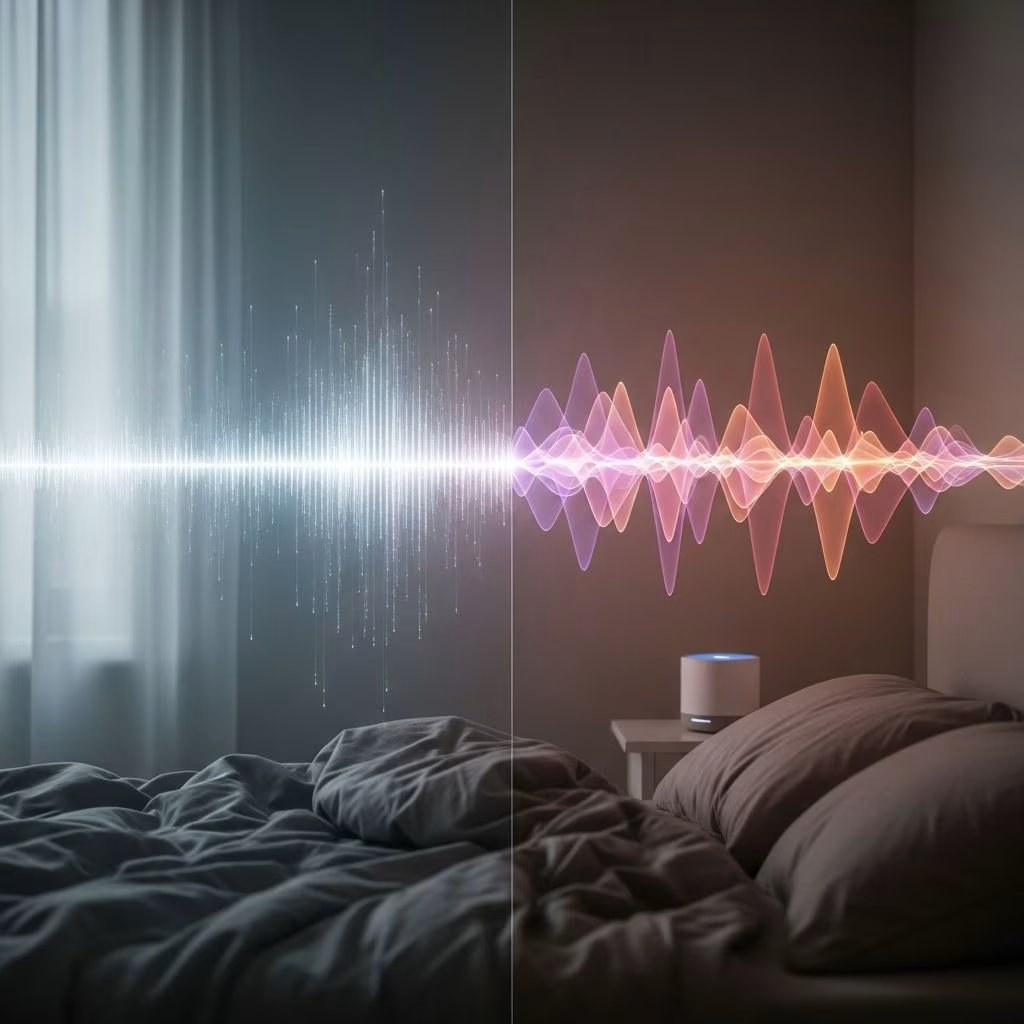
Quality sleep is essential for cognitive performance, emotional balance, metabolism, and overall physical health. Yet, in an increasingly noisy world, individuals facing chronic stress or insomnia are searching for non-pharmacological solutions to improve their sleep. Two popular sound-based interventions—white noise and pink noise—are frequently recommended to mask disruptive sounds, support sleep, and reduce stress. But how do they truly compare, and what does the science say about their effectiveness for sleep and stress reduction?
Understanding the Science of Noise Colors
Noise colors are described by how their energy is distributed across frequencies. The three most studied ‘colors’ are:
- White noise: Equal energy at all frequencies, producing a static or hissing sound.
- Pink noise: Energy decreases by about 3 dB per octave, resulting in a deeper, gentler sound.
- Brown noise: Energy decreases even more, producing a very deep rumble. (Less studied for sleep)
These tonal differences mean each type of noise can affect brain and body in distinct ways, particularly for those sensitive to sound or dealing with sleep problems and stress.
What Is White Noise?
White noise consists of all perceivable sound frequencies played at equal volume, creating an intense, steady, static-like background. You typically experience white noise from:
- Fans
- Air conditioners
- TV or radio static
- Specialized sound machines
Its key trait is its ability to mask sudden, disruptive background noises, making it beneficial for both sleep onset and maintaining focus in noisy environments. Some research has connected white noise to improvements in:
- Sleep initiation (reducing time to fall asleep)
- Reducing infants’ crying and improving infant sleep
- Masking tinnitus (ringing in the ears)
- Enhanced concentration for people with ADHD
However, white noise’s higher frequency content can sound harsh or irritating, especially to those with high-frequency hearing loss or sound sensitivity, and its effectiveness for continuous sleep improvement remains debated by experts.
What Is Pink Noise?
Pink noise is similar to white noise in that it combines all audible frequencies, but energy is distributed more heavily into lower frequencies.
- Pink noise sounds like steady rainfall, waves, gentle wind, or rustling leaves.
- It has a lower, warmer, and softer sound profile than white noise.
Owing to these properties, pink noise filters out higher, more jarring frequencies and is often described as more soothing and natural. Research has highlighted pink noise for its:
- Potential to extend deep, slow-wave sleep
- Ability to help people stay asleep more reliably
- Possible benefits for memory consolidation
- Favorable impact on stress reduction and cardiovascular health
The gentler nature and deeper sound make pink noise preferable for adults, especially those sensitive to harsh high-pitched sounds or struggling to remain asleep due to external disturbances.
Mechanical and Acoustic Differences
| Aspect | White Noise | Pink Noise |
|---|---|---|
| Main Sound Profile | Sharp ‘static’, all frequencies equal volume | Softer, ‘natural’, deeper (lower frequencies emphasized) |
| Common Examples | Radio static, fans, air conditioning | Rainfall, wind, waves, rustling trees |
| Perceived Pitch | Higher, hissy | Lower, soothing |
| Suitability | People who need to block sharp, unpredictable noises or struggle to fall asleep | People needing deeper sleep or with sensitivity to high-pitched sounds |
| Research Consensus | Mixed/Low certainty, benefits mainly for sleep onset in noisy environments | Moderate evidence for deep sleep extension, memory, overall sleep quality |
How Noise Affects Sleep and Stress
Sleep is a complex process involving multiple brain regions that regulate sleep stages (light, deep, REM) and stress-hormone balance. Both external and internal factors can disrupt this cycle—including nighttime noises and daily stress buildup.
Colored noises can:
- Mask disruptive environmental sounds (traffic, people, pets)
- Regulate physiological arousal (nervous system ‘calming’)
- Synchronize brain waves with soothing rhythmic sound patterns
- Reduce stress hormone levels by enhancing deeper sleep stages
Poor sleep and high stress create a feedback loop of mental and physical exhaustion, poor cognitive performance, irritability, and increased risk for chronic illness. Sound therapy, when matched to individual preferences and needs, offers a safe, non-habit-forming tool.
Evidence Comparison: White Noise vs. Pink Noise
What Studies Say
- Pink noise extends slow-wave sleep in chronic insomnia by about 21 minutes per night (p < 0.01), and improves deep sleep quality by roughly 18%.
- White noise reduces sleep onset latency (the time it takes to fall asleep) by 3–5 minutes in noisy environments, making it especially helpful for people who are disturbed by external noises when trying to fall asleep.
- Pink noise helps people struggling to stay asleep, not just fall asleep.
- A 2022 systematic review found that 82% of pink noise studies showed sleep improvement, compared to 33% of white noise studies.
- While some studies show white noise may boost work performance or concentration, pink noise may have added benefits for memory consolidation when used during sleep.
- The evidence quality for white noise is considered “very low”, with experts calling for more objective studies on its ongoing effects.
Overall, pink noise appears to deliver a small but reliable advantage for adults with sleep maintenance problems or chronic insomnia, while white noise may be more suitable for sleep onset difficulties in noisy settings.
Key Takeaways from Major Reviews
- Pink noise: Most effective for improving deep, restorative sleep and memory; well tolerated; low risk of side effects.
- White noise: Best for quickly masking intrusive sounds and supporting initial sleep onset where unpredictable noises are a concern.
- Both sounds: Should be played at safe, moderate volumes (under 70 dB) to avoid hearing damage. Lower volumes are usually effective.
Personalization: Which Is Better for Whom?
Not everyone responds to noise the same way. Studies indicate that the effectiveness of white or pink noise can be influenced by:
- Type of sleep issue: Difficulty falling asleep vs. staying asleep.
- Level of environmental noise: Homes with unpredictable, loud background noises benefit from masking via white noise.
- Hearing profiles: People with high-frequency hearing loss (>25 dB at 4 kHz) find pink noise much more comfortable and less irritating.
- Personal preferences: Some find high-pitched static reinforcing, others dislike it and prefer the ocean-like lulls of pink noise.
- Age: Infants and young children may respond differently than adults. Most studies on pink noise for deep sleep and memory have focused on adults and older adults.
Practical Tips for Using Noise for Sleep & Stress
To maximize benefits and minimize risks, follow these guidelines when using noise for sleep and stress management:
- Volume Control: Keep sound levels below 70 dB (approx. refrigerator hum or lower) to avoid hearing damage.
- Source Selection: Use high-quality sound machines, smartphone apps, or recordings with no jarring loops or sudden changes.
- Timing: If your goal is to fall asleep faster, set a timer so noise fades after 30–60 minutes. To improve deep sleep, gentle pink noise throughout the night may help.
- Consistency: Establish a bedtime routine in which the soothing sound is a regular cue for winding down.
- Device Safety: For infants or children, use approved sound devices at safe distances and never inside cribs.
- Experimentation: Try both white and pink noise for a week each and journal your results—note perceived relaxation, sleep quality, night wakings, and feelings upon waking.
Remember that what works for one person may not suit another. If you experience headaches, increased tinnitus, or greater irritability, try a lower volume or switch between pink and white noise.
Frequently Asked Questions (FAQs)
Q: Can white or pink noise cure insomnia?
A: While noise can improve sleep conditions for many, especially by masking disturbances and promoting relaxation, there is no evidence that noise alone cures chronic insomnia. It works best when part of a broader sleep hygiene and stress management strategy.
Q: Is pink noise dangerous or habit-forming?
A: No. Studies show that pink noise is safe when played at moderate volumes. There are no reports of addiction or dependence. As with any noise, always avoid excessive loudness to protect hearing.
Q: Is it okay to use a noise machine for babies or children?
A: Yes, but with important safety considerations: volume should be kept low, machines should be placed at least several feet from the crib, and only reputable products should be used. Consult a pediatrician for personalized advice.
Q: Does brown noise work better than pink or white noise?
A: Brown noise has even deeper, rumbling tones but lacks strong research support for sleep or stress. Most evidence and clinical use focus on white and pink noise, where effects and safety are better studied.
Q: Can using noise for sleep disrupt natural sleep cycles or brain activity?
A: Most studies indicate that colored noise supports, rather than disrupts, healthy sleep stages if used appropriately. Overly loud or harsh sound may interrupt sleep for sensitive individuals, so always use gentle, soothing volumes.
Final Thoughts
Both white noise and pink noise can serve as powerful tools in the quest for better sleep and lower stress. Choosing the right one depends on your specific sleep challenge, acoustic sensitivity, and personal preferences. Start at low volumes, experiment with both, and combine sound therapy with other sleep-promoting habits for best results. Consult a sleep specialist if chronic sleep or stress issues persist.
References
- https://www.eurekahealth.com/resources/white-noise-vs-pink-noise-insomnia-which-better-en
- https://www.webmd.com/sleep-disorders/pink-noise-sleep
- https://www.sleepfoundation.org/noise-and-sleep/pink-noise-sleep
- https://www.soundofsleep.com/white-pink-brown-noise-whats-difference/
- https://www.eightsleep.com/blog/pink-vs-white-noise/
- https://www.health.harvard.edu/staying-healthy/can-white-noise-really-help-you-sleep-better


