


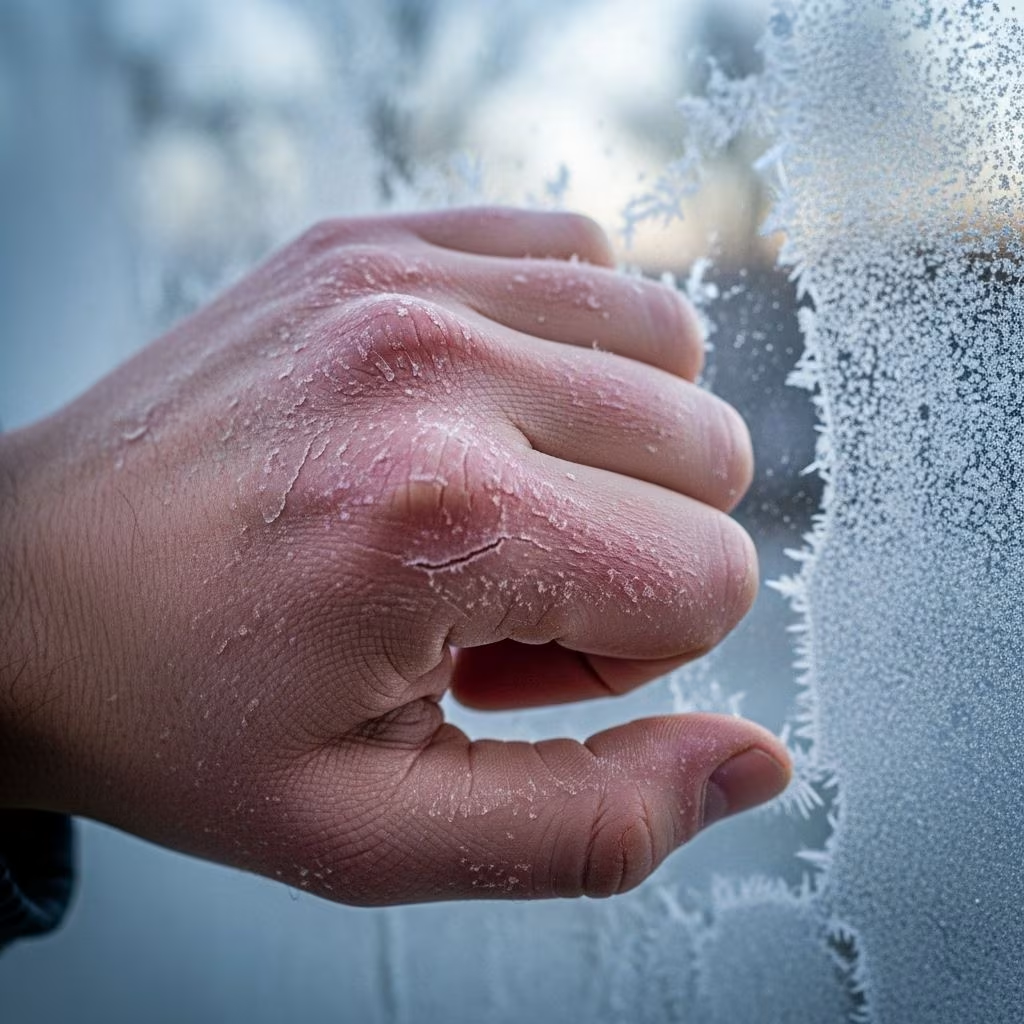
The arrival of the season’s first frost can be an eagerly anticipated event for some, but for individuals living with eczema, it often marks the beginning of more challenging times. As cold weather sets in, many find their skin becoming more irritated, inflamed, and prone to troublesome flare-ups. This comprehensive guide explores why eczema can worsen during the first frost, helps you troubleshoot common triggers, and provides expert-backed strategies for effective care and winter-proof skin protection.
Understanding Eczema: The Basics
Eczema, also known as atopic dermatitis, is a group of inflammatory skin conditions characterized by dry, itchy, and irritated skin. Symptoms vary in severity and form, with some experiencing oozing, crusting, and even infection. Eczema is typically chronic, with periodic flare-ups triggered by internal or external irritants and allergens.
- Common Symptoms: Intense itching, dry patches, redness, swelling, oozing, crusting, thickening of the skin, and in some cases, changes in pigmentation.
- Subtypes: Atopic dermatitis (most frequent), contact dermatitis, dyshidrotic eczema (blisters on hands/feet), neurodermatitis (localized itching and lichenification), and others.
| Eczema Type | Main Features | Common Triggers |
|---|---|---|
| Atopic Dermatitis | Chronic itch, inflamed dry skin | Genetics, dry skin, environment |
| Contact Dermatitis | Irritated rash at contact sites | Allergens, irritants, metals, fragrances |
| Dyshidrotic Eczema | Itchy blisters on hands/feet | Moisture, stress, allergies |
| Neurodermatitis | Thickened patches, intense itching | Localized irritation, scratching, stress |
Eczema can flare at any age but is particularly common in childhood and often persists into adulthood, requiring ongoing management and vigilance, especially during environmental changes like the first frost.
Why the First Frost Worsens Eczema
The transition from mild autumn weather to the season’s first frost brings dramatic changes in temperature and humidity. For many with eczema, these shifts can rapidly degrade the skin’s natural barrier and trigger flares.
- Lower Humidity: As air gets colder, its moisture-holding capacity decreases dramatically, leading to dry indoor and outdoor environments. Skin, already vulnerable in eczema, loses moisture faster, becoming cracked, itchy, and inflamed.
- Cold Winds: Exposure to biting winds strips away the skin’s protective oils and damages its barrier, enabling allergens and irritants to penetrate.
- Sudden Temperature Shifts: Moving between warm indoor heating and the cold outdoors stresses skin, leading to micro-injury and increased inflammation.
- Heaters & Reduced Ventilation: Central heating creates dry, recycled air, compounding epidermal water loss and aggravating dryness-related eczema.
Seasonal Onset of Flares
Studies and patient reports consistently note an uptick in eczema flare-ups with the first significant cold weather event of the year. For many, the initial days and weeks after the season’s first frost are when their skin becomes most symptomatic and challenging to manage.
Identifying Common Winter Eczema Triggers
Awareness of your personal triggers is crucial to troubleshooting flares. Although triggers can vary, several key factors become especially problematic with winter’s arrival:
- Cold, Dry Air: Promotes transepidermal water loss, dehydration, and compromised skin function.
- Rough or Synthetic Fabrics: Wool, acrylic, and some synthetic textiles increase friction and irritation.
- Sudden Heat Exposure: Hot showers and heaters deplete natural oils.
- Lower Sunlight: Reduced UV exposure may influence immune responses and vitamin D levels.
- Common Allergens: Dust mites, animal dander, indoor molds may accumulate with reduced ventilation.
- Personal Care Products: Ingredients like fragrances, dyes, and preservatives in soaps and creams can irritate already dry winter skin.
It is not unusual for patients to also report increased stress levels with seasonal changes and holidays, which is a well-documented eczema trigger for some individuals.
Troubleshooting Eczema Flare-Ups During Cold Weather
If your eczema suddenly worsens with the first frost, follow this multi-step troubleshooting protocol to regain control and minimize symptom duration:
- Assess and Record: Document when symptoms appeared, what you were wearing, your exposure, and any new products used. Keeping a symptom diary can help identify delayed triggers.
- Check for Infection: Flare-ups sometimes lead to raw or cracked skin that allows infection. Look for redness, warmth, weeping, pus, or fever. Seek immediate medical advice if infection is suspected.
- Stop Potential Triggers: Discontinue new personal care products and avoid known irritants (wool, perfumes, harsh soaps, and detergents).
- Immediate Moisturization: Apply a gentle, fragrance-free moisturizer or ointment within minutes after bathing and frequently throughout the day, especially after hand washing.
- Apply Anti-Inflammatory Treatments: Use over-the-counter hydrocortisone creams as advised, but seek healthcare guidance for persistent, spreading, or severe outbreaks.
- Protect and Cover: Dress in soft, breathable layers; use cotton underclothes to keep potential irritants from direct contact with skin.
- Monitor Environment: Use a humidifier indoors to restore some moisture to air. Keep indoor humidity between 40–50% if possible.
- Manage Stress: Practice techniques such as deep breathing, mindfulness, or yoga, which can help break the cycle of inflammation triggered by psychological stress.
Essential Winter Care Strategies for Eczema
Maintaining skin health throughout winter requires both preventive routines and agile response to early signs of flare. The following strategies are dermatologist-recommended for minimizing flare risk:
1. Repair and Maintain the Skin Barrier
- Moisturize Frequently: Apply thick, fragrance-free emollients (ointments or creams, not lotions) to damp skin after every shower or bath and as needed throughout the day.
- Barrier Creams: Consider ceramide cream products to support the skin’s natural repair processes.
2. Rethink Bathing Habits
- Keep showers and baths short (5–10 minutes) and use lukewarm, not hot, water.
- Use mild, non-soap cleansers without added fragrance or dyes.
- Pat skin dry gently; never rub.
3. Clothing Choices
- Choose soft, breathable fabrics—preferably cotton—for layering.
- Avoid direct contact with wool, synthetic fibers, and rough seams.
- Wash new clothes before the first wear and use fragrance-free, hypoallergenic laundry detergent.
4. Home Environment Adjustments
- Use portable or whole-house humidifiers to combat dry air.
- Avoid direct heat sources like radiators or space heaters that cause excessive dryness.
- Increase indoor ventilation to limit dust mite and mold buildup.
5. Watch for Food and Environmental Allergens
- Track any flare following food ingestion, especially common triggers (peanuts, dairy, eggs).
- Limit exposure to dust, pet dander, and seasonal pollen when possible.
Advanced Management: When to Seek Medical Help
If your eczema becomes unresponsive to typical self-care or shows signs of complication, timely medical intervention is crucial. Seek medical attention if you notice:
- Rapidly worsening or spreading eczema
- Signs of infection (oozing, pus, bright redness, warmth, fever, swollen lymph nodes)
- Severe sleep disturbance due to itching or pain
- Lack of improvement after 1–2 weeks of home treatment
Dermatologists may recommend stronger topical corticosteroids, topical calcineurin inhibitors, phototherapy, or systemic therapies for severe cases.
Skin Care Do’s and Don’ts for Eczema in Frosty Climates
- Do moisturize within minutes after washing to lock in hydration.
- Do choose ointments or thick creams over lotions in winter.
- Do keep nails trimmed short to minimize skin damage from scratching.
- Don’t take prolonged hot showers or baths.
- Don’t use fragranced soaps, skin care, or laundry products.
- Don’t wear irritating or scratchy fabrics next to your skin.
- Don’t ignore new or unusual symptoms; consult your provider promptly.
Lifestyle and Nutrition: Supporting Skin Health from Within
While external care is essential, internal health—including diet and lifestyle—also plays a significant role in eczema management:
- Stay Hydrated: Drink water consistently to assist skin hydration.
- Balanced Diet: Include foods rich in omega-3 fatty acids (fish, flaxseed), antioxidants (berries, leafy greens), and vitamin D for potential anti-inflammatory effects.
- Watch for Food Allergens: Consult with a healthcare professional if you suspect food sensitivities contribute to your flares.
- Manage Stress: Regular exercise, yoga, mindfulness, and adequate rest are vital for lowering systemic inflammation.
Frequently Asked Questions (FAQs)
Q: Why does my eczema get worse during the first frost?
A: The first frost signals the arrival of colder, drier air with lower humidity and often increased indoor heating. This rapidly strips natural moisture from skin, weakens its barrier, and increases susceptibility to triggers—causing more frequent and intense eczema flare-ups.
Q: What is the best way to moisturize eczema-prone skin in winter?
A: Use thick, fragrance-free ointments or creams, avoiding lotions. Apply while skin is still damp post-bath or shower and reapply as needed—particularly after hand washing and exposure to the elements.
Q: Can humidifiers help reduce eczema flares during winter?
A: Yes. Humidifiers restore moisture to dry indoor air, significantly reducing epidermal water loss and the likelihood of flare-ups when used consistently.
Q: Should I change my bathing habits when the weather gets colder?
A: Absolutely. Keep baths and showers brief and lukewarm, use mild non-soap cleansers, and apply moisturizer immediately after. Avoid hot water, which exacerbates dryness and irritation.
Q: When should I see a doctor about a winter eczema flare?
A: If home remedies aren’t controlling symptoms, or you notice signs of infection (such as increased redness, discharge, warmth, or swelling), consult your healthcare provider as soon as possible for advanced management options.
This article is intended for educational purposes and does not substitute professional medical advice. Always consult a qualified healthcare provider for a personalized treatment plan geared to your individual needs.
References
- https://www.webmd.com/skin-problems-and-treatments/eczema/atopic-dermatitis-eczema
- https://nationaleczema.org/eczema/
- https://allergyasthmanetwork.org/what-is-eczema/
- https://my.clevelandclinic.org/health/diseases/9998-eczema
- https://www.mayoclinic.org/diseases-conditions/atopic-dermatitis-eczema/symptoms-causes/syc-20353273
- https://www.healthdirect.gov.au/eczema
- https://www.niams.nih.gov/health-topics/atopic-dermatitis
- https://acaai.org/allergies/allergic-conditions/skin-allergy/eczema/
- https://eczema.org/information-and-advice/triggers-for-eczema/weather-and-eczema/


