


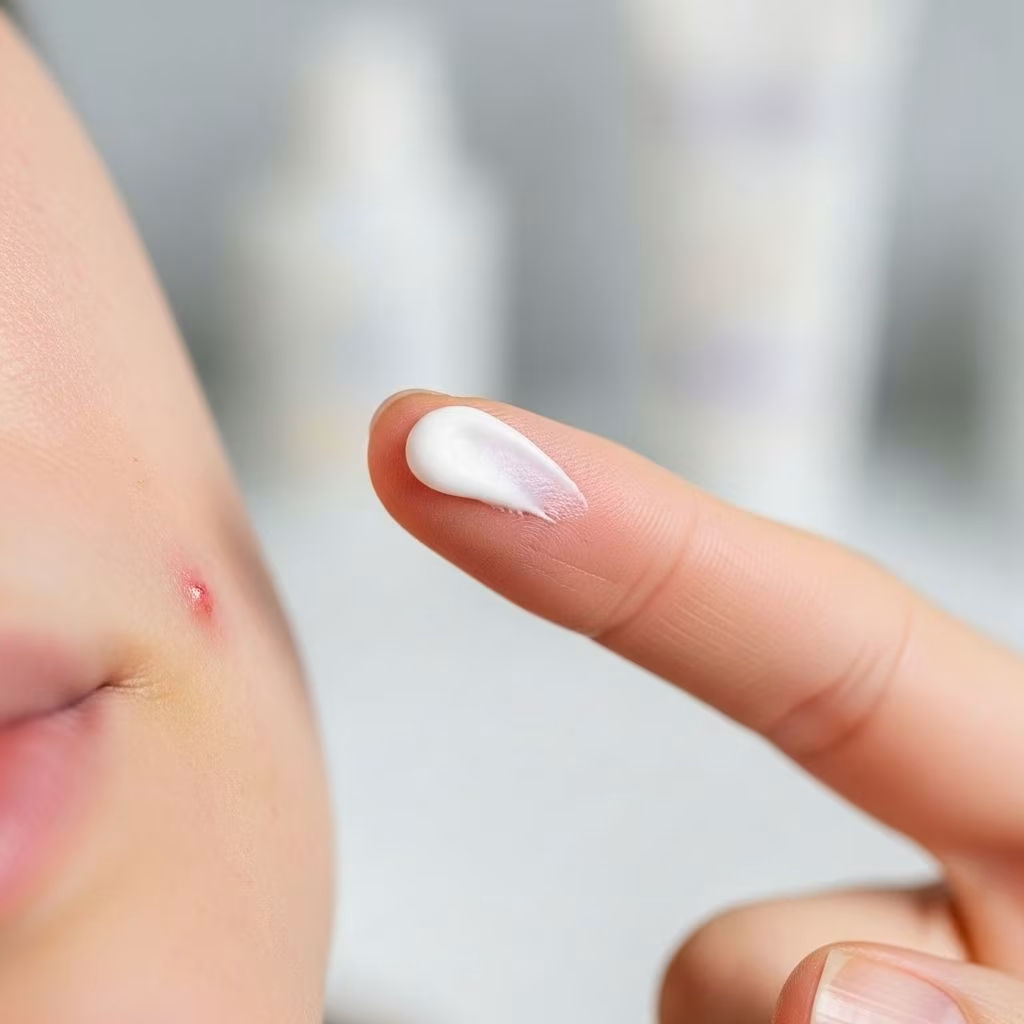
Zinc oxide has emerged as a highly valued ingredient in targeted acne treatments, valued for its antibacterial, anti-inflammatory, and oil-regulating properties. This comprehensive article delves into the science, clinical evidence, application methods, and practical benefits of zinc oxide in the management of acne lesions.
Introduction
Acne vulgaris is one of the most prevalent dermatological conditions globally, with the majority of adolescents and many adults experiencing it at some stage. Spot treatments are popular for providing fast relief on visible lesions, and zinc oxide — a historically established and now scientifically recognized mineral — is increasingly lauded for its benefits when used as a targeted acne spot corrector.
Zinc Oxide: Scientific Background and Dermatological Role
Zinc oxide is an inorganic compound composed of zinc and oxygen. Its use in dermatology spans centuries, initially providing broad benefits as a soothing and protective agent. In contemporary skin care, zinc oxide features predominantly in sunblocks, diaper creams, and, crucially, acne spot treatments. Its reputation as a skin protectant arises from its:
- Low risk of systemic absorption
- Broad antibacterial effects
- Ability to modulate skin inflammation
- Role as a sebum regulator in oily and acne-prone skin
Modern formulations of zinc oxide, frequently combined with other active ingredients, target not just symptom relief but underlying causes of acne, including bacterial colonization, inflammation, and impaired skin barrier function.
Mechanism of Zinc Oxide in Acne Spot Treatment
The acne-modulating capabilities of zinc oxide stem from several important mechanisms:
- Anti-inflammatory action: Zinc oxide inhibits the production of pro-inflammatory mediators in skin, thus reducing redness, swelling, and discomfort in inflamed acne lesions.
- Antibacterial effects: It suppresses the growth of Cutibacterium acnes (formerly P. acnes), the bacteria implicated in acne pathogenesis. By reducing bacterial load, zinc oxide diminishes lesion count and severity.
- Sebum regulation: By modulating sebaceous gland activity, zinc oxide helps reduce oiliness, thereby limiting the substrate available for bacterial proliferation and clogging of pores.
- Promotion of skin healing: It enhances re-epithelialization and fortifies the skin barrier, accelerating the resolution of post-acne marks and reducing the likelihood of scarring.
- Barrier protection: The layer of zinc oxide on the skin acts as a shield against external irritants and pollutants, allowing lesions to heal undisturbed.
Clinical Evidence and Effectiveness of Topical Zinc Oxide
Several clinical studies have evaluated zinc’s effectiveness in acne management:
- Topical oatmeal and zinc-based formulations demonstrated superiority or parity with antibiotics like erythromycin and tetracycline in reducing lesion count and severity.
- Spot treatments containing 1-5% zinc oxide shrink pimples, reduce redness, and cut down the number of pustules in clinical and real-world settings.
- While oral zinc supplementation can address severe or resistant acne, topical zinc oxide is best suited for mild to moderate acne lesions, especially inflammatory papules and pustules.
- Onset of visible results may take 2–4 weeks with consistent spot application.
Many dermatologists recommend the use of zinc oxide in combination with other agents (such as niacinamide or sulfur) to maximize results while minimizing irritation often seen with harsher treatments.
Benefits of Using Zinc Oxide for Acne
- Targeted anti-inflammatory action on active lesions reduces swelling and redness rapidly.
- Effective drying of whiteheads and pimples, speeding up the healing process.
- Lower risk of bacterial resistance compared to topical or systemic antibiotics.
- Helps maintain skin barrier integrity, potentially minimizing irritation compared to retinoids or benzoyl peroxide.
- Prevention of future breakouts by limiting proliferation of acne-causing bacteria and rebalancing the skin.
- Reduced risk of post-inflammatory hyperpigmentation due to decreased lesion severity and faster resolution.
Types of Acne Treated by Zinc Oxide
Not all forms of acne respond equally well to topical zinc oxide spot treatments. The main beneficiaries include:
| Type of Acne | Likely Benefit from Zinc Oxide Spot Treatment |
|---|---|
| Mild comedonal acne (blackheads, whiteheads) | Moderate benefit due to oil regulation and mild anti-inflammatory action |
| Inflammatory papules and pustules | High benefit; reduced size, redness, and healing time |
| Hormonal acne (fluctuations) | Some benefit, especially by regulating sebum and inflammation |
| Severe nodules and cysts | Low to moderate benefit; topical zinc is often insufficient alone |
For cystic or nodular acne, dermatologists may recommend combining topical zinc oxide with systemic treatments for optimal outcomes.
How to Use Zinc Oxide for Spot Treatment
To maximize safety and efficacy, follow these application guidelines:
- Cleanse skin thoroughly with a gentle cleanser and pat dry.
- Using a sterile applicator (e.g., cotton swab or clean fingertip), dab a thin layer of the zinc oxide product directly onto the acne lesion.
- Let the product dry fully before layering other skin care or makeup.
- Apply once or twice daily, ideally after morning and evening facial cleansing.
- Monitor for signs of irritation; if stinging, burning, or excessive dryness develops, reduce frequency or discontinue use.
- Results are optimized when used regularly for at least 4 weeks.
Pro Tip: Zinc oxide spot treatments can be safely combined with retinoids or benzoyl peroxide. However, consult a dermatologist before making significant additions to your regimen.
Best Practices and Product Considerations
- Look for spot correctors formulated with 1–5% zinc oxide or zinc gluconate for effective, targeted relief.
- Products may also include synergistic ingredients such as niacinamide (for additional anti-inflammatory effects), sulfur (for oil control), or salicylic acid (to unclog pores). These combinations can potentiate effectiveness.
- Opt for non-comedogenic and fragrance-free formulations, particularly if you have sensitive or acne-prone skin.
- Patch test spot treatments on a small area before widespread use to rule out allergic reactions.
- Consistency trumps overuse: More frequent application does not guarantee faster results and can trigger irritation.
Potential Side Effects and Safety Precautions
Zinc oxide is generally well tolerated and considered low risk. Potential side effects are rare but can include:
- Mild irritation, redness, or dryness with excessive use
- Allergic dermatitis (rare, usually due to other ingredients present in the formula)
- Temporary white residue or chalkiness, especially in tinted formulations
Discontinue use if significant discomfort arises. If you have extremely sensitive skin or are using prescription acne medications, consult your dermatologist before adding zinc oxide spot treatments.
Zinc Oxide vs. Other Acne Treatments
| Treatment | Mechanism | Effectiveness for Acne | Side Effects |
|---|---|---|---|
| Zinc oxide (topical) | Antibacterial, anti-inflammatory, sebum-regulating | Moderate (best for mild-moderate, inflammatory acne) | Low; occasional dryness or redness |
| Benzoyl peroxide | Antibacterial, keratolytic | High for most acne types | Dryness, irritation, bleaching of fabrics |
| Topical retinoids | Promotes cell turnover | High for comedonal and inflammatory acne | Dryness, peeling, photosensitivity |
| Oral antibiotics | Reduces bacteria and inflammation | High for moderate-severe acne | Gut disruption, bacterial resistance |
| Salicylic acid | Unclogs pores, exfoliates | Moderate for comedones, mild for inflammatory | Stinging, peeling in sensitive skin |
Zinc oxide is ideal for individuals seeking gentle, low-irritation interventions, especially for spot treating minor flare-ups.
Frequently Asked Questions (FAQs)
Q: Can zinc oxide spot treatments be used on all skin types?
A: Yes, zinc oxide’s low irritation profile makes it suitable for most skin types, including sensitive and oily-prone skin. Patch testing is recommended for very sensitive users.
Q: How long does it take to see visible results?
A: Consistent use for 2–4 weeks is generally required to observe improvements in redness, swelling, and size of acne lesions. Some users notice reduction in pimple size within 48 hours of spot application.
Q: Is zinc oxide effective for severe or cystic acne?
A: Topical zinc oxide is less effective as a primary therapy for severe cystic or nodular acne. In such cases, consult a dermatologist for prescription treatments, which may include oral medications or in-office procedures.
Q: Can zinc oxide prevent future breakouts?
A: Regular application can help maintain a balanced skin environment and suppress bacterial proliferation, reducing the frequency of new blemishes. However, robust, multifactorial prevention often requires complementary lifestyle and skincare measures.
Q: Are there any ingredients to avoid when using zinc oxide spot treatments?
A: Avoid combining zinc oxide with highly acidic products (like strong exfoliants) unless advised by a dermatologist. Excessive layering of irritants can compromise skin barrier health.
Conclusion
Zinc oxide serves as a versatile, accessible, and science-backed solution for acne spot treatment. Its unique combination of antibacterial, anti-inflammatory, and sebum-blocking properties specifically benefits mild to moderate inflammatory acne when used consistently and as directed. While it is not a substitute for prescription therapies in severe or cystic acne, it offers an excellent first-line or adjunctive option in most cases, promoting skin clarity without the high risk of irritation or resistance.
Always consult a skincare professional for personalized recommendations, especially when integrating new products into your regimen or addressing persistent acne concerns.
References
- https://www.thepinkfoundry.com/blogs/news/zinc-for-acne
- https://pmc.ncbi.nlm.nih.gov/articles/PMC4120804/
- https://www.healthline.com/health/beauty-skin-care/zinc-for-acne
- https://www.drcrazybeauty.com/blogs/everything-acne/the-surprising-benefits-of-zinc-oxide-in-acne-management
- https://www.mdacne.com/article/hidden-danger-of-acne-spot-treatments


