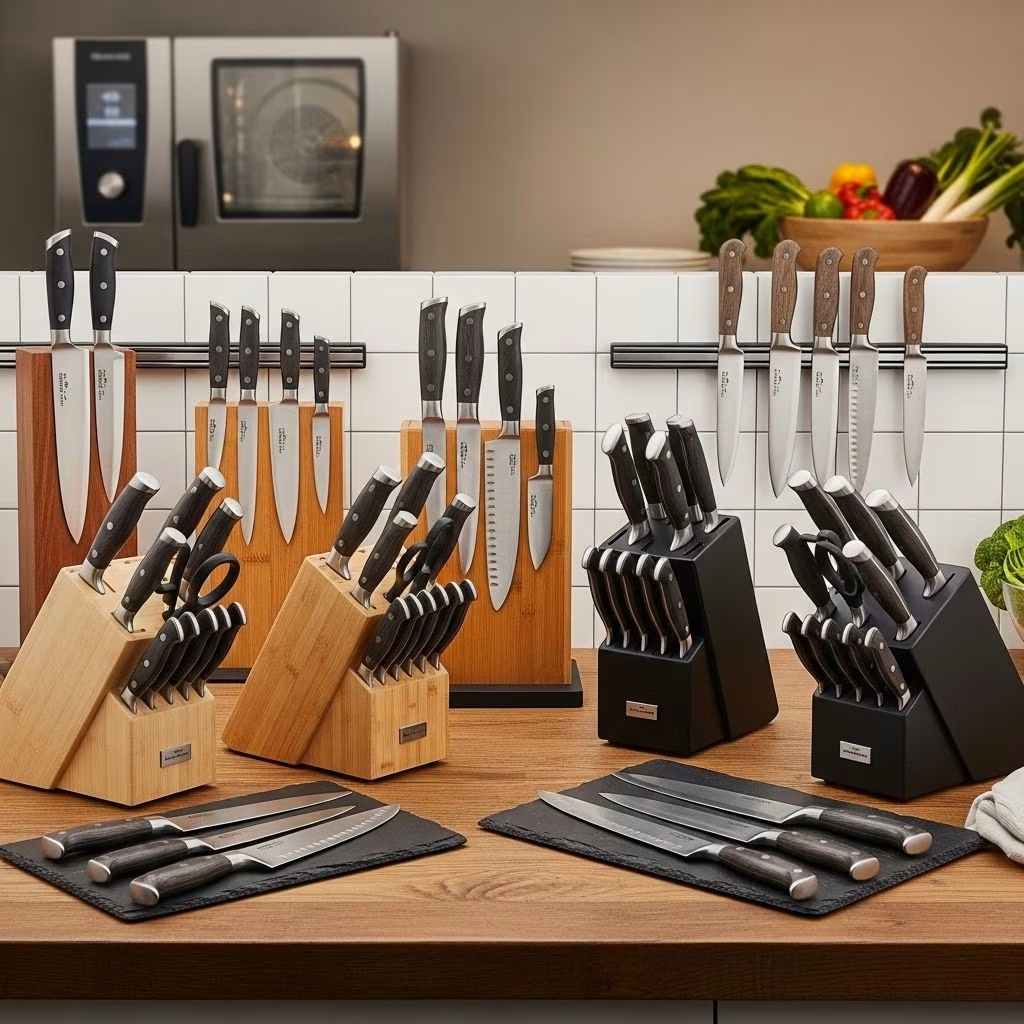
Every serious home cook knows that quality knives are the foundation of any well-equipped kitchen. Whether you’re a culinary enthusiast just starting out or a seasoned chef looking to upgrade your tools, investing in a proper knife set can transform your cooking experience. Amazon offers an extensive selection of knife sets ranging from budget-friendly options to professional-grade collections that rival specialty kitchen stores.
Finding the right knife set involves balancing quality, functionality, and value. With countless options available, understanding what makes a knife set worth your investment is crucial. This comprehensive guide examines the best knife sets available on Amazon, helping you navigate through materials, construction methods, essential pieces, and brand reputations to make an informed decision that suits your specific needs and budget.
Why Invest in a Quality Knife Set
A quality knife set is more than just a collection of sharp blades—it’s an investment in your cooking efficiency, safety, and culinary creativity. Professional chefs understand that proper tools make all the difference between laborious meal preparation and enjoyable cooking experiences. When you work with sharp, well-balanced knives designed for specific tasks, you’ll notice immediate improvements in precision, speed, and control.
Quality knife sets offer several advantages over purchasing individual knives or settling for cheap alternatives. First, buying a set typically provides better value than acquiring knives separately, especially when factoring in storage solutions like knife blocks or magnetic strips. Second, having a complete range of specialized knives ensures you’re prepared for any culinary task, from delicate herb mincing to breaking down whole chickens. Third, sets from reputable manufacturers maintain consistency in design, balance, and quality across all pieces, creating a cohesive kitchen toolkit.
Safety is another compelling reason to invest in quality knives. Contrary to popular belief, sharp knives are significantly safer than dull ones. A sharp blade cuts cleanly through food with minimal pressure, reducing the risk of slipping and causing injury. Dull knives require excessive force, increasing the likelihood of accidents when the blade suddenly breaks through or slides off the surface. Quality knife sets come sharp from the factory and maintain their edge longer, ensuring safer food preparation for years to come.
Essential Knives Every Set Should Include
While comprehensive knife sets might contain eight to fifteen pieces, only a handful are truly essential for everyday cooking. Understanding which knives you’ll actually use helps you evaluate whether a set offers genuine value or simply includes filler pieces to justify a higher price point.
Chef’s Knife: The workhorse of any kitchen, typically ranging from 8 to 10 inches in length. This versatile blade handles approximately 90 percent of your cutting tasks, from chopping vegetables to slicing meat. A quality chef’s knife features a curved blade that allows for a rocking motion, making repetitive chopping more efficient and less tiring.
Paring Knife: This small, 3 to 4-inch blade excels at detailed work like peeling fruits, deveining shrimp, and trimming vegetables. Its compact size provides excellent control for intricate tasks that would be awkward with larger knives. Despite its diminutive size, a sharp paring knife is indispensable for precision work.
Serrated Bread Knife: Featuring a long blade with a saw-like edge, typically 8 to 10 inches, the bread knife slices through crusty loaves without crushing the soft interior. Beyond bread, this knife handles tomatoes, citrus fruits, and delicate pastries with ease. The serrated edge maintains its cutting ability longer than straight-edged knives when used on appropriate foods.
Utility Knife: Bridging the gap between chef’s and paring knives, the 5 to 7-inch utility knife tackles medium-sized tasks. It’s perfect for slicing sandwiches, cutting smaller vegetables, and other jobs where a chef’s knife feels too large but a paring knife lacks sufficient length.
Understanding Knife Construction and Materials
The quality and performance of kitchen knives depend heavily on their construction methods and materials. Understanding these factors helps you distinguish between genuinely superior products and marketing hype.
Forged versus Stamped Knives: Forged knives are created by heating steel and hammering it into shape, resulting in stronger, heavier blades with better balance. These knives typically feature a bolster—the thick junction between blade and handle—which adds weight, improves balance, and protects your fingers. Stamped knives are cut from flat sheets of steel, making them lighter and more affordable. While stamped knives have improved significantly in recent years, forged knives generally maintain their edge longer and offer superior durability.
Blade Materials: Most kitchen knives use either high-carbon stainless steel or carbon steel. High-carbon stainless steel combines the edge retention and sharpness of carbon steel with the corrosion resistance of stainless steel, making it the preferred choice for home cooks. Pure carbon steel takes an incredibly sharp edge and maintains it well but requires more maintenance to prevent rust and discoloration. Some premium sets feature Damascus steel, which layers different steel types to create distinctive patterns while offering excellent performance.
Tang Construction: The tang is the portion of the blade that extends into the handle. Full-tang knives, where the blade extends completely through the handle with visible steel on both sides, offer superior balance, durability, and control. Partial-tang knives cost less but may feel less balanced and prove less durable over time. For knives you’ll use frequently, full-tang construction is worth the investment.
Top Knife Sets Available on Amazon
Amazon’s vast selection includes knife sets for every budget and preference. These top-rated options have earned their reputation through consistent performance, quality construction, and satisfied customer reviews.
Wüsthof Classic 7-Piece Knife Block Set: German engineering meets exceptional craftsmanship in this premium set. Wüsthof’s precision-forged blades use high-carbon stainless steel hardened to 58 Rockwell, ensuring excellent edge retention. The set includes an 8-inch chef’s knife, 8-inch bread knife, 6-inch utility knife, 3.5-inch paring knife, kitchen shears, honing steel, and a solid wood block. Each knife features a full tang and triple-riveted handle for perfect balance. While representing a significant investment, this set delivers professional-grade performance that justifies its premium price.
Zwilling J.A. Henckels Professional S Knife Block Set: Another German powerhouse, Zwilling offers exceptional quality at a slightly lower price point than Wüsthof. This comprehensive set includes essential knives forged from proprietary formula steel, ice-hardened for durability. The ergonomic handles provide comfortable grip during extended use, while the included hardwood block keeps knives organized and protected. Zwilling knives consistently receive praise for maintaining their factory sharpness through years of regular use.
Victorinox Fibrox Pro Knife Set: For those seeking professional quality without the premium price, Victorinox delivers exceptional value. These Swiss-made knives feature high-carbon stainless steel blades that rival more expensive competitors in performance. The ergonomic Fibrox handles provide secure grip even when wet, though they lack the aesthetic appeal of wooden or synthetic handles found on luxury sets. Professional kitchens worldwide trust Victorinox, making this set an intelligent choice for serious home cooks on a budget.
Cuisinart Classic 15-Piece Knife Set: Perfect for those furnishing their first kitchen or seeking a comprehensive collection at an accessible price, this Cuisinart set includes everything needed for complete meal preparation. While the stamped blades don’t match the longevity of forged knives, they arrive impressively sharp and handle everyday tasks admirably. The set’s variety ensures you’ll have the right tool for any job, and the included knife block with built-in sharpener adds practical value.
Shun Classic 3-Piece Starter Set: For knife enthusiasts willing to invest in fewer, higher-quality pieces, Shun’s Japanese-crafted knives represent the pinnacle of kitchen cutlery. Each blade features a Damascus-clad core of VG-MAX steel, creating stunning patterns while delivering razor-sharp edges. The D-shaped Pakkawood handles provide comfortable grip and elegant aesthetics. Though expensive, Shun knives transform cooking into an artisanal experience.
Comparing Knife Set Features and Value
| Knife Set | Number of Pieces | Construction Type | Steel Type | Price Range | Best For |
|---|---|---|---|---|---|
| Wüsthof Classic | 7-Piece | Forged | High-Carbon Stainless | $$$ | Professional quality seekers |
| Zwilling Professional S | Varies | Forged | Proprietary Formula | $$$ | Long-term investment |
| Victorinox Fibrox | Varies | Stamped | High-Carbon Stainless | $$ | Budget-conscious professionals |
| Cuisinart Classic | 15-Piece | Stamped | Stainless Steel | $ | First-time buyers |
| Shun Classic | 3-Piece | Forged | VG-MAX Damascus | $$$$ | Culinary enthusiasts |
Maintaining Your Knife Set for Longevity
Purchasing quality knives is only the first step; proper maintenance ensures they remain sharp, safe, and functional for decades. Implementing a regular care routine protects your investment and enhances your cooking experience.
Proper Cleaning Techniques: Always hand-wash knives immediately after use with warm water and mild dish soap. Dishwashers expose knives to harsh detergents, extreme temperatures, and jostling that dulls edges and damages handles. After washing, dry knives thoroughly with a soft towel to prevent water spots and potential rust on carbon steel blades. Never leave knives soaking in water, as prolonged exposure can loosen handles and promote corrosion.
Storage Solutions: How you store knives significantly impacts their longevity and safety. Knife blocks protect edges from damage while keeping blades organized and accessible. Magnetic knife strips mounted on walls save counter space and display your collection beautifully while preventing blade-to-blade contact. In-drawer knife trays with individual slots work well for kitchens with limited counter space. Avoid tossing knives loosely in drawers, which dulls edges and creates safety hazards.
Regular Honing: Many people confuse honing with sharpening, but they serve different purposes. Honing realigns the knife’s edge without removing metal, maintaining sharpness between true sharpenings. Use a honing steel before each cooking session, running the blade along the rod at a 15-20 degree angle in smooth, consistent strokes. This simple practice extends the time between professional sharpenings and keeps your knives performing optimally.
Professional Sharpening: Despite regular honing, knives eventually need proper sharpening to restore their edge. Professional sharpening services grind away metal to create a new edge, typically needed once or twice annually depending on usage. Alternatively, quality whetstones allow you to sharpen knives at home, though mastering the technique requires practice. Electric sharpeners offer convenience but remove more metal than necessary and may shorten knife lifespan.
What to Avoid When Buying Knife Sets
Understanding potential pitfalls helps you avoid disappointing purchases and ensures your money goes toward knives you’ll actually use.
Sets with Excessive Pieces: Many manufacturers pad their sets with seldom-used specialty knives to justify higher prices. Before buying a 20-piece set, honestly assess which knives you’ll use regularly. A focused 7-piece set containing essentials often provides better value than a larger collection where half the knives remain unused.
Extremely Low Prices: While budget-friendly options exist, deeply discounted knife sets often sacrifice quality in materials and construction. These knives dull quickly, feel unbalanced, and may pose safety risks due to poor handle attachment. Investing slightly more in a reputable brand pays dividends in performance and longevity.
Misleading Marketing Claims: Be skeptical of phrases like “never needs sharpening” or “stays sharp forever.” All knives require eventual sharpening regardless of quality. Similarly, “surgical steel” is a marketing term without standardized meaning. Focus on verifiable specifications like Rockwell hardness, steel composition, and construction method rather than promotional language.
Inappropriate Storage Included: Some sets come with blocks that don’t properly fit the knives, requiring you to force blades into slots or leaving them loosely rattling. Others include blocks that occupy excessive counter space without offering convenient access. Evaluate whether the included storage genuinely serves your kitchen layout and needs.
Budget Considerations and Value Assessment
Determining how much to spend on a knife set depends on your cooking frequency, skill level, and financial circumstances. Understanding different price tiers helps you make an appropriate investment.
Entry-Level Sets ($50-$150): These affordable options suit occasional cooks, college students, or those furnishing a first kitchen. While lacking the refinement of premium knives, quality entry-level sets from brands like Cuisinart or Amazon Basics provide adequate performance for basic meal preparation. Expect stamped construction, lighter weight, and more frequent sharpening needs.
Mid-Range Sets ($150-$400): This category offers the best value for serious home cooks. Brands like Victorinox, Mercer, and some Zwilling lines deliver professional-quality performance at accessible prices. These sets typically feature high-carbon stainless steel, better edge retention, and comfortable handling that makes cooking more enjoyable. The quality difference from entry-level options is immediately noticeable.
Premium Sets ($400-$800+): High-end sets from Wüsthof, Zwilling, Shun, and Global represent lifetime investments for passionate cooks. These knives feature superior materials, meticulous craftsmanship, and exceptional balance. The performance difference compared to mid-range knives is subtle but appreciable, especially during extended cooking sessions. Premium sets make sense if you cook frequently and appreciate fine tools.
Special Features Worth Considering
Beyond basic construction quality, certain features can enhance your knife set’s functionality and convenience.
Self-Sharpening Blocks: Some knife blocks incorporate built-in sharpeners that automatically hone blades each time you insert or remove them. While convenient, these mechanisms vary in quality. Better versions effectively maintain edges, while cheaper implementations may damage knives or provide inadequate sharpening. Research specific models to determine whether this feature adds genuine value.
Ergonomic Handle Designs: Handles significantly impact comfort during extended use. Contoured designs that accommodate natural hand positions reduce fatigue and improve control. Materials matter too—Pakkawood offers beauty and grip, while textured synthetic handles provide secure grip when wet. Try holding knives if possible to assess comfort before purchasing.
Protective Blade Guards: For sets without blocks, individual blade guards protect edges during drawer storage and prevent accidental cuts when reaching for utensils. These inexpensive additions extend knife life and improve kitchen safety, making them worthwhile considerations for block-free storage solutions.
Making Your Final Decision
Selecting the perfect knife set requires balancing multiple factors including budget, cooking habits, quality expectations, and storage capabilities. Start by identifying which knives you’ll genuinely use regularly—most cooks need only four or five essential pieces. Consider your cooking frequency and skill level; passionate cooks who prepare meals daily justify higher investments than occasional weekend cooks.
Read verified customer reviews on Amazon to understand real-world performance and durability. Pay attention to comments about how knives hold their edge, whether handles remain secure over time, and if the manufacturer honors warranties. Look for patterns in feedback rather than isolated complaints or praise.
Consider the warranty and customer service reputation of different brands. Established knife manufacturers typically stand behind their products with lifetime warranties or extensive guarantee periods, providing peace of mind with your investment. Companies that readily replace defective products or address customer concerns demonstrate commitment to quality and satisfaction.
Think about your kitchen’s aesthetic and how different knife sets complement your space. While performance matters most, beautiful knives displayed on a counter or magnetic strip can enhance your kitchen’s ambiance and inspire culinary creativity. Some cooks prefer the classic look of wooden handles and traditional German styling, while others gravitate toward the sleek minimalism of Japanese designs.
Frequently Asked Questions
Q: How often should I sharpen my kitchen knives?
A: With regular honing, most home cooks need professional sharpening only once or twice per year. Frequency depends on usage intensity and honing consistency. If your knife struggles to cut tomato skin or requires excessive pressure for basic tasks, it’s time for sharpening.
Q: Are expensive knife sets really worth the investment?
A: For frequent cooks who appreciate quality tools, premium knife sets offer tangible benefits including better edge retention, superior balance, and enhanced durability. However, excellent mid-range options provide professional-quality performance at more accessible prices, making them better value for many home cooks.
Q: What’s the difference between German and Japanese knife styles?
A: German knives typically feature heavier construction, curved blades for rocking cuts, and bolsters for finger protection. Japanese knives are lighter, have straighter edges for precise slicing, and use harder steel that holds sharper edges but requires more careful handling. Both styles excel when properly maintained.
Q: Can I put my knives in the dishwasher?
A: No, dishwashers expose knives to conditions that dull edges, loosen handles, and potentially cause rust. Always hand-wash knives with mild soap and warm water, then dry immediately with a soft cloth to maintain optimal condition.
Q: How do I know if a knife set is good quality?
A: Quality indicators include full-tang construction, high-carbon stainless steel blades, comfortable ergonomic handles, appropriate weight and balance, and positive reviews from verified purchasers. Reputable brands like Wüsthof, Zwilling, Victorinox, and Shun consistently deliver quality products.
Q: Do I need a knife block or are there better storage options?
A: Knife blocks offer convenient countertop storage and protection but occupy significant space. Magnetic wall strips save counter space and display knives attractively. In-drawer organizers work well for minimalist kitchens. Choose storage that suits your kitchen layout, counter space availability, and aesthetic preferences.
Q: What’s the most important knife to have in my kitchen?
A: The chef’s knife is the most versatile and essential kitchen tool, handling approximately 90 percent of cutting tasks. An 8-inch chef’s knife suits most home cooks, while those with smaller hands may prefer a 6-inch version. Invest in the best chef’s knife your budget allows before expanding your collection.