How to Clean a Pizza Stone: Expert Maintenance, Best Practices, and FAQs
A pizza stone is an essential baking tool favored by home cooks and pizza enthusiasts for its ability to produce restaurant-quality crust with every batch. Whether you use your pizza stone occasionally for special meals or it’s a regular companion in your kitchen, proper cleaning is crucial for its longevity, food safety, and optimal performance. This comprehensive guide covers every aspect of cleaning a pizza stone—why method matters, steps for regular upkeep, how to tackle stains, frequently asked questions, and pro tips for lasting results.
What Is a Pizza Stone?
A pizza stone is a flat, usually round or rectangular, slab made from ceramic, cordierite, or cast iron that sits in your oven to evenly absorb and distribute heat, replicating the intense dry heat found in classic brick pizza ovens. The stone’s porous surface helps wick moisture away from the dough, promoting a crispy, golden crust and consistent bake. Besides pizza, it’s also used for baking artisan breads and other dough-based dishes.
Key Benefits:
- Evenly distributes heat for uniform crust and gentle baking
- Absorbs moisture for crispier food
- Mimics wood-fired oven performance in standard ovens
Common Materials:
- Ceramic: Affordable, efficient, but can break with rapid temperature changes.
- Cordierite: Durable, tolerates high heat and rapid cooling or heating, less likely to fracture.
- Cast Iron: Superior heat retention, resilient, but harder to clean, requires special handling.
Why Does Cleaning Method Matter?
Pizza stones have a porous surface that readily absorbs flavors and moisture. Using the wrong cleaning agents or too much water can lead to unwanted tastes, odors, or cracks. Conventional dish soap or detergents may linger, causing off-flavors in future bakes. Excess water encourages mold and can fracture the stone, especially if not thoroughly dried.
Golden Rules for Pizza Stone Cleaning:
- Avoid soap or chemical cleaners—these can be absorbed by the stone and affect food flavor.
- Minimize water usage—too much water risks cracking the stone and trapping moisture.
- Let the stone cool completely before cleaning—thermal shocks lead to breakage.
Step-by-Step Guide: How to Clean a Pizza Stone
Cleaning your pizza stone after each use prevents buildup and preserves its surface. Below are the recommended steps:
- Let the Stone Cool
Before you begin, allow the stone to cool to room temperature. Cleaning a hot stone invites cracks due to sudden temperature changes.
- Scrape Off Residue
Use a plastic spatula, stone brush, or a pan-safe scouring pad to gently remove excess food and any charred debris. Scrape using a circular motion without pressing too hard to avoid surface scratches. Avoid metal tools, which can leave permanent marks or gouges.
- Wipe With a Damp Cloth
Wipe away loose crumbs and residue using a well-wrung damp cloth or rag. Avoid soaking the stone or submerging it in water—just wipe the surface gently.
- Spot Treat Stains
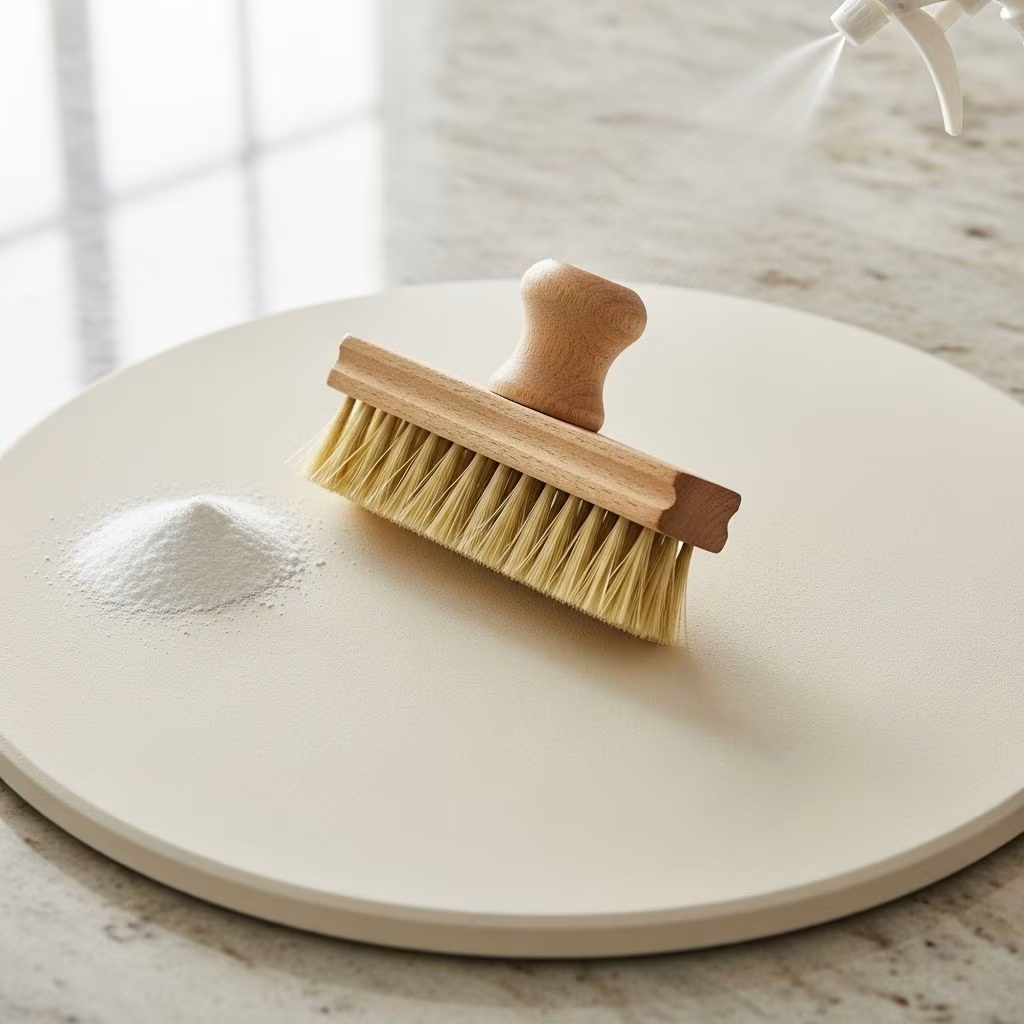
Mix a paste of baking soda and water (typically equal parts) in a small bowl. Apply to stained areas using a soft cloth or brush, working in a gentle circular motion. This targets persistent stains without introducing soap or harsh chemicals.
- Wipe & Dry
After treating stains, wipe the stone again with a damp cloth to remove any baking soda residue.
Let the pizza stone air dry completely before storing it away or placing it back in the oven. Residual moisture can encourage mold or stress fractures.
How to Clean a Stained Pizza Stone
Stains are mostly cosmetic and don’t typically impact the performance of a pizza stone, but some cooks prefer a cleaner-looking surface. For persistent marks:
- Allow the stone to cool before cleaning.
- Scrape off visible food residue.
- Apply a baking soda paste (equal parts water and baking soda).
- Scrub gently with a soft brush, cloth, or medium-grit sandpaper. Avoid abrasive metals that can gouge the surface.
- Wipe down with a damp cloth and let air dry.
If stains remain after several attempts:
- Bake the stone at 500°F (260°C) for 60 minutes. Let it cool and try scraping residue again. This can help burn off organic deposits.
Pizza Stone Cleaning Tips: Dos and Don’ts
| Do | Don’t |
|---|---|
| Let the stone cool before cleaning. | Clean when hot or use thermal shock. |
| Use a plastic spatula or stone brush for scraping. | Use metal abrasives that may scratch or damage. |
| Treat stains with baking soda paste. | Use soap, detergents, or oils that affect flavor. |
| Air dry fully before storage. | Store damp or submerge in water. |
| Bake the stone at high heat for deep cleaning. | Wash frequently (occasional cleaning preserves character). |
Long-Term Care and Storage
- Air drying is critical: Moisture trapped inside the porous stone encourages cracks, mold, or deterioration.
- Store your pizza stone in a dry, ventilated area: Avoid damp cabinets.
- Limit deep cleaning: Frequent use builds a naturally seasoned surface, similar to cast iron.
- Avoid using oil: Oil can lead to smoky residue and sticky build-up at high oven temperatures.
- Handle with care: Pizza stones—especially ceramic—are fragile and can break easily if dropped or exposed to thermal shock.
Expert Tips for Cleaning and Using Pizza Stones
- Be gentle with stain removal: If stains don’t come off, don’t use corrosive or harsh abrasives—these can damage the stone irreversibly.
- Wash sparingly: Your pizza stone benefits from regular use, and its surface naturally develops seasoning that improves your bake, so deep cleaning should be occasional rather than routine.
- Never use soap: Even a small amount may leave a lingering taste for future pizzas and breads.
- Bake off stubborn grime: If you can’t remove residue, bake your stone empty at its highest heat for an hour, then scrape away when cool.
Frequently Asked Questions (FAQs)
Q: Are pizza stone stains harmful?
A: No. Stains are generally cosmetic and do not affect the safety or performance of the stone. They are a natural part of its seasoning process.
Q: Can I use soap to clean my pizza stone?
A: No. The porous surface readily absorbs soap, which will flavor your foods and is difficult to remove—stick with dry scraping and water only if necessary.
Q: How often should I clean my pizza stone?
A: Pizza stones do not require frequent deep cleaning. Light scraping after each use is sufficient; only scrub thoroughly when especially grimy or stained.
Q: What if my pizza stone smells bad?
A: Odors usually occur if soap or excessive moisture has been used. Try baking the stone at high heat for an hour to burn off lingering smells, then let it cool and scrape as needed.
Q: Can I use vinegar or commercial cleaners?
A: No. Avoid vinegar, lemon, or commercial cleaning agents, as they may be absorbed into the stone and interfere with flavor. Baking soda is the safest and most effective choice for stubborn stains.
Q: What should I do if food is burned onto my stone?
A: Scrape off when cooled using a spatula or brush. For persistent residue, apply a baking soda paste or bake at high heat and scrape again afterwards.
Summary Table: Pizza Stone Cleaning Methods
| Cleaning Step | Recommended Tool | Notes |
|---|---|---|
| Cool stone | n/a | Prevent cracking due to thermal shock |
| Scrape residue | Plastic spatula, stone brush | Gentle pressure only—no metal tools |
| Wipe debris | Damp cloth | Use minimal water |
| Treat stains | Baking soda paste, soft brush | Apply paste, scrub, wipe down after |
| Deep clean (optional) | Oven baking | 500°F/260°C for 60 minutes, then cool and scrape again |
Final Thoughts: Enjoy the Benefits of a Well-Maintained Pizza Stone
With thoughtful, gentle cleaning and regular drying, your pizza stone will provide years of exceptional performance—delivering golden crusts and pizza parlor flavor from your own kitchen. By avoiding soap, excess moisture, and harsh abrasives, you safeguard both food quality and your stone’s lifespan. Embrace a bit of seasoning and minor stains; each batch builds character into your stone and ensures memorable meals, time after time.
References
- https://www.webstaurantstore.com/blog/4556/how-to-clean-a-pizza-stone.html
- https://www.masterclass.com/articles/how-to-clean-a-pizza-stone
- https://skotti-grill.com/blogs/how-to/how-to-clean-your-pizza-stone-expert-tips-for-ultimate-pizza-enjoyment
- https://www.gourmetgiftbaskets.com/Blog/post/tips-for-using-a-pizza-stone.aspx