


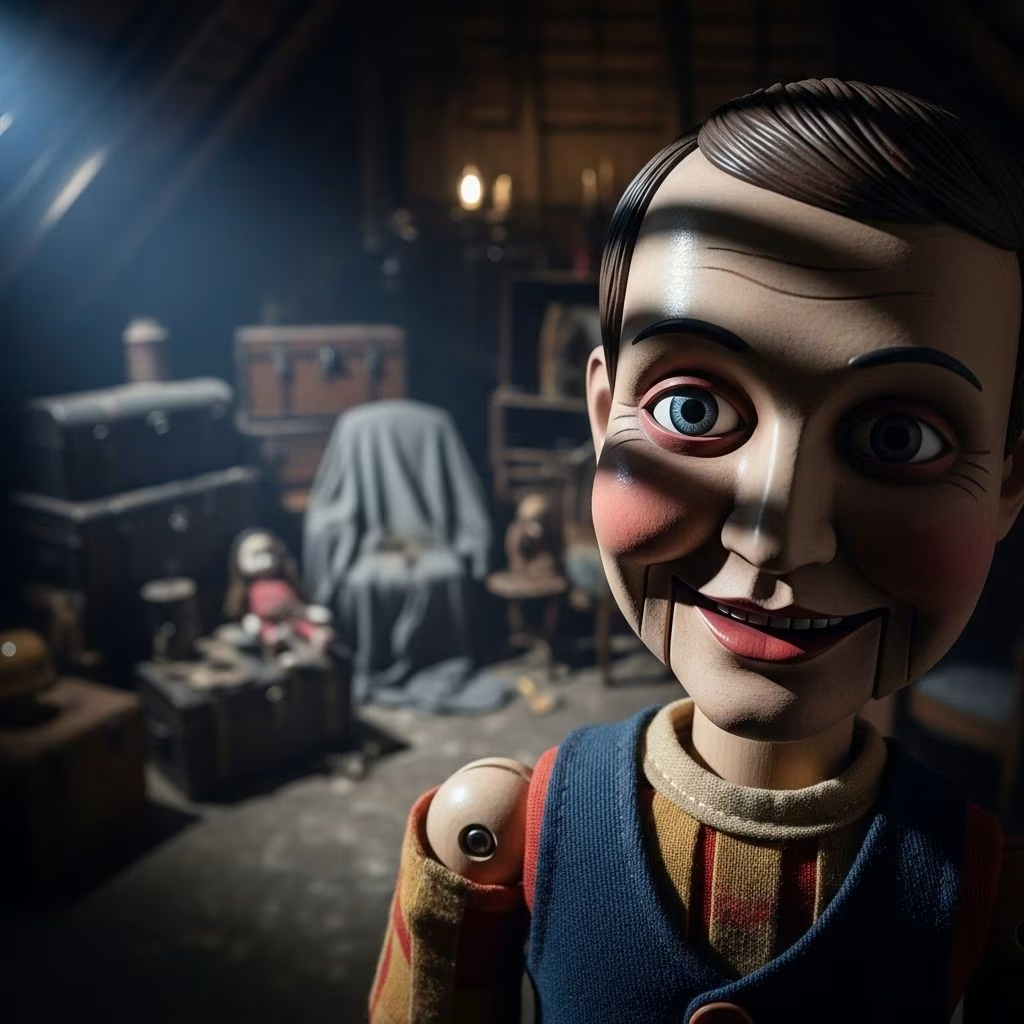
Automatonophobia is a specific phobia characterized by an intense, irrational fear of human-like figures such as wax statues, mannequins, animatronics, robots, and even ventriloquist dummies. For those affected, this fear can cause extreme anxiety and disrupt normal daily functioning. This article will explore the origins, symptoms, diagnostic methods, and the most effective treatment approaches available for managing automatonophobia.
What Is Automatonophobia?
Automatonophobia derives from the Greek words automaton (self-moving object) and phobos (fear). It is classified as a specific phobia—an anxiety disorder marked by excessive, persistent fear triggered by a particular object or situation. Unlike general unease around uncanny or artificial objects, automatonophobia provokes severe and persistent reactions that can interfere with a person’s quality of life.
- Common triggers include mannequins, wax figures, dolls, animatronic characters, robots, and life-sized statues.
- Not limited to children—adults may also experience significant distress due to this phobia.
- People may go to great lengths to avoid locations such as museums, theme parks, or stores where human-like figures are displayed.
Identifying Symptoms of Automatonophobia
The signs of automatonophobia go beyond mere discomfort. Individuals often experience a range of psychological and physical symptoms when exposed to—or even thinking about—their feared objects.
- Psychological symptoms: Intense fear, overwhelming anxiety, panic attacks, dread, and a strong urge to escape the situation.
- Physical symptoms: Rapid heartbeat, shortness of breath, trembling, sweating, nausea, dizziness, dry mouth, and sometimes difficulty speaking.
For some, the anticipation of seeing a human-like figure can be as distressing as the encounter itself. The symptoms’ intensity can vary, ranging from unease to full-blown panic attacks that significantly disrupt normal activities.
Behavioral Manifestations
- Active avoidance of shops, museums, or events featuring mannequins or robots.
- Refusal to watch certain movies, television shows, or visit amusement parks.
- Difficulty explaining their fear to others, leading to potential feelings of isolation or embarrassment.
Common Triggers of Automatonophobia
Triggers for automatonophobia are those objects or scenarios in which a human-like figure is present. These triggers often include:
- Mannequins in clothing stores or window displays
- Wax figures in exhibitions or museums
- Animatronics—robotic figures at theme parks, haunted attractions, or interactive displays
- Ventriloquist dummies
- Certain types of dolls that resemble humans
- Large statues or mascots at promotional events
The fear response can also occur when seeing images, videos, or even imagining these objects in one’s mind.
What Causes Automatonophobia?
The underlying causes of automatonophobia are complex and multifaceted. No single cause can explain all cases, but several contributing factors have been identified by mental health professionals:
- Traumatic experience: A frightening encounter in childhood or adulthood involving human-like figures may serve as a trigger. For example, being startled by an animatronic figure or feeling threatened by a lifelike doll can lay the foundation for future phobic responses.
- Learned behavior: Observing a parent, sibling, or close friend respond with fear to human-like figures can imprint similar reactions in young, impressionable individuals.
- Cultural influences: Cultural portrayals of dolls and mannequins in horror films, television, and folklore often depict these objects as sinister or dangerous, reinforcing negative associations.
- Genetic predisposition: A family history of anxiety disorders or specific phobias can make someone more susceptible to developing automatonophobia.
- Uncanny valley effect: The concept of the ‘uncanny valley’ describes discomfort when viewing objects that are almost—but not quite—human. This psychological response may underlie the development of automatonophobia in some individuals.
Diagnosing Automatonophobia
A diagnosis is usually made by a mental health professional, such as a psychologist or psychiatrist. Automatonophobia is categorized under specific phobias in the Diagnostic and Statistical Manual of Mental Disorders (DSM-5). The diagnostic process involves:
- Careful assessment of symptoms, duration, and impact on daily life
- Rule out other anxiety disorders or psychological conditions
- Exploration of personal history and possible triggering events
The phobia is typically confirmed if the individual:
- Has an excessive, irrational fear of human-like figures that persists for at least six months
- Experiences significant anxiety or panic when exposed to the triggers
- Avoids situations or places that may feature the feared objects, causing disruption in daily activities or social interactions
- Recognizes that their fear is out of proportion to any actual threat
How Common Is Automatonophobia?
Automatonophobia is not as widely studied as other phobias, so its exact prevalence is unclear. Nonetheless, specific phobias affect an estimated 7–9% of people at some point in their lives. Automatonophobia itself is considered rare, but the general anxiety about human-like figures—such as dolls or mannequins—may be more widespread than recognized due to cultural influences.
| Aspect | Details |
|---|---|
| Prevalence of specific phobias | 7–9% of general population |
| Gender differences | More commonly reported among women |
| Typical onset age | Childhood to adolescence, but adult onset is possible |
Treatment Options for Automatonophobia
The good news is that automatonophobia is highly treatable. Several evidence-based treatments have proven effective in helping people manage or overcome their symptoms.
Cognitive Behavioral Therapy (CBT)
Cognitive Behavioral Therapy (CBT) is the cornerstone of specific phobia treatment. It helps individuals:
- Identify and challenge irrational thoughts about human-like figures
- Replace anxious beliefs with more accurate, less threatening interpretations
- Develop practical coping and relaxation techniques
CBT is highly structured and typically produces positive results within a relatively short timeframe.
Exposure Therapy
Often delivered as a component of CBT, exposure therapy gradually introduces the person to the source of their fear in a controlled, safe setting. This can be done through:
- Looking at photos or videos of human-like figures
- Interacting with inanimate figures in gradually increasing proximity
- Using virtual reality technology to create safe environments for exposure
Systematic desensitization—a step-by-step increase in exposure intensity—helps reduce overwhelming anxiety and allows the person to gain confidence in facing their fears.
Eye Movement Desensitization and Reprocessing (EMDR)
EMDR has been used successfully in treating various phobias, including automatonophobia. It combines exposure to anxiety triggers with guided eye movements, helping the brain reprocess traumatic or fearful memories and reduce emotional distress.
Medications
While psychotherapy is the gold standard for specific phobias, medications may be prescribed to help manage severe anxiety or panic symptoms:
- Antidepressants may be used for long-term management
- Benzodiazepines or anti-anxiety medication for short-term or situational relief
- Pharmacological interventions are typically recommended in combination with therapy
Self-Help and Coping Strategies
- Practice relaxation techniques (e.g., deep breathing, progressive muscle relaxation) to manage panic symptoms
- Maintain a support network of friends and family for encouragement and understanding
- Educate yourself about automatonophobia to reduce stigma and increase self-compassion
- Avoidance is not recommended, as it can reinforce the phobia in the long term
When to Seek Help
If automatonophobia is disrupting your routine, career, education, or relationships, professional help is strongly recommended. Effective therapies and support can restore your confidence and ability to engage with the world without the limitations imposed by phobia.
- Seek a mental health professional experienced in treating anxiety disorders or specific phobias
- Early intervention typically leads to better outcomes
Frequently Asked Questions (FAQs)
What is automatonophobia?
Automatonophobia is the irrational and persistent fear of lifelike human figures such as mannequins, wax statues, animatronics, and robots. This phobia can cause significant distress and avoidance behaviors, impacting work, leisure, and social life.
What are common symptoms of automatonophobia?
Symptoms include panic attacks, sweating, trembling, fast heartbeat, shallow breathing, feelings of terror, and an overwhelming desire to flee when seeing or thinking about the triggering figures.
How is automatonophobia diagnosed?
A qualified mental health professional can diagnose automatonophobia by evaluating symptoms, their duration, and their impact on everyday functioning, based on criteria in the DSM-5 for specific phobias.
Is automatonophobia treatable?
Yes. Automatonophobia is highly treatable, with cognitive behavioral therapy, exposure therapy, and sometimes medication being the most effective approaches. EMDR may be helpful in specific cases.
Can medication help treat automatonophobia?
Yes. While not usually the first line of treatment, medications such as antidepressants or anti-anxiety drugs can help reduce symptoms—especially when combined with psychological therapies.
Outlook
With proper therapy and support, most people with automatonophobia experience substantial improvement or complete remission of their symptoms. Early intervention and a willingness to engage with therapeutic techniques enable individuals to regain control over their lives and participate in normal activities without debilitating fear.
Key Takeaways
- Automatonophobia is an irrational fear of human-like figures, impacting daily life and well-being.
- The condition can develop from trauma, learned behavior, genetic factors, or cultural influences.
- CBT and exposure therapy are proven first-line treatments; medications and EMDR may also help many individuals.
- Professional help is recommended if the phobia interferes with daily life.
- Recovery is possible—many people learn to manage or overcome this specific phobia with the right approach.
References
- https://rekindlewellness.com/what-is-automatonophobia/
- https://www.mentesabiertaspsicologia.com/blog-psicologia/automatonophobia-fear-of-dolls-causes-and-treatment
- https://www.unitedwecare.com/automatonophobia/
- https://www.healthline.com/health/anxiety/automatonophobia
- https://www.e-counseling.com/articles/what-is-automatonophobia/
- https://therapy-reviews.com/blog/phobias/automatonophobia-the-causes-diagnosis-symptoms-and-treatment/
- https://prod.cluster.dovemed.com/diseases-conditions/automatonophobia
- https://www.fearof.net/fear-human-like-figures-phobia-automatonophobia/
- https://thehauntedpen.com/2018/08/07/the-dread-files-automatonophobia/


