


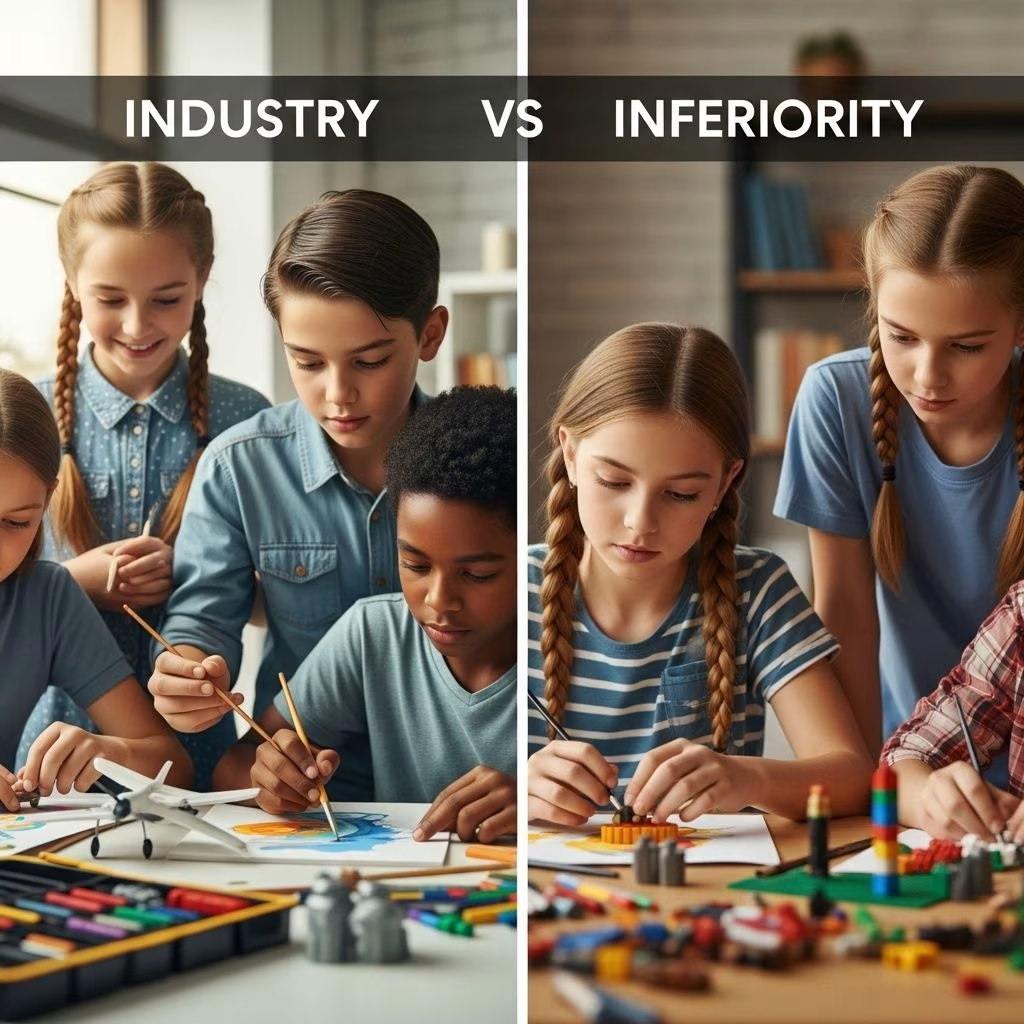
The transition from early childhood to middle childhood brings a major psychological crossroads. According to developmental psychologist Erik Erikson, children between ages 6 and 12 face the critical task of building a sense of industry—or risk falling into feelings of inferiority. This stage lays the groundwork for how a child views their own skills, self-worth, and potential for lifelong achievement.
Understanding Erikson’s Industry vs. Inferiority Stage
Erik Erikson’s theory of psychosocial development outlines eight stages, each marked by a specific psychological conflict. The Industry vs. Inferiority stage is the fourth in his model and corresponds with the early school years, roughly ages 6 to 12.
- Industry refers to a child’s impulse to be productive, take initiative, and develop new skills.
- Inferiority emerges if children repeatedly experience failure, criticism, or lack opportunities for success—leading them to doubt their abilities.
This stage centers on competence: children compare themselves to peers and seek approval from teachers, parents, and classmates. Positive reinforcement and opportunities to develop competence help a child feel industrious and confident. Repeated setbacks, neglect, or negative feedback, in contrast, can foster lasting insecurity and reluctance to engage in challenges.
Key Features and Age Range
| Stage | Approximate Age | Main Conflict | Core Virtue | Central Setting |
|---|---|---|---|---|
| Industry vs. Inferiority | 6–12 years | Productivity vs. feelings of inadequacy | Competence | School, Home, Peer Groups |
During this critical period, children enter formal schooling, expand their social networks, and are regularly required to demonstrate their skills. The psychological stakes are high, since success or failure will profoundly shape mindset and future growth.
The Dynamics: Industry vs. Inferiority Explained
What Is Industry?
Industry means a child is growing confident in their ability to achieve, solve problems, and be productive. It reflects not just talent, but also willingness to work hard, demonstrate effort, and take pride in accomplishments.
- Motivated to complete new tasks
- Actively seeks feedback and thrives on encouragement
- Competes or collaborates with peers in productive activities
- Finds satisfaction in learning and self-improvement
Industry is closely linked to building self-esteem and a belief in one’s value as a contributor to the larger world.
What Is Inferiority?
Inferiority, by contrast, is a sense of being less competent—often caused by repeated failure, discouragement, or social comparison. Inferior feelings may stem from:
- Lack of support or opportunities to succeed
- Chronic criticism or negative evaluation
- Struggling to keep up with peers
- Not being given responsibilities suited to the child’s abilities
Persistent inferiority may inhibit achievement and can result in long-term self-doubt or social withdrawal.
Main Influences at This Stage
- School and Teachers: Provide structured feedback, set tasks, and opportunities for mastery.
- Peers: Social comparison accelerates, and friendships begin to play a role in self-assessment.
- Family: Continued encouragement and recognition from parents and guardians remain formative.
How adults and communities nurture or undermine growing competence powerfully predicts whether a child feels industrious or inferior.
Possible Outcomes of This Stage
| Positive Resolution | Negative Resolution |
|---|---|
|
|
How Industry and Inferiority Are Expressed
Examples of Industry
- A child who completes a science project and receives praise from a teacher feels encouraged and motivated to try more challenging tasks.
- Learning to read fluently, play an instrument, or participate in a team sport and receiving recognition for effort.
- Volunteering to help with class responsibilities and feeling useful.
Examples of Inferiority
- Repeatedly struggling in class without support or targeted help, leading to withdrawal or misbehavior.
- A child who is harshly compared to siblings or classmates and internalizes those comparisons negatively.
- Constant criticism for mistakes, causing avoidance of new challenges.
Factors Affecting Industry or Inferiority
- Parental Involvement: Children whose parents provide consistent encouragement and realistic praise tend to develop industry.
- Teacher Attitude: Supportive, attentive teachers foster competence; punitive or inattentive environments breed inferiority.
- Opportunities for Mastery: Access to varied activities to cultivate different skills helps children see their strengths and areas for growth.
- Peer Relationships: Friendships and healthy competition bolster confidence—while bullying or exclusion can increase feelings of inadequacy.
Long-Term Impact of This Stage
The outcomes of the Industry vs. Inferiority stage extend beyond childhood. A strong sense of competence contributes to:
- Resilience and adaptability in face of challenges
- Effective problem-solving and collaboration in later life
- Solid self-esteem and interpersonal skills
Conversely, unresolved inferiority can manifest as chronic anxiety, avoidance of achievement, or difficulty forming healthy social bonds.
Support Strategies: How to Foster Industry
- Provide realistic, specific, and positive feedback for effort and improvement.
- Offer a variety of activities—academic, artistic, athletic—to uncover and nurture different talents.
- Encourage goal-setting and reward persistence as much as achievement.
- Model healthy responses to setbacks, showing that mistakes are opportunities to learn.
- Create inclusive, supportive environments at home and school to prevent negative social comparison.
Empowering children to contribute, set goals, and see value in their work helps them internalize industry and face future developmental stages with confidence.
Critiques and Strengths of Erikson’s Theory
Strengths:
- Emphasizes the social and environmental context of child development rather than only internal psychological processes.
- Accounts for how self-concept and self-esteem are built over time through meaningful tasks and relationships.
Critiques:
- Stages may not be strictly age-bound for all children, given differences in maturity and context.
- Cultural and socioeconomic factors can significantly influence how children experience industry or inferiority.
- Less emphasis on neurodiversity or children with learning differences who may struggle for reasons beyond environment or support.
Frequently Asked Questions (FAQs)
What age does the Industry vs. Inferiority stage begin and end?
The Industry vs. Inferiority stage usually occurs from ages 6 to 12, during elementary school years, but the exact years can vary depending on individual and cultural differences.
What happens if a child fails to develop industry?
If a child does not develop a sense of industry—feeling productive and competent—they may experience ongoing feelings of inferiority that negatively impact motivation, academic performance, and social confidence.
How can parents and teachers help children develop industry?
By providing supportive feedback, encouraging exploration of new skills, modeling persistence, and celebrating both effort and achievement, parents and teachers create environments that nurture competence and resilience.
Is it possible to overcome feelings of inferiority later in life?
While early experiences during this stage have a strong influence, with guidance, therapy, and positive environments, individuals can gradually build confidence and change long-standing negative self-perceptions.
Does Erikson’s theory account for cultural or educational differences?
Erikson’s stage model provides a broad framework, but critics note that the timing, significance, and experience of each stage are shaped by cultural and social contexts. Positive support systems remain essential across diverse settings.
Summary Table: Industry vs. Inferiority at a Glance
| Aspect | Description |
|---|---|
| Stage Number | 4th of Erikson’s 8 psychosocial stages |
| Age Range | 6 to 12 years |
| Central Conflict | Industry (competence) vs. Inferiority (low self-worth) |
| Main Settings | School, home, peer groups |
| Key Tasks | Learning, skill-building, social comparison, productivity |
| Virtue Gained | Competence |
| Positive Outcome | Confidence, self-motivation, resilience |
| Negative Outcome | Feelings of inadequacy, low motivation, social withdrawal |
Further Resources
- Books on Erikson’s stages of development
- Guides for teachers and parents on supporting child skill development
- Research studies in developmental psychology on self-esteem in school-age children
References
- https://study.com/academy/lesson/industry-versus-inferiority-stage-lesson-examples-quiz.html
- https://www.youtube.com/watch?v=RDC98UxQIe0
- https://www.simplypsychology.org/erik-erikson.html
- https://fiveable.me/key-terms/intro-psychology/industry-vs-inferiority
- https://www.gilliamwritersgroup.com/blog/eriksons-stages-of-development-industry-vs-inferiority
- https://dictionary.apa.org/industry-versus-inferiority
- https://neurodivergentinsights.com/industry-inferiority/


