


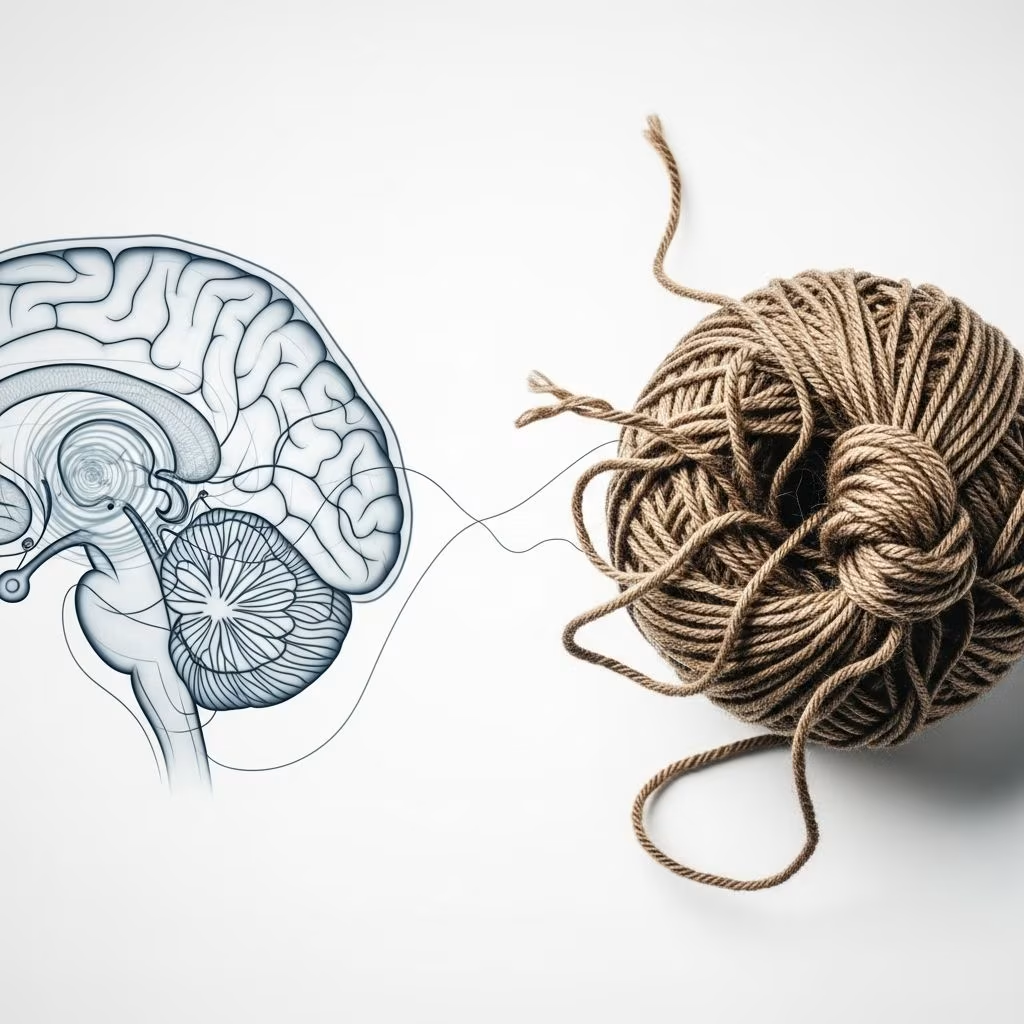
Borderline Personality Disorder (BPD) is a complex mental health condition known for its intense emotional instability, sensitivity to perceived rejection, and difficulty in maintaining relationships. One of the behaviors that often draws attention—and confusion—is lying. Families, partners, and even the individuals themselves may wonder why dishonesty seems to be a recurring theme. Is lying symptomatic of BPD, or is it a misunderstood byproduct of deeper struggles? This article unpacks the intricate tie between BPD and lying, the psychological mechanisms involved, real-life examples, and practical guidance for everyone involved.
Understanding Borderline Personality Disorder
BPD is marked by pervasive instability in moods, relationships, self-image, and behavior. Individuals with the condition often experience intense episodes of anger, depression, and anxiety that can last anywhere from a few hours to days. The National Institute of Mental Health highlights that people with BPD may have a chronically unstable sense of self and tend to engage in risky or impulsive behavior, including self-harm and suicidal ideation.
Common characteristics of BPD include:
- Intense fear of abandonment and efforts to avoid real or imagined separation
- Unstable and intense interpersonal relationships
- Identity disturbance or unstable self-image
- Impulsive behaviors
- Recurrent suicidal behavior or self-injury
- Chronic feelings of emptiness
- Inappropriate, intense anger or difficulty controlling anger
Is Lying a Symptom of BPD?
While lying is not listed as a diagnostic criterion for BPD in the DSM (Diagnostic and Statistical Manual of Mental Disorders), it is nonetheless commonly observed among individuals with the disorder. This has led to misconceptions—namely, that those with BPD are inherently dishonest. In reality, the roots of this behavior are more nuanced and deeply interwoven with the emotional dysregulation and psychological struggles characteristic of BPD.
Why Do People with BPD Lie?
The connection between BPD and lying is complex. Individuals with BPD do not usually lie to manipulate or cause harm. Rather, dishonesty often functions as a coping mechanism in response to overwhelming emotions or distorted perceptions. Key motivations and underlying causes include:
1. Fear of Abandonment and Rejection
A central feature of BPD is an intense, pervasive fear of abandonment—whether real or imagined. Lies may serve as a way to avoid being left, to appear more attractive or worthy, or to conceal perceived flaws and insecurities. For example, an individual may claim to feel fine when they are deeply hurt, or fabricate stories to prevent others from leaving them.
2. Emotional Dysregulation and Impulsivity
People with BPD experience emotions with heightened intensity, often leading to impulsive actions, including lying. Sometimes, a person may fabricate or omit information in the heat of the moment to manage immense emotional pain, guilt, or anger, without a clear intention to deceive long-term.
3. Unstable Self-Identity
Individuals with BPD often struggle with a fragile sense of self. Their identity may change suddenly, making them feel pressured to say or do things that align with the expectations or desires of those around them. Lying can thus be an attempt to ‘fit in’, protect their self-image, or gain approval.
4. Confirmation Bias and Distorted Perceptions
BPD amplifies confirmation bias—the tendency to interpret events in ways that confirm strong emotions. An individual may genuinely believe a subjective, emotionally charged ‘version’ of events, even if it contradicts observable reality. This can appear as lying, but is often self-conviction rather than intentional deception.
5. Learned Behavior as a Coping Mechanism
For some, chronic dishonesty can be traced to invalidating or abusive family environments, childhood trauma, or situations where honesty led to punishment or harm. Lying is then learned as a survival tactic—something previously necessary to avoid danger, rejection, or emotional pain.
6. Lying to Maintain Control or Safety
In relationships marked by emotional volatility or unsafe dynamics, individuals may lie to maintain a sense of control or respite from threats—whether real or anticipated. For example, dishonesty about feelings or experiences may be used to deflect conflict or prevent triggering another’s anger.
7. Habitual or Compulsive Patterns
Lying may become habitual for some, especially if it consistently reduced emotional distress in the past. Compulsive lying is not unique to BPD, but the intense emotions and rapid shifts in perspectives common in BPD can fuel this behavior.
Common Patterns and Examples of Lying in BPD
Lying among individuals with BPD is often context-dependent, varying greatly in form and function. Common patterns and examples include:
- Making up stories to excuse lateness or absence
- Pretending not to care about a painful event or rejection
- Exaggerating, minimizing, or omitting facts to appear more likable or less vulnerable
- Claiming to have ended a relationship that actually ended by the other person
- Lying about achievements or experiences to gain approval
- Portraying themselves as the victim to garner sympathy or avoid accountability
- Accusing others falsely out of anger or as a means of punishment
- Making up details or entire stories in an effort to be seen as more interesting, competent, or justified
- Hiding or lying about spending habits or financial troubles
How Lying Develops: Environmental and Biological Factors
The tendency to lie in BPD is often the result of both environmental influences and innate temperament. Factors that contribute to the development of this behavior can include:
- Invalidating childhood environments: Growing up where expressing real feelings led to punishment or emotional denial teaches that honesty is unsafe.
- Trauma and abuse: Experiences of trauma or abuse, especially in formative relationships, can cause mistrust and defensive dishonesty as a way to survive.
- Impulsivity and poor emotional regulation: Difficulty managing intense feelings may drive immediate, reflexive dishonesty to evade distress.
- Lack of role models for honest communication: If caregivers or significant figures themselves engaged in deceptive behaviors, lying becomes normalized.
Consequences of Lying in Relationships
Lying, whether intentional or not, severely strains trust and stability in relationships with friends, family, partners, or colleagues. Typical effects include:
- Chronic suspicion and skepticism from loved ones
- Breakdowns in communication and intimacy
- Increased conflict and arguments
- Feelings of betrayal or emotional exhaustion
- Erosion of support systems and social isolation
This creates a self-perpetuating cycle: the fear of rejection leads to dishonesty, dishonesty leads to distance or anger from others, and this only heightens the individual’s original fear of abandonment.
How to Respond to Lying in BPD
Learning how to respond effectively when dishonesty arises is crucial for healthy, supportive relationships. Unhelpful approaches—such as confronting with anger, demanding confessions, or shaming—tend to worsen the behavior and undermine trust further. Instead, consider the following strategies:
- Practice Compassionate Curiosity: Approach the conversation with empathy and an open mind, recognizing that dishonesty often signals emotional pain, not malice.
- Set Clear Boundaries: Gently but assertively state the importance of honesty while also outlining consequences of persistent lying in the context of your relationship.
- De-escalate Emotional Intensity: Encourage calm communication and delay challenging conversations until both parties feel less emotionally charged.
- Reinforce Trust Gradually: Acknowledge honest moments, however small, to encourage more of the same over time.
- Offer Support for Emotional Regulation: Suggest or pursue skills-based therapies, such as Dialectical Behavioral Therapy (DBT), known to help individuals with BPD manage strong emotions and improve honesty.
- Maintain Self-Care: Recognize your limits and seek support for yourself, whether in therapy, support groups, or through education about BPD.
Treatment Approaches and Skill-Building
Treatments for BPD, especially Dialectical Behavior Therapy (DBT), address the roots of emotional dysregulation, impulsivity, and unstable self-identity—all factors related to lying. Therapy can help individuals:
- Understand and regulate emotions
- Develop a stronger, more consistent sense of self
- Practice mindful, honest communication
- Recognize cognitive distortions and develop reality-testing skills
- Build resilience against urges to lie as a coping mechanism
Therapy often involves both individual sessions and group skills training, focusing on communication, emotional processing, and developing healthier coping strategies.
Frequently Asked Questions (FAQ)
Is lying a core symptom of Borderline Personality Disorder?
No, lying is not a formal diagnostic criterion for BPD in the DSM. However, due to the emotional and relational challenges of BPD, lying may appear as a recurring behavior.
Do people with BPD know they are lying?
Sometimes, yes—but not always. The line between intentional dishonesty and sincerely held, emotionally driven beliefs can be blurry. Severe emotional distress may result in self-conviction of distorted facts, not just overt deceit.
Are people with BPD pathological liars?
While some individuals display patterns of compulsive or habitual lying, pathological lying is not synonymous with BPD and not all people with BPD lie pathologically. Lying in BPD is often reactive, context-based, and linked to emotional regulation difficulties.
How can families, partners, or friends help?
- Educate yourself about BPD and its patterns, including emotional dysregulation and fear of abandonment.
- Validate feelings, but do not enable or excuse dishonesty. Set clear boundaries about honesty with compassion.
- Encourage and support professional treatment focused on emotional regulation and truthful communication.
Can treatment stop lying?
Effective therapy, especially skills-based approaches like DBT, can greatly reduce the frequency and severity of lying by helping individuals better manage emotions, develop self-awareness, and build trust in relationships. Progress takes time, patience, and support from loved ones and clinicians.
Key Takeaways
- Lying is not a defining trait of BPD but a behavior that often emerges from emotional, relational, and self-identity struggles.
- Dishonesty is usually a coping mechanism for overwhelming feelings, not a calculated attempt to harm others.
- Buried beneath lies are frequently needs for safety, acceptance, and connection.
- Addressing lying in BPD requires empathy, therapeutic skill-building, boundary-setting, and ongoing support.
Additional Resources
- National Institute of Mental Health: Borderline Personality Disorder Overview
- DBT Skills Training Manuals and Workbooks
- Mental Health Support Organizations and BPD Support Groups
References
- https://www.choosingtherapy.com/bpd-and-lying/
- https://www.saraweandlpc.com/blog-counseling-annville-pa/bpd-lying-relationships-bpd-treatment-philadelphia-dbt
- https://columbuscounselinggroup.com/why-do-people-with-bpd-lie/
- https://footprintstorecoverymh.com/bpd-and-lying-in-relationships-how-to-build-trust/
- https://www.northpalmrc.com/addiction-resources/the-connection-between-bpd-and-lying
- https://www.nimh.nih.gov/health/publications/borderline-personality-disorder
- https://www.grouporttherapy.com/blog/borderline-personality-disorder-and-pathological-lying
- https://www.newportinstitute.com/resources/co-occurring-disorders/pathological-liar-signs/


