


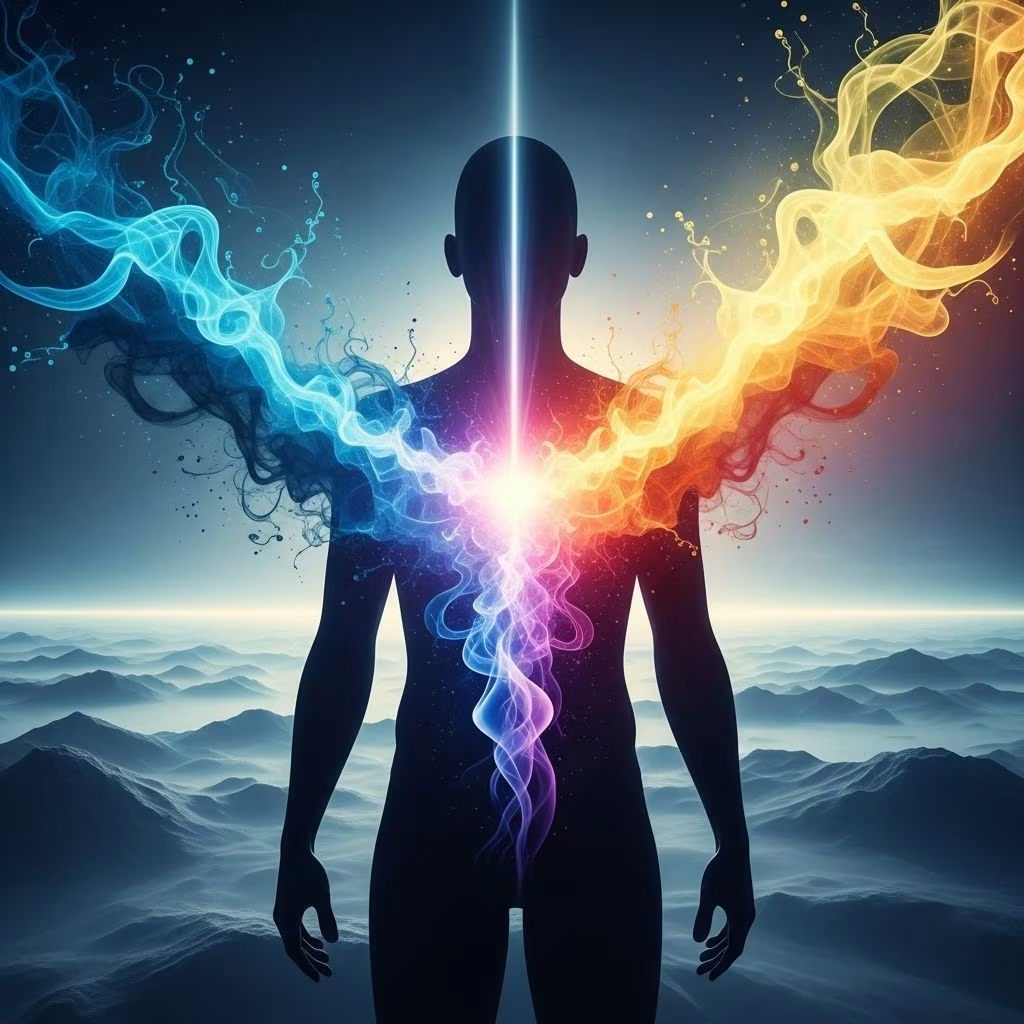
What is Catharsis?
Catharsis refers to the process of releasing and thereby providing relief from strong or repressed emotions. Originating from the Greek word “katharsis,” meaning purification or cleansing, catharsis is fundamental to many therapeutic practices and widely recognized as a transformative mechanism in emotional healing.
In psychology, catharsis is a deliberate means of expressing deep-seated feelings to achieve emotional relief and mental clarity.
- Venting out repressed emotions is the core of catharsis, often resulting in a sense of liberation and transformation.
- It serves as a cleansing process for negative emotions.
- The aftermath of catharsis is typically relief, renewal, and heightened clarity.
The Origins and Historical Perspective of Catharsis
The concept of catharsis dates back to ancient Greece. Aristotle applied the term to describe the emotional purging experienced by audiences during tragic plays: spectators experienced fear and pity, then left the theater purged of these emotions.
In the modern context, catharsis has evolved in mental health disciplines:
- Freudian Psychoanalysis: Sigmund Freud utilized catharsis as a therapeutic tool to confront and process repressed trauma. Through techniques such as free association, patients articulated unconscious conflicts, bringing repressed emotions into awareness and enabling their release.
- Psychoanalytic Theory: Catharsis is integral to understanding defense mechanisms—like repression and denial—that manage unconscious emotional conflicts. Therapeutic catharsis seeks to resolve these tensions.
How Does Catharsis Work?
Catharsis typically unfolds through expression of intense emotions—either verbally, in writing, through art, or bodily actions such as crying.
- Emotional Release: Catharsis provides an outlet for pent-up feelings, including stress, anger, fear, and grief, allowing individuals to attain mental and emotional relief.
- Therapeutic Techniques: Methods such as expressive writing, sharing of experiences, and guided therapy sessions are common avenues for catharsis.
- Physical Manifestations: Releasing emotions can happen through crying, shouting, creative arts, or even exercise.
Common Mechanisms of Cathartic Release
| Mechanism | Description | Example |
|---|---|---|
| Expressive Writing | Articulating deep feelings through written words | Journaling about trauma |
| Artistic Expression | Channeling emotions into artwork or music | Painting to process grief |
| Verbal Expression | Discussing emotional experiences with a trusted person | Talking with a therapist |
| Physical Release | Using physical activities to vent feelings | Crying, intense exercise, or dance |
Benefits of Catharsis in Psychology
Catharsis is acknowledged for its role in relieving anxiety, stress, and emotional pain. It is an essential part of therapy and everyday coping mechanisms.
- Emotional Relief: Expressing bottled-up emotions leads to a sense of lightness and emotional clarity.
- Improved Mental Health: Catharsis can decrease overall levels of distress, reduce anxiety, and facilitate healing after trauma.
- Self-awareness: The process strengthens insight and understanding of one’s emotional landscape.
- Transformation: Through catharsis, people often experience renewal, resilience, and a greater capacity for happiness.
Long-Term Advantages
- Promotes personal growth and adaptability.
- Strengthens emotional regulation and healthy coping skills.
- Helps process grief or loss, fostering closure and healing.
- Encourages collective healing through shared cathartic experiences (e.g. social movements).
The Risks and Potential Downsides of Catharsis
Though catharsis is generally beneficial, its effects rely heavily on context and guidance:
- Reinforcing Negative Behaviors: Uncontrolled emotional venting can sometimes perpetuate aggression or maladaptive patterns.
- Emotional Instability: Excessive involvement in cathartic activities, or doing so without support, may intensify vulnerable emotions.
- Risks in Therapy: Without professional guidance, catharsis might result in re-traumatization or emotional overwhelm.
Examples of Catharsis in Everyday Life
- Crying after a loss: Tears can mark the beginning of healing after bereavement.
- Writing about trauma: Journaling difficult experiences can lead to reduced anxiety and greater insight.
- Art as emotional outlet: Painting, music, and dance often provide non-verbal paths to catharsis.
- Therapy sessions: Expressing long-repressed emotions with a therapist regularly brings significant relief.
- Collective catharsis: Events like protest marches, memorials, or social movements unite participants in shared emotional release.
The Importance of Catharsis for Emotional Wellbeing
Catharsis is considered vital for maintaining emotional equilibrium. Without moments of release, repressed emotions can manifest as psychological distress or physical symptoms. Regular cathartic outlets enable feelings to be processed safely and effectively.
- Reduces risk of emotional overload and breakdown.
- Facilitates closure and acceptance in traumatic or stressful events.
- Can be both an individual and collective experience, contributing to group solidarity and empathy.
Therapeutic Uses and Techniques for Catharsis
Many therapy modalities incorporate cathartic techniques, focusing on helping clients release emotional tensions through:
- Talk Therapy: Working through emotions in a safe, professional setting.
- Expressive Writing: Encouraging regular journaling or letter writing to process grief or trauma.
- Creative Arts Therapy: Using music, visual art, dance, or drama to allow expression without words.
- Physical Activities: Engaging in yoga, exercise, or sports as somatic forms of catharsis.
Guidelines for Healthy Catharsis
- Practice self-awareness: Monitor your emotional state and readiness for cathartic activities.
- Seek professional support: If processing trauma, consider engaging with a trained therapist.
- Balance expression with reflection: Catharsis is most effective when coupled with personal insight and integration.
Frequently Asked Questions (FAQs)
Q: Is catharsis necessary for healing emotional trauma?
A: Catharsis can help process and resolve emotional trauma, but it is most effective when combined with reflective insight and professional guidance.
Q: Can catharsis occur outside of therapy?
A: Yes. Many experiences—such as writing, art, conversations, or collective events—can provide cathartic release independently of formal therapy.
Q: Are there risks to cathartic activities?
A: While generally safe, poorly managed catharsis or frequent venting without integration may reinforce negative emotions or induce distress.
Q: What’s the difference between catharsis and just ‘blowing off steam’?
A: Blowing off steam often refers to temporary emotional relief, while catharsis is a purposeful process of emotional cleansing with lasting psychological outcome.
Q: How do I know if I need catharsis?
A: Signs include feeling emotionally ‘blocked’ or overwhelmed, persistent anxiety or stress, or a sense that you haven’t processed past events. If these feelings are frequent, pursuing cathartic activities may help.
Conclusion: The Transformative Power of Catharsis
Catharsis is a powerful mechanism for releasing and processing emotions, fostering healing, and supporting mental health. Whether achieved through therapy, creative outlets, or personal reflection, the mindful release of repressed feelings is essential for inner peace, growth, and resilience. While catharsis is not without risks, practiced responsibly, it enables individuals to move beyond pain and towards psychological well-being.
References
- https://bayareacbtcenter.com/catharsis-meaning-benefits-and-real-life-examples/
- https://thepleasantmind.com/catharsis/
- https://www.betterhelp.com/advice/psychologists/16-examples-of-catharsis-psychology/
- https://paloaltou.edu/resources/business-of-practice-blog/what-is-catharsis
- https://www.psychologytoday.com/us/blog/passion/202107/blowing-off-steam-the-power-of-catharsis
- https://www.e-counseling.com/articles/catharsis-psychology/
- https://www.primescholars.com/articles/catharsis-a-journey-of-emotional-release-and-healing-126490.html
- https://www.simplypsychology.org/catharsis.html
- https://en.wikipedia.org/wiki/Catharsis


