


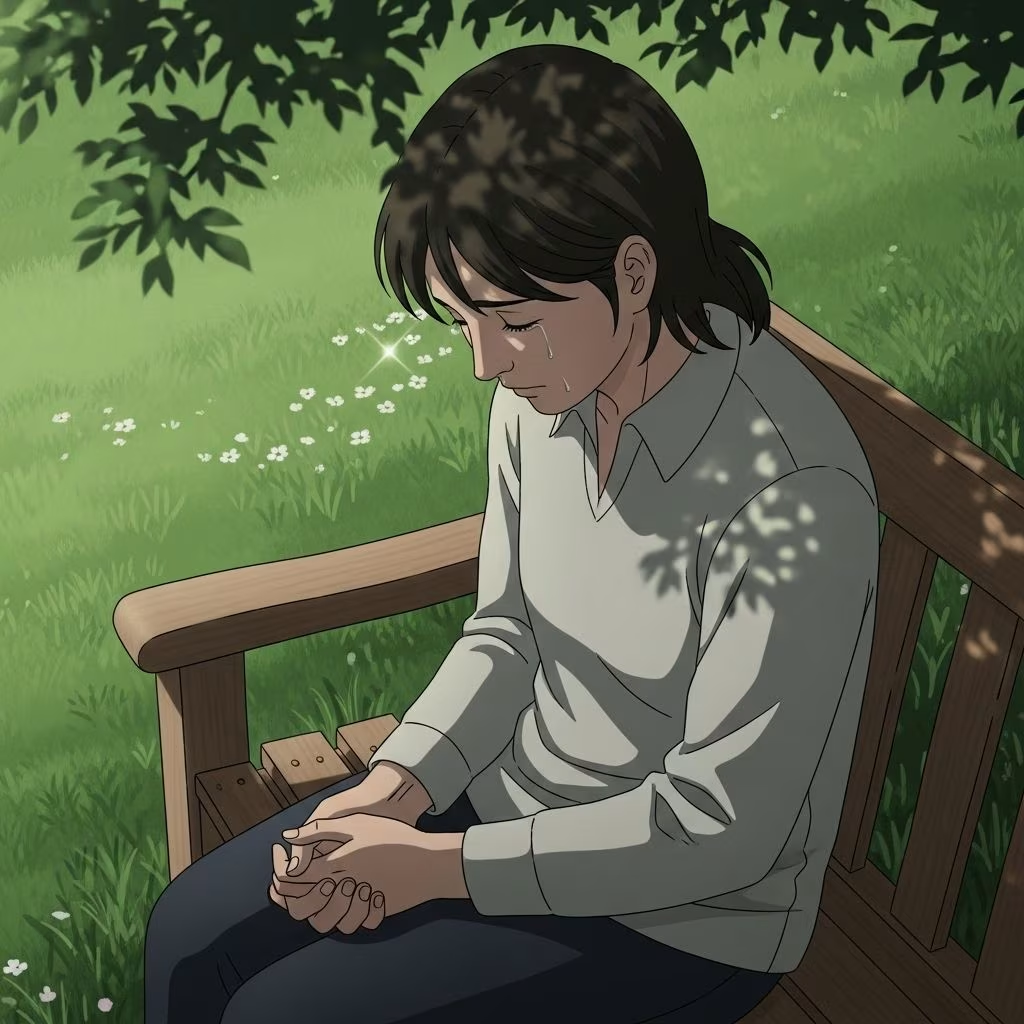
Coping With the Death of a Mother
The death of a mother marks a profound turning point in life, often triggering a complex journey through grief, identity, and healing. For many, the loss brings overwhelming emotional waves, transformed relationships, and the daunting task of moving forward. This article explores the unique impact of losing a mother, the grieving process, common symptoms and challenges, and practical steps toward healing.
Why the Death of a Mother Leaves a Unique Void
A mother shapes our earliest experiences, sense of self, and emotional landscape. Her death disrupts not just routines but also the foundational feelings of safety, identity, and belonging. Many experience:
- Identity crisis: Daughters, in particular, often find themselves redefining who they are, as the mother-daughter bond plays a critical role in personal development.
- Loneliness and isolation: A pervasive sense of solitude often follows, even when surrounded by others, as a mother’s presence is difficult to replace.
- Cultural and family shifts: The loss can affect traditions, family dynamics, and the sense of home, making life feel irretrievably altered.
Common Emotional Responses to Losing a Mother
Grief manifests in many ways, rarely following a neat trajectory. Key emotions and experiences include:
- Anger
- Sadness and emptiness
- Guilt and regret
- Numbness and shock
- Anxiety and derealization (feeling as if nothing is real)
- Hallucinations (seeing or sensing the mother’s presence)
These emotions often fluctuate, with periods of intense sorrow followed by moments of numbness or disbelief. What’s “normal” after such a loss is highly subjective, and individuals may respond in very different ways.
The Stages of Grief: Myth vs. Reality
The widely known “five stages of grief”—denial, anger, bargaining, depression, and acceptance—offer one framework but are not universally experienced nor linear. The idea originated with Elisabeth Kübler-Ross for terminally ill patients, later applied to mourning. In practice:
- People may move back and forth between stages.
- Some may never reach certain stages, or experience them simultaneously.
- Every person’s timeline is different—a process that can take years, or even become a lifelong journey.
How Grief Affects Both Mind and Body
| Type of Effect | Common Symptoms |
|---|---|
| Mental health | Depression, anxiety, sleep disturbances, emotional blockage, social withdrawal |
| Physical health | Cardiac issues, immune changes, high blood pressure, higher cancer risk |
Anxiety and depression are the most frequent mental health outcomes, affecting up to 45% of individuals after parental death. Grief also increases the risk of physical conditions stemming from chronic stress, highlighting the need for holistic care.
Identity and Life Reassessment After the Loss of a Mother
Loss often forces a reevaluation of roles, values, and the future. For daughters, the death of their mother is particularly impactful due to the central role mothers play in forming their sense of self and guiding behavior. Common reactions include:
- Questioning abilities as a parent or nurturer
- Fear of repeating loss, leading to hesitancy about starting or expanding families
- Attempting to uphold family traditions while grappling with personal identity
This period can feel like losing a piece of oneself, requiring time and self-reflection to reconstruct a new sense of identity.
Grieving Cycles and Loneliness
After a mother’s death, individuals often feel a continuing sense of loneliness, even as life goes on. Social withdrawal is common, whether due to personal need, shifts in family support, or loss of meaningful traditions. Achieving balance between honoring a mother’s legacy and continuing personal growth can be challenging—especially when others expect you to “keep it together.”
Anticipatory Grief and Caregiving
If one served as a caretaker prior to a mother’s passing, anticipatory grief can compound feelings of burnout and stress. These experiences are linked to higher risks of prolonged grief, as well as mental health difficulties.
Unique Challenges: Culture, Taboo, and Communication
- Taboo of death: In some cultures, discussing grief openly is discouraged, which can hinder emotional processing and access to support.
- Difficulty expressing emotions: Many struggle with showing visible emotion or crying, sometimes for months or years after the loss.
- Stigmatized losses: Deaths due to suicide or violence may bring complex social pressures and further isolate survivors.
How Relationships Change After Losing a Mother
Other family relationships can become strained or distant, as everyone copes differently. Siblings or remaining parents may become less emotionally available. Support networks might shrink, increasing stress and a sense of isolation.
Practical Coping Strategies
- Acknowledge and accept all emotions: Sadness, anger, numbness, or relief—all are valid responses. Avoid suppressing feelings to “appear strong.”
- Seek support: Professional counseling, support groups, and community resources can help you feel less alone and normalize your experience.
- Maintain routines and self-care: Healthy eating, gentle exercise, and regular sleep support both physical and emotional resilience.
- Practice patience: Healing is a gradual process, often taking months or years. Allow your grief journey to unfold naturally.
- Honor your mother’s memory: Celebrate traditions, create new rituals, or keep a journal to feel connected while moving forward.
- Talk openly: Discussing feelings with trusted people counteracts isolation and can help process grief more effectively.
When to Seek Help
- Persistent depression or anxiety that interferes with daily functioning
- Physical symptoms like chronic headaches, chest pain, or changes in appetite or sleep
- Extended grieving that lasts more than a year, especially if worsening
- Thoughts of self-harm or feeling overwhelmed by emotions
Mental health professionals, organizations like SAMHSA, and online bereavement communities offer confidential support and guidance. Early intervention can prevent long-term complications and facilitate healing.
Frequently Asked Questions (FAQ)
Q: Is there a “correct” way or timeline to grieve my mother’s death?
No, grief is deeply personal; some heal in months, others need years. There’s no “right way” and it’s normal for emotions to fluctuate or persist over time.
Q: I feel numb and can’t cry—does this mean something is wrong?
Not at all. Many experience numbness or an inability to express tears after a profound loss. These responses can last months or years and are common in grief cycles.
Q: How can I support myself when relationships change after my mother’s death?
Seeking new support networks—friends, groups, or therapy—can help. Family members often grieve differently, so open communication is key.
Q: Will physical symptoms eventually subside?
For most people, symptoms like headaches or sleeplessness improve as grief is processed. If these persist or worsen, seek professional medical or psychological help.
Q: How can I honor my mother’s memory while caring for myself?
Create meaningful rituals (writing, celebrating traditions, planting a tree) that keep her presence alive while allowing you to continue growing independently.
Steps Toward Healing and Finding Meaning
- Rebuild self-identity: Explore who you are becoming, separate from your mother’s influence. Pursue interests, values, or goals that reflect your growth.
- Set new boundaries: Adjust relationships and routines to fit your current needs. This transition may feel difficult but can ultimately empower you.
- Find opportunities for legacy: Carry forward teachings, recipes, habits, or family stories as a form of ongoing connection and tribute.
- Embrace change: Accept that your life and identity are reshaped by this event. Over time, integrating loss can lead to renewed purpose and strength.
Resources for Support
- Therapy and counseling: Licensed counselors help process grief and develop coping skills.
- Bereavement groups: Local and online groups provide companionship and shared experience—reducing isolation.
- Mental health organizations: Entities like Mental Health America and SAMHSA offer hotlines, guides, and referrals.
- Books and literature: Texts such as “Motherless Daughters” by Hope Edelman offer validation and strategies for moving forward.
Conclusion
Losing a mother is a life-altering experience, triggering profound emotional, physical, and social changes. While the pain may never entirely disappear, understanding the grieving process, acknowledging your feelings, and drawing on resources and relationships can help you adapt, heal, and grow. Whether you are newly bereaved or still navigating the long road of recovery, remember that support and healing are possible.
References
- https://cfhh.ca/blog/how-losing-a-mother-affects-a-daughter/
- https://www.psychologytoday.com/us/blog/hope-and-healing/202503/after-her-mothers-death-a-daughters-grief-can-be-prolonged
- https://pmc.ncbi.nlm.nih.gov/articles/PMC10830864/
- https://www.psychologytoday.com/us/blog/stress-fracture/202212/how-your-mothers-death-will-change-you
- https://www.samhsa.gov
- https://www.apa.org/monitor/2024/10/grieving-parental-loss-midlife
- https://mhanational.org/resources/bereavement-and-grief/
- https://www.health.harvard.edu/mind-and-mood/5-stages-of-grief-coping-with-the-loss-of-a-loved-one
- https://www.cruse.org.uk/understanding-grief/grief-experiences/losing-a-parent/


