


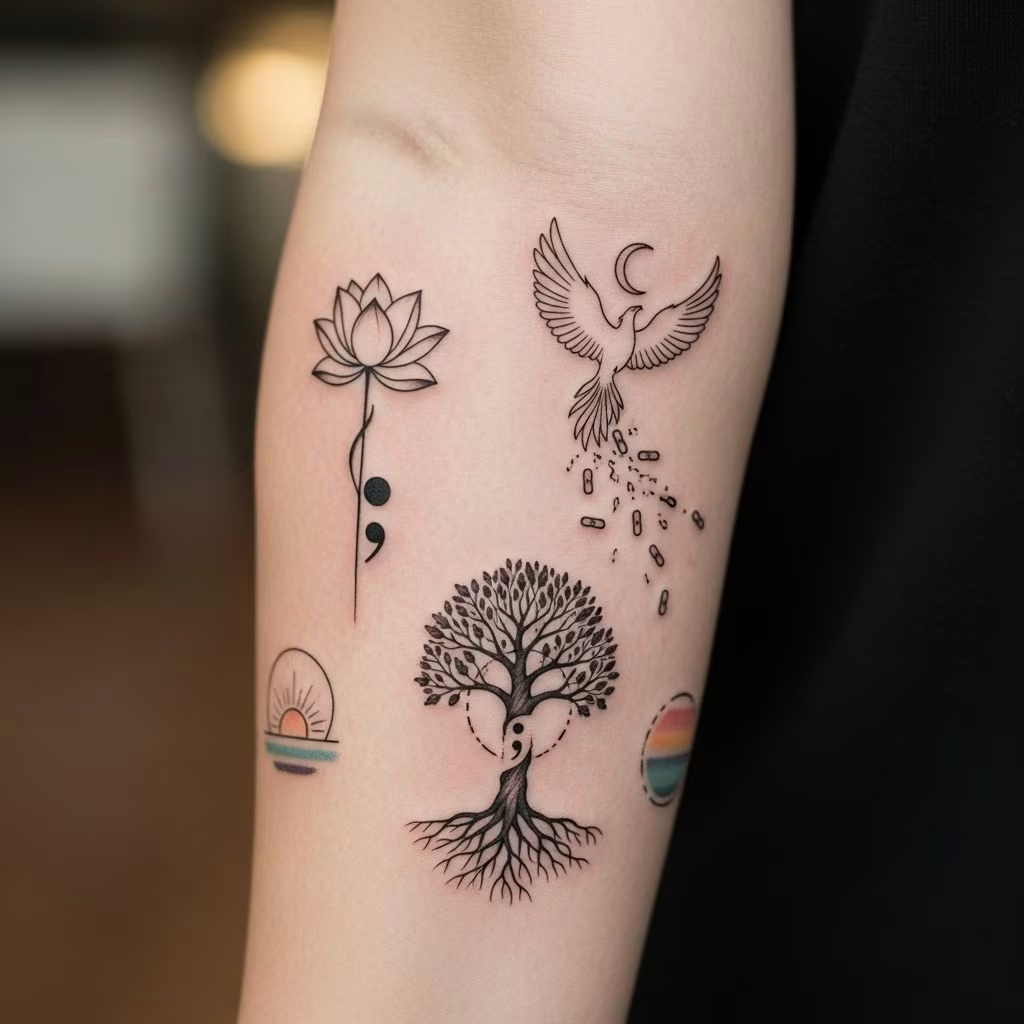
Mental health tattoos have become a poignant form of self-expression for many people navigating depression, anxiety, trauma, and recovery. Tattooing symbols, words, or images onto one’s body can seal a chapter in a personal mental health journey, serve as a form of advocacy, or offer daily reminders of strength and hope. This comprehensive guide explores powerful depression tattoo ideas, their meanings, and the stories they help to tell.
Why Choose a Depression Tattoo?
For those who have struggled with depression, anxiety, or suicidal ideation, tattoos are more than art—they are lifelines, badges of survival, and visible affirmations of progress. Whether a small, discreet symbol or an elaborate scene, depression tattoos can:
- Mark a turning point in recovery or survival
- Honor lost loved ones or those still struggling
- Reduce mental health stigma by sparking conversations
- Empower ongoing healing and resilience
These tattoos frequently serve as an intimate reminder that, even in the darkest moments, the story is not over, and hope persists.
Semicolon Tattoo: The Iconic Symbol of Continuation
The semicolon tattoo has become an internationally recognized symbol of mental health awareness and suicide prevention. Its origins are rooted in Project Semicolon, a movement started to affirm that, like a sentence interrupted by a semicolon rather than ended by a period, your story continues. Survivors and allies wear this mark as a signal of perseverance, empathy, and solidarity.
- Personal growth and survival: The semicolon marks survival and the willingness to continue despite hardship.
- Tribute to others: Some wear semicolons for friends, family, or loved ones lost to suicide as a gesture of remembrance.
- Unity and activism: The design celebrates community, resilience, and the mission to end stigma around mental illness.
Many individuals personalize the semicolon motif by incorporating additional symbols, such as:
- Heart: Expresses self-love and compassion.
- Butterfly: Embodies transformation and rebirth.
- Infinity symbol: Represents continuity and infinite possibilities.
- Lotus flower: Signifies beauty arising from adversity.
- Inspirational words: Phrases like “Still Breathing,” “Keep Going,” or “My Story Isn’t Over.”
The semicolon remains one of the most heartfelt and instantly recognizable mental health tattoo choices for those recovering from or impacted by depression.
Lotus Flower: Rising Above Darkness
Lotus flower tattoos are emblematic of the human capacity for growth and resilience. Just as the lotus emerges unscathed from muddy waters, this tattoo expresses the ability to thrive despite struggle. For people with depression, the lotus conveys:
- Transformation through recovery and healing
- Inner strength even in adverse conditions
- Hope and inspiration in ongoing mental health journeys
Available in a variety of colors and styles, the lotus is a beautiful and spiritual choice for those wanting to declare, “I have grown from my pain.”
Butterfly Tattoo: Metamorphosis and Rebirth
The butterfly tattoo is one of the most popular symbols for transformation, new beginnings, and hope. The butterfly’s journey from caterpillar through cocoon to its dazzling adult form mirrors the process of healing and change through depression and anxiety.
- Rebirth: Represents leaving old struggles behind and starting anew.
- Renewal: Emphasizes the cyclical, ongoing nature of recovery.
- Freedom: Symbolizes release from limiting thoughts or emotional burdens.
Butterflies also carry personal significance for many, making them both versatile and meaningful tattoo options for mental health recovery.
Infinity Symbol: Hope Without End
The infinity tattoo signifies the endlessness of hope, potential, and growth. For those overcoming depression or anxiety, the infinity sign—often a graceful, continuous loop—reminds them:
- There is always possibility
- The recovery journey has no fixed endpoint; it is ongoing
- Self-love and healing can be infinite and ever-renewed
This subtle design is widely chosen for its simplicity and deep, universal meaning.
Heartbeat Line: Resilience Through Life’s Highs and Lows
Heartbeat tattoos (or ECG lines) graphically represent the rhythm of existence: the ups and downs, the challenges, and the triumphs. In the context of depression, they are reminders that:
- Life continues through both “good” and “bad” days
- Moments of peace and struggle are natural and expected
- Persistence, not perfection, is what matters most
Often placed on the wrist, arm, or chest, heartbeat tattoos are both aesthetic and profound.
Broken Chain: Breaking Free From Past Trauma
The broken chain tattoo symbolizes liberation from past pain, trauma, or restrictive circumstances.
- Freedom: Breaking old cycles or limiting self-beliefs.
- Healing: Releasing oneself from the grip of depression, anxiety, or abuse.
- Empowerment: Embracing self-acceptance and transformation.
This striking image is used by many who have left behind difficult chapters, signifying the decision to move forward with courage.
Mandala and Geometric Patterns: Mindfulness and Calm
Mandalas and other geometric designs are artistic tattoos representing harmony, balance, and the journey to find inner peace. Their repetitive, symmetrical nature encourages meditation and focus, reflective of many therapeutic techniques for coping with anxiety and depression.
- Encourage mindfulness and present-moment awareness
- Symbolize spiritual and emotional wholeness
- Serve as permanent reminders to seek balance in life
This Too Shall Pass: Affirmations and Words of Encouragement
Text-based tattoos offer direct and immediate forms of affirmation. Phrases like “This Too Shall Pass,” “Breathe,” “Keep Going,” or “Still Breathing” are common among those seeking solace and motivation.
- “This Too Shall Pass”: Reminds tattoo wearers that hardship is temporary.
- “Breathe” or “Inhale/Exhale”: Simple directives to stay present and manage anxiety, often tattooed on fingers, wrists, or forearms.
- Motivational words and personal mantras: Serve as anchors during moments of struggle.
Text tattoos often hold deeply personal meaning, reflecting a person’s specific journey, core beliefs, or messages they need to see each day.
Mask Tattoo: Hiding Pain Behind a Smile
Mask tattoos are especially meaningful for those whose depression is less visible to others. They represent the act of “masking” one’s feelings behind a happy façade, drawing attention to the hidden struggles that people often endure in silence.
- Raises awareness about invisible mental health struggles
- Expresses honesty through artful symbolism
- Validates the complicated emotions of sadness, suppression, and revelation
Clouds, Rain, and Storms: Capturing the Feeling of Depression
Clouds and rain tattoos visually capture the gloom and weight that often accompany depression. Shades of grey, fog, or storm imagery can illustrate:
- Overwhelming emotions weighing one down
- The cyclical and recurring nature of depressive episodes
- The hope that the “sun will return” after every storm
Paired with uplifting symbols—like a sun emerging after clouds—these tattoos demonstrate the duality of hope and struggle.
Skeletons and Skulls: Embracing the Shadows
Skeletons or skulls are sometimes chosen to symbolize confronting mortality, engaging with life’s darker moments, or surviving suicidal thoughts. In tattoo art, these motifs may represent:
- The struggle with and triumph over death
- Sacrifice and the preservation of the soul
- Forgiveness and letting go
Skeleton imagery can be grim or deeply hopeful, depending on the wearer’s story and the artistry involved.
Minimalist Designs and Small Symbols
For some, minimalist tattoos such as delicate lines, a small teardrop, or a simple sun and cloud are ideal. They capture:
- The authenticity and rawness of emotion
- The message that no struggle is “too small” to matter
- Encouragement to honor both tears and resilience
Other Powerful Depression Tattoo Ideas
- Overthinking Head: Illustrates the tangled, chaotic thought patterns common in depression and anxiety.
- Seated Meditator: Connects with spiritual practices and the grounding power of presence.
- Red hand: A dramatic symbol referring to feeling “dragged down” or held captive by depression.
- Fatigue Themes: Tattoos addressing exhaustion, the “weight” of life, and the struggle to keep moving.
Choosing the Right Depression Tattoo for You
Getting a depression tattoo is a highly personal decision. Consider these factors before proceeding:
- Personal meaning: Choose a symbol, word, or design that aligns with your unique journey and values.
- Placement: Decide if you want the tattoo to be visible to others or kept private for your own motivation.
- Artist selection: Work with a tattoo artist who respects the sensitivity and significance of your decision.
- Aftercare: Proper tattoo care is essential to promote healing and avoid complications. Tattoos can also be emotionally stirring, so seek support or counseling if needed.
- Long-term impact: Remember that tattoos are permanent reminders. Be certain in your choice and consider discussing your plans with trusted loved ones or a mental health professional.
Benefits of Depression Tattoos
- Empowerment, providing a source of strength and focus during hard times
- Advocacy, opening dialogue about mental health among peers or the broader community
- Acts of remembrance—honoring personal milestones or lost loved ones
- A means to externalize complex, private emotional journeys
Risks and Considerations
While therapeutic for many, it’s important to acknowledge potential concerns linked to mental health tattoos:
- Emotional triggers: Tattoos may evoke strong feelings or memories; care should be taken in choosing imagery.
- Visibility and stigma: Some environments or individuals may still attach negative bias to visible reminders of mental health struggles.
- Regret: As depression and healing journeys evolve, some tattoos may lose their resonance or become sources of discomfort.
Seeking mentorship, input from mental health professionals, and personal reflection are all wise steps before making a decision.
Frequently Asked Questions (FAQs)
What does a semicolon tattoo mean in relation to depression?
The semicolon symbolizes a continuation—the decision to keep going rather than end a story. In mental health contexts, it marks survival, resilience, and actively choosing life in the face of depression or suicidal ideation.
Are certain depression tattoo ideas more popular or accepted than others?
Semicolons, butterflies, lotuses, and infinity symbols are especially widespread for their deep, positive messages. However, the most powerful tattoo is one that holds personal significance for the wearer.
Can getting a tattoo help with recovery from depression?
Many people find the act of choosing, designing, and receiving a tattoo to be empowering and affirming. While not a substitute for therapy, it can provide lasting motivation and a sense of agency.
Should I consult a mental health professional before getting a tattoo about depression?
If your tattoo idea relates to intense emotions or past trauma, discussing the decision with a therapist can provide clarity and help ensure it’s a positive, healing experience.
How can I ensure my depression tattoo is meaningful and safe?
- Spend time reflecting on your intentions and preferred symbols.
- Research reputable tattoo artists skilled in meaningful or sensitive designs.
- Practice proper aftercare and check in with your emotional response during the healing process.
Final Thoughts
Depression tattoo ideas are as personal and varied as the stories of those who choose them. Whether a semicolon, a delicate lotus, bold text, or an abstract symbol, these tattoos are more than body art—they are declarations of survival, reminders of hope, and testaments to the resilience of the human spirit. If you are considering a depression tattoo, know that you are not alone, and your journey is worthy of being honored.


