


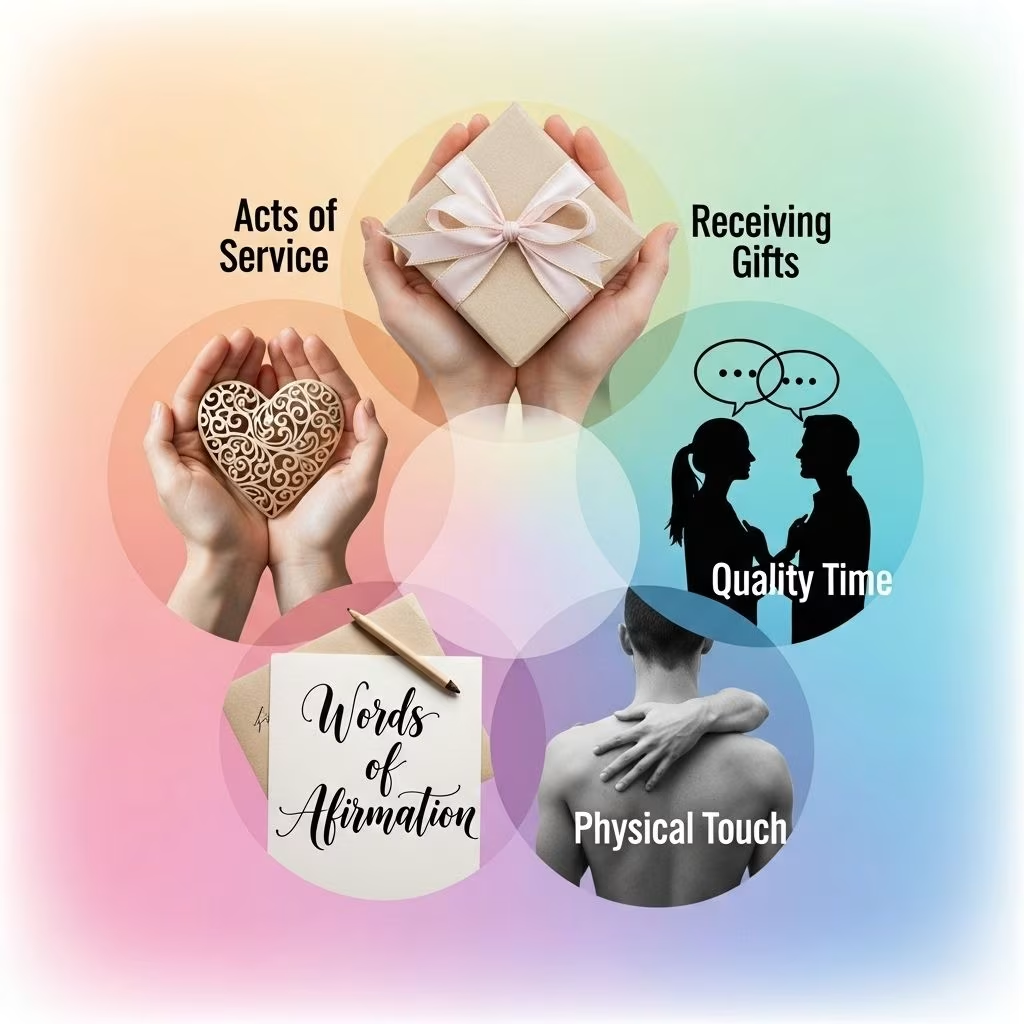
The Five Love Languages: A Guide to Deeper Connections
Every person experiences and expresses love in unique ways. The concept of “love languages” provides a framework for understanding these differences, offering a path to more meaningful and fulfilling relationships. By identifying your primary love language and appreciating those of others, you can build stronger emotional connections with partners, friends, and family members.
What Are Love Languages?
The five love languages describe the distinct ways people prefer to give and receive affection. First introduced by Dr. Gary Chapman in his groundbreaking book, The 5 Love Languages: The Secret to Love That Lasts, these categories stem from counseling numerous couples who often felt misunderstood despite their best intentions. Chapman realized that most people have a dominant love language—one that speaks most powerfully to their sense of being valued and loved.
- Words of Affirmation
- Quality Time
- Receiving Gifts
- Acts of Service
- Physical Touch
While each of us may appreciate all five to varying degrees, there’s usually one that feels most authentic. Understanding your style—and those of loved ones—can dramatically improve communication and connection.
Take the Love Language Quiz
The love language quiz is a self-discovery tool designed to reveal your dominant style of giving and receiving love. By reflecting on what gestures make you feel most appreciated, you uncover valuable insights that can transform the way you nurture relationships at home, work, or anywhere connection matters.
- The quiz presents scenarios and pairs of statements.
- You choose the statement that resonates more with your feelings and experiences.
- Results point to your primary and secondary love languages, alongside personalized feedback.
The quiz is suitable for anyone—whether single, dating, married, or interested in deepening connections with family or friends. It is quick to complete, generally taking under ten minutes, and delivers results instantly.
Exploring the Five Love Languages
Let’s delve into the essence of each love language, their key traits, common ways they manifest, and what they reveal about your needs and preferences in relationships.
Words of Affirmation
Words of Affirmation are rooted in verbal and written expressions of affection. People who favor this language value meaningful communication—compliments, praise, encouragement, and heartfelt “I love you’s.” This can be delivered in person, through texts, letters, or spoken appreciation. Recognizing accomplishments, expressing gratitude, and acknowledging efforts can all deeply resonate with someone whose main love language is words.
- Frequent, sincere compliments—the more specific, the better
- Notes, letters, or even thoughtful texts
- Words of encouragement during challenges
- Kindness and empathy in conversations
Tip: Negative or harsh words can wound someone with this love language more than most; thoughtful, positive communication is key.
Quality Time
Quality Time is best described as giving someone your undivided attention—fully present, without distractions. Those who value this language seek meaningful moments together, whether it’s shared activities, in-depth conversation, or just being together physically and emotionally. What matters isn’t the activity itself, but the sense that both people are engaged and attentive.
- One-on-one conversations without devices or multitasking
- Doing enjoyable activities together, like walks or cooking
- Thoughtful regular check-ins and listening deeply
- Eye contact, active listening, and showing true interest
Tip: Missed plans or distractions (like being on your phone) can hurt someone who needs quality time.
Receiving Gifts
Receiving Gifts isn’t about materialism, but the symbolism behind the gesture—a visible token of thoughtfulness, care, and appreciation. For some, tangible things like flowers, keepsakes, or surprises carry deep meaning as signs you’re valued. It’s the intention and thought behind the gift, not its price, that counts.
- Remembering birthdays, anniversaries, special dates
- Meaningful, personal mementos or homemade gifts
- Surprising loved ones with small but thoughtful presents
- Acts that show you were thinking of the other person, such as attending their important events
Tip: Forgotten celebrations or a missed opportunity to show thought can have a strong negative impact.
Acts of Service
Acts of Service centers around actions taken to ease someone else’s burden or make their day brighter. People who relate to this language feel loved when others step in to help—doing chores, running errands, or tackling tough tasks without needing to be asked. For them, love is best shown through helpful deeds.
- Helping around the house or with daily responsibilities
- Taking care of practical needs, like preparing a meal
- Offering help during stressful times without being prompted
- Small gestures that alleviate stress or workload
Tip: Broken promises or neglecting these helpful gestures can be especially hurtful for people with this love language.
Physical Touch
Physical Touch encompasses all forms of non-verbal affection—hugs, hand-holding, cuddling, kisses, and simple proximity. For these individuals, physical contact is the most direct and heartfelt way to feel connected and reassured. This can range from public displays of affection to private moments of closeness with partners, family, or friends (when appropriate and mutually comfortable).
- Hugs, kisses, and cuddling
- Holding hands, playful touches, pats on the back
- Sitting close together, for example on the couch or at the table
- A warm touch or arm around the shoulder to offer comfort
Tip: Withholding affection or physical distance can feel deeply isolating to someone who communicates through touch.
Why Knowing Your Love Language Matters
Understanding your love language—and that of those close to you—can unlock a new level of compassion and connection. Relationships often encounter friction simply because partners express care in different ways. Without this knowledge, what you intend as affection might not be received as such by your partner, friend, or child.
- Promotes open communication about emotional needs
- Helps avoid misunderstandings and feelings of neglect
- Strengthens empathy and mutual support
- Improves conflict resolution by providing clarity on why certain actions matter
- Boosts intimacy and trust
When both people “speak” each other’s love language, they are more likely to feel secure, appreciated, and loved.
How To Use Your Love Language Insights
Once you’ve taken the quiz and identified your primary and secondary love languages, what comes next?
- Share your results with your partner or close friends—it opens dialogue and increases self-awareness.
- Practice intentionally expressing affection in the ways most meaningful to your loved ones.
- Notice when tensions arise—ask yourself (and your partner) if a different language is being spoken or received.
- Set reminders for thoughtful gestures, especially around special occasions or difficult periods.
- Review periodically as relationships and personalities grow. Love languages may shift over time, especially with life changes.
The Five Love Languages at a Glance
| Love Language | Key Traits | Do… | Don’t… |
|---|---|---|---|
| Words of Affirmation | Verbal and written affirmation, praise, and appreciation | Offer sincere compliments, encouragement, and gratitude | Use harsh or critical words |
| Quality Time | Undivided attention and meaningful engagement | Engage in activities together, practice active listening | Be distracted or neglect scheduled time |
| Receiving Gifts | Tangible tokens and thoughtful gestures | Give meaningful, thoughtful gifts | Forget special occasions or gestures |
| Acts of Service | Helpful actions that make life easier | Take initiative in assisting with burdens or tasks | Ignore requests for help |
| Physical Touch | Nonverbal affection | Use touch to offer comfort and closeness | Withhold physical affection or remain distant |
Beyond Romance: Love Languages in All Relationships
While the five love languages framework is often applied to romantic couples, it’s equally effective for:
- Parent-child relationships—helping kids feel supported in the way they best understand.
- Friendships—making gestures that show appreciation in meaningful ways.
- Workplace dynamics—understanding colleagues’ appreciation styles can improve teamwork and morale.
Recognizing these preferences in all types of relationships can foster inclusion, understanding, and a sense of belonging.
Criticisms and Limitations
Although the love languages concept is widely adopted, it has its critics—especially among psychologists and relationship experts. Key concerns include:
- It can simplify complex emotional needs into just five categories, when people may be more nuanced.
- Love languages are not a substitute for healthy communication, empathy, or conflict resolution skills.
- The approach may overlook cultural backgrounds, personal history, or trauma impacting how people give and receive love.
- Some individuals may have difficulty identifying with one primary language, or their language may change over time.
- Misuse of the concept may reinforce traditional gender roles or promote unrealistic expectations.
Love languages work best when integrated with other relationship skills and a commitment to openness. Use them as a tool—not a rule—for deeper understanding and compassion.
Frequently Asked Questions (FAQs)
1. What if my partner and I have different love languages?
It’s normal for partners to have different languages. The key is to openly share your preferences, make conscious efforts to express affection in each other’s primary languages, and check in regularly to understand how loved each person feels.
2. Can my love language change over time?
Yes. Life events, personal growth, and changing circumstances (like parenthood or stress) can shift your primary love language. Check in with yourself and your loved ones occasionally to reassess what feels most meaningful.
3. Are love languages the only way to create strong relationships?
No. Love languages offer an accessible framework, but thriving relationships also require active listening, healthy boundaries, respect, and ongoing communication about needs and conflicts.
4. How do I figure out my own love language?
Reflect on past experiences: What makes you feel most valued or hurt in relationships? Take a love language quiz for a structured approach, and consider feedback from partners or close friends.
5. Can love languages help in non-romantic relationships?
Absolutely. Understanding love languages can strengthen friendships, improve family harmony, and enhance workplace dynamics by showing appreciation in the most meaningful way for each other.
Getting Started: Take the First Step
Ready to discover your love language? Reflect on what makes you feel appreciated, try a reputable quiz, and invite partners or friends to join you in the journey. Honest conversations and intentional actions—grounded in your love languages—can create deeper, more lasting bonds in every area of your life.
References
- https://www.simplypsychology.org/five-love-languages.html
- https://www.mindbodygreen.com/articles/the-5-love-languages-explained
- https://www.oprahdaily.com/life/relationships-love/a28084004/five-love-languages-summary/
- https://www.prevention.com/sex/relationships/a43413531/5-love-languages-explained/
- https://www.earlyyears.tv/the-5-love-languages-quiz-understand-results/
- https://5lovelanguages.com/quizzes/love-language
- https://www.scienceofpeople.com/love-language-quiz-list/
- https://www.csustan.edu/sites/default/files/2023-07/the_5_love_languages_quiz_handout_0.pdf


