


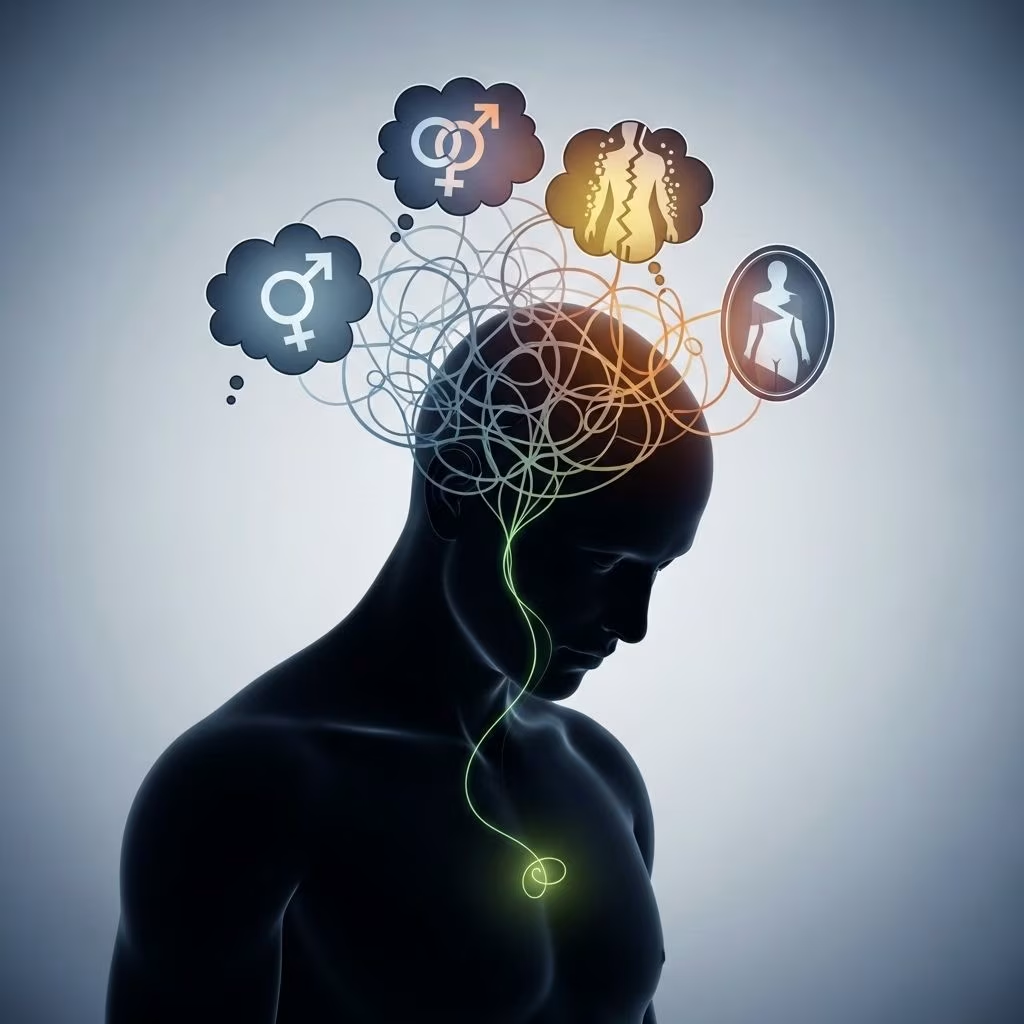
Dysphoria—a profound state of unease or dissatisfaction—can disrupt daily life, mental health, and well-being. This guide explores what dysphoria is, its causes, diverse forms, symptoms, potential complications, and proven coping mechanisms.
What is Dysphoria?
Dysphoria refers to a persistent feeling of discomfort or unhappiness that is often difficult to trace to any single cause. Unlike passing sadness, dysphoria can be intense, ongoing, and may affect every aspect of a person’s life. It is the semantic opposite of euphoria, denoting not pleasure or contentment but instead distress and dissatisfaction.
- Dysphoria is not a diagnosis on its own, but rather a symptom or feature seen in various mental health and medical conditions.
- It can be triggered by psychological, biological, or social factors.
- When prolonged, it often leads people to seek psychological or medical help.
Common Symptoms of Dysphoria
The experience of dysphoria varies between individuals, but some hallmark symptoms include:
- Intense feelings of sadness, hopelessness, or anxiety
- General dissatisfaction with life or oneself
- Irritability or anger
- Restlessness or agitation
- Difficulty concentrating or making decisions
- Fatigue or a sense of exhaustion
- Loss of interest in previously enjoyed activities
- Social withdrawal or isolation
In severe cases, dysphoria can contribute to suicidal thoughts or behaviors. Prompt professional intervention is critical for managing such risks.
Types of Dysphoria
Dysphoria can manifest in several forms, sometimes as a feature of specific mental or physical health conditions. Some frequently encountered types include:
1. Gender Dysphoria
Gender dysphoria refers to the distress stemming from a mismatch between a person’s gender identity (how they feel and see themselves) and the sex assigned to them at birth. This incongruence can cause deep emotional pain and functional impairment.
- Symptoms may begin in early childhood, adolescence, or adulthood.
- Not all transgender or gender-diverse individuals experience dysphoria, but many do.
- The experience of gender dysphoria is recognized in the DSM-5, providing access to supportive health care and interventions.
Symptoms of gender dysphoria often include:
- Persistent desire to be of another gender
- Discomfort or strong dislike of one’s primary or secondary sex characteristics
- Wishing for the physical traits of another gender
- Severe distress in social, occupational, or other important areas of functioning
2. Rejection Sensitive Dysphoria
Rejection sensitive dysphoria (RSD) describes extreme emotional sensitivity and pain triggered by the perception—whether real or imagined—of being rejected or criticized. It’s especially recognized in individuals with ADHD.
- Symptoms include overwhelming emotional pain, sadness, or rage in response to perceived rejection.
- It can lead to avoidance of social situations or people.
3. Drug-Induced Dysphoria
Certain medications (such as some antipsychotics, opioid antagonists, or withdrawal from substances like alcohol or opiates) can cause drug-induced dysphoria.
- Feelings of restlessness, irritability, and profound dissatisfaction are common.
- Such dysphoria may drive repeated substance use or relapses in those struggling with addiction.
4. Dysphoria in Psychiatric Disorders
- Major depressive disorder: Persistent low mood, lack of interest or pleasure, and feelings of worthlessness.
- Borderline personality disorder (BPD): Chronic feelings of emptiness, intense mood swings, and episodes of anger or self-harm often stem from deep-seated dysphoria.
- Bipolar disorder: Dysphoria may appear during depressive, manic, or mixed states, manifesting as severe irritability or restlessness.
Causes and Risk Factors of Dysphoria
Dysphoria may emerge due to a blend of biological, psychological, and social factors:
- Genetic and neurobiological vulnerability: Family history of mood disorders or certain gene variations may increase risk.
- Hormonal or physiological changes: Fluctuations in hormones—such as during puberty, pregnancy, or menopause—can trigger or worsen dysphoria.
- Chronic stress or trauma: Ongoing emotional or physical stress, abuse, or significant life changes may contribute to its development.
- Social/cultural pressures: Societal expectations, discrimination, or lack of support can exacerbate feelings of alienation or discomfort, especially in gender or sexual minorities.
- Medical conditions and medications: Chronic illness, neurological disorders, or certain drugs can impact brain function or mood, leading to dysphoria.
Diagnosing Dysphoria
Since dysphoria is often a symptom rather than an independent disorder (with the exception of gender dysphoria), diagnosis involves a thorough assessment to identify underlying or co-occurring conditions.
- Clinicians use psychological evaluations, interviews, and questionnaires to assess mood, mental status, and possible contributing factors.
- When gender dysphoria is suspected, specific diagnostic criteria from the DSM-5 guide assessment, focusing on persistent, consistent, and insistent distress related to gender identity and assigned sex.
- A thorough medical history helps rule out physical causes or medication effects.
Gender Dysphoria in Depth
Given its visibility in public discourse, a more detailed exploration of gender dysphoria is warranted.
What Is Gender Dysphoria?
Gender dysphoria involves intense discomfort or distress due to a discrepancy between an individual’s experienced or expressed gender and the gender assigned at birth. This sense of incongruence can result in profound impacts on mental health and functioning.
| Aspect | Description |
|---|---|
| Feeling | Strong desire to be perceived or treated as another gender |
| Physical experience | Discomfort with primary/secondary sex characteristics, wish for those of another gender |
| Distress/Impact | Marked impairment in social, occupational, or other life domains |
Who Experiences Gender Dysphoria?
- Transgender men, women, and non-binary individuals
- Those whose gender identity does not align with their physical body
- Not all transgender people experience dysphoria, but many do
Symptoms Across Age Groups
| Children | Adolescents and Adults |
|---|---|
|
|
Potential Causes of Gender Dysphoria
- Complex interplay of genetic, hormonal, and environmental influences
- Biological factors such as prenatal hormone exposure or differences in brain development
- Many individuals report experiencing gender incongruence from a very young age
- Higher incidence observed in some families, suggesting genetic links
There is no evidence that parenting style or upbringing alone causes gender dysphoria.
Mental Health Impacts
- Increased risk for anxiety, depression, and suicidal ideation
- Negative effects result from distress, discrimination, or lack of support, not from a person’s true gender identity
- Affirming care and supportive environments are protective factors
How Dysphoria Is Treated
Treatment for dysphoria must be tailored to its underlying causes and the individual’s unique needs. Common approaches include:
Psychotherapy
- Cognitive-behavioral therapy (CBT): Helps individuals challenge negative thought patterns and develop healthy coping mechanisms
- Supportive counseling: Provides validation and strategies for managing distress
- Family therapy: Focuses on improving communication and providing support, especially critical for children and adolescents
Medical Treatments
- Medication for treating underlying depression, anxiety, or mood disorders if present
- Medications only under careful medical supervision to avoid side effects that could worsen dysphoria
Gender-Affirming Treatments (for Gender Dysphoria)
- Hormone therapy: May alleviate distress for those seeking physical changes aligned with their gender identity
- Gender-affirming surgeries: For some, surgical procedures may reduce or resolve dysphoria
- Name and pronoun changes: Social transition steps can be deeply affirming and reduce emotional distress
Self-Care Strategies
- Engaging in hobbies or interests that promote positive emotions
- Building supportive social networks
- Mindfulness, relaxation, and stress reduction exercises
- Participating in support groups or online communities
Complications and Risks
Untreated or unaddressed dysphoria can result in substantial challenges, including:
- Severe depression or anxiety
- Substance misuse as a form of coping
- Difficulty maintaining relationships or employment
- Heightened risk of suicidal ideation or self-harm
Seeking timely and compassionate care can mitigate many of these risks.
When to Seek Professional Help
If you or someone you know is experiencing persistent feelings of distress, dissatisfaction, or emotional pain, consider seeking help if:
- Symptoms interfere with daily functioning or quality of life
- You experience thoughts of self-harm or suicide
- Distress is persistent, or you find it difficult to manage without support
Mental health professionals—such as therapists, psychologists, or psychiatrists—can provide assessment, support, and guidance.
Frequently Asked Questions (FAQs)
What is the difference between dysphoria and depression?
Dysphoria is a state of unease or dissatisfaction that may exist as part of depression, but depression is a diagnosable mood disorder with specific clinical criteria including persistent sadness, loss of interest, and impaired daily functioning.
Can dysphoria resolve on its own?
Sometimes dysphoria can improve or resolve with life changes, support, or therapy. However, chronic dysphoria often requires intervention to address underlying issues and prevent complications.
Is gender dysphoria the same as being transgender?
No. Gender dysphoria refers specifically to the distress associated with a mismatch between gender identity and assigned sex, whereas being transgender describes someone whose gender identity differs from their assigned sex at birth. Not all transgender people experience gender dysphoria.
Are medications available to treat dysphoria?
Certain medications—such as antidepressants or anxiolytics—can help manage symptoms of dysphoria when driven by mood or anxiety disorders, but medication is not appropriate in all cases and should be prescribed by a healthcare professional.
How can I support someone experiencing dysphoria?
Listen without judgment, offer emotional support, encourage seeking professional help, and respect their lived experience with empathy and compassion. For gender dysphoria, using preferred names and pronouns and supporting social/medical transition can be especially affirming.
Resources and Support
- Mental health helplines and crisis support services
- LGBTQ+ support organizations for those experiencing gender dysphoria
- Online and community-based support groups
- Licensed mental health professionals
Understanding dysphoria is the first step towards reducing stigma and accessing compassionate, effective care. Whether for yourself or someone you care about, know that help is available and recovery is possible.
References
- https://en.wikipedia.org/wiki/Dysphoria
- https://www.ncbi.nlm.nih.gov/books/NBK532313/
- https://www.mountsinai.org/health-library/diseases-conditions/gender-dysphoria
- https://www.mayoclinic.org/diseases-conditions/gender-dysphoria/symptoms-causes/syc-20475255
- https://www.nhs.uk/conditions/gender-dysphoria/
- https://www.psychiatry.org/patients-families/gender-dysphoria/what-is-gender-dysphoria
- https://my.clevelandclinic.org/health/diseases/24099-rejection-sensitive-dysphoria-rsd


