


What Is Emotional Lability?
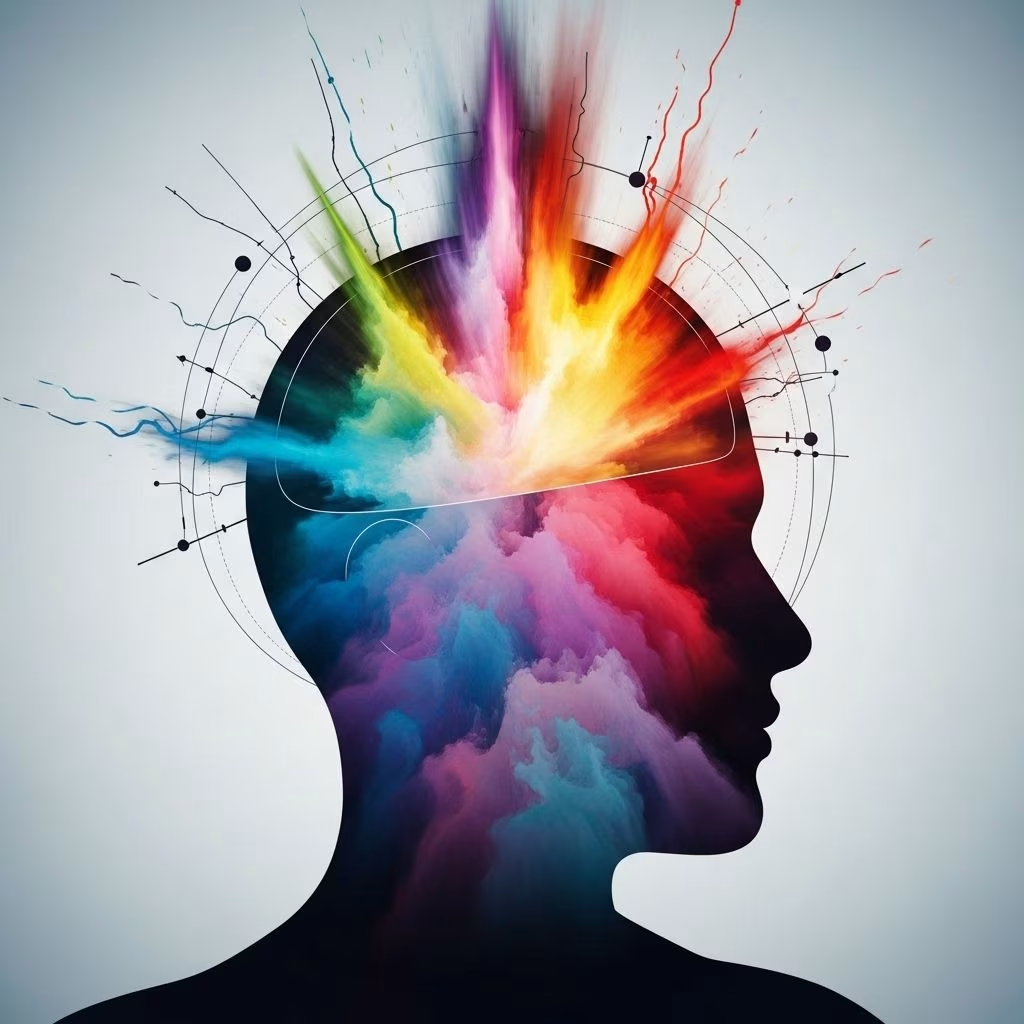
Emotional lability is a condition characterized by rapid, exaggerated, and often unpredictable changes in mood or emotional state. Individuals may experience intense, uncontrollable emotional outbursts such as laughing or crying, frequently without a clear or appropriate trigger. These responses can be disproportionate to the situation, making them especially distressing to the person and those around them.
Key Features of Emotional Lability
- Sudden, extreme shifts in mood
- Feelings and behaviors seem out of proportion or context
- Difficulty controlling emotional expression
- Outward emotions may not match internal feelings
Symptoms of Emotional Lability
Emotional lability manifests in a variety of symptoms. Individuals often feel their emotions overpowering, unpredictable, and resistant to their normal coping mechanisms. Common symptoms include:
- Uncontrollable laughing or crying: Emotional outbursts often occur suddenly and may last only a few minutes, with little connection to the individual’s true mood.
- Heightened irritability or temper: People become easily angered or agitated, sometimes in response to slight provocation.
- Physical agitation: Restlessness or fidgeting may accompany mood swings.
- Overreaction: Strong responses to minor events or stimuli, such as movies, jokes, or stories.
- Mixed emotional outbursts: Episodes may shift rapidly from laughter to tears and vice versa.
- Attention difficulties: Trouble concentrating and maintaining focus during episodes.
- Unusual emotive responses: Exhibiting emotions that do not fit the situation or are uncharacteristic of the person’s usual behavior.
Causes of Emotional Lability
The underlying causes of emotional lability typically involve disruptions in brain function affecting emotional regulation. Several medical, psychological, and environmental factors may contribute:
Neurological Causes
- Brain injury or trauma: Damage to regions such as the hippocampus or amygdala impairs emotional control, with trauma or stroke often cited.
- Neurological conditions: Stroke, multiple sclerosis, dementia, and other disorders can lead to emotional lability, sometimes referred to as pseudobulbar affect or pathological laughing and crying.
Psychiatric and Developmental Disorders
- Bipolar disorder: Manic or hypomanic episodes may involve affective lability.
- ADHD: Emotional dysregulation is common in adults and children with ADHD.
- Autism spectrum disorder: Individuals may exhibit rapid mood changes and heightened emotional responses.
- Borderline or histrionic personality disorder: Marked by unstable mood and exaggerated emotional reactions.
- Post-traumatic stress disorder (PTSD): Intense emotional shifts in response to triggers.
Medical Conditions and Substances
- Thyroid disease: Sometimes emotional lability appears as an early sign.
- Substance intoxication: Alcohol, benzodiazepines, and certain drugs can lower inhibition of emotional expression.
Environmental and Situational Triggers
- Excess sensory stimulation: Crowded or noisy environments, or exposure to others’ strong emotions.
- Emotional stress: Grief, anxiety, frustration, or loss often exacerbate symptoms.
- Fatigue: Tiredness can lower emotional resilience.
Who Is Affected?
Emotional lability can occur at any age but often affects the following groups:
- Individuals with neurological conditions: Those recovering from stroke, traumatic brain injury, or living with dementia.
- Children: Especially those with ADHD or who experience neglect, leading to frequent tantrums or crying spells.
- Adults with psychiatric disorders: Those with diagnosed bipolar disorder, PTSD, or personality disorders.
Diagnosis of Emotional Lability
Diagnosis primarily relies on clinical assessment, a careful review of symptoms, and consideration of underlying neurological or psychiatric conditions. Health professionals may:
- Gather detailed history of emotional episodes—duration, frequency, triggers, and context
- Screen for neurological issues through imaging and neurological exam (especially after head injury or stroke)
- Evaluate for psychiatric or developmental disorders if emotional lability appears without clear medical cause
- Rule out medication or substance-related emotional changes
Standardized assessment tools may be used to help quantify symptoms and impact on daily functioning.
Impact on Everyday Life
Emotional lability can profoundly affect quality of life and relationships. Frequent unpredictable emotional outbursts and mood swings often cause issues:
- Strained family or social relationships due to misunderstood or excessive reactions
- Difficulty in workplace or school settings, especially in jobs or tasks requiring emotional regulation
- Social isolation as individuals may withdraw to avoid embarrassment
- Challenges maintaining attention and focus during emotional episodes
- Lowered self-esteem or confidence
For children, emotional lability can impede development, academic progress, and peer relationships. Adults may find intimacy and professional advancement difficult due to their condition.
Treatment and Management of Emotional Lability
Effective management combines medical intervention, behavioral therapies, and lifestyle modifications. Approach depends on underlying causes and severity of symptoms.
Medical Treatments
- Prescription medications:
- Antidepressants (SSRIs, tricyclics) for underlying mood disorders and pseudobulbar affect
- Mood stabilizers or anticonvulsants in bipolar or seizure-related cases
- Stimulants for ADHD-associated emotional lability
- Treating underlying neurological or medical disorders:
- Physical rehabilitation after stroke or injury
- Thyroid disease or other medical conditions corrected accordingly
Psychological and Behavioral Approaches
- Cognitive Behavioral Therapy (CBT): Helps individuals recognize and manage triggers, develop coping strategies, and reframe their responses
- Mindfulness-based practices: Regular meditation, breathing exercises, and relaxation techniques aid emotional regulation
- Psychoeducation: Learning about emotional lability empowers patients and families to identify signs and support healthier coping
- Support groups: Shared experiences foster understanding and resilience
Lifestyle Changes and Daily Coping
- Maintain a consistent routine and sleep schedule
- Avoid overstimulating environments and known emotional triggers
- Practice regular physical activity and healthy eating
- Use self-soothing methods, such as deep breathing or listening to music
- Reach out for help when feeling overwhelmed
- Develop strong communication skills to articulate feelings to trusted contacts
Prevention and Long-Term Outlook
While not all causes of emotional lability can be prevented, early intervention and management can reduce severity and improve outcomes. Key strategies include:
- Consistent medical care for neurological or chronic health conditions
- Timely treatment for mental health disorders
- Family and caregiver education to promote supportive responses to emotional outbursts
- Encouraging social inclusion and nurturing relationships
With appropriate treatment and support, many people with emotional lability can lead productive, fulfilling lives. Challenges with mood and emotions may persist, but strategies exist to help individuals and families cope effectively.
Frequently Asked Questions
What is emotional lability?
Emotional lability is a neurological and psychological condition characterized by rapid, exaggerated shifts in mood or affect, often resulting in uncontrollable laughing, crying, or irritability.
What causes emotional lability?
Common causes include brain injury, neurological diseases (such as stroke or dementia), psychiatric disorders (like bipolar disorder and ADHD), and environmental stressors.
How is emotional lability diagnosed?
Diagnosis is based on clinical assessment of symptoms, patient history, and evaluation for underlying neurological or psychiatric conditions. Brain imaging and standardized tools may assist in diagnosis.
Can emotional lability be treated?
Yes, treatment may involve medications, psychotherapy, lifestyle changes, and support groups. Effectiveness depends on the underlying cause and individual response.
Is emotional lability the same as mood swings?
While both involve fluctuations in mood, emotional lability specifically refers to uncontrollable, rapid, and extreme emotional outbursts that are often incongruent with the situation.
How can family and friends help someone with emotional lability?
Providing support, understanding, avoiding judgment, and encouraging professional help can make a significant difference. Learning about the condition is also essential for caregivers and loved ones.
Key Takeaways
- Emotional lability involves rapid, intense, and usually uncontrollable emotional shifts.
- It is commonly linked to neurological, psychological, and medical causes, but may also be triggered by environmental stressors.
- Symptoms range from uncontrollable laughing or crying to temper outbursts and are often distressing for individuals and families.
- Diagnosis and management require a holistic approach, incorporating medical, psychological, and behavioral interventions.
- With effective treatment and support, many individuals with emotional lability can improve emotional regulation and quality of life.
References
- https://www.webmd.com/mental-health/what-is-emotional-lability
- https://en.wikipedia.org/wiki/Emotional_lability
- https://damorementalhealth.com/labile-mood-emotional-lability/
- https://www.medicalnewstoday.com/articles/emotional-lability
- https://www.healthline.com/health/emotional-lability
- https://www.psychologytoday.com/us/blog/click-here-for-happiness/202301/what-is-emotional-lability
- https://www.amenclinics.com/blog/emotional-lability-hidden-brain-issues-behind-mood-swings-2/


