


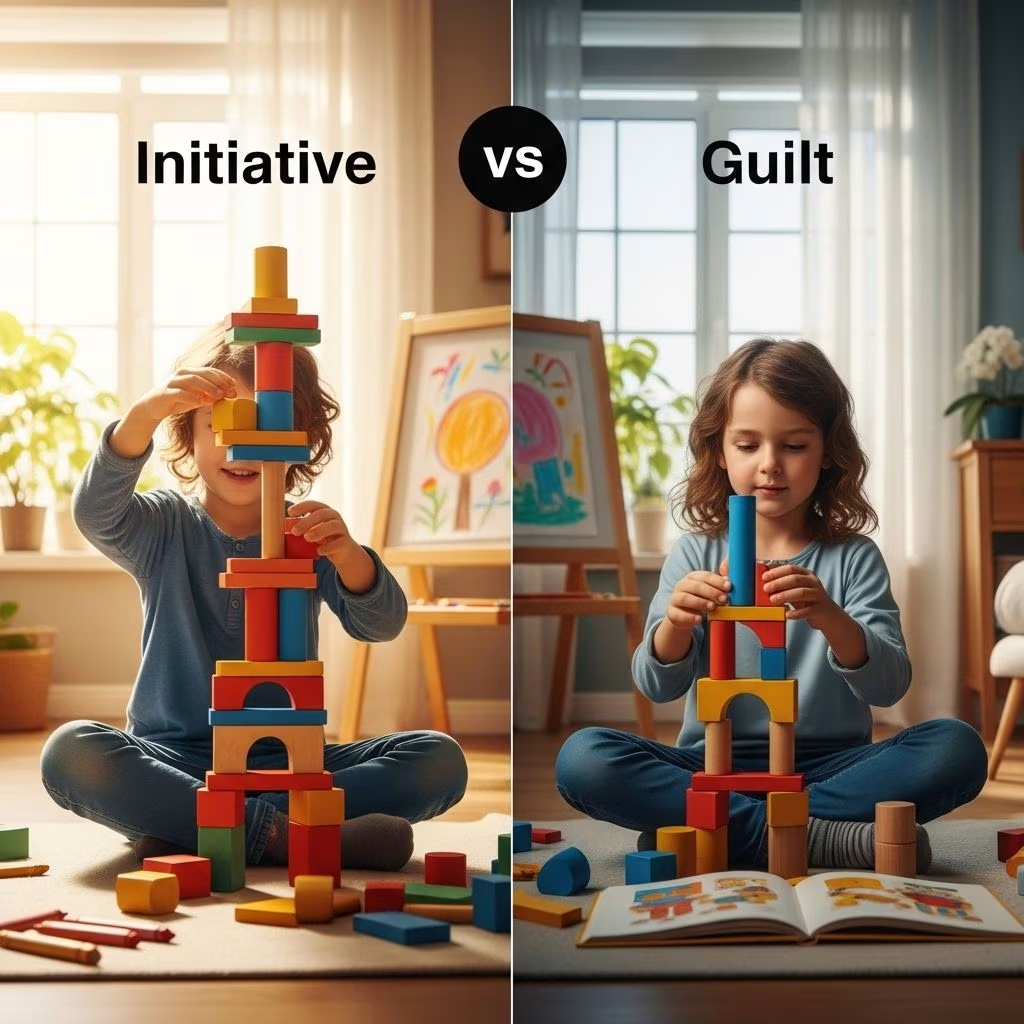
Initiative vs. guilt is the third stage in Erik Erikson’s influential theory of psychosocial development. Occurring during early childhood (ages 3 to 6), this pivotal period is marked by children’s emerging desire to plan, pursue new activities, and assert control over their actions and environment. The way children resolve the conflict between initiative and guilt shapes their sense of purpose, confidence, and lifelong approach to challenges.
Understanding Erikson’s Stage Theory
Erik Erikson, a renowned developmental psychologist, proposed eight stages of psychosocial development that individuals navigate throughout their lives. Each stage presents a unique crisis or conflict that must be resolved for healthy psychological growth. The third stage—initiative vs. guilt—represents a crucial period when children learn to balance their burgeoning independence with the boundaries set by their social environment.
- Stage: Initiative vs. Guilt
- Age Range: 3 to 6 years old (preschool age)
- Associated Virtue: Purpose
- Key Conflict: Developing initiative without overwhelming guilt
The Foundation of the Initiative vs. Guilt Stage
This stage follows earlier periods (trust vs. mistrust and autonomy vs. shame and doubt) in which children develop basic trust in others and autonomy over their own bodies and actions. The foundation of those previous successes enables children to take initiative—to embark on planned tasks, dream big, and experiment with new roles. At the same time, their increasing social interaction with adults and peers introduces a risk of experiencing guilt when their efforts are met with disapproval or failure.
Developmental Period and Characteristics
- Preschool years: Marked by rapid growth in language, imagination, and social skills
- Curiosity and exploration: Children have a strong drive to explore their world, invent games, and lead play
- Desire for independence: Preschoolers increasingly seek to make choices and act independently
- Emergence of planning: They begin to set goals (e.g., building a fort, directing group play, creating stories)
What Is Initiative?
Initiative refers to a child’s active desire to begin new projects, approach novel experiences, and explore their surroundings. During this stage, children:
- Take charge of play, creating stories or inventing games
- Attempt new skills (tying shoes, dressing themselves, organizing pretend activities)
- Show willingness to lead or direct group interactions
- Display curiosity by asking questions and challenging established ways
Initiative is fostered when children are encouraged to try, make mistakes, and persist without harsh criticism. Successful resolution of this conflict helps children develop the virtue of purpose—a sense of direction, ambition, and perseverance.
What Is Guilt?
Guilt arises when a child’s attempts to take initiative are met with punishment, criticism, or failure. Key characteristics of guilt during this stage include:
- Feeling ashamed or embarrassed after making mistakes
- Interpreting failures as personal flaws (“I’m bad” rather than “I failed”)
- Reluctance to try new activities due to fear of judgment
- Withdrawing from social situations or group play
Excessive guilt can stifle exploration, leading children to become inhibited, dependent, or overly self-critical. On the other hand, a healthy sense of guilt can encourage empathy and moral awareness when children understand the impact of their actions on others.
Table: Comparing Initiative and Guilt
| Initiative | Guilt |
|---|---|
| Enthusiasm for new tasks & ideas | Shame after mistakes or failures |
| Initiating play and activities with peers | Reluctance to attempt new experiences |
| Learning what can and cannot be controlled | Fear of judgment or criticism from others |
| Sustained ambition and determination | Withdrawal from social interaction |
| Development of confidence and purpose | Feelings of being ‘bad’ or unworthy |
Social Environment and Its Impact
The balance between initiative and guilt is heavily influenced by how caregivers, parents, and educators respond to children during this stage. Supportive environments provide opportunities for independent action, while excessive control or criticism fosters guilt. Important factors include:
- Encouragement and Praise: Recognizing effort, even when results are messy or imperfect
- Room for Exploration: Allowing children space and freedom to try new things
- Constructive Feedback: Guiding children to learn from mistakes, not punishing or shaming them
- Clear Boundaries: Setting appropriate limits while not being overly restrictive or critical
When adults foster these conditions, children are more likely to develop resilience, creativity, and perseverance.
Consequences of Balance: Healthy and Unhealthy Outcomes
The outcome of the initiative vs. guilt stage determines fundamental aspects of personality and behavior:
- Successful Resolution: Child develops purpose, courage to try new things, and healthy self-esteem
- Failure to Resolve: Child struggles with self-doubt, fear of failure, and avoids challenges
Failure to appropriately balance initiative with guilt can lead to difficulties such as:
- Low ambition or reluctance to set personal goals
- Over-dependence on others for direction
- Social withdrawal and fear of rejection
- Problems with peer relationships and assertiveness
Strategies for Supporting Healthy Initiative
Caring adults play a crucial role in helping children navigate this developmental stage. Recommendations for fostering healthy initiative include:
- Encourage Play: Provide opportunities for imaginative and cooperative play, where children can create rules, stories, and roles
- Model Trying and Learning: Show that making mistakes is part of growth, and try new things alongside children
- Avoid Over-Criticism: Critique the behavior, not the child; avoid shaming or using negative language about failures
- Celebrate Effort: Praise determination and perseverance, not just outcomes
- Promote Problem Solving: Guide children in working through challenges rather than immediately stepping in to fix things
- Set Realistic Expectations: Allow autonomy within age-appropriate boundaries
- Encourage Questions: Welcome curiosity and dialogue about ideas, even if they seem unrealistic or fantastical
Long-Term Effects: The Virtue of Purpose
The core virtue developed in this stage is purpose—the ability to pursue goals with a sense of direction, value, and persistence. Children who cultivate purpose are likely to:
- Approach challenges with confidence
- Take on leadership roles
- Relate positively to peers
- Set and achieve meaningful personal goals
Conversely, persistent guilt and inhibition can result in ongoing difficulties with assertiveness, creativity, and emotional resilience in later stages of life.
Examples of Initiative vs. Guilt in Everyday Life
- Building a Fort: A child gathers pillows and chairs to construct a fort, leads siblings in play, and feels proud when the group participates. If an adult harshly criticizes the mess or takes over the project, the child may feel guilty or discouraged.
- Organizing Games: During recess, a preschooler proposes a new game and organizes friends to join, learning social leadership skills. If other children reject the idea or an adult invalidates it, feelings of guilt or shyness may surface.
- Everyday Independence: A child insists on dressing themselves or preparing snacks. Positive encouragement leads to pride in achievement, while scolding over small mistakes might foster shame.
Role of Caregivers and Educators
Adults can help children thrive during this stage by:
- Celebrating spontaneous creativity, imagination, and self-initiated tasks
- Responding to mistakes with patience and positivity
- Providing opportunities for leadership and group participation
- Respecting a child’s growing autonomy but maintaining clear safety rules and limits
- Modeling a balanced approach to risk-taking, problem-solving, and learning from errors
Frequently Asked Questions (FAQs)
What is the initiative vs. guilt stage in Erikson’s theory?
The initiative vs. guilt stage is the third in Erik Erikson’s psychosocial development theory, occurring between ages 3 and 6. During this time, children develop a sense of purpose by taking initiative in activities and learning to navigate feelings of guilt when their actions are unsuccessful or criticized.
What are signs that a child is developing initiative?
Signs include eagerness to take on new tasks, starting games or activities, showing curiosity through questions, making independent choices, and displaying resilience after setbacks.
What happens if a child develops excessive guilt in this stage?
Children may become inhibited, avoid challenges, display low self-esteem, withdraw socially, or need constant reassurance. They may also have trouble asserting themselves later in life.
How can parents and teachers support healthy development during this stage?
By encouraging exploration, framing mistakes as learning opportunities, giving positive feedback, setting reasonable boundaries, and modeling confident problem-solving, adults can foster both initiative and a balanced sense of responsibility.
What virtue results from successful resolution of this conflict?
The core virtue is purpose—the ability to pursue goals with intention, confidence, and perseverance.
Key Takeaways
- Initiative vs. guilt is a pivotal stage in early childhood, typically ages 3–6, during which children balance independence and social boundaries.
- Encouragement of exploration and imagination leads to confidence, creativity, and a sense of purpose.
- Excessive guilt or rigid discipline may result in hesitation, low self-esteem, and difficulty engaging with peers and challenges.
- Parents and educators play a vital role in supporting healthy psychosocial development by providing nurturing, positive, and empowering environments.
- Lessons learned during this stage have a lasting impact on personality, ambition, social relationships, and emotional growth.
References
- https://socialworkexams.com/understanding-ericksons-initiative-vs-guilt/
- https://www.cbtdenver.com/blog/initiative-vs-guilt
- https://unf.pressbooks.pub/childandadol/chapter/erikson-initiative-vs-guilt/
- https://fiveable.me/key-terms/foundations-education/initiative-vs-guilt
- https://bookdown.org/nathalieyuen/understanding-the-whole-child/erikson-initiative-vs-guilt.html
- https://www.betterhelp.com/advice/guilt/initiative-vs-guilt-a-stage-of-psychosocial-development/
- https://www.simplypsychology.org/erik-erikson.html
- https://dictionary.apa.org/initiative-versus-guilt
- https://www.ncbi.nlm.nih.gov/books/NBK556096/


