


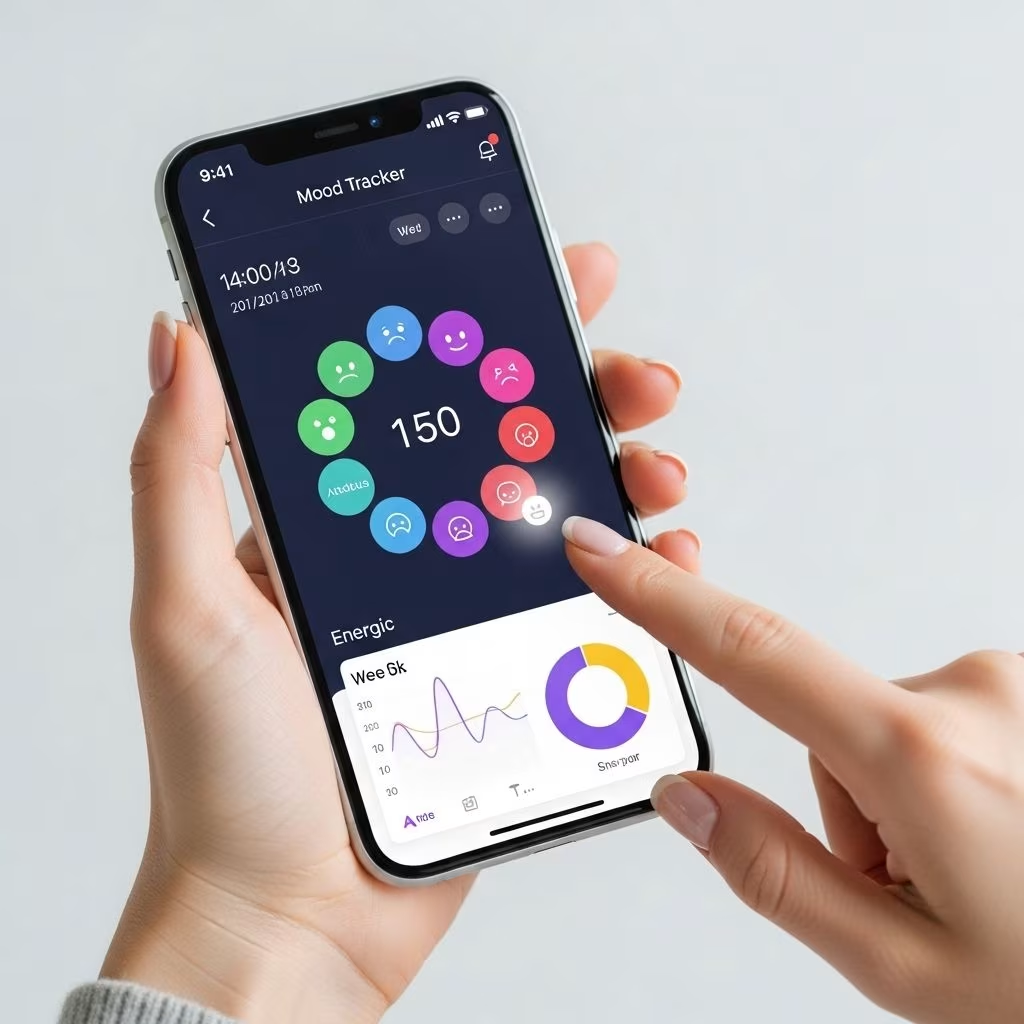
What Is a Mood Tracker?
A mood tracker is a tool designed to help individuals monitor, record, and reflect on their emotional states over time. By capturing daily moods, triggers, and patterns, mood trackers empower people to understand emotional fluctuations, manage stress, and identify connections between life events and mental health. These tools can range from simple paper journals to sophisticated mobile apps, offering a flexible approach to emotional self-care.
Why Track Your Mood?
Moods are an intrinsic part of our daily lives. Tracking your mood allows you to:
- Recognize patterns in your emotional state over days, weeks, or months.
- Identify internal and external triggers that affect your mental wellbeing.
- Support therapy and treatment with objective mood data and progress tracking.
- Enhance self-awareness and deepen your understanding of emotional responses.
- Develop healthier coping mechanisms by noticing what helps or hinders your mood.
Mood tracking is useful for anyone interested in emotional wellness, but it is especially valuable for people managing depression, anxiety, or other mood disorders.
Benefits of Using a Mood Tracker
Research and user experiences consistently suggest multiple benefits of mood tracking:
- Improved emotional regulation: By visualizing daily mood fluctuations, individuals can consciously respond to their emotions rather than reacting impulsively.
- Identifying triggers and stressors: Tracking helps uncover connections between events, environments, diet, sleep, and mood shifts.
- Enhancing self-awareness: Regular mood monitoring fosters greater insight into your emotional life and supports personal growth.
- Measurable progress: Reviewing historical data validates improvements, making recovery and management more motivating.
- Optimizing mental health care: Sharing mood records with professionals helps refine treatment and encourages collaborative care.
- Empowerment: Mood trackers give users a sense of control, encouraging proactive steps for wellbeing.
How Does Mood Tracking Work?
Mood tracking typically involves consistently recording your emotional states and related details. The process may include:
- Logging mood ratings at regular intervals (daily, multiple times a day).
- Describing emotions (e.g., anxious, excited, sad, energized).
- Writing notes about potential triggers (events, interactions, sleep, diet).
- Recording physical symptoms or behaviors like sleep quality, activity level, or appetite.
- Reflecting on patterns and reviewing historical trends.
Users can track thoughts, coping mechanisms, and positive or negative influences on mood, allowing for detailed pattern analysis and proactive coping strategy development.
Types of Mood Trackers
There are various ways to track your mood, each offering unique features and benefits. Common types include:
- Paper Journals: Handwritten diaries or daily planners. Creative and tactile, ideal for those who prefer unplugged tracking.
- Printable Charts: Pre-designed tables or graphs. Beneficial for visualizing progress and spotting trends; these can be found online or made personally.
- Visual Trackers: Illustrated tools like mood mandalas or color-coded calendars. Suitable for those who enjoy art and visual data representation.
- Mobile Apps: Digital solutions for systematic tracking, offering reminders, analytics, and customization. Popular due to convenience and integration with smartphones.
| Type of Tracker | Features | Pros | Cons |
|---|---|---|---|
| Paper Journal | Handwritten notes, creative freedom | Unplugged, personal expression | No automated analysis, not portable |
| Printable Chart | Pre-designed tables/graphs | Visual trends, easy review | Manual updates, less flexible |
| Visual Tracker | Art-based, color-coded systems | Engaging, good for visual learners | Limited data detail |
| Mobile App | Automated analytics, reminders | Convenient, portable, insightful | Privacy/screen time concerns |
Mood Tracker Apps: Features and Considerations
With hundreds of mood tracker apps available, choosing the right one depends on personal needs. Key features may include:
- Customizable entries for mood labels, triggers, notes.
- Charts and graphs for visualizing data trends over weeks or months.
- Reminders and notifications to encourage consistency.
- Export options for sharing with healthcare professionals.
- Integration with other wellness apps (sleep, activity, journaling).
- Security and privacy settings to protect sensitive data.
Many users find digital tracking easier to maintain, while others stick to analog tools for tactile engagement or privacy reasons.
Who Should Use a Mood Tracker?
While anyone can benefit from keeping track of their emotional states, certain groups may find mood trackers especially valuable:
- Individuals diagnosed with depression, anxiety, bipolar disorder, or other mood disorders.
- People in therapy or counseling seeking deeper self-insight or treatment optimization.
- Those experiencing stressful life changes, chronic health conditions, or recovery.
- Anyone aiming for emotional growth, resilience, or better wellbeing.
Mood tracking supports proactive self-care and can reveal subtle but meaningful shifts in emotional health.
How to Get Started with Mood Tracking
Starting a mood tracker doesn’t require special technology or expertise. Follow these steps to begin:
- Choose your method (paper journal, app, chart, visual tool).
- Select mood categories—decide on a scale (e.g., 1–5), emotions (sad, happy, anxious, neutral), or custom labels.
- Set a schedule for recordings: daily, morning and evening, or at specific times.
- Record triggers, events, or related factors (sleep, food, stressors, interactions).
- Review your data weekly or monthly to spot patterns and reflect on progress.
- Share with professionals if desired, to aid therapy or treatment.
Consistency matters more than complexity; even simple, regular entries yield valuable insights.
Common Challenges and Tips for Success
- Consistency: Forgetting to record moods can limit usefulness. Set reminders or create routines.
- Authenticity: Honesty is vital. Record true feelings, even if they’re difficult to admit.
- Privacy: Keep trackers secure—use passwords or paper locked away.
- Overcomplication: Start simple; add detail as it becomes comfortable and useful.
- Integration: Combine mood tracking with journaling or health logs for richer context.
How Mood Trackers Support Mental Health
Mood trackers do more than document emotions; they support holistic mental health and daily wellbeing by:
- Recognizing mental illness patterns: Mood data helps identify cycles and triggers in depression and anxiety.
- Informing medical treatment: Objective records help clinicians adjust medications and therapies more effectively.
- Measuring progress: Tangible evidence of healing can encourage continued recovery and resilience.
- Encouraging self-care: When individuals notice negative trends, they can take action earlier.
- Strengthening the therapeutic alliance: Sharing mood data can build trust and cooperation between patient and provider.
FAQ: Mood Trackers and Emotional Wellness
How often should I record my mood?
Ideally, record your mood at least once a day, or during significant events. Some prefer morning/evening entries, while others log whenever their mood shifts.
Can mood trackers help with depression or anxiety?
Yes. Mood tracking helps individuals and professionals notice patterns, triggers, and trends associated with depression or anxiety, supporting better management and treatment.
Which is better: paper or digital mood tracker?
Both are effective; choose based on personal preference. Paper may encourage reflection and creativity, while digital tools offer organization, analytics, and ease of sharing.
What should I do if my mood tracker shows worrying trends?
If consistent negative moods occur, consider reaching out to a mental health professional. Mood data provides a useful starting point for conversation and support.
Are mood tracker apps secure?
Most reputable apps offer privacy controls. Always check data security features before sharing sensitive information.
Final Thoughts: Taking Control of Your Emotional Wellbeing
Mood trackers foster emotional insight, facilitate positive change, and strengthen mental health management. Whether for personal growth or to support clinical care, regularly recording moods and related factors equips individuals with the awareness and tools to thrive. Choose a method that fits your lifestyle, stay consistent, and use your findings as a foundation for enhanced wellbeing.
References
- https://elliementalhealth.com/how-to-become-more-aware-of-your-emotions-and-triggers-with-mood-tracking/
- https://www.alisbh.com/blog/mood-tracking-tools-and-benefits/
- https://www.bettersleep.com/blog/how-a-mood-tracker-can-help-and-how-to-make-one
- https://missionconnectionhealthcare.com/blog/depression-mood-tracker-what-it-is-how-to-use-it/
- https://pmc.ncbi.nlm.nih.gov/articles/PMC8387890/
- https://www.thoughtfull.world/resources/blog/three-benefits-of-tracking-your-mood
- https://pmc.ncbi.nlm.nih.gov/articles/PMC5977660/
- https://www.betterhealth.vic.gov.au/health/healthyliving/monitoring-your-mood


