


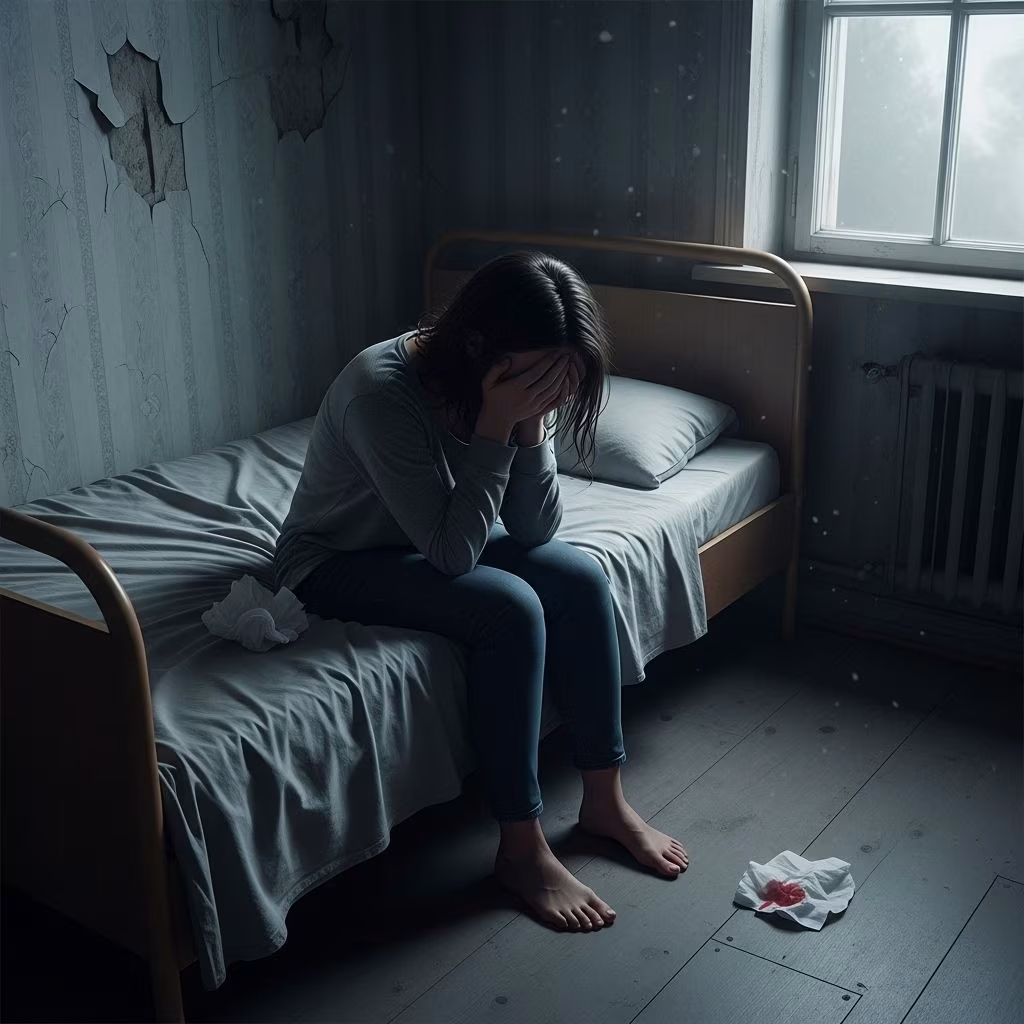
Reactive abuse is a complex and often misunderstood phenomenon that can occur in abusive relationships. Even though the term is widespread, its true meaning and consequences are often misinterpreted. This article explores what reactive abuse is, how to recognize its signs, its profound psychological effect, and expert strategies for breaking out of the cycle. Unpacking each aspect of reactive abuse is crucial not only for individuals in abusive situations but also for loved ones, professionals, and anyone seeking to understand or support those affected by abuse.
What Is Reactive Abuse?
Reactive abuse happens when a person who has been subjected to ongoing psychological, emotional, verbal, or physical abuse temporarily reacts with aggressive or confrontational behavior. This response might be yelling, hitting, insults, or other outbursts in an attempt to defend against relentless harm. These reactions are usually impulsive and a direct result of feeling cornered or overwhelmed by continued mistreatment.
- Typically is a response to severe and repeated abuse, not the start of mutual conflict.
- The person accused of ‘reactive abuse’ is often actually the victim acting in self-defense or from emotional distress.
- The term is sometimes misused, weaponizing the victim’s reaction to twist the narrative and mask the actual abuse taking place.
Unlike traditional abuse—where the abuser seeks control—reactive abuse is an attempt at self-protection or an act of emotional survival. It is crucial to recognize the distinction between the two, as mislabeling can perpetuate harm and further isolate victims.
Reactive Abuse vs. Self-Defense
Self-defense is the act of protecting oneself from immediate harm, usually in response to a direct threat. Reactive abuse, in contrast, refers to responses that may be seen as excessive or aggressive, but stem from prolonged exposure to any kind of abuse.
| Self-Defense | Reactive Abuse |
|---|---|
| Direct action to stop imminent harm | Impulse-driven reaction to chronic mistreatment |
| Typically understandable and justified legally and ethically | Often out of character, seen as losing control or ‘snapping’ |
| Immediate threat involved | May not involve direct threat in the moment but follows ongoing abuse |
Signs of Reactive Abuse
Understanding and identifying the signs of reactive abuse is an important step towards clarity and protection. Victims may not recognize their own behaviors as reactive, especially if they have begun to doubt their perception due to gaslighting or manipulation from the abuser.
- Verbal Outbursts: Yelling, name-calling, or harsh statements made in response to provocations or belittling.
- Physical Retaliation: Pushing, slapping, throwing objects, or sudden physical violence when pushed beyond emotional limits.
- Emotional Reactions: Crying hysterically, emotional shutdown, or strong outpourings of anger or frustration.
- Defensive Actions: Standing up for oneself in heated ways that appear confrontational or hostile to outsiders.
- Humiliating the Abuser: Making public remarks or taking actions aimed at shaming the abuser in front of others after intense provocation.
Victims often feel immense guilt or shame after these incidents because their behavior appears aggressive, which can then be weaponized by the abuser to shift blame and play the victim.
How Reactive Abuse Is Misunderstood & Manipulated
One of the most damaging aspects of reactive abuse is how easily it is misrepresented—by abusers, outsiders, and, most critically, by victims themselves. Abusers may:
- Shift the Narrative: Focus on the victim’s reaction rather than their own chronic abuse, claiming ‘mutual abuse’ or painting themselves as the real victim.
- Gaslight the Victim: Use manipulation tactics to make the victim question their actions, memory, and even sanity.
- Create Self-Doubt and Shame: Victims internalize the blame, begin to believe they are the abusive one, or feel guilty enough to avoid seeking help.
This spiral of confusion intensifies the trauma, making it harder for victims to break free from the destructive cycle. Outsiders—such as friends, family, or law enforcement—may misunderstand these reactions, leading to further isolation.
Gaslighting and Reactive Abuse
Gaslighting is a form of psychological manipulation that makes individuals doubt their own perception or memory. When combined with reactive abuse, gaslighting can become especially treacherous. The abuser might continually provoke their partner, wait for an explosive reaction, and then use that response as ‘proof’ of the victim’s instability or aggression. Over time, this erodes confidence and increases dependence on the abuser’s narrative.
Common Examples of Reactive Abuse
- Emotional Outbursts: After prolonged emotional manipulation, the victim may scream or say hurtful things that are out of character.
- Physical Actions: Throwing objects, slamming doors, or even hitting the abuser as a desperate attempt to defend themselves.
- Reciprocal Manipulation: Mirroring the abuser’s belittling or name-calling, often as a last resort to regain some power in the situation.
- Emotional Shutdown: The victim might stop responding entirely, disconnecting emotionally or withdrawing from all interaction.
The Impact of Reactive Abuse
Short-Term Effects
- Confusion: Victims question their sanity, wondering if they are actually the abuser in the relationship.
- Shame and Guilt: A cycle of remorse follows aggressive or out-of-character behaviors, leading to further isolation.
- Fear of Retaliation: Reacting strongly may provoke future abuse, making the victim feel unsafe even during periods of apparent calm.
- Relationship Instability: These incidents increase volatility and emotional turmoil, preventing stability and security.
Long-Term Effects
- Low Self-Esteem: Prolonged manipulation causes chronic feelings of worthlessness or inadequacy.
- Emotional Numbness: To survive ongoing abuse and guilt, some victims detach emotionally from those around them.
- Trust Issues: Suffering repeated cycles of provocation and blame leads to difficulty trusting others—both in and outside relationships.
- Mental Health Issues: Increased risk of anxiety, depression, post-traumatic stress disorder (PTSD), and other trauma-related symptoms.
- Reluctance to Seek Help: Shame or confusion about one’s own actions hinders accessing support, prolonging the cycle.
How Abusers Use Reactive Abuse to Their Advantage
Abusers frequently prompt or provoke their victim into a defensive or violent reaction and then leverage this incident in multiple damaging ways:
- Justifying Their Own Behavior: Abusers point to the victim’s ‘outburst’ to excuse their own abusive actions.
- Gaining Sympathy: They highlight the reactive abuse to garner support from friends, family, or authorities.
- Increasing Control: By making the victim doubt themselves, abusers deepen their emotional control and lessen the likelihood of the victim leaving or seeking outside help.
Why Is the Term “Reactive Abuse” Misleading?
- The term can make it appear that both partners are equally abusive, which is rarely the case.
- It obscures the power dynamic and control central to ongoing abuse, incorrectly implying equivalence.
- According to major domestic violence organizations, true mutual abuse is extremely rare—almost always, one person is primarily controlling or harming the other.
Tips to Break the Cycle of Reactive Abuse
Ending the pattern of reactive abuse requires self-awareness, practical strategies, and, in many cases, support from professionals or trusted allies. Here’s how to start moving forward:
1. Recognize the Pattern
- Be honest about your responses—identify if your outbursts, shutdowns, or other behaviors often follow provocation or sustained mistreatment.
- Pay attention to cycles: Is the other person regularly instigating conflict or escalating situations before you react?
2. Seek Support
- Confide in someone you trust—friend, family member, counselor, or advocate—who is removed from the dynamic.
- Contact support organizations specializing in abuse or relationship trauma for confidential resources and guidance.
3. Establish Boundaries
- Create and communicate clear boundaries around acceptable behavior within the relationship.
- Practice assertiveness techniques to avoid engaging in escalating arguments when possible.
4. Prioritize Emotional Safety
- Work with a mental health professional to develop coping techniques, stress-reduction, and emotional regulation skills.
- Identify early warning signs within yourself (physical sensations, certain thoughts) that precede outbursts and develop alternate responses.
5. Document Incidents
- Keep a private record of instances where provocative or abusive behavior occurred and your responses. Accurate details help clarify what happened and may be useful if professional intervention is required.
6. Consider Your Safety
- If you are at risk of physical or severe emotional harm, prioritize your immediate safety. Have an emergency plan in place, including who to call or where to go if you feel endangered.
7. Avoid Retaliating
- While it can be extremely difficult, especially after repeated mistreatment, try to disengage and seek space rather than respond impulsively to provocation.
Remember, while the symptoms of reactive abuse are real and distressing, they are fundamentally a response to abuse, not a reflection of your character or intentions. Healing and liberation are possible with understanding, help, and the right resources.
How to Support Someone Experiencing Reactive Abuse
- Listen without judgment and offer validation—believe their experiences and don’t minimize their feelings.
- Encourage connection with trained counselors or domestic abuse advocates.
- Remind them that their reactions do not make them the abuser, especially if those reactions follow chronic manipulation or harm.
- Provide information about confidential help lines and local resources.
Resources for Further Help
- National Domestic Violence Hotline: Confidential support, planning, and guidance.
- Therapists specializing in trauma and abuse recovery.
- Local shelters or crisis centers for immediate safety or emergency assistance.
- Support groups: Peer support can be a lifeline for breaking the cycle.
Frequently Asked Questions (FAQs)
What is the main difference between reactive abuse and mutual abuse?
Mutual abuse implies both people are abusive and share equal responsibility. In most cases of reactive abuse, only one person is consistently abusive while the other reacts impulsively under distress. True mutual abuse is rare—the power imbalance and ongoing control tactics by one partner remain central.
Can someone be an abuser and a victim at the same time?
While reactive behaviors might occasionally appear abusive when taken out of context, the underlying pattern usually indicates one person as the primary abuser. Victims may act in ways uncharacteristic for them, but these outbursts are usually defensive and reactionary, not part of a sustained pattern of control.
How can I tell if I’m the victim or the abuser?
Assess the overall dynamic in your relationship. If you find that you regularly feel powerless, manipulated, or that your own reactions occur after prolonged mistreatment, you are likely the victim. If you’re unsure, consider consulting a therapist or abuse expert who can provide an impartial perspective.
Are there legal consequences for reactive abuse behaviors?
In some cases, physical retaliation—even if provoked by abuse—can have legal implications, especially if it escalates. Documentation and professional help are critical. However, courts and law enforcement are increasingly recognizing the context of abuse, so explaining the situation with evidence may impact how cases are handled.
How can I recover from the shame or guilt of reactive abuse?
Recognize that reactive abuse is a trauma response—not a character flaw. Therapy, especially trauma-informed approaches, and supportive relationships help rebuild self-worth and heal from the emotional toll.
References
- https://theprivatetherapyclinic.co.uk/blog/reactive-abuse-in-relationships/
- https://thriveworks.com/help-with/abuse-neglect/reactive-abuse/
- https://www.goodrx.com/well-being/relationships/what-is-reactive-abuse
- https://www.rula.com/blog/reactive-abuse/
- https://greenecountyfamilyjusticecenter.org/what-is-reactive-abuse/
- https://www.charliehealth.com/post/what-is-reactive-abuse
- https://themendproject.com/reactive-abuse/


