Introduction: The Colorful World of Winter Squash
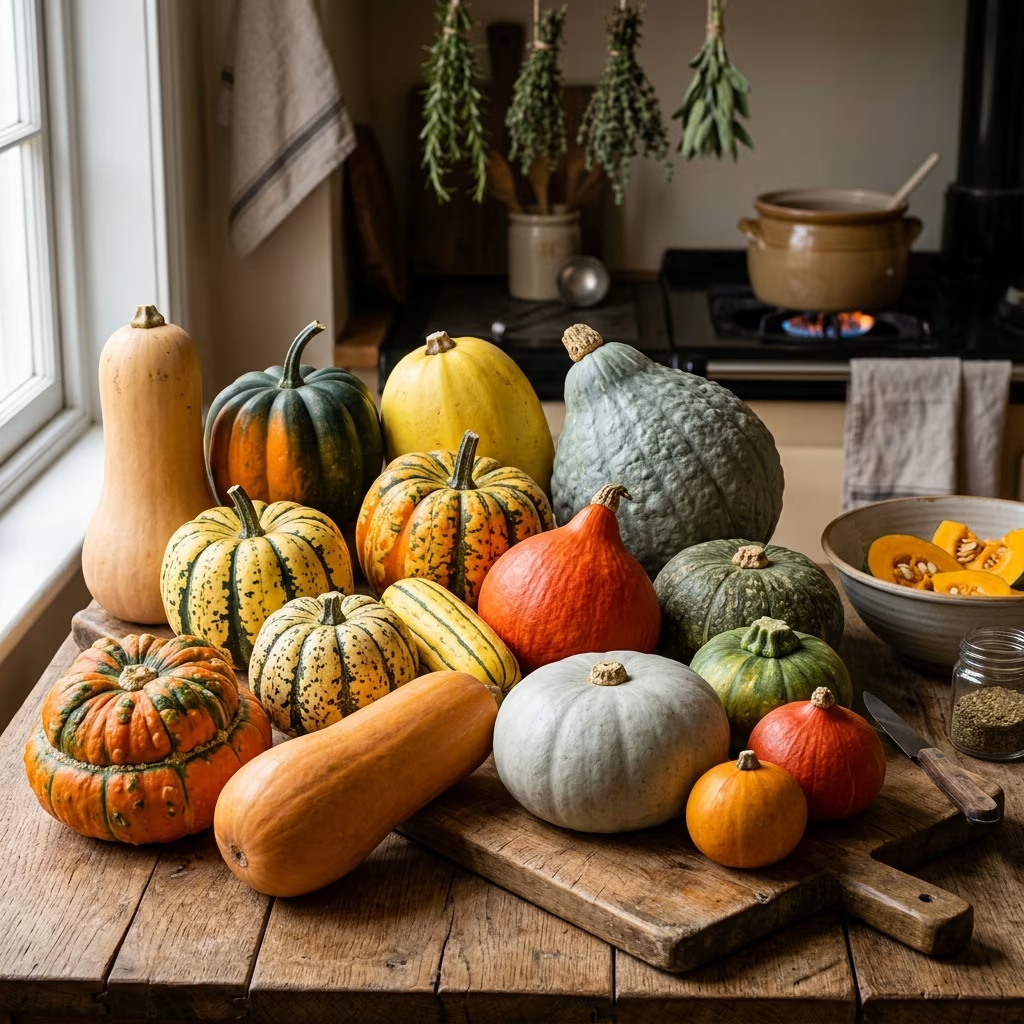
Winter squash, with their vibrant colors, diverse shapes, and hearty flavors, are staples of autumn and winter cooking. Unlike summer squash, which have thin skins and are enjoyed fresh, winter squash varieties feature thick, protective rinds and dense, sweet flesh ideal for roasting, pureeing, and soups. Plentiful during the colder months, winter squash are celebrated for their versatility, nutritional value, and ability to store for extended periods—making them essential ingredients for comforting seasonal meals.
In this comprehensive guide, we’ll introduce you to 15 popular types of winter squash, highlighting their appearances, flavors, culinary uses, and tips for selecting and storing each. Whether you’re seeking classics like butternut and acorn or intrigued by unique varieties such as turban and koginut, read on for everything you need to know about cooking and enjoying winter squash.
What Is Winter Squash?
Winter squash belongs to the genus Cucurbita and is grown throughout the summer, then harvested in late fall and winter once its skin has hardened. This tough rind protects the flesh and seeds inside, allowing winter squash to be stored for months at a time without spoiling. The thick, inedible skin distinguishes winter squash from summer varieties such as zucchini and yellow squash. Common winter squash species include C. maxima, C. moschata, and C. pepo. Their flavors range from sweet and nutty to creamy and earthy, making them suitable for both savory and sweet dishes.
15 Types of Winter Squash (With Pictures, Flavors & Cooking Ideas)
- Butternut Squash
- Kabocha Squash
- Acorn Squash
- Delicata Squash
- Spaghetti Squash
- Hubbard Squash
- Buttercup Squash
- Red Kuri Squash
- Banana Squash
- Carnival Squash
- Sweet Dumpling Squash
- Turban Squash
- Black Futsu Squash
- Honeynut Squash
- Koginut Squash
Butternut Squash
Appearance: Classic elongated bell shape, creamy beige skin, deep orange flesh
Flavor & Texture: Sweet, nutty, and mild with a smooth, velvet consistency when cooked.
- Best Uses: Roasting, pureeing, mashing, making soup, and adding to salads
- Nutrition: High in vitamin A, vitamin C, and fiber
- Tips: Peel before cooking if needed; seeds can be roasted for a healthy snack
Acorn Squash
Appearance: Small, acorn-shaped, dark green skin often with patches of orange or yellow
Flavor & Texture: Mildly sweet, nutty, and slightly fibrous.
- Best Uses: Halved and baked, stuffed, sliced and roasted
- Nutrition: Source of vitamin C and potassium
- Tips: Skin is edible once cooked; ideal for stuffing with grain or veggie mixtures
Kabocha Squash
Appearance: Round, squat shape, dark green skin, bright yellow-orange flesh
Flavor & Texture: Very sweet, nutty, and dense; sometimes compared to sweet potato.
- Best Uses: Roasting, mashing, purees, curries, tempura
- Nutrition: Rich in beta-carotene and vitamin C
- Tips: Skin is edible when roasted
Delicata Squash
Appearance: Elongated, cream-colored with green stripes; thinner skin than most winter squash
Flavor & Texture: Sweet, creamy, and tender.
- Best Uses: Roasted in slices, stuffed, in salads
- Nutrition: High in dietary fiber
- Tips: The thin, edible skin means no peeling required; slice into rings for attractive presentations
Spaghetti Squash
Appearance: Oval, yellow, smooth skin
Flavor & Texture: Mild, slightly nutty; unique stringy flesh that separates into spaghetti-like strands when cooked
- Best Uses: Roasted and scraped into noodles, used as a low-carb substitute for pasta
- Nutrition: Low calorie, contains vitamin C and B vitamins
- Tips: Slice, roast, then shred strands with a fork
Hubbard Squash
Appearance: Large, bumpy skin, colors range from gray-blue to orange
Flavor & Texture: Rich, dense, and sweet; flesh is similar to sweet potato.
- Best Uses: Pureed for pies, soups, and baking
- Nutrition: High in beta-carotene
- Tips: Tough skin—care is needed when cutting
Buttercup Squash
Appearance: Dark green skin with pale stripes and a prominent round “button” on the bottom
Flavor & Texture: Sweet, creamy, similar to baked sweet potato, but denser.
- Best Uses: Baking, steaming, soups, and roasting
- Nutrition: Good source of vitamin C and fiber
- Tips: Seeds are edible when roasted
Red Kuri Squash
Appearance: Teardrop-shaped, vibrant orange-red rind
Flavor & Texture: Sweet, nutty, chestnut-like flavor with non-stringy flesh.
- Best Uses: Soups, baking, salads, roasting
- Nutrition: Packed with vitamins A and C
- Tips: Skin softens when cooked—can be eaten or peeled
Banana Squash
Appearance: Large, elongated, smooth pink or yellow skin
Flavor & Texture: Sweet, dry, and mildly nutty.
- Best Uses: Roasting, pureeing, baking
- Nutrition: Contains vitamin A and potassium
- Tips: Often sold in sections due to size
Carnival Squash
Appearance: Round, multi-colored with patches of orange, white, yellow, and green stripes.
Flavor & Texture: Sweet and mildly nutty
- Best Uses: Roasted, stuffed, or as a decorative centerpiece
- Nutrition: High in fiber and antioxidants
- Tips: Can be confused with sweet dumpling squash; background color distinguishes it
Sweet Dumpling Squash
Appearance: Petite, round with cream-colored skin and intricate green flecks.
Flavor & Texture: Delicate, sweet, blends well with maple syrup and spices
- Best Uses: Roasted, baked, stuffed, or sautéed
- Nutrition: Contains vitamin C and minerals
- Tips: Ideal for small servings and decorative dishes
Turban Squash
Appearance: Top-heavy, turban-like shape; colors include green, orange, white patches.
Flavor & Texture: Mild, nutty, with subtle hazelnut notes
- Best Uses: Roasted, stuffed, decorative centerpiece
- Nutrition: Good source of fiber
- Tips: Often used more for decoration; flesh is suitable for cooking
Black Futsu Squash
Appearance: Deeply ribbed, bumpy skin; color ranges from dark green to warm orange as it matures.
Flavor & Texture: Sweet, slightly nutty, smooth creamy texture
- Best Uses: Roasted, tempura, pureed in soups and pies, pickled
- Nutrition: Contains vitamins A, C, and minerals
- Tips: Edible skin; long shelf life (4–5 months)
Honeynut Squash
Appearance: Miniature butternut; skin turns from green to orange as it ripens.
Flavor & Texture: Richly sweet, nutty, hints of caramel and malt
- Best Uses: Roasted, pureed, steamed, stuffed, mashed
- Nutrition: Dense in nutrients for its size
- Tips: Thin, edible skin; suitable for single servings
Koginut Squash
Appearance: Smooth skin, medium-sized, hybrid of kabocha and butternut.
Flavor & Texture: Sweet, edible skin, smooth texture
- Best Uses: Roasted, salads, grain bowls
- Nutrition: Rich in fiber and vitamins
- Tips: Tender skin makes it easy to slice; recent hybrid gaining popularity
Comparing Winter Squash Varieties
| Squash Type | Skin Color | Flavor Profile | Best Uses | Storage Life |
|---|---|---|---|---|
| Butternut | Creamy beige | Sweet, nutty | Soup, roasting | Up to 3 months |
| Kabocha | Dark green | Very sweet, dense | Roast, mash, tempura | 3–4 months |
| Acorn | Dark green / orange | Mildly sweet, nutty | Baking, stuffing | 2–3 months |
| Hubbard | Gray-blue / orange | Rich, sweet | Pies, purees | 5–6 months |
| Delicata | Cream with green stripes | Sweet, creamy | Roasting, salads | 4–5 weeks |
| Honeynut | Orange | Sweet, caramel notes | Roasting, mashing | 1 month |
| Buttercup | Dark green | Sweet, creamy | Roasting, baking | 3–6 months |
| Carnival | Multi-colored | Sweet, nutty | Roasting | 2–3 months |
| Black Futsu | Black-green / orange | Sweet, nutty | Tempura, soup | 4–5 months |
How to Select, Store, and Prepare Winter Squash
- Selection: Choose squash that feels heavy for its size, with firm, unblemished skin. Avoid any with soft spots or cracks.
- Storage: Store whole winter squash in a cool, dark place with good air circulation—most varieties keep for 1–6 months depending on type.
- Preparation: Wash before cutting. Use a sturdy chef’s knife and take care with thick-skinned varieties like hubbard. Remove seeds and fibrous center before cooking; seeds can be roasted separately for snacks.
Top Cooking Methods for Winter Squash
- Roasting: Brings out sweetness and caramelizes natural sugars. Slice squash into halves, wedges, or cubes; drizzle with oil and season.
- Baking: Ideal for stuffing varieties such as acorn or sweet dumpling squash.
- Mashing/Pureeing: For creamy soups, pies, and sauces.
- Steaming: Retains nutrients and softens skin for easy eating.
- Sautéing: Adds flavor quickly and pairs well with spices.
Nutritional Benefits of Winter Squash
- Vitamins: Excellent sources of vitamins A and C. The orange flesh indicates high levels of beta-carotene, which is important for vision and immune health.
- Fiber: Provides dietary fiber for healthy digestion.
- Low in Calories: Suitable for balanced, lower-calorie diets.
- Minerals: Offers potassium and magnesium.
- Antioxidants: Contains phytonutrients that support overall wellbeing.
Frequently Asked Questions (FAQs)
Q: Can you eat the skin of all winter squash varieties?
A: While the skin of some winter squash (such as delicata, honeynut, kabocha, koginut, and black futsu) is edible and becomes tender when cooked, most thick-skinned types like hubbard or banana squash should be peeled before eating.
Q: What’s the best way to store winter squash?
A: Store whole squash in a cool, dry, ventilated area. Once cut, refrigerate and use within 5 days.
Q: How do you know when a winter squash is ripe?
A: Ripe squash has a hard, dull-colored skin. It should resist gentle pressure and feel heavy for its size.
Q: Are winter squash seeds edible?
A: Yes! Scoop out seeds, rinse, season, and roast for a crunchy snack.
Q: Which squash are best for sweet recipes?
A: Butternut, buttercup, honeynut, sweet dumpling, and red kuri squash—these varieties have sweeter, creamy flesh ideal for desserts, pies, and sweet purees.
Easy & Delicious Winter Squash Recipes
- Roasted Butternut Squash Soup: Puree roasted butternut flesh with sautéed onion, garlic, vegetable broth, and a touch of cream for a silky, warming soup.
- Stuffed Acorn Squash: Fill halved acorn squash with quinoa, cranberries, pecans, and seasonings for a festive side.
- Maple-Dijon Delicata Slices: Toss delicata rings with olive oil, maple syrup, and Dijon mustard, roast until caramelized and tender.
- Kabocha Curry: Simmer chunks of kabocha squash with coconut milk, curry paste, and fresh ginger for a rich vegetarian meal.
- Spaghetti Squash Primavera: Scrape roasted spaghetti squash into strands; toss with stir-fried vegetables, garlic, and parmesan cheese.
Conclusion: Celebrate Winter Squash in Your Kitchen
Winter squash bring irresistible variety, vibrant color, and deep flavor to seasonal meals. From classic butternut and acorn to more exotic varieties like turban and koginut, these humble squashes pack nutrition, versatility, and culinary charm. Try roasting, baking, or pureeing them this fall and winter, and enjoy wholesome, delicious dishes that nourish body and soul.