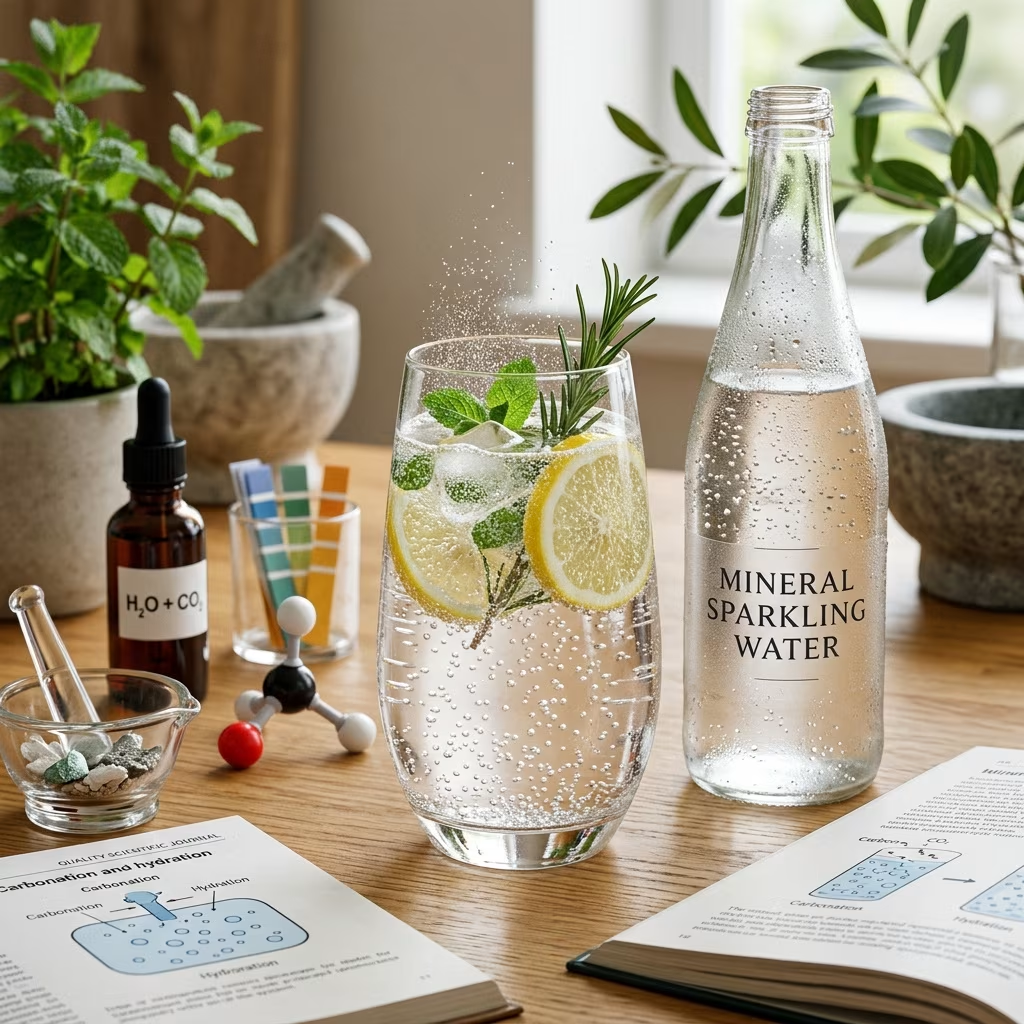
Is Sparkling Water Good for You?
Sparkling water—also known as carbonated water, seltzer, or fizzy water—has become a staple for people looking to enjoy a bubbly, flavorful hydration option without the sugar and calories of soda. But with concerns ranging from dental health to digestion, many wonder: is sparkling water actually good for you? This evidence-based guide breaks down what you need to know about how sparkling water affects your body, teeth, bones, and more.
What is Sparkling Water?
Sparkling water is water infused with carbon dioxide gas under pressure, which gives it its signature fizz. The carbonation process may occur naturally in certain water springs, or it can be artificially created. There are several types of sparkling water:
- Seltzer water: Simply carbonated water, sometimes with added flavors but typically no minerals.
- Club soda: Carbonated water plus added minerals such as sodium bicarbonate or potassium sulfate.
- Mineral water: Naturally carbonated or still water from a mineral spring, containing various minerals like calcium and magnesium.
- Tonic water: Contains added flavors and sweeteners, usually quinine, making it less healthy for everyday hydration.
How Does Sparkling Water Compare to Still Water?
From a hydration perspective, plain sparkling water is just as effective as still water. Both hydrate the body, and studies show the body absorbs carbonated water in nearly the same way as flat water. When no sugars or sweeteners are added, sparkling water can be a calorie-free alternative for those seeking variety in their fluid intake. It is important to note:
- Unflavored, unsweetened sparkling water provides the same benefits as still water.
- The main distinction comes from personal comfort and digestive tolerance.
- Some may experience more fullness or satiety with carbonated beverages, which can be helpful during weight management.
The Benefits of Sparkling Water
- Hydration: Sparkling water hydrates as well as still water, making it a healthy option for meeting daily fluid needs.
- Digestive support: Preliminary research suggests carbonated water may relieve symptoms of indigestion and constipation in some individuals.
- Soda replacement: Swapping out sugary soft drinks for plain sparkling water helps cut down sugar and calories, reducing the risk for obesity, diabetes, and heart disease.
- Potential fullness: The bubbles in sparkling water can create a sensation of fullness, which might help people eat less at meals or reduce unnecessary snacking.
Potential Risks & Side Effects of Sparkling Water
For most people, moderate consumption of unsweetened sparkling water carries little risk. However, some individuals may experience side effects:
- Gas and bloating: Carbonation introduces air into the digestive system, which can increase gas and bloating, especially in people sensitive to fizzy drinks or with irritable bowel syndrome (IBS).
- Dental erosion: The acidity of carbonated water is higher than still water, but much lower than sodas. While plain sparkling water is less damaging to dental enamel than sugary or highly acidic soft drinks, frequent consumption could contribute to minor enamel erosion over time.
- Tooth decay: Sweetened or flavored sparkling waters that contain added sugars or acidic flavorings, such as citric acid, can increase the risk of cavities and enamel wear.
How Sparkling Water Can Affect Dental Health
Plain sparkling water (with no added sugars or acids) is generally considered safe for teeth, though it is slightly more acidic than still water due to carbonic acid (pH 3-4). Concerns increase when manufacturers add:
- Citric acid (often for flavor)
- Phosphoric acid (rarer, more common in dark colas)
- Added sugars
Regularly drinking highly acidic or sweetened carbonated water can raise the risk of enamel erosion and cavities. Dentists recommend:
- Drinking plain, unflavored sparkling water whenever possible
- Limiting intake of flavored and sweetened varieties
- Consuming sparkling water with meals, which can help buffer the acids
- Using a straw to reduce contact with teeth
- Rinsing the mouth with still water after drinking sparkling beverages
Potential Impact on Bone Health
| Type of Beverage | Bones Effect | Reason |
|---|---|---|
| Plain Sparkling Water | No evidence of harm | Contains no phosphoric acid; may contain calcium/magnesium |
| Dark Cola | May reduce bone density with excess intake | Contains phosphoric acid, which affects calcium absorption |
| Flavored Sodas | Generally not recommended for bone health | Often high in sugar, acids, and additives |
Earlier myths suggested carbonated water causes calcium loss from bones and increases osteoporosis risk. However, current research shows that plain sparkling water does not have a detrimental effect on bone health. Only dark colas with phosphoric acid are linked to decreased bone mineral density. Some sparkling mineral waters even contribute beneficial calcium and magnesium, which may support healthy bones.
Is Sparkling Water Bad for Your Stomach?
The carbonation in sparkling water can cause some people to feel bloated, especially if they’re prone to gas or have gastrointestinal conditions like GERD or IBS.
- For people without digestive issues, moderate amounts are usually well tolerated.
- If sparkling water worsens your digestive symptoms, consider reducing your intake or choosing still water instead.
Some people, however, notice improved digestion or relief from constipation after drinking sparkling water due to its ability to stimulate swallowing and movement in the digestive tract.
Does Sparkling Water Hydrate as Well as Regular Water?
Yes. Numerous studies confirm that unsweetened sparkling water is equally hydrating as still water. It is a healthy option for meeting daily fluid requirements—so long as it doesn’t replace necessary intake of other beverages like milk (for calcium) or is not a substitute for eating a healthy diet.
Ingredients to Watch Out For
When shopping for sparkling water, read labels closely. Watch out for:
- Sugars or added sweeteners (which raise calorie and cavity risk)
- Caffeine or stimulants (rare in sparkling water, but sometimes added for flavor or effect)
- High levels of acidifying flavorings (like citric or phosphoric acid)
For the healthiest choice, select simple sparkling waters that list only water and carbonation as ingredients.
Can Sparkling Water Replace Soda?
For people looking to cut sugar, calories, and caffeine from their diet, sparkling water is an excellent alternative to soda. Unlike sugary, carbonated soft drinks, plain sparkling water offers flavor, fizz, and hydration while avoiding added sugars (major causes of obesity, diabetes, and tooth decay) and artificial sweeteners (which sometimes trigger GI distress in sensitive individuals).
What About Flavored or Sweetened Sparkling Waters?
There is a rapidly expanding market of flavored sparkling waters, including those with added fruit essences, sweeteners (natural or artificial), vitamins, and even caffeine. Before you choose:
- Flavored (unsweetened) waters: Typically safe for regular consumption, though the addition of flavorings can slightly lower pH and increase the risk of dental erosion if consumed in large amounts.
- Sweetened or diet waters: Check ingredients for sugar, high-intensity artificial sweeteners, or sugar alcohols, all of which may add calories or cause bloating.
- Vitamin-added waters: These can offer trace amounts of added nutrients but generally shouldn’t be relied on as a primary nutrient source.
For those concerned about health, plain, unsweetened, unflavored sparkling water is best for daily use.
Does Sparkling Water Affect Weight Management?
Replacing sugary drinks with sparkling water can help reduce total calories and sugar consumed throughout the day, which supports weight management goals. Also, the carbonation may enhance feelings of satiety, helping some people reduce their food intake or avoid unnecessary snacking.
Is Sparkling Water Safe for Kids?
Plain sparkling water is generally safe for children in moderation, but caution is advised with varieties that contain added sugars, caffeine, or sweeteners. Pediatricians also suggest children obtain most fluid intake from still water and milk for optimum hydration and nutrition.
What About Hard Seltzers?
Hard seltzers are alcoholic sparkling beverages. While they may be lower in calories than many cocktails, their alcohol content means they should be consumed in moderation. The standard guideline is:
- One drink per day for women
- One to two drinks per day for men
Though hard seltzers may contain fewer calories and less sugar than regular beer, they are not hydrating and excessive consumption carries the same health risks as other alcoholic drinks, including liver damage and increased risk of addiction.
FAQs: Sparkling Water and Health
Q: Can sparkling water replace all my daily fluid needs?
A: Plain sparkling water counts towards your daily hydration, but a mix of drinks (water, milk, herbal teas) and water-rich foods is ideal for overall nutritional balance.
Q: Is it OK to drink carbonated water every day?
A: For most healthy adults, drinking unsweetened, unflavored sparkling water daily is safe. Individuals with specific digestive issues should moderate their intake if symptoms occur.
Q: Are flavored sparkling waters bad for your teeth?
A: Some flavored sparkling waters contain acids or added sugars that increase the risk of enamel erosion and cavities. Consume these in moderation and practice good dental hygiene.
Q: Does sparkling water weaken bones?
A: Plain sparkling water does not negatively affect bone health. Only colas with added phosphoric acid have been linked to decreased bone density.
Q: Does sparkling water cause kidney stones?
A: There is no current evidence that sparkling water increases the risk of kidney stones. Staying well-hydrated with either flat or sparkling water can actually help prevent stones in healthy people.
Bottom Line: Should You Drink Sparkling Water?
Plain, unsweetened, unflavored sparkling water is a safe and effective beverage choice for most people. It hydrates well, is easier on teeth than soda, and can be a smart step toward reducing sugary drink consumption. Watch ingredients for added sugars and acids, and pay attention to your body’s digestive response. Enjoy sparkling water as a refreshing addition to your daily routine—just remember moderation and balance are key for optimal health.
References
- https://health.clevelandclinic.org/is-sparkling-water-healthy
- https://www.bannerhealth.com/healthcareblog/teach-me/are-sparkling-waters-bad-for-you
- https://www.webmd.com/diet/sparkling-water-health-benefits
- https://www.medicalnewstoday.com/articles/is-carbonated-sparkling-water-bad-for-you
- https://www.uchicagomedicine.org/forefront/health-and-wellness-articles/2023/may/is-carbonated-water-good-for-you
- https://www.healthline.com/nutrition/carbonated-water-good-or-bad
- https://fitwell.recreation.ucla.edu/file/27a0358b-896a-4c8e-bab9-30b5ad4e51a9