Grey, silver, and blue-coated cats have long captivated animal lovers with their regal appearance and distinctive personalities. From plush, teddy bear-like British Shorthairs to the mystical Russian Blue, grey cat breeds offer much more than their remarkable fur—they’re celebrated for being affectionate, playful, and intelligent companions. This comprehensive guide explores the most cherished grey cat breeds, their temperaments, histories, grooming needs, and why these silvery felines continue to win hearts worldwide.
Why Are Grey Cats So Popular?
Grey (often referred to as “blue” in cat fancier terms) cats represent a spectrum of cool, striking hues, from near-silver to deep charcoal. In cat fancy circles, grey is prized for its elegance, while these cats’ calm and loving natures make them suitable for a range of households, from lively families to quiet singles. Beyond their looks, grey cats are often:
- Known for gentle temperaments and subtle affection.
- Versatile and adaptive, fitting well with other pets and children.
- Renowned for intelligence, curiosity, and playful spirit.
Top Grey Cat Breeds
There’s an impressive variety among grey breeds. Some have solid grey coats from kittenhood, while others sport tabby markings, points, or smoke patterns. Below, we explore the most popular grey cat breeds loved by pet owners:
1. Russian Blue
Origin: Russia (Archangel Isles)
Coat: Short, dense, silvery-blue
Personality: Intelligent, reserved, affectionate, vocal
The Russian Blue is celebrated for its plush, shimmering coat and vivid green eyes. Known for being gentle, loyal, and clever, Russian Blues thrive on forming strong bonds with their families. While independent, they often seek attention from their loved ones and are quick learners. They’re also vocal and enjoy interactive play, but may be shy around strangers. These cats are a good choice for those who want a loyal but not overly demanding companion.
- Lifespan: 15–20 years
- Best for: Individuals or families wanting a low-maintenance, loving, and intelligent pet
- Grooming: Low—brush weekly
2. British Shorthair
Origin: United Kingdom
Coat: Short, plush, classic blue/grey is iconic, but many colors exist
Personality: Easy-going, affectionate, loyal, dignified
The British Shorthair, with its round face, copper eyes, and plush coat, is reminiscent of a soft teddy bear. Formerly known as the British Blue, blue-grey remains the most favored coloration. These cats are robust, calm, and undemanding, making them ideal family pets. British Shorthairs are content with indoor living and tend to get along with children and other pets. Their affectionate yet independent nature means they’re rarely clingy but still loyal to every member of the family.
- Lifespan: 14–20 years
- Best for: Multi-pet households and families
- Grooming: Moderate—regular brushing recommended to avoid shedding
3. Chartreux
Origin: France
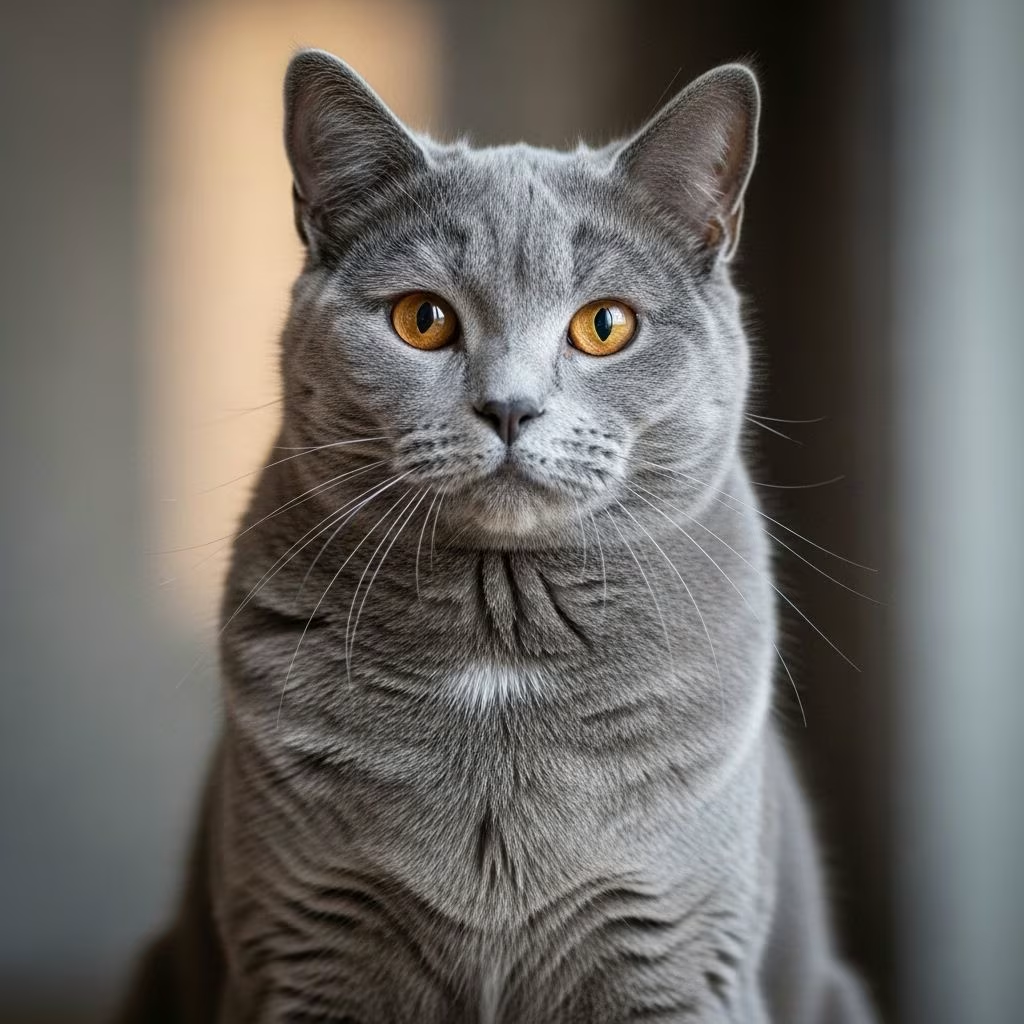
Coat: Short, dense, only comes in blue-grey
Personality: Calm, sweet, gentle, devoted
The Chartreux, famous as the “smiling blue cat of France,” is robust yet elegant, with a friendly disposition and copper eyes that radiate warmth. They’re noted for being quiet, harmonious, and adaptable. Chartreux cats tend to shadow their favorite humans, occasionally offering gentle vocalizations. A rare breed outside France, they are cherished for their loving attitude, playfulness, and minimal grooming needs.
- Lifespan: 11–15 years
- Best for: Owners seeking a loyal, low-maintenance companion
- Grooming: Low—brush once a week
4. Korat
Origin: Thailand
Coat: Short, silver-tipped blue-grey
Personality: Social, intelligent, energetic, loyal
Korat cats are a national treasure in Thailand and have an unmistakable heart-shaped face and luminous green eyes. Korats are affectionate and form deep attachments to their humans, craving attention and active play. Energetic and social, they prefer to be with their families and are sensitive to changes in environment or routine.
- Lifespan: 12–15 years
- Best for: Active homes and attentive owners
- Grooming: Minimal—occasional brushing
5. Nebelung
Origin: United States (Russian ancestry)
Coat: Long, silvery-blue, semi-longhaired
Personality: Gentle, loyal, reserved, intelligent
The Nebelung is a rare breed that resembles a long-haired Russian Blue. With its flowing, silvery fur and vivid green eyes, the Nebelung has an ethereal appearance. They are quiet, initially timid, and prefer calm environments, but once bonded, they become sweet and devoted to their owners. They are clever felines that enjoy brain-stimulating games and gentle affection, making them ideal for quieter homes.
- Lifespan: 13–16 years
- Best for: Calm homes, singles, or quiet families
- Grooming: Moderate to high—regular brushing to prevent mats
6. Scottish Fold
Origin: Scotland
Coat: Short or long, blue/grey is common
Personality: Sweet, adaptable, affectionate, playful
The Scottish Fold is best known for its unique folded ears and rounded features. While not exclusive to grey, their silver-blue coats are popular. They are typically affectionate, easy to handle, and get along well with children and other pets. Scottish Folds enjoy interactive play and adapt readily to new situations, but their signature ears require regular checks for cleanliness.
- Lifespan: 11–15 years
- Best for: Families and multi-pet homes
- Grooming: Low to moderate—weekly brushing
7. American Shorthair
Origin: United States
Coat: Short, comes in 80+ colors and patterns—grey and silver are striking
Personality: Adaptable, gentle, sociable
The American Shorthair is the original housecat and is celebrated for its mellow temperament and adaptability. While not always grey, the breed’s silver and grey tabbies are particularly popular. These cats are easy to care for, get along with everyone, and are known for their robust health and longevity.
- Lifespan: 15–20 years
- Best for: Households of all sizes
- Grooming: Minimal—occasional brushing
8. Ragamuffin
Origin: United States
Coat: Long, plush—can be grey/silver
Personality: Gentle, loving, docile
Ragamuffins are large, cuddly cats that come in various colors, including striking shades of grey. Known for their relaxed disposition, Ragamuffins love snuggling and are patient with children and other pets. Their thick fur requires regular grooming, but their calm demeanor and affectionate ways make them a favorite among families.
- Lifespan: 12–16 years
- Best for: Families with kids or other pets
- Grooming: Moderate—brush several times a week
9. Persian
Origin: Iran (Persia)
Coat: Long, luxurious, comes in blue/grey
Personality: Quiet, gentle, affectionate
The Persian is one of the world’s most beloved cat breeds, and while not exclusively grey, their blue variations are sought after. Persians are prized for their regal appearance, calm temperaments, and profound attachment to their families. However, their long coats require daily maintenance to prevent tangles and mats.
- Lifespan: 12–17 years
- Best for: Owners with time for daily grooming
- Grooming: High—daily brushing required
10. LaPerm
Origin: United States
Coat: Curly, varies, grey is possible
Personality: Social, inquisitive, affectionate
The LaPerm breed is defined by its unique curly coat, which can be grey, silver, or a range of colors and patterns. These cats are outgoing, adventurous, and interactive, thriving on companionship and mental stimulation. Active and affectionate, LaPerms are a good match for play-oriented homes.
- Lifespan: 12–15 years
- Best for: Active families
- Grooming: Low—occasional brushing
Table: Popular Grey Cat Breeds At a Glance
| Breed | Coat Type | Personality | Main Origin |
|---|---|---|---|
| Russian Blue | Short | Intelligent, affectionate | Russia |
| British Shorthair | Short, plush | Calm, loyal | UK |
| Chartreux | Short, dense | Gentle, friendly | France |
| Korat | Short | Social, loyal | Thailand |
| Nebelung | Long | Quiet, intelligent | USA |
| Scottish Fold | Short or long | Affectionate, playful | Scotland |
| American Shorthair | Short | Gentle, adaptable | USA |
| Ragamuffin | Long | Docile, loving | USA |
| Persian | Long | Quiet, affectionate | Iran |
| LaPerm | Curly, varies | Social, inquisitive | USA |
Grey Cat Personality Traits
While each breed and individual cat is unique, grey cats are commonly associated with the following personality traits:
- Independent but playful: Grey cats often strike a healthy balance between seeking companionship and enjoying solitude.
- Subtle affection: Many grey breeds are not lap cats but prefer to show devotion by following you or sitting nearby.
- Intelligence: These breeds are quick learners, enjoy puzzles, and adapt to new environments with ease.
- Gentleness: Most grey cat breeds are patient and do well with respectful children.
- Vocal or expressive: Especially true for Russian Blues, many grey breeds are chatty and enjoy communication.
Health Care and Living Tips for Grey Cats
Caring for a grey cat is similar to caring for any cat, but some breeds require extra attention to grooming and exercise:
- Grooming requirements: Longhaired breeds like Nebelungs and Persians need regular brushing, while shorthaired breeds are lower maintenance.
- Nutrition: Watch diet and portion sizes, especially for less active breeds like the British Shorthair to avoid obesity.
- Playtime: Grey cats from more active breeds (like Korat or Russian Blue) thrive with puzzle toys and interactive play.
- Health monitoring: Stay alert for breed-specific health issues, such as joint sensitivity in Scottish Folds or respiratory problems in Persians.
Frequently Asked Questions (FAQs)
What makes a cat grey?
Cats appear grey due to a dilution gene that affects the production of pigment in their fur, resulting in shades from silver to blue-grey. Some breeds are exclusively grey, while others have this coloration as one of many options.
Are grey cats more affectionate than others?
While coat color doesn’t determine personality, many popular grey cat breeds are noted for affectionate and gentle temperaments. Breed and upbringing play a more significant role than color alone.
Do grey cats require special care?
No special care is needed due solely to coat color, but breeds like Persians and Nebelungs require more frequent grooming, and Scottish Folds need regular ear inspections.
Are grey cats hypoallergenic?
Some breeds like the Russian Blue may cause fewer allergic reactions, but no cat is truly hypoallergenic. Regular grooming and cleaning reduce allergens in the home.
Are grey cats rare?
Some breeds, like Chartreux and Nebelung, are rare, while others, such as British Shorthairs or American Shorthairs, commonly appear in grey varieties.
Conclusion: Is a Grey Cat Right for You?
Grey cat breeds shine not just for their mesmerizing fur, but for their intelligence, adaptability, and loyal companionship. Whether you’re drawn to the soulful eyes of a Russian Blue, the plush comfort of a British Shorthair, or the gentle charm of a Chartreux, there’s a silvery feline for every home. By learning about each breed’s unique qualities and proper care, you’ll be well on your way to finding your perfect grey companion—one who is sure to fill your days with beauty and affection.
References
- https://www.zezelife.com/understanding-grey-cat-personality-traits-and-breeds/
- https://www.petsafe.com/blog/gray-cat-breeds/
- https://www.womansday.com/life/pet-care/g40683709/grey-cat-breeds/
- https://www.chewy.com/education/cat/general/behavior-breeds-7-grey-cat-breeds
- https://thecatisinthebox.com/blogs/kitty-contemplations/all-about-gray-cats
- https://www.purina-arabia.com/find-a-pet/articles/cat-types/fur-type/grey-cat-breeds