The Oriental Shorthair is among the most visually diverse cat breeds, famed for its wide spectrum of coat colors and patterns. With origins closely tied to the Siamese, these sleek felines are as captivating for their personalities as they are for their rainbow of shades. This guide will explore every aspect of the Oriental Shorthair’s coat, as well as provide insight into the breed’s history, characteristics, and frequently asked questions.
About the Oriental Shorthair
The Oriental Shorthair is a medium-sized, elegantly built cat, instantly recognizable by its slender body, wedge-shaped head, and prominent, wide-set ears. Despite their slender appearance, they are muscle-packed and athletic, with a playful, communicative personality that makes them beloved companions.
- Size: Medium (males: 8–12 pounds; females: usually under 8 pounds)
- Coat: Short, satiny, lies close to the body
- Eyes: Almond-shaped, typically bright green (white variants may be green, blue, or odd-eyed)
- Temperament: Social, affectionate, vocal, highly intelligent
- Life Span: 12–15 years
Origin and History
The Oriental Shorthair’s story begins with breeders in the early 1970s who sought to create cats sharing the Siamese body type but displaying a far broader range of colors and patterns. With roots tracing to Thailand and development in the United States, the Oriental Shorthair was formally recognized for championship status in 1977 by the Cat Fanciers’ Association (CFA). The breed’s integration into cat fancy organizations worldwide solidified its place in the feline pantheon as a favorite for those seeking both elegance and diversity in color.
Understanding Oriental Shorthair Colors and Patterns
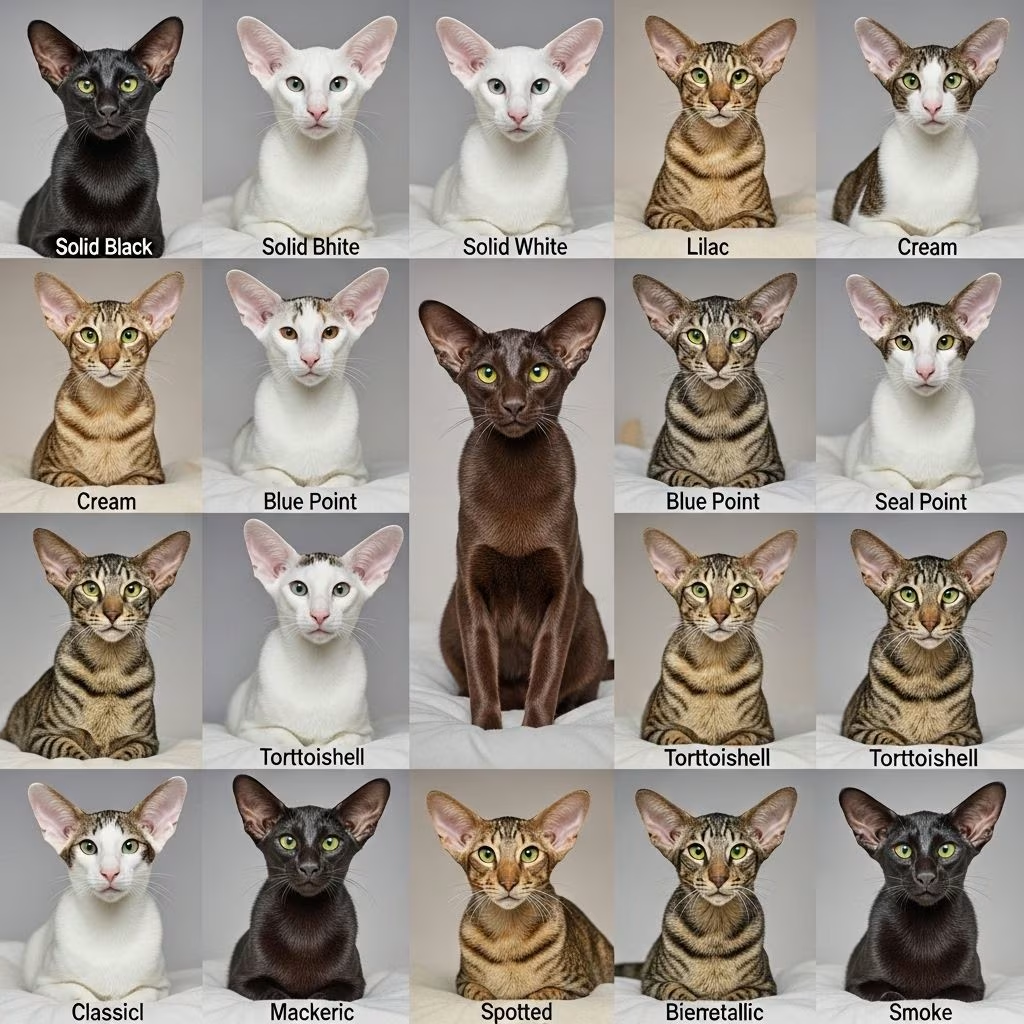
Few breeds rival the Oriental Shorthair for the sheer variety of coats available. Over 300 color, pattern, and eye color combinations are recognized among breed associations, making each cat a unique visual marvel. These are typically grouped as follows:
- Solid Colors
- Smoke and Shaded
- Parti-color (Tortoiseshell)
- Tabby Patterns
- Bicolor and Tricolor (Calico)
- Pointed Patterns (less common for the breed)
Solid Colors
Solid Oriental Shorthairs have coats of a single, uniform color with no visible stripes, markings, or patches.
- Black (Ebony): Jet black from roots to tips
- White: Pure, pristine white; eye color may be green, blue, or odd
- Chestnut: Warm brown, also called chocolate
- Blue: Slate blue-gray
- Cream: Soft, pale cream
- Red: Vivid, warm red or orange
- Lilac: Pale, pinkish-gray
- Cinnamon: Light, warm brown
- Fawn: Pale, sandy tan
Smoke and Shaded
These cats show an enchanting contrast between a solid-looking colored coat tipped with another color and a much lighter undercoat.
- Smoke: Solid color with white undercoat; when the cat moves, the light undercoat glimmers beneath the colored tips
- Shaded: The hair shaft is colored at the tip and lighter closer to the skin, creating a shimmering, subtle effect
Parti-Color (Tortoiseshell)
Parti-color Oriental Shorthairs, commonly called tortoiseshell, display a dramatic blend of at least two colors, often black with red or cream. These blends may be brindled or patched, and while tortoiseshell is a classic female pattern due to genetics, male tortoiseshells are particularly rare.
Tabby Patterns
The Oriental Shorthair tabby is revered for its classic and mackerel patterns, and also includes spotted and ticked variations. Each has a distinctive look:
| Tabby Pattern | Description |
|---|---|
| Mackerel | Narrow vertical stripes down the sides |
| Classic | Bold, swirling patterns, forming a bullseye on the sides |
| Spotted | Spots or broken bars instead of stripes |
| Ticked | Each hair has bands of color, giving an overall flecked look |
Tabbies can be found in almost all Oriental Shorthair color categories, including blue, cinnamon, lilac, and fawn.
Bicolor and Tricolor
Bicolor Oriental Shorthair cats display any of the standard colors or patterns with varying amounts of white, ranging from a few spots to large colored areas. In tricolor (calico) Oriental Shorthairs, white combines with tortoiseshell, creating dramatic, eye-catching coats.
Pointed Patterns
Though rare in the breed, some Oriental Shorthairs show the colorpoint pattern (the classic “Siamese look”): lighter bodies with darker extremities (face, paws, tail, ears). These cats may have blue eyes, unlike the breed’s usual intense green.
Combinations and Rarity
Due to the interplay of color genes, Oriental Shorthairs can display an astonishing array of shades, making certain combinations quite rare. Odd-eyed whites (a white coat with one blue and one green or gold eye) are especially prized. Cinnamon, fawn, and particular tortoiseshell or tabby varieties may also be less common and highly sought after by fanciers and breeders.
Overview Table: Oriental Shorthair Colors and Patterns
| Category | Examples | Special Notes |
|---|---|---|
| Solid | Black, Blue, White, Chestnut, Red | Uniform color, no markings |
| Smoke | Black Smoke, Blue Smoke | White undercoat shows in motion |
| Shaded | Shaded Silver, Shaded Blue | Color darker on the back, lighter on the belly |
| Tabby | Mackerel, Classic, Spotted, Ticked | Striped or spotted patterns in many colors |
| Parti-color | Black Tortoiseshell, Blue-Cream | Complex blends, often female |
| Bicolor | Any color + white | White may appear as spots or large patches |
| Pointed | Seal, Blue, Chocolate Point | Rare; Siamese-style pattern |
Breed Personality and Temperament
Oriental Shorthairs are celebrated for their engaging, intelligent, and affectionate nature. They crave human companionship and thrive in social households.
- Highly vocal and expressive, often holding ‘conversations’ with their people
- Loyal and loving; follow their owners around the house and often sleep in the same bed
- Playful well into adulthood, enjoying games—especially fetch and interactive toys
- Extremely intelligent, capable of learning tricks and even walking on a leash
- Sensitive to loneliness; may become bored or anxious if left alone for long periods
Oriental Shorthair Care Tips
- Provide daily interactive play and mental stimulation to prevent boredom
- Companionship is vital; many do best with another cat or pet if humans are out often
- Grooming needs are minimal—occasional brushing keeps the short coat gleaming
- Nutrition should be monitored; these slender cats display weight changes quickly
- Secure indoor or supervised outdoor access is ideal; Orientals are agile and enjoy climbing and exploring
Health Considerations
With proper care, Oriental Shorthairs are robust and long-lived. Like their Siamese relatives, they may be predisposed to certain hereditary conditions, including:
- Dental issues—regular dental care is recommended
- Respiratory problems due to their head shape (rarely severe)
- Progressive Retinal Atrophy (PRA)—test breeding lines as recommended
Consult your veterinarian for breed-specific health screenings and recommendations.
FAQs About Oriental Shorthair Colors and Patterns
Q: How many color and pattern combinations exist for Oriental Shorthairs?
A: There are officially over 300 recognized color and pattern combinations, making them one of the most visually diverse cat breeds.
Q: Are white Oriental Shorthairs prone to deafness?
A: Some all-white cats, including Oriental Shorthairs, may be at higher risk for hereditary deafness, particularly those with blue eyes. Odd-eyed cats (one blue, one green/gold) are less likely to be deaf in both ears.
Q: Can Oriental Shorthairs have patterns like tortoiseshell and calico?
A: Yes, Oriental Shorthairs come in a range of parti-color and tricolor patterns, including tortoiseshell and calico combinations, though these are more commonly seen in females due to genetics.
Q: What are the rarest Oriental Shorthair colors?
A: Odd-eyed whites, cinnamon, fawn, and certain unique tabby or shaded patterns are considered the rarest among breeders and cat enthusiasts.
Q: Are Oriental Shorthair coats hypoallergenic?
A: While no cat is truly hypoallergenic, Oriental Shorthairs are often better tolerated by allergy sufferers due to their short, close-lying coats. Sensitivity varies, however, based on individual and the proteins found in feline saliva and skin.
Fun Facts and Trivia
- Oriental Shorthairs often form deep bonds with their families and may become very attached to a favorite person.
- The breed is related to Siamese cats but recognized for green eyes and myriad coat colors, versus the Siamese’s blue eyes and color restrictions.
- Playful personalities mean they enjoy puzzle toys and activities such as leash walking.
- Potential to “talk”: These cats are famous for their wide vocabulary and willingness to meow to get your attention.
Is the Oriental Shorthair the Right Cat for You?
The Oriental Shorthair is perfect for those seeking a companionable, intelligent, and beautiful cat with a coat as unique as their personality. They require social interaction and mental stimulation to thrive. If you can meet these needs, you’ll be rewarded with a loving, lively, and conversation-starting pet who will brighten your days with color—in every sense.
References
- https://www.petplan.co.uk/cat-insurance/cat-breeds/oriental-shorthair.html
- https://www.hillspet.com/cat-care/cat-breeds/oriental
- https://en.wikipedia.org/wiki/Oriental_Shorthair
- https://www.purina.co.uk/find-a-pet/cat-breeds/oriental-short-hair
- https://cfa.org/breed/oriental/
- https://www.webmd.com/pets/cats/what-to-know-oriental-cat