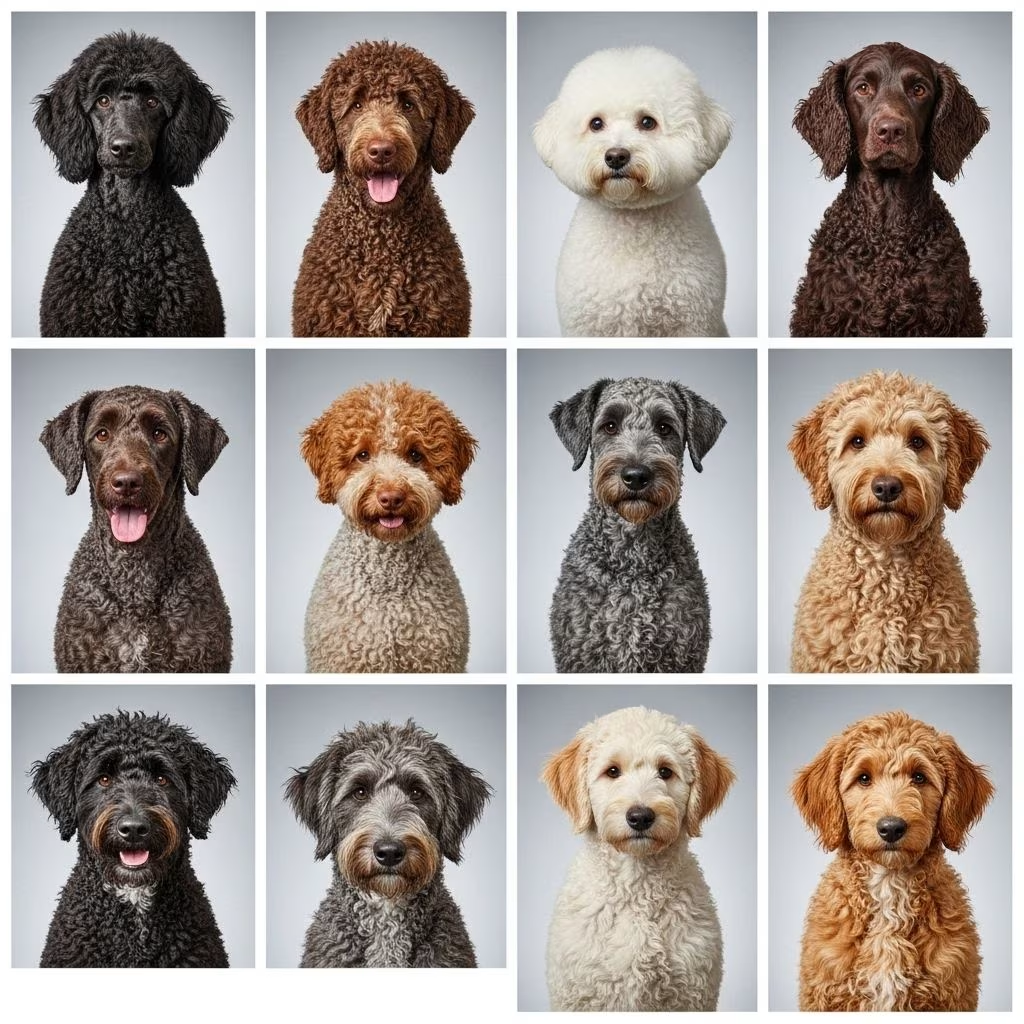
The Affenpinscher is a distinctive toy breed, cherished for its spirited personality, distinctive monkey-like face, and compact size. With roots in 17th-century Germany, this rare breed offers both a fascinating history and a winning temperament for the right home. This comprehensive guide covers everything from the Affenpinscher’s origins to their care requirements, traits, health considerations, and answers to common questions.
Breed Overview
| Group | Toy |
|---|---|
| Height | 9 to 11.5 inches |
| Weight | 7 to 10 pounds |
| Coat Type | Rough, wiry, dense |
| Colors | Black, gray, silver, red, black and tan, belge |
| Life Expectancy | 12–15 years |
| Origin | Germany |
History of the Affenpinscher
The Affenpinscher, whose name means “monkey dog” or “ape terrier” in German, dates back to the early 1600s in Munich and other parts of Germany. Originally bred to exterminate rats and mice from stables and kitchens, these dogs were prized for their courage and hunting ability.
- Early Purpose: Served as ratters in stables and later as house companions to keep kitchens rodent-free.
- Development: The breed’s size was gradually reduced to make it ideal as a companion animal, and it is believed to have influenced other breeds such as the Brussels Griffon and Miniature Schnauzer.
- Recognition: The Berlin Lapdog Club began breed standardization in 1902. The American Kennel Club (AKC) officially recognized the Affenpinscher in 1936.
- Notable Moments: The breed gained attention in America in 2002, when Super Nova won the Toy Group at Westminster, and in 2013 when Banana Joe took Best in Show at Westminster.
Appearance and Breed Characteristics
The Affenpinscher is a small, sturdy, and compact dog with a comically serious expression, earning its nickname “the monkey dog.”
- Size: 9 to 11.5 inches at the shoulder and 7 to 10 pounds in weight.
- Build: Square and well-balanced, with medium bone; not delicate in any way.
- Head: Round skull, defined stop, short straight muzzle, and distinctive monkey-like expression.
- Eyes: Round, dark, and brilliant – never protruding.
- Ears: V-shaped, set high; may be natural (erect, semi-erect, or dropped) or cropped.
- Tail: May be docked or left natural.
- Coat: Dense, rough, and harsh texture; shaggy but neat look with a mane around the neck and shoulders.
- Colors: Black is most common. Acceptable colors also include gray, silver, red (from wheaten to deep orange), black and tan, or belge (black and reddish-brown mix). Some may have a black mask.
Temperament and Personality
The Affenpinscher is renowned for its fearless spirit and entertaining personality. Despite their small size, Affenpinschers are not shy—they are alert, inquisitive, and remarkably loyal.
- Key Traits:
- Lively and playful; often tosses toys in the air for self-amusement.
- Confident and occasionally stubborn, with an independent streak.
- Can walk on hind legs, enhancing their monkey-like appearance.
- Forms strong bonds with their family but may be wary of strangers.
- Alert watchdogs; generally quiet but may show excitement or become vocal if threatened.
- Toward Children: Affenpinschers can be affectionate, but do not tolerate rough handling or being chased, squeezed, or hugged, making them less suitable for homes with young children.
- With Other Animals: Generally gets along with other dogs, but not recommended for homes with pet rodents due to their strong prey drive.
Living with an Affenpinscher
Affenpinschers thrive in environments where their intelligence and sense of fun are appreciated. They are adaptable and do well in apartments or homes with or without yards, as long as they receive adequate attention and stimulation.
- Activity Level: Moderately active; requires daily play, interactive toys, and short walks.
- Trainability: Intelligent but may challenge authority; positive reinforcement and consistency are essential.
- Alone Time: Does not like to be left alone for long periods and may develop separation anxiety if ignored.
- Noise Level: Generally quiet, though may bark in defense or excitement.
Grooming and Coat Care
The Affenpinscher’s coat needs regular attention to maintain its characteristic appearance.
- Brushing: Several times per week to prevent matting and remove loose hair.
- Trimming: Scissors may be used to trim feet, ears, and tail; maintaining a “shaggy but neat” look with a noticeable mane on the shoulders and neck.
- Bathing: As needed, but not overly frequent due to the breed’s tough coat.
- Hypoallergenic: Affenpinschers are considered a good choice for allergy sufferers because their coat sheds minimally.
Exercise and Training Needs
- Exercise: Daily play and interactive indoor activities, combined with brief walks, will satisfy their moderate energy.
- Training Tips:
- Start training early with short, positive sessions to harness their intelligence.
- Socialization is crucial for confidence—expose them early to various people, places, and other animals.
- While not highly stubborn, the Affenpinscher appreciates gentle guidance over harsh corrections.
- Dog Activities: Affenpinschers excel at conformation, obedience, agility, and barn hunt trials.
Health and Lifespan
With proper care, Affenpinschers are generally healthy and can live 12 to 15 years.
- Common Health Issues:
- Patellar luxation (slipping kneecaps)
- Hip dysplasia
- Heart problems
- Eye issues (such as cataracts)
- Dental care is important due to their small mouths
- Preventative Care: Regular veterinary check-ups, dental cleanings, and vaccinations are essential.
- Diet: Feed high-quality, portion-controlled meals appropriate for size and age.
Fun Facts About the Affenpinscher
- The breed’s German name means “ape terrier” or “monkey dog” due to their primate-like facial features.
- Sometimes called “Diablotin Moustachu” in France (the “mustached little devil”).
- The Affenpinscher is a rare breed, even in its country of origin.
- Frequently seen in circus performances and cabarets during the 1920s and 30s due to their amusing antics.
- The breed has made significant wins at major dog shows, increasing its popularity in recent years.
Breed Standards
The Affenpinscher standard prioritizes overall appearance with specific details as follows:
- Small, square, and compact build
- Medium bone—never delicate
- Monkey-like face with pronounced brow and expressive eyes
- Various ear and tail styles acceptable, maintaining a balanced look
- Harsh-textured coat, with a noticeable mane and a shaggy yet tidy outline
- Permitted colors include: black (most common), gray, silver, red, belge, and black & tan.
Is the Affenpinscher the Right Dog for You?
The Affenpinscher is ideally suited for:
- Experienced dog owners who appreciate a bold, intelligent, and entertaining companion
- Homes without very young children or pet rodents
- People looking for a small dog with a big personality
- Those willing to invest time in regular grooming and socialization
- Families or individuals living in apartments or houses
Frequently Asked Questions (FAQs)
Q: Are Affenpinschers hypoallergenic?
A: Yes, Affenpinschers are considered hypoallergenic because they have a wiry coat that sheds minimally, making them a suitable option for allergy sufferers.
Q: Do Affenpinschers get along with children?
A: Affenpinschers can be affectionate but generally are not recommended for homes with very young children due to their dislike of rough handling and playful chasing.
Q: How much grooming does the Affenpinscher require?
A: Regular grooming is essential—several brushings a week plus scissor trims around the feet, ears, and tail keep them neat and comfortable.
Q: Are Affenpinschers easy to train?
A: Affenpinschers are intelligent and eager but have an independent streak. Positive reinforcement and short, fun sessions work best.
Q: What health problems are common in the breed?
A: Typical concerns include patellar luxation, hip dysplasia, certain heart conditions, and eye problems. Responsible breeders take steps to minimize these risks.
Q: Should Affenpinschers live with other pets?
A: While they do well with other dogs, Affenpinschers should not be housed with pet rodents due to their strong ancestral prey drive.
Quick Breed Facts Table
| AKC Group | Toy |
|---|---|
| Origin | Germany |
| Height | 9–11.5 inches |
| Weight | 7–10 pounds |
| Coat Color | Black, gray, silver, red, black & tan, belge |
| Lifespan | 12–15 years |
Summary
The Affenpinscher is a small yet mighty breed, brimming with personality and history. Their intelligence, loyalty, comical antics, and unique appearance make them a standout choice for many dog enthusiasts. With the right training, socialization, and care, the Affenpinscher can become a treasured family member and an entertaining companion for many years.