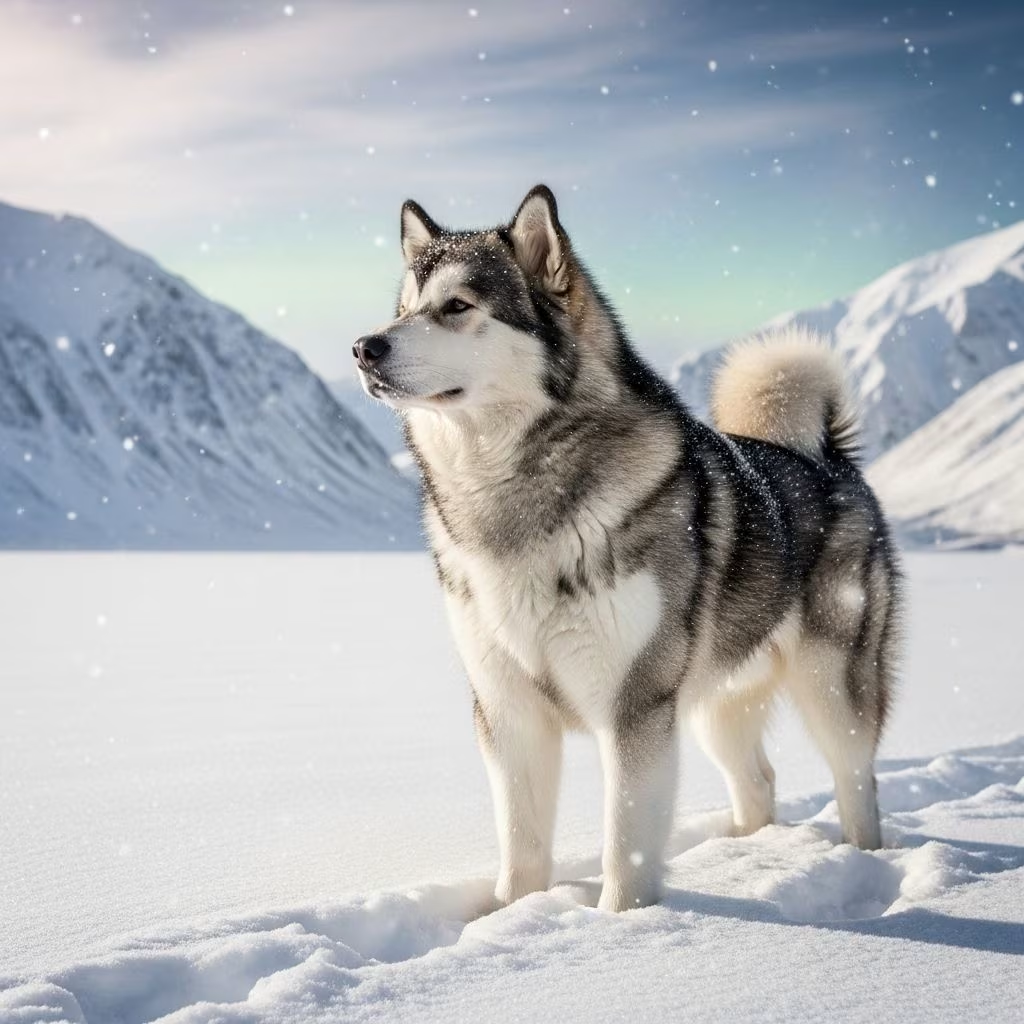
The Alaskan Malamute stands as one of the most magnificent and powerful dog breeds in existence, embodying strength, endurance, and an unwavering loyalty that has captured the hearts of dog enthusiasts worldwide. Originally bred by the Mahlemut Inuit people of Alaska, these impressive canines were designed to haul heavy freight across frozen tundra, hunt seals, and even intimidate polar bears. Today, while their working heritage remains evident in every muscle and sinew, Alaskan Malamutes have transitioned beautifully into beloved family companions who bring joy, adventure, and a touch of the wild into modern homes.
Origins and Historical Significance
The Alaskan Malamute traces its lineage back thousands of years to the harsh Arctic regions where survival demanded extraordinary resilience and power. These dogs were brought to North America from Siberia through the Bering Strait, where they were selectively bred by the Mahlemut people to create the ultimate working dog capable of thriving in extreme conditions. Unlike their Siberian Husky cousins who were bred primarily for speed, Malamutes were developed specifically for raw power and endurance, making them ideal for pulling massive loads over long distances in brutal weather.
During the Klondike Gold Rush of 1896, Alaskan Malamutes became invaluable to prospectors seeking fortune in the frozen north. Their ability to transport supplies and equipment through treacherous terrain made them worth their weight in gold—quite literally, as premium working dogs commanded astronomical prices during this era. This period significantly increased the breed’s visibility and cemented their reputation as premier Arctic working dogs.
Physical Characteristics and Appearance
The Alaskan Malamute presents an imposing and powerful silhouette that immediately commands attention. According to the American Kennel Club breed standard, males typically stand 25 inches tall at the shoulder and weigh approximately 85 pounds, while females reach about 23 inches in height and weigh around 75 pounds. However, these measurements represent only the desired standard—many well-built adults exceed 100 pounds, and exceptional specimens have been known to surpass 140 pounds, though such extreme size isn’t ideal for the breed’s natural structure.
The breed’s most distinctive feature is its remarkable double coat, which provides exceptional insulation against Arctic temperatures. The undercoat possesses an oily, woolly texture that can reach up to two inches thick, while the outer guard coat stands coarse and erect, extending about one inch from the body at the sides and longer at the withers. This magnificent coat comes in various color combinations including grey and white, sable and white, black and white, seal and white, red and white, or solid white. Many Malamutes display the characteristic “cap” over their heads, along with facial markings that can include blazes, masks, bars, or an all-white face.
Their almond-shaped eyes shine in various shades of brown, with darker hues being preferred in the breed standard. It’s important to note that purebred Alaskan Malamutes never have blue eyes—this trait indicates mixed breeding. The breed’s broad head, small proportionate ears that stand firmly erect, and deep, broad muzzle create an unmistakably wolf-like appearance. Their well-furred tail curves over the back like a waving plume, serving the practical purpose of warming their face and nose when they curl up in snow.
Temperament and Personality Traits
Alaskan Malamutes possess a personality as impressive as their physical stature. These dogs are naturally affectionate, loyal, playful, and confident, forming deep bonds with their families while maintaining an independent streak that reflects their working heritage. They view life as an adventure and approach each day with enthusiasm and joy, making them delightful companions for active households.
One of the most notable characteristics of Malamutes is their sociable nature toward people. They typically greet everyone—including strangers and first-time visitors—as potential friends, which makes them poor choices as guard dogs despite their intimidating size. This friendly disposition stems from their pack-oriented history, where cooperation with humans was essential for survival. Malamutes thrive when they’re integrated into family activities and consider themselves full members of the household pack.
However, this breed isn’t suited for everyone. Malamutes are highly intelligent and sometimes devious, capable of outsmarting owners who underestimate their cognitive abilities. They can be stubborn and independent, occasionally displaying selective hearing when commands don’t align with their own plans. Respect forms the foundation of a successful relationship with a Malamute—these dogs need to view their owners as worthy leaders before offering their loyalty and obedience. Force or excessive severity will only create a sullen, uncooperative dog who may resort to aggression to protect their dignity.
While not excessive barkers, Malamutes are notably vocal and famous for their distinctive “woo woo” howl. This vocalization can range from melodious to comically dramatic, and owners should be prepared for regular serenades, especially when their Malamute feels particularly expressive or wants attention.
Exercise and Activity Requirements
The Alaskan Malamute’s heritage as a working sled dog means these canines require substantial daily exercise to maintain physical and mental health. These aren’t dogs content with a quick walk around the block—they need vigorous activity that challenges both their bodies and minds. Without adequate exercise, Malamutes can become destructive, restless, and develop behavioral problems.
Ideal activities for Malamutes include long walks or runs, hiking expeditions, weight pulling, skijoring, and of course, actual sled pulling where climate permits. They excel at any activity that allows them to use their natural strength and endurance. Mental stimulation is equally important; puzzle toys, training sessions, and novel experiences help keep their intelligent minds engaged and prevent boredom-related mischief.
One critical consideration is that Malamutes love to run and roam, driven by their natural instincts to cover vast territories. They must be confined in secure yards with fencing that’s both tall and deep, as these dogs are notorious diggers and skilled escape artists. Never trust a Malamute off-leash in unfenced areas—their prey drive and independent nature mean they may ignore recall commands when something interesting catches their attention.
Training and Socialization
Training an Alaskan Malamute requires patience, consistency, and a firm but fair approach. These intelligent dogs learn quickly but don’t blindly follow commands—they need to understand the “why” behind requests and respect the person giving them. Positive reinforcement methods work best, combining treats, praise, and play to motivate desired behaviors. Harsh corrections or punishment-based training will backfire, creating resistance and damaging the human-canine bond.
Early socialization is absolutely crucial for Malamutes. Puppies should be exposed to diverse people, animals, environments, and experiences during their formative weeks and months. Puppy kindergarten classes provide excellent foundations for learning basic manners and appropriate social behavior. Regular visits to dog-friendly locations, interactions with neighbors, and controlled meetings with other animals help develop well-rounded adult dogs.
Training sessions should be kept relatively short and engaging, as Malamutes can become bored with repetitive drills. Variety and creativity in training approaches maintain their interest and enthusiasm. Remember that if you issue a command, you must be prepared to enforce it—Malamutes quickly learn which commands are optional if owners fail to follow through consistently.
Grooming and Coat Care
The Alaskan Malamute’s magnificent double coat requires dedicated grooming commitment from owners. These dogs shed heavily, particularly during their twice-yearly “blowing” periods when they release their undercoat in preparation for seasonal changes. During these intense shedding phases, daily brushing becomes necessary to manage the massive amounts of loose fur and prevent matting.
During non-shedding periods, brushing should occur at least two to three times weekly using appropriate tools like undercoat rakes, slicker brushes, and metal combs. Regular grooming not only keeps the coat healthy and mat-free but also provides opportunities to check for skin issues, parasites, or abnormalities. The grooming process can become a bonding experience that strengthens the relationship between dog and owner.
Bathing requirements are relatively minimal—every two to three months typically suffices unless the dog becomes particularly dirty. The natural oils in their coat provide water resistance and insulation, so over-bathing can strip these beneficial properties. When bathing is necessary, use high-quality dog shampoo and ensure thorough rinsing and complete drying to prevent skin issues.
Additional grooming tasks include regular nail trimming, ear cleaning, and dental care. Nails should be trimmed every three to four weeks to prevent overgrowth and associated discomfort. Ears should be checked weekly and cleaned as needed to prevent infections. Daily tooth brushing is ideal for maintaining dental health and preventing periodontal disease.
Health Considerations and Lifespan
Alaskan Malamutes are generally healthy dogs with a lifespan of 10 to 14 years. However, like all breeds, they’re predisposed to certain health conditions that potential owners should understand. Responsible breeders screen for these issues to minimize their occurrence in breeding programs.
Hip dysplasia represents one of the most common concerns in large breeds including Malamutes. This hereditary condition occurs when the hip joint doesn’t develop properly, leading to arthritis and mobility issues over time. Reputable breeders have their breeding stock evaluated and certified by organizations like the Orthopedic Foundation for Animals.
Inherited polyneuropathy, a neurological condition affecting nerve function, can occur in Malamutes, causing progressive weakness and coordination problems. Chondrodysplasia, a form of dwarfism affecting cartilage and bone development, is another genetic concern within the breed. Hypothyroidism, where the thyroid gland produces insufficient hormones, can lead to various symptoms including weight gain, lethargy, and coat problems.
Eye conditions including cataracts and progressive retinal atrophy can affect Malamutes, potentially leading to vision impairment or blindness. Regular veterinary check-ups and eye examinations help detect these issues early when treatment may be most effective.
Maintaining a healthy weight is crucial for Malamutes, as obesity exacerbates joint problems and reduces overall quality of life. Despite their large size and substantial build, these dogs should maintain lean, muscular physiques without excessive fat. Proper nutrition combined with adequate exercise helps ensure optimal health throughout their lives.
Living Requirements and Environmental Needs
While Alaskan Malamutes were bred for Arctic conditions, they adapt surprisingly well to various climates with proper care. Their thick coats provide excellent insulation against cold but can make hot weather challenging. In warmer regions, owners must provide air conditioning, plenty of fresh water, and limit outdoor activities during peak heat hours. Never shave a Malamute’s coat—it provides insulation against both cold and heat, and removing it can cause permanent damage to coat texture and regrowth.
Space considerations are important when contemplating Malamute ownership. While these dogs can technically adapt to apartment living with sufficient exercise, they’re better suited to homes with securely fenced yards where they can move freely. The fence must be robust and at least six feet tall, with barriers extending underground to prevent digging escapes. Malamutes are notorious escape artists who view fences as challenges rather than boundaries.
These dogs should not be left alone for extended periods. Malamutes are pack animals who suffer from separation anxiety and loneliness when isolated from their families. Destructive behavior often results when a bored, lonely Malamute is left to their own devices. Homes where someone is present most of the time, or where the dog can accompany family members on outings, work best for this breed.
Interaction with Children and Other Pets
Alaskan Malamutes can be wonderful family dogs, forming strong bonds with children and participating enthusiastically in family activities. Their playful, affectionate nature makes them natural companions for kids. However, their large size and strength require supervision during interactions with young children to prevent accidental knocking over or injuries during exuberant play. Teaching children how to properly interact with dogs and respecting the dog’s space contributes to harmonious relationships.
The situation becomes more complex regarding other pets. Malamutes possess strong prey drives developed through centuries of hunting, and they can be aggressive toward strange dogs or small animals. Early socialization helps, but this instinct may never fully disappear. Many Malamutes coexist peacefully with dogs they’ve grown up with, particularly those of the opposite sex, but caution should be exercised when introducing new animals.
Small pets like cats, rabbits, or rodents may trigger predatory responses, making cohabitation risky or impossible. Some Malamutes raised with cats from puppyhood accept them as family members, but this isn’t guaranteed. Potential owners with existing small pets should carefully consider whether a Malamute is the right choice for their household.
Nutrition and Feeding Guidelines
Proper nutrition forms the foundation of Alaskan Malamute health and longevity. These large, active dogs require high-quality food formulated for their size, age, and activity level. Puppies need specially formulated large-breed puppy food that supports proper growth without encouraging too-rapid development that can stress developing joints.
Adult Malamutes typically consume three to four cups of high-quality dry food daily, divided into two meals to reduce bloat risk. However, individual requirements vary based on metabolism, activity level, age, and health status. Working Malamutes or those engaged in intensive activities may require additional calories, while less active dogs need fewer to maintain healthy weights.
Protein should form a significant portion of the diet, supporting muscle maintenance and overall health. Quality animal proteins like chicken, beef, fish, or lamb provide essential amino acids. Healthy fats supply energy and support coat health, while complex carbohydrates provide sustained energy release.
Avoid free-feeding Malamutes, as their hearty appetites can lead to obesity if food is constantly available. Measured meals at consistent times help maintain healthy weights and establish routine. Fresh water should always be accessible, especially after exercise or during warm weather.
Is an Alaskan Malamute Right for You?
Choosing to bring an Alaskan Malamute into your life represents a significant commitment requiring honest assessment of your lifestyle, capabilities, and expectations. These magnificent dogs aren’t suitable for everyone, and understanding whether you’re prepared for Malamute ownership prevents future heartbreak for both dog and owner.
Ideal Malamute owners are experienced dog handlers who understand canine behavior and training principles. They have time and energy for extensive daily exercise and mental stimulation. They possess secure outdoor space where their dog can safely move and play. They’re prepared for intensive grooming requirements and don’t mind sharing their living space with substantial amounts of shed fur. They understand that training requires consistency, patience, and respect rather than force or dominance.
Malamutes aren’t recommended for first-time dog owners, people with limited time or energy for exercise and training, those seeking obedient, compliant companions, individuals living in apartments without adequate exercise provisions, or homes with small pets where prey drive could create dangerous situations.
When you find the right match, however, an Alaskan Malamute rewards your commitment with unwavering loyalty, endless entertainment, and a depth of companionship that few breeds can match. These dogs bring adventure, strength, and joy into their families’ lives, creating bonds that last a lifetime.
Frequently Asked Questions
Q: Do Alaskan Malamutes get along with Siberian Huskies?
A: While both are Arctic breeds, Malamutes and Huskies have different temperaments. Malamutes can coexist with Huskies if properly socialized, but their larger size and dominant tendencies require careful supervision, especially during initial introductions.
Q: Can Alaskan Malamutes live in hot climates?
A: Yes, Malamutes can adapt to warmer climates with proper care including air conditioning, limited outdoor time during heat, plenty of water, and never shaving their protective double coat which provides insulation against both cold and heat.
Q: How much does an Alaskan Malamute puppy cost?
A: Reputable breeder prices typically range from $1,000 to $2,500 or more, depending on pedigree, location, and breeder reputation. This initial cost doesn’t include ongoing expenses for food, veterinary care, grooming, and supplies.
Q: Are Alaskan Malamutes good for first-time dog owners?
A: Generally no. Malamutes are strong-willed, intelligent dogs requiring experienced handling, consistent training, and understanding of their independent nature. First-time owners may find them challenging without proper guidance and preparation.
Q: How often should I groom my Alaskan Malamute?
A: During regular periods, brush two to three times weekly. During seasonal shedding (“blowing coat”), daily brushing becomes necessary to manage massive fur loss and prevent matting. Professional grooming every few months can help manage the coat.
Q: Do Alaskan Malamutes bark a lot?
A: Malamutes aren’t excessive barkers, but they’re highly vocal in other ways. They’re famous for their distinctive howling, “talking,” and various vocalizations used to communicate with their families. Expect regular howling sessions and conversational sounds.
Q: Can Alaskan Malamutes be trusted off-leash?
A: Generally no. Malamutes have strong prey drives and independent natures that make reliable recall difficult. They love to run and roam, often ignoring commands when something interesting catches their attention. Always use secure leashes and fenced areas.
Q: What’s the difference between Alaskan Malamutes and Siberian Huskies?
A: Malamutes are larger and more powerful, bred for hauling heavy loads, while Huskies are smaller and faster, bred for speed. Malamutes have broader heads, brown eyes only, and more substantial builds. Huskies can have blue eyes and are typically more energetic and vocal.
References
- https://en.wikipedia.org/wiki/Alaskan_Malamute
- https://www.webmd.com/pets/dogs/what-to-know-about-alaskan-malamute
- https://dogtime.com/dog-breeds/alaskan-malamute
- https://www.amcv.org.au/personality.html
- https://www.purina.co.uk/find-a-pet/dog-breeds/alaskan-malamute
- https://www.akc.org/dog-breeds/alaskan-malamute/
- https://www.graylinealaska.com/blog/10-facts-alaskan-malamute-states-official-dog/
- https://vcahospitals.com/know-your-pet/dog-breeds/alaskan-malamute