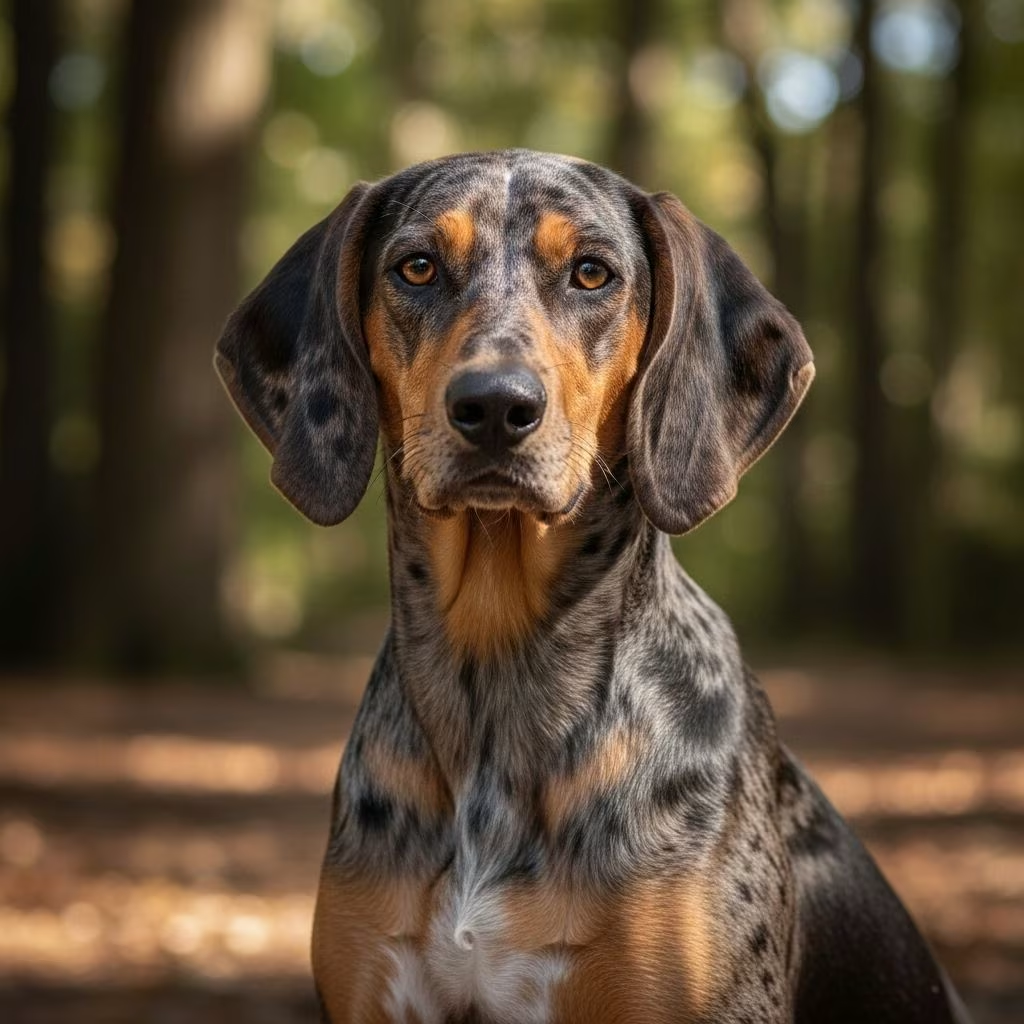
The American Leopard Hound stands as one of the most distinguished and oldest tree dog breeds native to the United States, boasting a rich heritage that spans centuries. This remarkable scent hound has earned its reputation through exceptional tracking abilities, often following prey for miles with unwavering determination and focus. Recognized by the United Kennel Club and listed in the American Kennel Club’s Foundation Stock Service since 2012, this breed represents a unique piece of American hunting history.
These medium to large-sized dogs combine athleticism with intelligence, making them versatile companions both in the field and at home. Their distinctive leopard-like coat patterns, coupled with their remarkable working abilities, have made them increasingly popular among hunting enthusiasts and families alike. Understanding this breed’s characteristics, needs, and temperament is essential for anyone considering welcoming an American Leopard Hound into their life.
Historical Origins and Development
The American Leopard Hound’s history is steeped in mystery and tradition, with origins that researchers believe trace back to Spanish conquistadors who brought their dogs to the New World. These early canines likely made their way from Spain to Mexico before eventually reaching what would become the United States. Two prevailing theories attempt to explain the breed’s development: one suggests that Spanish dogs were crossed with Mexican breeds before arriving in America, while the other proposes that the breed was developed in the southern United States through strategic crosses between hounds and herding dogs.
Historical records document the presence of these dogs in North Carolina as early as the 1700s, where settlers utilized them for hunting both small and large game, including formidable prey such as bears and cougars. The breed’s versatility and tenacity made it invaluable to early American settlers who relied on hunting for sustenance and protection. As the breed spread throughout other states, it became an integral part of American hunting culture.
The American Leopard Hound faced a critical period in the early 1900s when the purebred population dwindled dramatically. Indiscriminate crossbreeding with other breeds threatened the line’s purity, and by the 1950s, purebred American Leopard Hounds had become exceptionally rare. Recognizing this crisis, dedicated fanciers J. Richard McDuffie, Leroy E. Smith, and A.W. Carter embarked on a mission to preserve and re-establish the breed. Their efforts led to the formation of the American Leopard Cur Breeders Association, which worked tirelessly to locate remaining purebred specimens and develop a sustainable breeding program.
The United Kennel Club officially recognized the breed as the Leopard Cur in 1998, marking a significant milestone in the breed’s preservation. A decade later, in 2008, both the UKC and the breeder association changed the name to American Leopard Hound, allowing these dogs to compete in coonhound events and gain broader recognition. The American Kennel Club added the breed to its Foundation Stock Service in September 2012, positioning it for eventual full recognition in the Hound Group.
Physical Characteristics and Appearance
The American Leopard Hound presents an impressive physical specimen that combines power, agility, and endurance in a harmonious package. These dogs exhibit a strong, athletic build that enables them to navigate diverse terrains with remarkable ease during hunts. Their overall construction reflects centuries of selective breeding for functionality and performance in demanding hunting conditions.
Size and Proportions
Male American Leopard Hounds typically stand between 22 and 27 inches at the shoulder, while females measure slightly smaller at 21 to 25 inches. Weight ranges vary accordingly, with males weighing between 45 and 75 pounds and females ranging from 35 to 65 pounds. The breed maintains a nearly even height-to-length ratio, with legs roughly as long as the body itself, creating a level topline that extends from tail to shoulders. This balanced proportion contributes to the breed’s graceful, efficient movement during extended tracking sessions.
Coat and Coloration
One of the most striking features of the American Leopard Hound is its distinctive double coat. The outer coat consists of short, stiff, straight hair that provides protection from brush and weather, while the undercoat features a fine, wool-like texture that remains uniform in length across the body. This dense coating offers excellent insulation and protection without excessive length that might collect debris during hunts.
The breed displays remarkable color diversity, appearing in black, blue, brown, gray, red, yellow, brindle, and various combinations thereof. The signature leopard or spotted pattern that gives the breed its name can manifest across any of these base colors. White markings may appear but typically comprise less than one-third of the total coat. The merle gene influences not only coat patterns but also eye color, creating stunning visual variations within the breed. The coat sheds seasonally but is not generally considered a heavy shedder, making maintenance relatively manageable.
Distinctive Features
The American Leopard Hound’s head features medium-length drop ears that hang to approximately the bottom jaw. These pendulous ears serve a functional purpose beyond aesthetics, helping to stir up and concentrate scent particles during tracking, which enhances the dog’s already exceptional olfactory capabilities. The ears are set high on the head and taper toward the tips.
Eye color varies dramatically based on coat color and genetic factors, ranging from deep brown or nearly black to striking, piercing blue. Some individuals may even display heterochromia, having one eye of each color. The eyes are round, wide-set, and expressive, reflecting the breed’s alert and intelligent nature. Darker fur often frames the eyes, creating an intensified, focused appearance that adds to the breed’s distinctive look.
The nose coloration corresponds with coat color, appearing black, brown, or liver depending on the individual dog’s pigmentation. The muzzle is well-developed and proportionate to the skull, housing powerful jaws capable of gripping prey. The breed’s tail is notably strong and lengthy with substantial girth at the base, typically carried in an upward arc toward the sky. Some working dogs may have docked tails, though natural tails of any length are acceptable. The feet are rounded and compact, resembling a cat’s paws, which provides excellent traction and reduces fatigue during extended hunts.
Temperament and Personality
The American Leopard Hound possesses a sociable, energetic, and intelligent temperament that makes it suitable for both working roles and family companionship. These dogs form strong bonds with their human families and demonstrate remarkable loyalty and affection. Their friendly nature extends to children when properly socialized, making them potential family pets for active households that can meet their exercise requirements.
Intelligence ranks among the breed’s most notable characteristics. American Leopard Hounds learn quickly and respond well to training, though they maintain an independent streak typical of hounds bred for autonomous decision-making during hunts. This intelligence, combined with their strong work ethic, makes them highly trainable for various tasks beyond traditional hunting roles.
The breed exhibits moderate barking tendencies, generally vocalizing to alert their family to unusual occurrences or during hunting activities. They are naturally protective of their territory and loved ones but are not typically aggressive. Their alert nature makes them effective watchdogs, though they lack the guard dog instincts of protection breeds. Socialization from an early age helps ensure that their protective instincts remain balanced and appropriate.
Energy levels are substantial but manageable with proper exercise. These dogs require approximately 40 minutes of vigorous daily activity to maintain physical and mental health. Without adequate stimulation, American Leopard Hounds may develop destructive behaviors or become restless. They excel in activities that engage their natural tracking instincts, such as scent work, tracking trials, and hunting. Their tendency to dig is relatively low, as is their propensity to drool or snore, making them relatively clean house companions compared to some other hound breeds.
Care Requirements and Maintenance
Exercise and Activity Needs
The American Leopard Hound’s heritage as a working hunting dog translates into significant exercise requirements. A minimum of 40 minutes of vigorous daily exercise is essential, though many individuals benefit from even more activity. These dogs thrive when given opportunities to engage their natural tracking abilities through activities like hiking, running, or participating in organized scent work. A securely fenced yard provides an ideal environment for additional exercise and exploration, though these dogs should never be left unsupervised outdoors for extended periods, as their strong prey drive may lead them to wander if they catch an interesting scent.
Mental stimulation proves equally important as physical exercise. Puzzle toys, training sessions, and nose work activities help keep the American Leopard Hound’s sharp mind engaged and prevent boredom-related behavioral issues. These intelligent dogs appreciate having jobs to do and excel when given purpose-driven activities that tap into their natural abilities.
Grooming and Coat Care
Despite their double coat, American Leopard Hounds have relatively high grooming needs compared to some short-coated breeds, primarily due to seasonal shedding patterns. Regular brushing, ideally several times per week, helps remove loose hair and distributes natural oils throughout the coat, maintaining its healthy appearance and protective qualities. During seasonal shedding periods, daily brushing may be necessary to manage hair loss and prevent matting in the undercoat.
Bathing should occur as needed, typically every few months or when the dog becomes particularly dirty from outdoor activities. The breed’s coat naturally repels some dirt, so excessive bathing is unnecessary and may strip essential oils. Regular ear cleaning is crucial for this drop-eared breed, as the pendulous ear flaps can trap moisture and debris, creating conditions conducive to ear infections. Weekly ear checks and cleaning with an appropriate veterinary-approved solution help prevent problems.
Nail trimming should occur monthly or as needed to prevent overgrowth that can cause discomfort or gait problems. Dental care, including regular teeth brushing and dental chews, promotes oral health and prevents periodontal disease. Establishing grooming routines early in the dog’s life makes these maintenance tasks easier and more pleasant for both dog and owner.
Health and Lifespan
The American Leopard Hound generally enjoys robust health, with a life expectancy of 12 to 15 years, which is excellent for a medium to large breed. This longevity reflects the breed’s working heritage and the emphasis breeders have placed on maintaining functional, healthy dogs. However, like all breeds, American Leopard Hounds can be susceptible to certain health conditions that prospective owners should understand.
The breed’s relatively small gene pool, resulting from its near-extinction in the mid-20th century, means that genetic diversity should be a consideration when selecting a puppy. Reputable breeders conduct health screenings on breeding stock to minimize the risk of hereditary conditions. While the American Leopard Hound lacks a formal breed standard through the AKC’s full recognition program, responsible breeders still prioritize health testing for common canine conditions such as hip dysplasia, eye problems, and hearing issues, particularly in dogs with the merle gene pattern.
Regular veterinary care, including annual check-ups, vaccinations, and parasite prevention, forms the foundation of maintaining an American Leopard Hound’s health throughout its life. These active dogs benefit from joint supplements as they age, particularly if they have engaged in intensive hunting or athletic activities. Maintaining an appropriate weight through proper nutrition and exercise prevents obesity-related health problems and reduces stress on joints and organs.
Nutrition and Feeding
Proper nutrition plays a vital role in maintaining the American Leopard Hound’s health, energy levels, and longevity. These active dogs require high-quality dog food formulated for medium to large breeds with moderate to high activity levels. The specific caloric requirements vary based on age, weight, activity level, and individual metabolism, but working dogs or those engaged in regular hunting activities may need significantly more calories than relatively sedentary companions.
Protein should form the foundation of the American Leopard Hound’s diet, supporting muscle development and maintenance essential for their athletic lifestyle. Look for foods listing high-quality animal proteins as the first ingredients. Healthy fats provide concentrated energy and support skin and coat health, while complex carbohydrates offer sustained energy for extended activities. Foods containing glucosamine and chondroitin support joint health, particularly important for active dogs and aging individuals.
Feeding schedules typically involve two meals daily for adult dogs, which helps prevent bloat and maintains steady energy levels throughout the day. Puppies require more frequent meals—three to four times daily—to support their rapid growth and high metabolic rates. Fresh water should always be available, especially after exercise or during warm weather. Treats should comprise no more than 10% of daily caloric intake to prevent weight gain and nutritional imbalances.
Training and Socialization
The American Leopard Hound’s intelligence and working heritage make training both rewarding and essential. These dogs respond best to positive reinforcement techniques that leverage their desire to please and their food motivation. Harsh corrections or punishment-based training methods can damage the trust bond and may cause these sensitive dogs to become stubborn or anxious.
Early socialization is crucial for developing a well-adjusted American Leopard Hound. Exposure to various people, animals, environments, sounds, and experiences during the critical socialization period—roughly between 3 and 14 weeks of age—helps prevent fearfulness and promotes confidence. Puppy socialization classes provide structured environments for learning appropriate interactions with other dogs while building basic obedience skills.
Basic obedience training should begin early and focus on essential commands such as sit, stay, come, down, and loose-leash walking. Recall training deserves particular attention given the breed’s strong prey drive and tendency to follow scents. Practicing recall in progressively more distracting environments helps ensure reliability. However, American Leopard Hounds should always be kept on leash or in securely fenced areas when outdoors, as even well-trained individuals may bolt after interesting scents or prey animals.
Advanced training opportunities abound for this versatile breed. Many American Leopard Hounds excel in scent work, tracking trials, hunt tests, and other activities that engage their natural abilities. Some individuals demonstrate aptitude for agility, though the breed’s hunting focus may make this less natural than scent-based activities. Consistent training throughout the dog’s life maintains mental sharpness and strengthens the human-animal bond.
Living Requirements and Space Needs
The American Leopard Hound adapts to various living situations but thrives best in homes that can accommodate their exercise needs and energetic nature. A house with a large, securely fenced yard provides the ideal environment, giving these dogs space to patrol, explore, and burn energy between structured exercise sessions. The fence must be sturdy and high enough to contain dogs with strong jumping abilities and the motivation to pursue interesting scents.
While American Leopard Hounds can adapt to apartment living, this arrangement presents significant challenges. Meeting their exercise requirements in an urban environment demands considerable commitment from owners, requiring multiple daily walks, trips to dog parks, and creative indoor enrichment activities. The breed’s moderate barking tendencies may also present issues in close-proximity living situations, though proper training and adequate exercise help minimize nuisance vocalization.
These dogs prefer to live indoors with their families rather than being relegated to outdoor-only status. Despite their working dog heritage, American Leopard Hounds form strong family bonds and suffer when isolated from their human pack. They tolerate various climates reasonably well, with their double coat providing insulation against both cold and heat, though extreme temperatures require appropriate precautions and shelter.
Suitability for Different Households
Families with Children
American Leopard Hounds can make excellent family dogs when properly socialized and trained. Their friendly, sociable nature generally extends to children, and many individuals display patience with youngsters. However, supervision is essential during interactions between dogs and young children, as the breed’s size and energy level could inadvertently knock over small children during play. Teaching children appropriate ways to interact with dogs and respecting the dog’s space and rest times creates harmonious relationships.
Multi-Pet Households
The American Leopard Hound’s compatibility with other pets varies based on individual temperament, socialization, and training. Dogs raised with other canines typically accept them as part of the pack, though same-sex aggression can occur. Early socialization with various dogs helps promote appropriate canine social skills. The breed’s strong prey drive poses challenges in households with cats or small animals unless the dog has been raised with them from puppyhood. Even with early exposure, supervision remains wise, and some individuals may never be trustworthy around small pets.
Active Individuals and Hunters
The American Leopard Hound excels as a companion for active individuals who enjoy outdoor activities and can provide the extensive exercise and mental stimulation these dogs require. Hunters particularly appreciate the breed’s exceptional tracking abilities, treeing instincts, and versatility with various game species. Their intelligence and trainability make them effective hunting partners capable of working independently or as part of a pack.
Elderly or Less Active Owners
The breed’s significant exercise requirements and energetic nature make American Leopard Hounds less suitable for elderly or sedentary individuals unless they have the resources to provide adequate activity through dog walkers, doggy daycare, or active family members. An under-exercised American Leopard Hound may develop behavioral problems that prove challenging for anyone to manage, regardless of age or experience.
Costs and Financial Considerations
Owning an American Leopard Hound involves various financial considerations beyond the initial purchase price. Puppies from reputable breeders typically cost between $500 and $1,500, depending on lineage, location, and whether the dog is intended for hunting work or companionship. Rescue organizations occasionally have American Leopard Hounds or mixes available for adoption at lower costs, typically $200 to $500, which usually includes spaying/neutering and initial veterinary care.
First-year expenses extend well beyond the purchase price. Initial veterinary care, including vaccinations, spaying or neutering, and microchipping, can cost $500 to $1,000. Essential supplies such as crates, bedding, bowls, leashes, collars, and toys add another $200 to $500. Training classes for puppies run approximately $100 to $300 for basic obedience.
Ongoing annual costs include high-quality food ($500 to $1,000 depending on brand and dog size), routine veterinary care ($300 to $600 for wellness visits, vaccinations, and preventive medications), and grooming supplies ($100 to $200). Additional expenses may arise for emergency veterinary care, boarding or pet sitting during travel, licensing fees, and replacement of worn toys or equipment. Owners should budget approximately $1,500 to $2,500 annually for routine care, with additional reserves for unexpected expenses.
The Ideal American Leopard Hound Owner
The perfect owner for an American Leopard Hound possesses specific characteristics and can provide an environment that meets this breed’s unique needs. Active lifestyle stands as the most crucial requirement—these dogs need owners who genuinely enjoy outdoor activities and can commit to providing substantial daily exercise. Hunters naturally align well with the breed’s instincts and abilities, but non-hunting active families can also succeed with proper exercise and enrichment alternatives.
Experience with hounds or other independent-minded breeds proves beneficial, as American Leopard Hounds require consistent, patient training that respects their intelligence while establishing clear leadership. First-time dog owners can succeed with this breed if they commit to education and training, but the breed’s needs may prove overwhelming for unprepared novices.
Ideal owners have secure outdoor space where the dog can safely exercise and explore. Financial stability ensures the ability to provide high-quality food, routine veterinary care, and emergency medical treatment if needed. Perhaps most importantly, suitable owners understand the time commitment required—not just for exercise, but for training, socialization, grooming, and companionship. American Leopard Hounds thrive when integrated into family life rather than being treated as outdoor-only animals.
Advantages and Considerations
Breed Advantages
The American Leopard Hound offers numerous positive attributes for appropriate owners. Their exceptional tracking abilities make them outstanding hunting partners capable of following scent trails over miles of terrain. Intelligence and trainability facilitate teaching various skills and commands. The breed’s friendly, sociable temperament promotes good relationships with family members, including children when properly socialized. Their versatility allows them to function as hunting dogs, family companions, or both. Moderate grooming requirements keep maintenance manageable despite the double coat. Good general health and longevity provide years of companionship. The unique, striking appearance with diverse color patterns makes each dog visually distinctive.
Breed Considerations
Prospective owners must also weigh potential challenges. High exercise requirements demand significant daily time commitments that some households cannot accommodate. The strong prey drive complicates cat ownership and off-leash activities in unfenced areas. Independent hound nature can manifest as selective hearing when interesting scents present themselves. Seasonal shedding requires consistent grooming attention. The relatively rare status means finding reputable breeders may prove challenging, and breed-specific rescue options are limited. Limited AKC recognition restricts participation in some dog sports and competitions.
Frequently Asked Questions
Q: Are American Leopard Hounds good family dogs?
A: Yes, American Leopard Hounds can make excellent family dogs for active households. They are sociable, friendly, and generally good with children when properly socialized. However, their high energy levels and exercise requirements mean they’re best suited for families who can provide substantial daily activity and mental stimulation.
Q: How much exercise does an American Leopard Hound need?
A: American Leopard Hounds require a minimum of 40 minutes of vigorous daily exercise, though many individuals benefit from even more activity. They thrive with activities that engage their natural tracking instincts, such as hiking, running, scent work, or hunting. A securely fenced yard provides valuable additional exercise opportunities.
Q: Do American Leopard Hounds shed a lot?
A: American Leopard Hounds have a dense double coat that sheds seasonally but is not generally considered a heavy shedder year-round. Regular brushing several times per week helps manage loose hair, with daily brushing recommended during peak shedding seasons to keep shedding under control.
Q: Can American Leopard Hounds live with cats?
A: American Leopard Hounds have a strong prey drive that can make cohabitation with cats challenging. Dogs raised with cats from puppyhood may learn to accept them as family members, but supervision remains important. Some individuals may never be trustworthy around cats or small animals regardless of training.
Q: How long do American Leopard Hounds typically live?
A: American Leopard Hounds have a life expectancy of 12 to 15 years, which is excellent for a medium to large breed. Proper nutrition, regular veterinary care, adequate exercise, and maintaining appropriate weight contribute to maximizing longevity and quality of life.
Q: Are American Leopard Hounds recognized by the AKC?
A: The American Leopard Hound is listed in the American Kennel Club’s Foundation Stock Service as of 2012 but has not yet achieved full AKC recognition. The breed is fully recognized by the United Kennel Club, where it competes in the scenthound group. Full AKC recognition would place the breed in the Hound Group.
Q: What is the difference between an American Leopard Hound and a Catahoula Leopard Dog?
A: While both breeds share similar spotted coat patterns and Louisiana connections, they are distinct breeds. The American Leopard Hound is believed to have older origins, possibly dating to Spanish conquistadors, and was developed primarily as a treeing and tracking hound. The Catahoula Leopard Dog was developed as a versatile working dog for herding and hunting, with different physical characteristics and working style.
Q: How trainable are American Leopard Hounds?
A: American Leopard Hounds are intelligent and generally trainable, responding well to positive reinforcement methods. However, they possess the independent nature typical of hounds, which can manifest as selective hearing, especially when they encounter interesting scents. Consistent, patient training from an early age produces the best results.
Conclusion
The American Leopard Hound represents a remarkable piece of American canine heritage, combining centuries of hunting tradition with versatility and companionship. As one of the oldest tree dog breeds in the United States, these dogs have proven their worth through exceptional tracking abilities, intelligence, and adaptability. Their striking appearance, featuring diverse color patterns and expressive eyes, makes them visually distinctive, while their friendly, energetic temperament endears them to families and hunters alike.
For the right owner, an American Leopard Hound offers years of loyal companionship, whether working in the field or participating in family activities. Their robust health, longevity, and relatively manageable grooming needs add to their appeal. However, prospective owners must honestly assess their ability to meet this breed’s substantial exercise requirements and provide the training, socialization, and mental stimulation these intelligent dogs need to thrive.
The American Leopard Hound is not a breed for everyone. Sedentary households, apartment dwellers without extensive exercise plans, or families with cats and small pets may find the challenges outweigh the benefits. But for active individuals, hunters, or families who embrace outdoor activities and can provide appropriate outlets for the breed’s natural instincts, the American Leopard Hound proves an exceptional choice—a living connection to American history and a devoted companion for all of life’s adventures.
References
- https://www.akc.org/dog-breeds/american-leopard-hound/
- https://www.akc.org/dog-breeds/american-leopard-hound/pictures/
- https://total.vet/american-leopard-hound/
- https://en.wikipedia.org/wiki/American_Leopard_Hound
- https://www.petful.com/dog-breeds/american-leopard-hounds/
- https://myhealthydog.com/blogs/dog-breed-information-1/american-leopard-hound-the-agile-and-versatile-hunting-companion
- https://www.dogbreedinfo.com/a/americanleopardhound.htm
- https://animalia.bio/pets/american-leopard-hound
- https://usserviceanimals.org/blog/american-leopard-hound-breed-overview/