Barbet: The Multifaceted French Water Dog
The Barbet stands out as one of France’s most notable breeds, renowned for its versatility in waterfowl hunting, unmistakable curly coat, and loyal, lively temperament. Though rare, the Barbet’s appeal is undeniable — a rustic athlete and soulful companion with a centuries-old legacy in European artwork and noble courts. This article explores the full spectrum of Barbet breed information, from its historical roots to contemporary roles in sports and homes.
Overview
- Breed Group: Sporting
- Origin: France (16th Century or earlier)
- Recognized by AKC: Full recognition granted in January 2020
- Size: Medium
- Distinctive Features: Long, dense, curly coat; beard.
- Alternate Names: French Water Dog
- Pronunciation: Bar-bay (from French “barbe” = beard)
History
The Barbet’s history traces back hundreds of years, with depictions found in paintings from as early as the 16th century and written records mentioning the breed in 1387. Bred primarily for retrieving waterfowl from marshes and swamps, the Barbet emerged as an agile water dog, sharing ancestry with other European water dogs. French royalty, including King Henry IV, favored the breed for its skill and affectionate nature. Modern Barbet enthusiasts have preserved these traits while nurturing the breed’s versatility in sports and companionship.
The Road to AKC Recognition
The Barbet’s journey to official AKC status was lengthy and involved teamwork among breed advocates in the United States, who imported dogs from European countries to meet recognition requirements. After introduction to the U.S. in 1994, the breed gained full AKC recognition in 2020, joining the Sporting Group alongside established retrievers and gun dogs.
Appearance
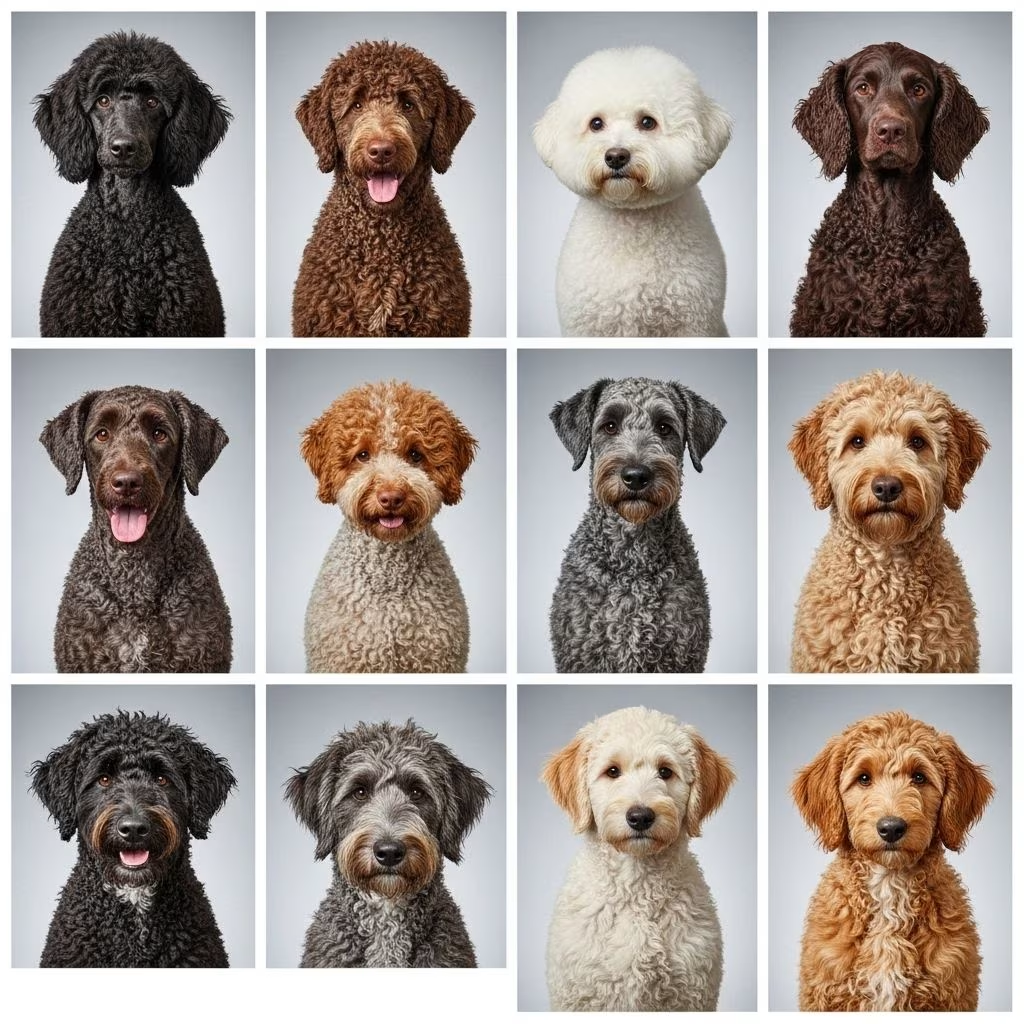
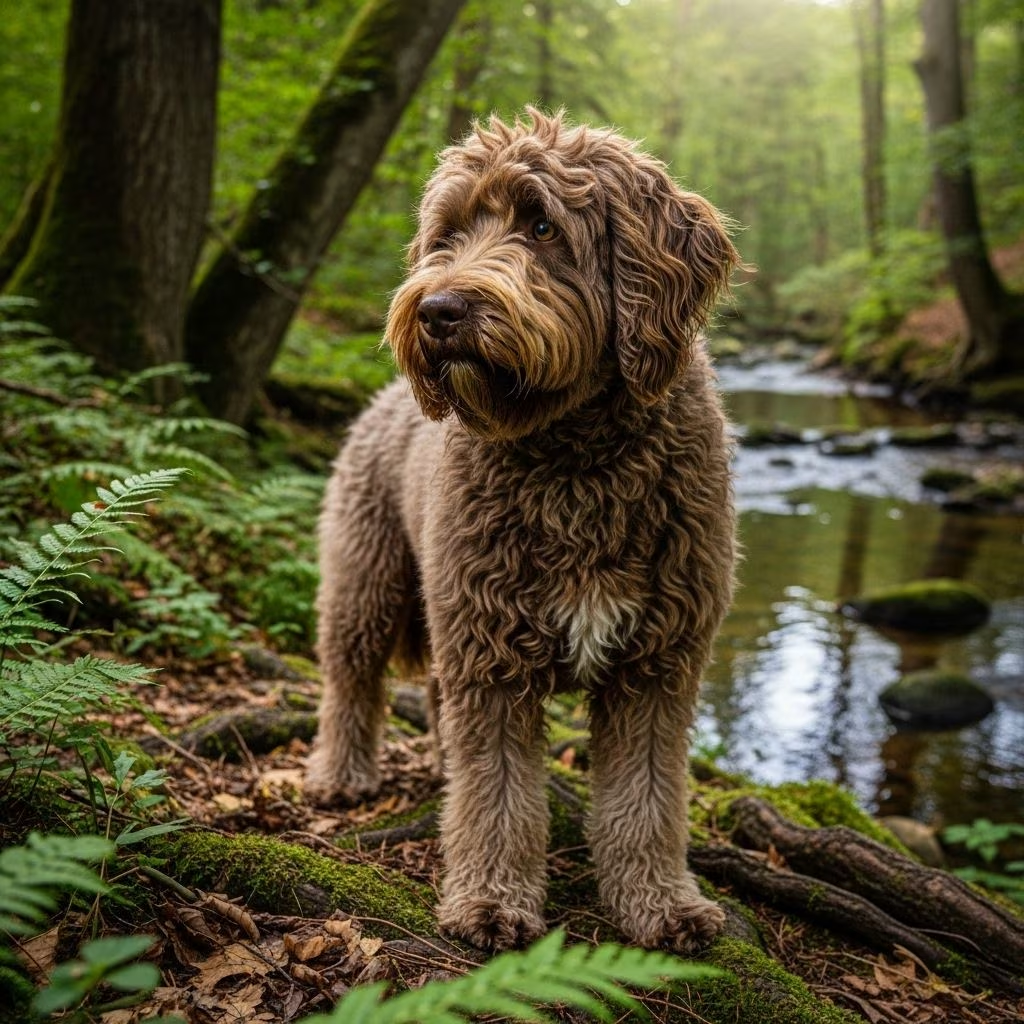
The Barbet is a classic example of a water dog, with balanced proportions and a slightly rectangular profile. The dog’s most notable feature is its long, dense coat of curly hair, which provides insulation and water-repellent qualities essential for work in marshy environments. A prominent beard (from which the breed gets its name) covers the face, and the tail is long and sweeping.
| Characteristic | Description |
|---|---|
| Size | Medium |
| Male Height | 21–25 in (53–64 cm) |
| Female Height | 20–23 in (51–58 cm) |
| Male Weight | 40–60 lb (18–27 kg) |
| Female Weight | 30–50 lb (14–23 kg) |
| Coat | Long, dense, curly, continuously growing |
| Colors | Mostly black or brown; may have white markings; rare colors include fawn, grey, cream, pied |
| Other Features | Webbed feet, substantial head, athletic build |
Regular grooming and trimming are necessary to prevent matting and maintain the coat’s healthy texture. Their appearance is often mistaken for mixed-breed dogs, particularly doodles, due to the shaggy curls and beard.
Temperament and Personality
If you’re searching for a breed that combines athletic prowess with a joyful, affectionate disposition, the Barbet delivers. Descriptions of the breed are full of superlatives: playful, quirky, clownish, and above all, loyal. Barbets bond deeply with their families, carrying a reputation as excellent ‘soul friends’. Their temperament includes:
- Friendly – Barbets are social dogs who thrive in family environments, typically getting along well with children, other dogs, and new acquaintances.
- Intelligent – Their problem-solving ability is apparent in both training and fieldwork; Barbets learn quickly and respond to positive reinforcement.
- Obedient – The breed is eager to please, making it suitable for a variety of activities and disciplines.
- Adaptable – Whether in active sporting homes or quieter family settings, Barbets adjust well provided their exercise and attention needs are met.
- Affectionate – At home, Barbets are loving and gentle, forming strong bonds with everyone in their household.
- Goofy & Playful – Quirky antics and an upbeat nature make Barbets a source of constant entertainment.
Potential owners should note that Barbets require significant social and mental engagement. Separation anxiety or behavioral issues may arise if left alone for extended periods or not given enough stimulation.
Purpose and Versatility
Historically, the Barbet’s primary role was as a retriever in swampy, marshy terrain. Thanks to their webbed feet and thick, water-resistant coat, they could swim in icy water and retrieve game for hunters. Today, the breed participates in an impressive range of canine sports and activities, including:
- Retrieving (both land and water game)
- Agility
- Dock diving
- Conformation
- Disc dog competitions
- Obedience and rally
- Therapy work
Barbets’ rustic nature and enthusiasm for water remain central to their identity, and many excel in field trials and hunting tests, especially in France and Germany.
Living with a Barbet
Exercise & Activity Needs
The Barbet is moderately to highly energetic and needs daily exercise to stay healthy and happy. Activities can include:
- Long walks or runs
- Swimming (Barbets naturally love water)
- Fetch and retrieving games
- Participation in dog sports
- Mental stimulation through training and puzzle toys
Barbets flourish in active households where their energy and working instincts are honored. Access to water is a plus.
Grooming and Maintenance
The breed’s curly coat demands regular attention to prevent matting and maintain cleanliness:
- Brushing: Several times per week, or daily if the dog is frequently active outdoors.
- Trimming: Every few months, either at home or professionally.
- Bathing: As needed, with care to dry the coat thoroughly.
- Ear cleaning: Barbets’ floppy ears can trap moisture, increasing the risk of infection.
Despite frequent maintenance, the Barbet’s coat is considered hypoallergenic, making the breed suitable for individuals with mild allergies.
Training
Barbets respond enthusiastically to positive, reward-based training and are particularly adept at learning new commands, tricks, and routines. Early socialization is crucial to shaping their behavior and confidence. Their intelligence means boredom can set in easily, so owners should incorporate variety and challenge in their routine.
Health and Care
The Barbet is generally healthy, with robust constitution developed over centuries of active work. Key points include:
- Lifespan: Typically 12–14 years
- Common Health Issues: Barbets may be predisposed to some conditions typical of medium-sized retrievers, including hip dysplasia, ear infections, and certain hereditary eye disorders.
- Preventative Care: Regular vet checkups, grooming, parasite control, and attention to ear hygiene are important.
Responsible breeders test for genetic issues, and prospective owners should request health documentation when selecting a puppy.
Barbet in Society: Clubs, Breeders, and Community
Barbet enthusiasts and breeders have played a vital role in the breed’s development in North America, particularly since its introduction in 1994. The Barbet Club of America supports education, advocacy, and networking for owners, breeders, and fans of the breed. Due to the breed’s rarity, finding a responsible breeder may require patience and a willingness to connect with clubs for advice and support.
Fun Facts About the Barbet
- Mistaken Identity: Barbet is often mistaken for doodles or other mixed breeds due to its mop-like coat and beard.
- Ancient Lineage: The first recorded mention of the Barbet is from 1387 — centuries before many modern breeds appeared.
- Royal Connection: Once favored by King Henry IV of France.
- Hypoallergenic: Dense, curly coat is considered suitable for allergy-sensitive owners.
- Versatile Worker: The breed excels in retrieving, flushing, and working alongside watercraft.
Frequently Asked Questions (FAQs)
Q: Are Barbets rare in North America?
A: Yes. There are an estimated 500 Barbets in the United States; finding a puppy may require joining breed clubs and waitlists.
Q: How do you pronounce ‘Barbet‘?
A: Bar-bay. The name derives from the French word “barbe,” meaning beard.
Q: What is the Barbet’s coat care routine?
A: Regular brushing, trimming, and bathing are required to prevent matting and maintain coat health. Professional grooming is recommended.
Q: Are Barbets good family dogs?
A: Absolutely. Barbets are friendly, loyal, and playful, making them excellent companions for families with children and other pets.
Q: Are Barbets hypoallergenic?
A: Barbets are considered hypoallergenic by many due to their dense, curly, non-shedding coat.
Barbet Adoption: Considerations and Cautions
Potential owners should be mindful of the following before welcoming a Barbet:
- Commitment to exercise, mental stimulation, and regular grooming is essential.
- Availability from responsible breeders may be limited; verifying health testing and pedigree is crucial.
- Early socialization and training shape the Barbet’s lifelong temperament and confidence.
Summary Table: Barbet Breed at a Glance
| Trait | Barbet |
|---|---|
| Origin | France |
| KC Recognition | AKC, 2020 |
| Size | Medium |
| Temperament | Friendly, loyal, playful, intelligent |
| Key Qualities | Water-loving, hypoallergenic, versatile, athletic |
| Exercise Needs | Moderate to high |
| Grooming | High (regular trimming, brushing) |
| Lifespan | 12-14 years |
| Health Issues | Hip dysplasia, ear infections, hereditary eye disorders |
Is the Barbet Right for You?
The Barbet offers an unbeatable blend of athleticism, loyalty, and charm. With ancient roots and modern adaptability, this French water dog excels as both a hardworking partner and beloved household pet. Those willing to meet the breed’s social, exercise, and coat care requirements will find a lifelong “soul friend” whose distinctive beard and curly locks are matched only by an affectionate, playful spirit.
References
- https://www.akc.org/dog-breeds/barbet/
- https://www.akc.org/expert-advice/dog-breeds/barbet-2020-new-akc-recognized-breed/
- https://www.akc.org/expert-advice/lifestyle/barbet-fun-facts/
- https://www.barbetclubofamerica.com
- https://en.wikipedia.org/wiki/Barbet_(dog_breed)
- https://www.akc.org/expert-advice/news/breeder-spotlight-eva-gellert/
- https://www.petmd.com/dog/breeds/barbet
- https://www.akc.org/dog-breeds/barbet/pictures/