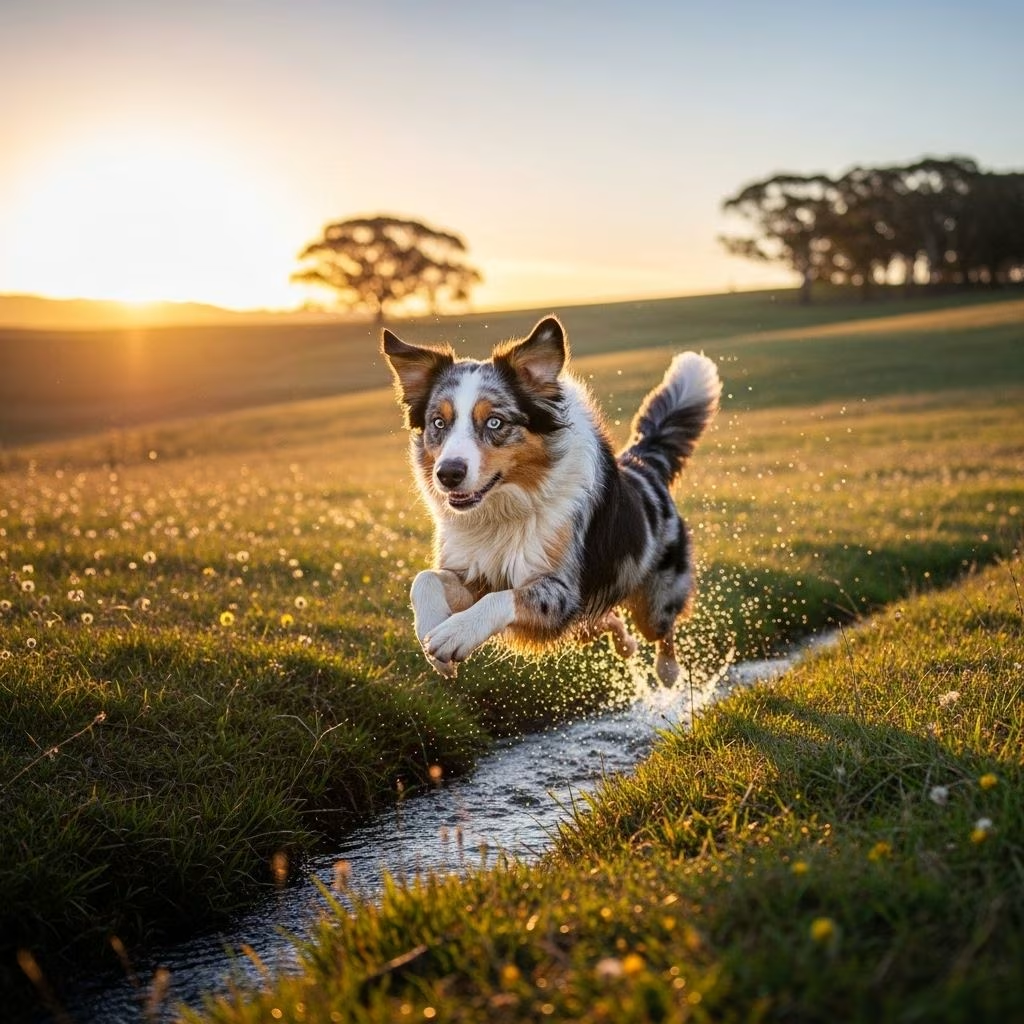
The Australian Shepherd, affectionately known as the “Aussie,” is one of the most beloved and recognizable dog breeds in America. With their striking appearance, boundless energy, and remarkable intelligence, these dogs have captured the hearts of families, ranchers, and dog enthusiasts worldwide. Despite what their name suggests, these incredible herding dogs have a fascinating history that might surprise you.
Australian Shepherds are medium-sized dogs known for their beautiful coats, captivating eyes, and exceptional working abilities. They consistently rank among the most popular breeds, and for good reason. These versatile dogs excel in everything from herding livestock to competing in dog sports, serving as therapy dogs, and being devoted family companions. Their adaptability and eagerness to please make them stand out in the canine world.
Whether you’re considering adding an Aussie to your family or you’re simply curious about this remarkable breed, understanding their unique characteristics, history, and personality traits will help you appreciate why Australian Shepherds have become such cherished companions across the United States and beyond.
The Surprising Origins of Australian Shepherds
One of the most interesting facts about Australian Shepherds is that they didn’t actually originate in Australia. This common misconception has persisted for decades, but the truth reveals a fascinating journey that spans continents and cultures. The breed was actually developed in the western United States during the 19th and early 20th centuries, primarily in states like California, Colorado, Wyoming, and Idaho.
The confusion about their origin likely stems from their association with Basque shepherds who immigrated to America from the Pyrenees region between Spain and France, some of whom came via Australia. These shepherds brought their herding dogs with them, and Americans mistakenly associated the dogs with Australia rather than the Basque region. The breed was further refined and perfected on American ranches and farms, where they were bred specifically for their herding abilities, intelligence, and adaptability to various terrains and climates.
The Australian Shepherd became officially recognized by the American Kennel Club in 1993, marking a significant milestone in the breed’s history. This recognition as the AKC’s 135th breed helped solidify their status and contributed to their growing popularity. Following World War II, the breed’s visibility increased dramatically as Western culture and horse-riding gained popularity, and Aussies were frequently featured in rodeos, horse shows, and Western films.
Physical Characteristics That Make Aussies Stand Out
Australian Shepherds are truly eye-catching dogs with distinctive features that make them instantly recognizable. Their physical appearance combines beauty with functionality, as every trait was developed to enhance their working abilities while creating a stunning overall package.
Coat Colors and Patterns
The Australian Shepherd’s coat is one of their most striking features, coming in a spectacular array of colors and patterns. The breed standard recognizes several color variations including black, red merle, red tricolor, blue merle, black tricolor, and solid red. Many Aussies also display copper or white markings that add to their distinctive appearance. The merle pattern, characterized by a mottled or marbled effect, is particularly popular and creates truly unique coat patterns where no two dogs look exactly alike.
Their coats are medium to long in length and can range from straight to slightly wavy. The double-layered coat provides excellent protection against various weather conditions, making them well-suited for outdoor work in different climates. However, this beautiful coat comes with a significant consideration for potential owners: shedding. Australian Shepherds shed considerably throughout the year, with many owners humorously noting that they shed twice a year for six months at a time, meaning year-round coat maintenance is necessary.
Mesmerizing Eyes
Perhaps no feature of the Australian Shepherd is more captivating than their eyes. Aussies can have brown, blue, amber, hazel, or green eyes, and many display heterochromia, where each eye is a different color. Even more fascinating, some Australian Shepherds have marbled or split eyes, where a single eye contains multiple colors. These striking pale blue eyes historically led Native Americans to believe the dogs were sacred, as the unusual eye color reminded them of ghost eyes.
A common misconception that Aussie owners frequently address is the assumption that blue-eyed dogs are blind in that eye. This is completely false—their blue eyes are simply a natural part of the breed’s genetics and do not indicate any vision problems. The unique eye colors are part of what makes each Australian Shepherd so distinctive and memorable.
The Famous Bobtail
Many Australian Shepherds have naturally short tails, often called bobtails, which give them a distinctive appearance. Historically, breeders selectively bred for shorter tails because they were considered safer and more practical for working dogs. A shorter tail reduced the risk of injury while herding livestock and navigating through brush and rough terrain. Today, some Aussies are born with naturally bobbed tails, while others have full-length tails. Regardless of tail length, one thing remains constant: when an Aussie greets you, their entire rear end wags with enthusiasm, showcasing their joyful and affectionate nature.
Intelligence and Trainability
Australian Shepherds consistently rank among the most intelligent dog breeds, and this exceptional intelligence is both a blessing and a responsibility for their owners. These dogs are remarkably quick learners who excel at observing and mimicking behaviors, which means they learn both good and bad habits with equal efficiency. Their problem-solving abilities are legendary, and they thrive on mental challenges and stimulation.
The Aussie’s intelligence manifests in various ways throughout daily life. They learn by observing their owners and environment, which means they’ll notice if you’re digging in the garden and might decide to help with their own excavation project. They’re also known for their ability to tell time with uncanny accuracy, staring intently when dinner time approaches or when it’s time for their daily walk. This internal clock and awareness of routine demonstrates their cognitive abilities and attention to detail.
Because of their intelligence and eagerness to work, Australian Shepherds excel in virtually any task they’re given. They’ve proven themselves as exceptional service animals, including roles as seeing eye dogs, hearing dogs, drug detection dogs, and search and rescue dogs. Their versatility extends to competitive dog sports where they dominate in agility, obedience, flyball, disc dog competitions, and herding trials. Training an Aussie can be incredibly rewarding, but it requires consistency, patience, and a commitment to providing adequate mental stimulation.
The Herding Instinct and Energy Levels
The herding instinct is deeply ingrained in the Australian Shepherd’s DNA, having been selectively bred for generations to work livestock on farms and ranches. This instinct doesn’t simply disappear when an Aussie becomes a family pet—it manifests in various behaviors that owners must understand and manage appropriately.
One of the most common expressions of herding behavior is the tendency to “herd” family members, particularly children. Aussie owners frequently report that they cannot run or move quickly without their dog attempting to guide them in the “correct” direction. This behavior includes circling, nipping at heels, and positioning themselves to control movement. While this instinct is natural and not aggressive, it requires proper training and outlets to prevent it from becoming problematic, especially around young children who might be frightened or knocked over.
Australian Shepherds are high-energy dogs that require substantial daily exercise and activity. They were bred to work all day in challenging terrain and weather conditions, and that stamina remains part of the breed today. A bored or under-exercised Aussie will find their own entertainment, which often means destructive behaviors like digging, chewing, or excessive barking. These dogs need something to do to keep them busy, or they will think of something on their own that owners might not appreciate.
Adequate exercise for an Australian Shepherd goes beyond a simple walk around the block. They need vigorous aerobic exercise, including running, hiking, swimming, or participating in dog sports. Mental stimulation is equally important—puzzle toys, training sessions, and interactive games help tire out their active minds. Prospective owners must honestly assess whether they can meet these demanding exercise requirements before bringing an Aussie into their home.
Personality Traits and Behaviors
Living with an Australian Shepherd means embracing certain quirks and behaviors that come with this unique breed. Aussie owners share common experiences that highlight the breed’s distinctive personality.
The Possessive Toy Collector
Australian Shepherds often exhibit a strong sense of ownership over their toys and belongings. Many Aussie owners describe their dog’s philosophy as: “All toys are mine. If you have the toy, it’s mine. If I leave the toy and you take it, it’s still mine.” This possessiveness extends to stuffed animals and toys, which many Aussies feel must be properly “inspected” by removing all the stuffing for security purposes. This behavior stems from their working dog mentality and high prey drive.
Fur Everywhere
Australian Shepherd owners quickly learn that their homes will be decorated with fur year-round. The running joke among Aussie enthusiasts is that the breed sheds twice a year for six months at a time, meaning constant shedding is a reality. Regular brushing helps manage the loose hair, but owners should be prepared for fur on furniture, clothing, and virtually every surface in their home. This is a small price to pay for the companionship of such an amazing breed, but it’s an important consideration for those with allergies or who prefer an immaculate home.
Loyal and Affectionate Companions
Beyond their working abilities and intelligence, Australian Shepherds are deeply devoted to their families. They form strong bonds with their owners and thrive on being included in family activities. Their affectionate nature means they want to be near their people, often following them from room to room. This loyalty and desire for connection make them wonderful family dogs for active households that can include them in daily life.
Australian Shepherds are generally good with children when properly socialized, though supervision is important due to their herding instincts and energy level. They typically get along well with other pets, especially when raised together, though their herding drive may cause them to try to herd other animals in the household.
Why Australian Shepherds Are Addictive
There’s a popular saying among Australian Shepherd enthusiasts: “Aussies are like potato chips—you can’t have just one!” This sentiment reflects the deep connection and satisfaction that comes from sharing life with this remarkable breed. Once people experience the intelligence, loyalty, devotion, and personality of an Australian Shepherd, many find themselves wanting to add another Aussie to their family.
The breed’s versatility contributes to this addictive quality. Whether you’re interested in herding, agility, obedience, therapy work, or simply having an active companion for outdoor adventures, Australian Shepherds excel in all these roles. Their ability to adapt to various activities and their eagerness to learn new skills means there’s always something new to explore together. Many owners describe an almost telepathic connection with their Aussies, feeling that they communicate effortlessly and understanding each other’s needs intuitively.
However, it’s crucial to emphasize that Australian Shepherds are not the right breed for everyone. They require experienced owners who understand their needs and can commit to providing adequate exercise, mental stimulation, and training. First-time dog owners or those with sedentary lifestyles may find the Aussie’s demands overwhelming. But for people who can handle their exercise needs, intelligence, and attitude, Australian Shepherds become irreplaceable best friends and faithful companions.
Comparing Australian Shepherds to Related Breeds
| Characteristic | Australian Shepherd | Miniature American Shepherd | Border Collie |
|---|---|---|---|
| Size | Medium (40-65 lbs) | Small (20-40 lbs) | Medium (30-55 lbs) |
| Origin | Western United States | California (1960s) | Scotland/England border |
| Energy Level | Very High | Very High | Extremely High |
| Coat Colors | Multiple including merle | Similar to Aussie | Black/white, red/white |
| Best For | Active families, farms | Smaller spaces, active owners | Experienced handlers, farms |
Health and Lifespan Considerations
Australian Shepherds are generally healthy dogs with a lifespan of 12 to 15 years. However, like all breeds, they’re prone to certain health conditions that potential owners should be aware of. Regular veterinary check-ups, proper nutrition, adequate exercise, and preventive care contribute to a long, healthy life.
The breed can be susceptible to hip dysplasia, elbow dysplasia, and various eye conditions including progressive retinal atrophy and cataracts. Responsible breeders screen their breeding stock for these conditions to minimize their occurrence. Additionally, the merle gene that creates the beautiful coat patterns can cause health issues when two merle dogs are bred together, potentially resulting in puppies with hearing or vision problems.
Maintaining a healthy weight is particularly important for Australian Shepherds, as excess weight can exacerbate joint problems and reduce their quality of life. Their high activity level means they typically need more calories than less active breeds, but portions should be monitored to prevent overfeeding. Mental health is equally important—these intelligent dogs can develop anxiety or behavioral problems if not properly stimulated and exercised.
Is an Australian Shepherd Right for You?
Deciding whether to bring an Australian Shepherd into your life requires honest self-assessment about your lifestyle, experience level, and commitment. These dogs are not casual pets that can be left alone for long periods or exercised with a quick walk around the block. They demand active participation in their care, training, and daily activities.
Ideal Australian Shepherd owners are active individuals or families who enjoy outdoor activities, have time to dedicate to training and exercise, and appreciate an intelligent, engaged companion. They thrive in homes with yards where they can play and burn energy, though they should not be left outside unsupervised for extended periods as they want to be with their people. Aussies do best when they have a job to do, whether that’s actual work like herding, competitive dog sports, or structured activities with their owners.
Those with sedentary lifestyles, limited time for training and exercise, or who prefer a more independent, low-maintenance dog should consider other breeds. Australian Shepherds form intense bonds and require significant interaction and attention. They’re also not ideal for apartment living unless their owners are extremely committed to providing multiple lengthy exercise sessions daily.
Frequently Asked Questions
Q: Are Australian Shepherds actually from Australia?
A: No, despite their name, Australian Shepherds were developed in the western United States. The name likely came from their association with Basque shepherds who immigrated to America, some via Australia, bringing their herding dogs with them.
Q: How much exercise does an Australian Shepherd need daily?
A: Australian Shepherds require substantial daily exercise, typically at least 1-2 hours of vigorous activity. This should include aerobic exercise like running or swimming, plus mental stimulation through training or puzzle games.
Q: Do all Australian Shepherds have blue eyes?
A: No, Australian Shepherds can have brown, amber, blue, hazel, or green eyes. Some have heterochromia (two different colored eyes) or even marbled eyes with multiple colors in one eye. Blue eyes do not indicate blindness.
Q: Are Australian Shepherds good with children?
A: Australian Shepherds can be excellent with children when properly socialized, but their herding instincts may lead them to nip at heels or try to herd running children. Supervision and training are important, especially with young children.
Q: How much do Australian Shepherds shed?
A: Australian Shepherds are heavy shedders year-round. Owners often joke that they shed twice a year for six months at a time. Regular brushing helps manage loose hair, but expect to find fur throughout your home.
Q: Can Australian Shepherds live in apartments?
A: While possible, apartment living is challenging for Australian Shepherds due to their high energy levels and exercise requirements. They need owners extremely committed to providing multiple lengthy exercise sessions and mental stimulation daily.
Q: Are Australian Shepherds easy to train?
A: Australian Shepherds are highly intelligent and trainable, learning commands quickly. However, their intelligence means they can also learn bad habits easily. They require consistent, positive training methods and mental challenges to thrive.
Q: Why do some Australian Shepherds have short tails?
A: Some Australian Shepherds are born with naturally bobbed tails, while others have full-length tails. Historically, shorter tails were preferred for working dogs as they reduced injury risk while herding livestock and moving through rough terrain.
References
- https://www.akc.org/dog-breeds/australian-shepherd/
- https://www.akc.org/expert-advice/lifestyle/fun-facts-miniature-american-shepherd/
- https://www.akc.org/expert-advice/lifestyle/10-things-only-an-australian-shepherd-owner-would-understand/
- https://timberwolfpet.com/blogs/dog-facts/11-most-interesting-australian-shepherd-facts
- https://www.sniffspot.com/blog/dog-breeds/explore-the-australian-shepherd-genuine-tips-from-9000-owners
- https://www.youtube.com/watch?v=M6oqNBaHvRU
- https://www.akc.org/expert-advice/dog-breeds/australian-shepherd-history/
- https://www.discoverwalks.com/blog/world/15-fun-facts-about-australian-shepherds/