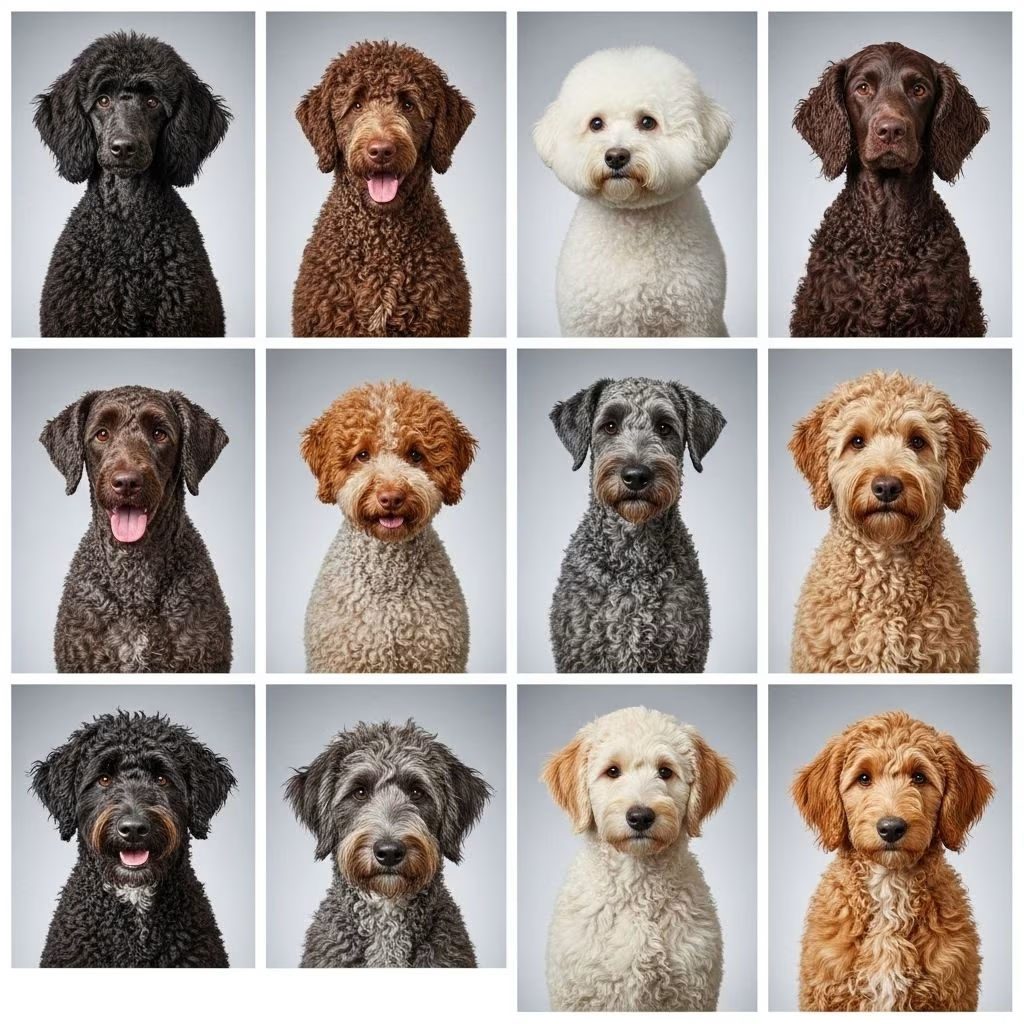
While no dog breed is completely 100% hypoallergenic, certain breeds produce significantly fewer allergens than others, making them excellent choices for people with dog allergies. These breeds typically have non-shedding coats or minimal shedding patterns that reduce the amount of dander released into the environment. Understanding which breeds work best for allergy sufferers can help you find the perfect four-legged companion without compromising your health and comfort.
Dog allergies are primarily triggered by proteins found in dog dander, saliva, and urine rather than the hair itself. However, dogs that shed less tend to spread fewer allergens throughout your home, making them more suitable for sensitive individuals. Many hypoallergenic breeds have hair that grows continuously rather than fur that sheds seasonally, which significantly reduces airborne allergens.
Understanding Hypoallergenic Dog Breeds
The term “hypoallergenic” when applied to dogs doesn’t mean completely allergen-free, but rather refers to breeds that are less likely to trigger allergic reactions. These breeds share common characteristics that make them more compatible with allergy sufferers. Their coats typically produce less dander, they shed minimally, and their grooming requirements help manage allergen levels effectively.
Before bringing home a hypoallergenic dog, it’s essential to spend time with the specific breed to ensure you don’t have adverse reactions. Each person’s allergies are unique, and what works for one individual may not work for another. Consulting with an allergist and meeting dogs of your chosen breed can help you make an informed decision.
Top Hypoallergenic Dog Breeds
Afghan Hound
The Afghan Hound is an elegant and dignified breed known for its flowing, silky coat that requires dedicated maintenance. Despite their long hair, Afghan Hounds are considered hypoallergenic because they shed minimally. These aloof yet loyal dogs possess a regal bearing and independent nature that appeals to experienced dog owners.
Afghan Hounds need regular exercise to maintain their athletic build and mental stimulation to prevent boredom. Their gorgeous coat requires bathing and brushing twice weekly to prevent tangles and maintain its lustrous appearance. While their grooming needs are substantial, the reduced allergen production makes them worthwhile for allergy sufferers who appreciate their unique elegance.
American Hairless Terrier
The American Hairless Terrier is a lively, friendly, and intelligent breed that makes an excellent companion for families and city dwellers alike. As one of the few truly hairless breeds, they produce minimal allergens, making them ideal for people with severe dog allergies. Their smooth, warm skin requires special care but eliminates shedding concerns entirely.
These energetic terriers adapt well to apartment living due to their minimal exercise requirements—regular walks and indoor playtime suffice to keep them happy and healthy. American Hairless Terriers need regular bathing to maintain skin health and nail trimming to prevent discomfort. They do well with children and bond closely with their families, offering affection without the allergen load.
Bedlington Terrier
The Bedlington Terrier is instantly recognizable by its curly, wooly coat that resembles a lamb’s fleece. This gentle and loveable breed combines a soft temperament with a distinctive appearance that turns heads wherever they go. Their unique coat texture produces minimal dander and doesn’t shed, making them excellent for allergy-prone households.
Bedlington Terriers don’t require intense exercise regimens—regular playtime and daily walks meet their activity needs adequately. Their coat requires professional grooming every six to eight weeks to maintain its characteristic shape and prevent matting. These adaptable dogs thrive in various living situations and form strong bonds with their families.
Bichon Frise
The Bichon Frise is a naturally gentle, happy, and playful companion that brings joy to any household. Their distinctive white, puffy coat consists of hair that continually grows rather than fur that sheds, making them one of the most popular hypoallergenic breeds. Bichons love activity and thrive on human interaction, making them perfect for active families.
Regular grooming is essential for Bichon Frises to prevent mats and maintain their signature fluffy appearance. Their coat requires professional grooming every four to six weeks, along with daily brushing at home. Despite these grooming requirements, their cheerful disposition and low-allergen coat make them worth the effort for allergy sufferers seeking an affectionate companion.
Chinese Crested
The Chinese Crested is an alert, playful breed that thrives on human companionship and forms incredibly strong bonds with their owners. Available in both hairless and “powderpuff” varieties, the hairless Chinese Crested is particularly suitable for allergy sufferers. These small dogs shed little to no hair and produce minimal dander.
Chinese Cresteds do exceptionally well in families with gentle children who understand how to interact respectfully with small dogs. Their diminutive size and moderate exercise needs make them perfect for apartment living. The hairless variety requires skin care including sunscreen and moisturizer, while the powderpuff variety needs regular brushing to maintain their soft coat.
Coton de Tulear
The Coton de Tulear is a small, hardy breed characterized by its happy disposition, eagerness to please, and unwavering loyalty. Their name derives from their cotton-like coat, which is soft, fluffy, and hypoallergenic. These charming dogs get along wonderfully with other dogs and children, making them ideal family pets.
The Coton’s long, beautiful coat requires daily grooming to prevent tangles and maintain its cloud-like texture. Regular bathing and brushing sessions become bonding opportunities while keeping allergens to a minimum. Their affectionate nature and adaptability make them excellent companions for first-time dog owners and experienced handlers alike.
Peruvian Inca Orchid
The Peruvian Inca Orchid is an ancient breed that comes in both hairless and coated varieties, with the hairless variety being particularly suitable for allergy sufferers. This rare breed is available in three sizes—small, medium, and large—allowing potential owners to choose based on their living situation and preferences. They are loyal and protective of their families while maintaining an elegant, graceful appearance.
Peruvian Inca Orchids possess considerable energy and require regular activity to stay physically and mentally healthy. Their minimal grooming needs make them low-maintenance compared to many other breeds, though the hairless variety requires skin protection from sun and cold. These intelligent dogs form deep bonds with their families and make excellent watchdogs.
Poodle
The Poodle ranks among the most popular hypoallergenic breeds and comes in three size varieties—Standard, Miniature, and Toy—making them suitable for various living situations. Exceptionally smart and active, Poodles need daily exercise and mental stimulation to prevent boredom. Their trademark curly coat is dense and doesn’t shed, trapping dander close to the skin rather than releasing it into the air.
Poodles require regular professional grooming every six to eight weeks to maintain their coat and prevent matting. Their intelligence makes them highly trainable and eager to learn new commands and tricks. Whether you choose a Standard Poodle for jogging companionship or a Toy Poodle for lap cuddles, their hypoallergenic qualities remain consistent across sizes.
Portuguese Water Dog
The Portuguese Water Dog is an athletic, energetic breed that needs vigorous daily exercise and thrives with very active families. Originally bred to assist fishermen, these intelligent and loyal workers possess a waterproof coat that requires regular maintenance but produces minimal allergens. Their robust build and stamina make them excellent companions for outdoor enthusiasts.
Portuguese Water Dogs excel at swimming and water-based activities, living up to their name with enthusiasm. Their coat can be kept in either a retriever clip or a lion clip, both requiring professional grooming every six to eight weeks. These dogs bond intensely with their families and demonstrate remarkable intelligence in training situations.
Soft Coated Wheaten Terrier
The Soft Coated Wheaten Terrier is a happy, active breed that needs plenty of daily exercise to maintain their cheerful disposition. They adapt remarkably well to city, country, or suburban living and do exceptionally well with children. Their silky, soft coat is single-layered and produces minimal dander, making them suitable for allergy sufferers.
Regular grooming is necessary to prevent mats and maintain the Wheaten’s characteristic soft texture. Daily brushing and professional grooming every six to eight weeks keep their coat in optimal condition. These friendly terriers greet everyone with enthusiasm and bring boundless energy to their families.
Spanish Water Dog
The Spanish Water Dog is a lively, hardworking breed with natural protective instincts and remarkable versatility. As a high-energy breed, they do best with active families who can provide ample exercise and mental stimulation. Their curly, wooly coat requires surprisingly little grooming and produces minimal allergens.
Interestingly, Spanish Water Dogs should never be brushed, as this damages their natural cords. Instead, their coat should be shaved down at least once yearly to maintain manageability. These intelligent dogs excel at various dog sports and working roles, from herding to water rescue.
Standard Schnauzer
The Standard Schnauzer is a sociable, affectionate breed with a particular fondness for children. These athletic dogs need daily exercise to maintain their muscular build and prevent boredom-related behaviors. Their distinctive wiry coat with characteristic beard and eyebrows produces minimal shedding and dander.
The Standard Schnauzer’s beard and leg hair require frequent brushing to prevent mats and tangles. Professional grooming every six to eight weeks maintains their signature appearance. These versatile dogs serve as excellent family companions, watchdogs, and even therapy animals due to their stable temperament.
Xoloitzcuintli
The Xoloitzcuintli (pronounced “show-low-eats-QUEENT-lee”), also known as the Mexican Hairless Dog, is an ancient breed that comes in three sizes—Toy, Miniature, and Standard—and two varieties, hairless and coated. The hairless variety features smooth, tough, protective skin, while the coated variety has a short, flat coat. They are calm, tranquil, and attentive companions with moderate exercise and grooming needs.
Xoloitzcuintlis can be somewhat aloof with strangers but form deep, loyal bonds with their families. The hairless variety requires skin care including moisturizer and sun protection, while producing virtually no allergens. These dignified dogs make excellent watchdogs and adapt well to various living situations.
Choosing the Right Hypoallergenic Breed
Selecting the perfect hypoallergenic dog breed involves considering multiple factors beyond allergen production. Your lifestyle, living situation, activity level, and experience with dogs all play crucial roles in determining which breed will thrive in your home. Size considerations matter significantly—larger breeds like Standard Poodles and Portuguese Water Dogs need more space and exercise than smaller breeds like Bichon Frises or Chinese Cresteds.
Exercise requirements vary dramatically among hypoallergenic breeds. Athletic breeds like Afghan Hounds and Portuguese Water Dogs demand vigorous daily activity, while American Hairless Terriers and Bedlington Terriers thrive with moderate exercise. Honestly assess your activity level and available time before committing to a high-energy breed.
Grooming commitments represent another critical factor in breed selection. While all hypoallergenic breeds require some grooming to maintain their low-allergen properties, requirements range from the minimal needs of hairless breeds to the intensive daily brushing required by Coton de Tulears. Consider both the time and financial investment of professional grooming when making your decision.
Living With a Hypoallergenic Dog
Successfully managing allergies while living with a hypoallergenic dog requires more than simply choosing the right breed. Implementing proper home care strategies maximizes comfort for allergy sufferers. Regular bathing of your dog—typically weekly or bi-weekly depending on the breed—removes accumulated dander and allergens from their coat before they spread throughout your home.
Maintaining a clean living environment significantly reduces allergen levels. Vacuum frequently with a HEPA filter vacuum, wash dog bedding weekly, and consider using air purifiers in main living areas. Designating certain areas of your home, particularly bedrooms, as dog-free zones creates allergen-reduced spaces for severe allergy sufferers.
Grooming practices should ideally occur outdoors or in a designated grooming area to prevent spreading allergens throughout your home. If you must groom indoors, thorough cleaning afterward minimizes allergen dispersal. Many allergy sufferers find that having a non-allergic family member handle grooming duties provides additional protection.
Health and Care Considerations
Hypoallergenic breeds, like all dogs, require proper veterinary care, nutrition, and attention to maintain optimal health. Many hypoallergenic breeds are generally healthy but may be predisposed to certain conditions. Regular veterinary checkups ensure early detection and treatment of any health issues, keeping your dog happy and healthy throughout their life.
Nutrition plays a vital role in maintaining healthy skin and coat, which directly impacts allergen production. High-quality dog food appropriate for your dog’s age, size, and activity level supports overall health. Some breeds benefit from supplements like omega-3 fatty acids to maintain coat health and minimize skin irritation.
Exercise and mental stimulation keep hypoallergenic dogs physically fit and mentally satisfied, reducing stress-related behaviors. Different breeds require varying activity levels, from the calm Xoloitzcuintli to the energetic Spanish Water Dog. Meeting your dog’s exercise needs prevents obesity and associated health problems.
Training and Socialization
All hypoallergenic breeds benefit from early training and socialization, though their intelligence levels and trainability vary. Many hypoallergenic breeds, particularly Poodles and Portuguese Water Dogs, rank among the most intelligent dog breeds and excel at training. Positive reinforcement training methods work best with these sensitive, eager-to-please dogs.
Early socialization exposes puppies to various people, animals, environments, and experiences during their critical developmental period. Well-socialized dogs become confident, well-adjusted adults who handle new situations calmly. This is particularly important for naturally reserved breeds like the Afghan Hound or protective breeds like the Spanish Water Dog.
Consistency in training establishes clear expectations and strengthens the bond between you and your dog. Many hypoallergenic breeds are sensitive to their owner’s emotions and respond well to gentle, patient training approaches. Harsh corrections are unnecessary and counterproductive with these intelligent, willing learners.
Finding Your Hypoallergenic Companion
Once you’ve determined which hypoallergenic breed suits your lifestyle and allergies, finding a reputable source for your new companion becomes the next priority. Responsible breeders prioritize health, temperament, and breed standards over profit. They conduct health testing on breeding dogs, provide health guarantees, and remain available for support throughout your dog’s life.
When searching for a breeder, ask about health clearances for breed-specific conditions, request to meet the puppy’s parents, and observe the living conditions. Reputable breeders welcome questions and want to ensure their puppies go to appropriate homes. They should ask you questions about your lifestyle, experience, and expectations to determine if their breed suits you.
Rescue organizations offer another avenue for finding hypoallergenic dogs. Breed-specific rescues focus on particular breeds and can match you with adult dogs whose personalities and allergen levels are well-established. Adult dogs offer the advantage of known temperaments and often come with basic training.
The Benefits of Hypoallergenic Breeds
Living with a hypoallergenic dog opens the door to pet ownership for countless allergy sufferers who otherwise couldn’t experience the joy of canine companionship. These breeds provide all the love, loyalty, and entertainment of any dog while producing fewer allergens that trigger uncomfortable symptoms. The reduced shedding also means less hair on furniture, clothing, and floors, creating a cleaner home environment.
Many hypoallergenic breeds possess exceptional intelligence and trainability, making them excellent choices for various activities from therapy work to competitive dog sports. Their diverse sizes, energy levels, and temperaments ensure that allergy sufferers can find a breed matching their specific lifestyle and preferences. Whether you desire an athletic jogging partner or a gentle lap dog, hypoallergenic breeds offer suitable options.
The grooming requirements of hypoallergenic breeds, while sometimes intensive, create regular bonding opportunities between dogs and owners. These grooming sessions become cherished rituals that strengthen your relationship while maintaining your dog’s health and your own comfort. The investment in grooming pays dividends in reduced allergens and a beautiful, well-maintained companion.
Frequently Asked Questions
Q: Are hypoallergenic dogs completely allergen-free?
A: No dog breed is 100% hypoallergenic. However, hypoallergenic breeds produce significantly fewer allergens than other dogs due to minimal shedding and reduced dander production, making them suitable for many allergy sufferers.
Q: How often should I groom my hypoallergenic dog?
A: Grooming frequency varies by breed. Most require professional grooming every 4-8 weeks, with daily or weekly brushing at home. Hairless breeds need regular bathing and skin care instead of coat maintenance.
Q: Can children with allergies live with hypoallergenic dogs?
A: Many children with dog allergies tolerate hypoallergenic breeds well. However, it’s essential to spend time with the specific breed before committing and consult with an allergist to ensure compatibility.
Q: Do hypoallergenic dogs require more maintenance than regular dogs?
A: Hypoallergenic dogs often require more frequent grooming to maintain their low-shedding coats and minimize allergen production. However, this grooming reduces household cleaning needs by minimizing shed hair.
Q: Which hypoallergenic breed is best for first-time dog owners?
A: Bichon Frises, Coton de Tulears, and Miniature Poodles make excellent choices for first-time owners due to their friendly temperaments, moderate size, and trainability, though all require regular grooming.
Q: Can I adopt hypoallergenic dogs from shelters?
A: Yes, many hypoallergenic breeds end up in shelters and breed-specific rescues. Adopting an adult hypoallergenic dog allows you to assess allergen compatibility before committing to adoption.
Q: Do all small dogs produce fewer allergens?
A: No, size doesn’t determine allergen production. Some large breeds like Standard Poodles and Portuguese Water Dogs are highly hypoallergenic, while some small breeds shed heavily and produce significant allergens.
Q: How can I reduce allergens in my home with a hypoallergenic dog?
A: Regular dog bathing, frequent home cleaning with HEPA-filter vacuums, using air purifiers, washing dog bedding weekly, and designating dog-free zones significantly reduce allergen levels in your home.
References
- https://www.akc.org/dog-breeds/hypoallergenic-dogs/
- https://www.akc.org/expert-advice/dog-breeds/hypoallergenic-dog-breeds/
- https://www.akc.org/press-releases/no-shed-2014-oct/
- https://www.akc.org/dog-breeds/
- https://www.akc.org/press-releases/hypoallergenic-2014-oct/
- https://akc.tv/episode?id=3047
- https://www.wetpawsdoggrooming.com/23-hypoallergenic-dog-breeds-thatll-keep-your-family-happy-and-healthy/