Bichon Frise: The Cheerful and Adaptable Companion Dog
The Bichon Frise is a captivating small breed, celebrated for its distinctive fluffy white coat, intelligent eyes, and boundless charm. Renowned for being a delightful family companion, the Bichon Frise has won the hearts of dog enthusiasts across the globe thanks to its joyful demeanor, adaptability, and relatively easy training. This article delves into the history, physical traits, temperament, health, grooming, and living requirements of the Bichon Frise, as well as offering practical advice for prospective owners.
Breed Overview
- Breed Group: Non-Sporting
- Height: 9–12 inches at the shoulder
- Weight: 7–12 pounds
- Life Expectancy: 13–15 years
- Coat: Double coat; fleecy, curly, and hypoallergenic
- Color: Pure white (most common), occasionally with cream or apricot shading as puppies
- AKC Recognition: Yes, Non-Sporting Group
History and Origins
The Bichon Frise traces its roots to the Mediterranean, with lineage believed to be related to the Barbet and other small white fluffy breeds.
These dogs were favorites in the courts of Renaissance Europe, admired for their playful personalities and endearing looks. Over centuries, their popularity grew not just as regal lapdogs but also as companions to ordinary families.
Their arrival in the United States around the 1950s solidified their role as beloved show dogs and adaptable companions in homes and therapy programs alike.
Physical Characteristics
- Size: Bichons are small and sturdy, usually standing 9–12 inches tall and weighing 7–12 pounds.
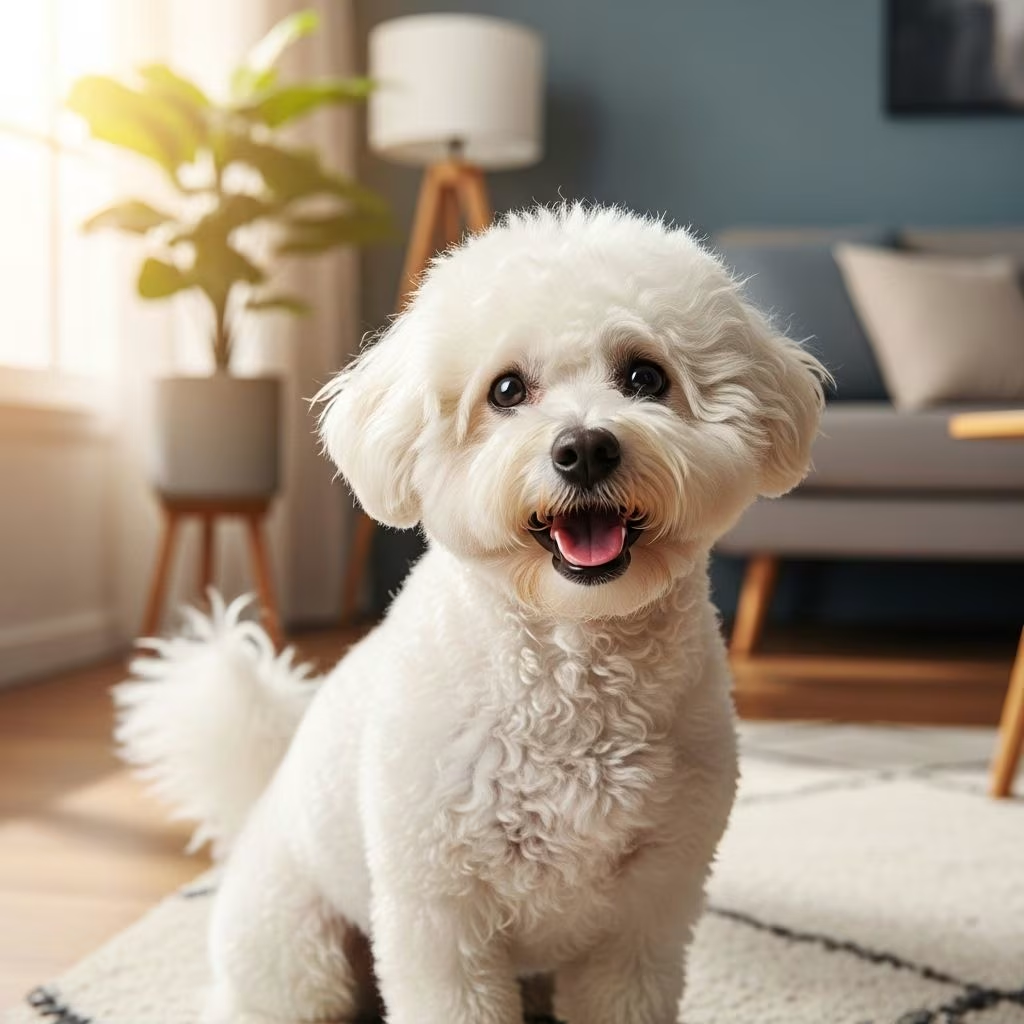
- Coat and Appearance: The coat is soft, curly, and plush, making the breed appear cloud-like. Their round black eyes and black noses stand in striking contrast to the snowy white fur.
- Expression and Posture: The Bichon sports a cheerful and alert expression, with dark halos around the eyes and ears that drop, covered in long hair. Their tails curl gracefully over the back.
- Movement: Characterized by an effortless, elegant trot, the Bichon moves with poise and grace, exuding confidence.
Bichon Frise Personality and Temperament
One of the breed’s greatest assets is its sparkling personality. Bichons Frise are celebrated for their genial nature and affectionate disposition, making them ideal family pets and loyal lap dogs.
- Cheerful and Playful: The breed exudes happiness, thriving on affection and attention. They enjoy entertaining families with fun antics and are always ready for a game of fetch or tug-of-war.
- Affectionate and Social: Bichons form strong bonds with their human families and get along well with children and other pets when socialized early.
- Adaptable: Equally content in small apartments or larger homes, Bichons adjust well to various living environments.
- Gentle and Companionable: They rarely show fear or aggression, preferring to greet newcomers warmly. Their lack of territorial instincts makes them not particularly protective, but always friendly.
- Curious and Alert: The breed is inquisitive, noticing changes in their environment and alerting their owners, often with vocalizations.
- Sensitive: They dislike being left alone for extended periods and may develop separation anxiety if not gradually accustomed to brief periods apart.
Bichon Frise Behavior and Training
Behavior
Bichons Frise respond quickly to new people and surroundings, provided they receive proper training and socialization early in life. When bored or lonely, however, they can resort to undesirable behaviors such as excessive barking or chewing. Ensuring regular social and mental stimulation is vital for their happiness.
Training
- Highly Trainable: Bichons are eager to please and quick learners, excelling at obedience training, tricks, and therapy work.
- Potty Training: Their intelligence makes house training relatively smooth, though consistency is essential. Early crate training is recommended.
- Positive Reinforcement: Gentle, reward-based methods yield the best results.
- Early Socialization: Exposing puppies to diverse people, pets, sounds, and experiences helps build a well-adjusted, confident dog.
Obedience classes and puppy kindergarten are highly recommended for all Bichon puppies. These not only hone skills but also provide critical opportunities for socialization.
Fun Activities for Bichon Frise
- Indoor games like tug-of-war or fetch.
- Short and gentle walks in the neighborhood or backyard play sessions.
- Relaxing in their owner’s lap or snuggling on a family member’s bed.
- Participating in dog sports: basic agility or obedience classes can be enjoyable for energetic individuals.
Living Needs and Adaptability
- Family Compatibility: Excellent for families with children and other pets due to their tolerant and playful disposition.
- Space Requirements: Suitable for both apartments and homes with yards, provided they receive regular exercise and companionship.
- Humidity and Temperature: Bichons tolerate a variety of climates but should be protected from extreme temperatures and never left outside alone for extended periods.
- Supervision: Although usually sociable, all interactions with smaller children or larger pets should be supervised to prevent accidental injury.
Grooming and Maintenance
The Bichon’s plush coat, though hypoallergenic, requires significant upkeep to maintain its charming appearance and overall health.
- Brushing: Daily brushing is advised to prevent tangles and matting. The double coat can knot easily.
- Professional Grooming: Scheduling a professional grooming appointment every 4–6 weeks is ideal. Show dogs may require more frequent trims.
- Bathing: Bathe your Bichon every 3–4 weeks, using a gentle dog shampoo to keep the coat clean and plush.
- Ear, Teeth & Eye Care: Regularly clean the ears, brush teeth, and wipe away tear stains beneath the eyes—common in white-coated breeds.
- Nail Trimming: Nails should be trimmed regularly to prevent splitting or injury.
Health and Common Conditions
The Bichon Frise is generally considered a robust breed with a lifespan averaging 13–15 years.
Like all breeds, they are predisposed to certain health concerns. Awareness and regular veterinary care can help maintain optimal health throughout your pet’s life.
- Allergies: Prone to skin allergies, which may manifest as itching, redness, or hair loss.
- Dental Disease: Regular dental care is essential to prevent periodontal issues.
- Patellar Luxation: A common orthopedic issue in small breeds, involving the dislocation of the kneecap.
- Bladder Stones: May be more prevalent, requiring dietary and lifestyle adjustments.
- Eye Conditions: Tear staining, cataracts, and other eye problems may appear with age; routine checks are recommended.
- Vaccinations & Preventive Care: Maintain an annual checkup schedule for vaccines, heartworm prevention, and health screenings.
Diet and Nutrition
- Feed high-quality, small-breed-specific kibble or wet food appropriate to your Bichon’s age, activity level, and health status.
- Monitor caloric intake to avoid obesity, which can increase the risk of health issues.
- Offer fresh water at all times and limit high-calorie treats.
- Consult your veterinarian for guidance on portion sizes and optimal dietary plans for growing puppies, adults, or seniors.
Exercise Requirements
- Walking: Bichons enjoy daily short, brisk walks and play sessions, usually needing under an hour of physical activity each day.
- Play Time: Regular interactive play helps keep them mentally and physically stimulated.
- Indoor Games: Small size makes them ideal for gentle indoor or backyard games.
- Warning: Avoid excessive exertion, especially in hot or humid conditions, as their small size makes them sensitive to overheating.
Is the Bichon Frise Right for You?
| Trait | Details |
|---|---|
| Family-friendly | Excellent with children and other pets |
| First-time owners | Well-suited for novice dog owners |
| Allergy Susceptibility | Hypoallergenic, minimal shedding |
| Exercise needs | Moderate; daily play and short walks suffice |
| Suitability for apartments | High; adapts well to small spaces |
| Grooming demands | High; daily brushing and regular trimming required |
| Barking | Moderately vocal, may bark to alert owners |
| Time alone | Dislikes being left alone for prolonged periods |
Frequently Asked Questions (FAQs)
Q: Are Bichon Frises hypoallergenic?
A: Yes, Bichon Frises are considered hypoallergenic because their coat sheds very little and produces less dander compared to many breeds. However, no dog is completely allergen-free, so those with severe allergies should spend time with a Bichon first.
Q: How much grooming does a Bichon Frise need?
A: Bichon Frises require daily brushing to prevent tangling and matting, and professional grooming every 4–6 weeks to keep their coat in good shape.
Q: Are Bichons good family dogs?
A: Yes, they are exceptional family dogs due to their friendly, playful, and gentle temperament. They get along well with children and other pets and adapt easily to various household routines.
Q: How much exercise does a Bichon need?
A: A Bichon typically needs under an hour of structured exercise daily, including a brisk walk and interactive play sessions.
Q: Are Bichons easy to train?
A: Generally, yes. Their intelligence and eagerness to please make them highly trainable with patience, consistency, and positive reinforcement.
Q: Can Bichons be left alone?
A: Bichons do not tolerate long periods of isolation and can develop separation anxiety. They are best suited for households where someone is often home or arrangements can be made for dog-sitting or doggy daycare.
Final Thoughts
The Bichon Frise stands out for its infectious cheerfulness, adaptable temperament, and loving companionship. Whether in a bustling family home or with a devoted individual, the Bichon’s loyalty and charm bring joy to all who share their lives with these little white clouds.
References
- https://www.webmd.com/pets/dogs/what-to-know-about-bichon-frises
- https://dogtime.com/dog-breeds/bichon-frise
- https://pottybuddy.co/blogs/potty-buddy-blog/bichon-frise-dog-breed-information-and-characteristics
- https://www.petmd.com/dog/breeds/bichon-frise
- https://www.purina.co.uk/find-a-pet/dog-breeds/bichon-frise
- https://www.akc.org/dog-breeds/bichon-frise/
- https://www.britannica.com/animal/bichon-frise
- https://en.wikipedia.org/wiki/Bichon_Fris%C3%A9