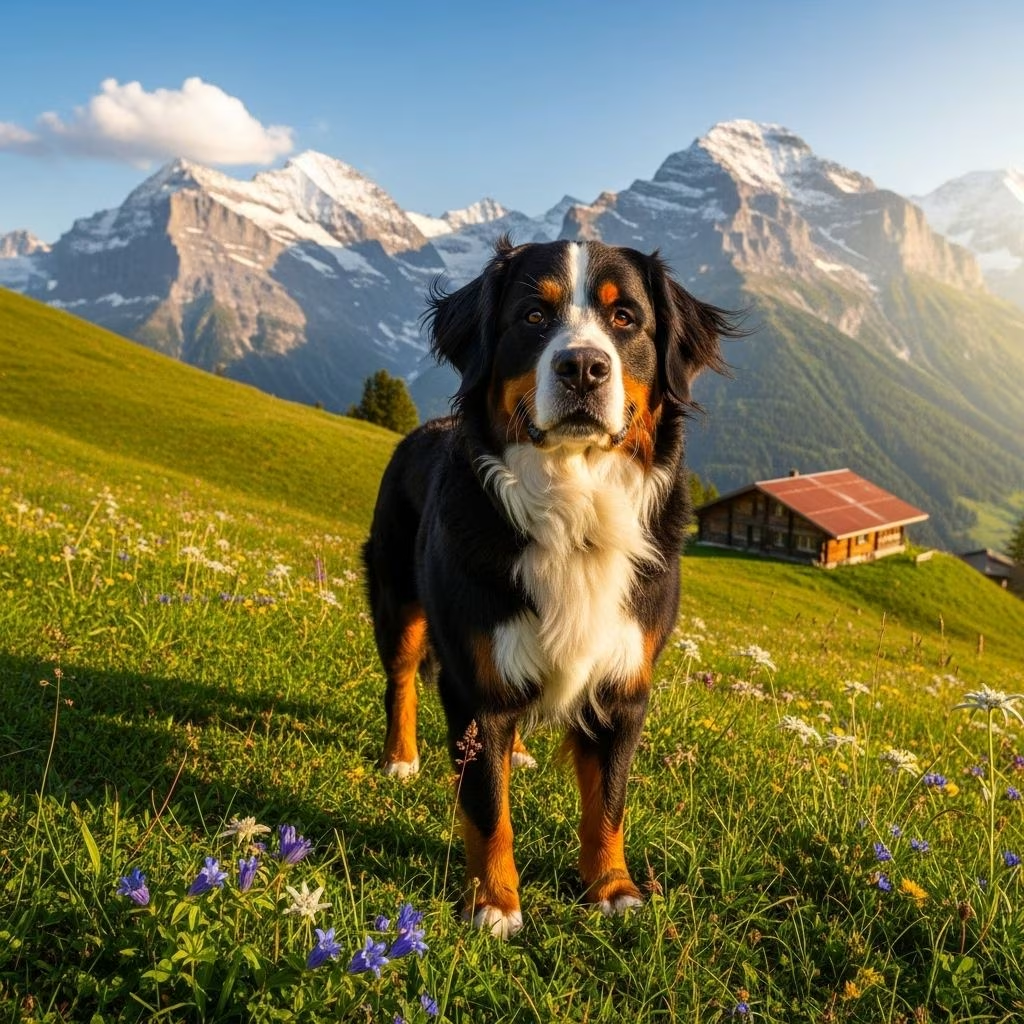
The Bernese Mountain Dog—known affectionately as the “Berner”—is a stunning, large working breed recognized for its kind temperament, distinctive tricolor coat, and rich heritage as a Swiss farm dog. These gentle giants are valued companions, beloved for their sociable nature, intelligence, and deep family loyalty. If you are considering welcoming a Bernese Mountain Dog into your home, read on to discover their characteristics, care, health, and more.
Breed Overview
| Breed Group | Working |
|---|---|
| Origin | Switzerland (Canton of Bern) |
| Size | Large/Giant |
| Lifespan | 6–10 years |
| Coat | Thick, long, tricolor (black, white, rust) |
| Temperament | Affectionate, loyal, calm, sociable |
| Energy Level | Moderate |
| Good with Children | Excellent, patient |
| Shedding | High |
| Trainability | High |
History and Origin
The Bernese Mountain Dog is one of four ancient Swiss working breeds called Sennenhund. Emerging from the farmlands of the canton of Bern, these dogs were originally bred to assist with farm duties—herding cattle, pulling carts, guarding livestock, and serving as beloved companions to Swiss farmers. Their strength, endurance, and good nature made them invaluable helpers in the rugged Alpine landscape.
- Used as general-purpose farm dogs: herding, draft work, guardianship, companionship
- The only Sennenhund breed with a long, silky coat
- Became popular beyond Switzerland for their looks and temperament
Physical Characteristics
General Appearance
Bernese Mountain Dogs are large, powerfully built dogs with dignified yet gentle expressions. Slightly longer than tall, their body is sturdy and muscular, tailored for hard work and cold climes.
Size
- Height (at withers): Males 25–27.5 inches (64–70 cm); Females 23–26 inches (58–66 cm)
- Weight: Males 80–115 pounds (36–52 kg); Females 70–95 pounds (32–43 kg)
Coat and Color
- Coat: Thick, straight or slightly wavy, long outer coat with a soft undercoat
- Markings: Characteristic tri-color: jet black with white and rust. Correct markings include a symmetrical white blaze on the chest (“Swiss cross”), white paws, rust spots over each eye and on cheeks, and a “Swiss kiss”—a white marking on the nape of the neck.
Head and Expression
- Broad, flat-topped skull
- Medium-sized, triangular, rounded-tipped ears
- Dark brown, almond-shaped eyes exuding warmth
- Moderate stop, strong muzzle, black nose, and a scissors bite
Other Physical Traits
- Bushier tail carried low
- Strong limbs and arched paws for working on rugged terrain
- Dewclaws often removed for safety
Personality and Temperament
The Bernese Mountain Dog is valued for its gentle, affectionate, and adaptable demeanor—an excellent addition to many families. Here’s what you can expect:
- Kind, patient, and especially good with children—they tolerate rough play but appreciate gentle handling
- Deeply loyal and bond closely with family members, often favoring one special person
- Generally friendly with other dogs and pets when well socialized
- Can be initially shy or reserved with strangers, but not aggressive
- Protective yet not overly assertive—makes a dependable watchdog
Berners are calm in the home, content napping by their family’s side, but delight in outdoor activities too. They need affection and can develop separation anxiety if frequently left alone for long periods.
Living Needs and Ideal Environment
These large, energetic dogs do best in homes that can accommodate their size and provide plenty of room to roam. Bernese Mountain Dogs thrive in suburban, rural, or homes with large fenced yards, but they can adapt to semi-rural living if given daily outdoor time and exercise.
- Exercise: 1–2 hours of physical activity per day, including walks, play, or jobs (pulling carts, herding, agility)
- Family Life: Suited to families and individuals who value affectionate, close companions
- Space Needs: Require space to stretch and play; not suitable for small apartments
- Supervision: Good with children and other pets under supervision
- Can handle time alone with proper training but prefers company
Daily Care and Grooming
Grooming
- Shedding: Heavy seasonal shedder; expect high shedding especially during spring and fall
- Brushing: Brush at least once a week (daily during shedding season) to remove loose fur and prevent mats
- Bathing: Bathe as needed every few months or when dirty
- Other Care: Clean ears weekly, trim nails regularly, and maintain dental hygiene
Feeding
- High-quality dog food suitable for large, active breeds
- Monitor portions to prevent obesity—weight management is vital for joint health
- Fresh water available at all times
Climate and Living Conditions
- Thick coat makes them well-adapted to cold; prone to overheating in hot, humid climates—provide shade and water in summer
- Prefer cooler weather and must not be over-exercised in heat
Training and Behavior
Behavioral Traits
- Highly intelligent and eager to please, but sensitive to harsh correction
- Slow to mature physically and mentally; puppy-like well into the first few years
- Natural instinct to guard and herd, but rarely aggressive
Training Tips
- Use positive reinforcement—praise and treats work best
- Begin socialization early: introduce to various environments, people, and other animals
- Obedience training is essential to manage their strength; teach “heel,” “sit,” “stay” and discourage jumping up
- Training should be gentle, patient, and consistent
- Crate training may help with separation anxiety and housebreaking
Fun Activities
- Obedience and rally classes
- Cart pulling (draft work)
- Nose work and scent games
- Therapy dog activities
- Family games and hiking
Common Health Issues
While Bernese Mountain Dogs are generally robust, the breed’s most significant drawback is its susceptibility to several health issues and a shorter average lifespan compared to other breeds. Responsible breeders screen for many inherited concerns by health-testing parents.
Most Common Health Concerns
- Hip and elbow dysplasia: Abnormal joint development causing pain, lameness, and arthritis
- Cancer: Especially mast cell tumors, lymphoma, and histiocytic sarcoma—one of the highest cancer rates among breeds
- Progressive retinal atrophy (PRA): Degeneration of the retina leading to vision loss
- Gastric torsion (bloat): Life-threatening stomach twisting requiring immediate veterinary care
- Degenerative myelopathy (spinal cord disease)
- Hypothyroidism
Lifespan
- Average 6–10 years; some may live longer with good genetics and care
Health Maintenance Tips
- Obtain pups from reputable breeders who perform genetic screening
- Maintain a healthy weight to reduce joint and heart strain
- Regular veterinary checkups and recommended vaccinations
- Monitor for tumors, unexplained lameness, or changes in appetite or behavior
Adoption, Puppies, and Breeders
When considering a Bernese Mountain Dog puppy or adult, it’s paramount to choose ethical sources:
- Reputable breeders: Should provide health guarantees, screenings, and family history
- Breed rescues: Many organizations specialize in rehoming Bernese Mountain Dogs of all ages
- Discuss the breed’s challenges openly—like short lifespan and health risks—with breeders or rescuers
- Meet the puppy’s parents to assess temperament and health
- Plan for early socialization, responsible training, and commitment to large breed needs
Life With a Bernese Mountain Dog
- Family Companion: Loves inclusion in all family activities—games, chores, and outings
- Thrives when given purposeful work, such as helping carry or pull, participating in obedience or dog sports
- Enjoys cool evenings, soft places to nap, and affectionate interactions
For many, the Bernese Mountain Dog’s devotion, patience, and charm outweigh the extra care and shorter lifespan. They are a magnificent breed for families who understand their sensitivities and are prepared for big dogs with big hearts.
Frequently Asked Questions (FAQs)
Q: Are Bernese Mountain Dogs good with children?
A: Yes. Berners are famously gentle, tolerant, and patient with children. As with any large dog, supervise interactions, especially with toddlers, to prevent accidental knocks.
Q: How much exercise does a Bernese Mountain Dog need daily?
A: They require at least an hour to two hours of physical activity every day. This can include walking, playing, light hiking, or performing tasks. Mental stimulation is also beneficial.
Q: Do Bernese Mountain Dogs bark a lot?
A: They tend to be moderate barkers—alerting owners to visitors or anything unusual—but are not typically excessive.
Q: How often do Bernese Mountain Dogs need grooming?
A: Weekly brushing is needed year-round, becoming almost daily during high shedding seasons. Regular maintenance prevents mats and reduces shedding indoors.
Q: Are Bernese Mountain Dogs healthy?
A: They are generally hardy but prone to specific health concerns such as cancer, joint diseases, and bloat. Regular veterinary attention and genetic screening by breeders help manage risks.
Q: How long do Bernese Mountain Dogs live?
A: The typical lifespan is 6 to 10 years, although some may live longer with excellent care and favorable genetics.
Q: Can Bernese Mountain Dogs live in apartments?
A: Due to their large size and exercise needs, they are better suited to homes with yards or in rural/suburban areas. Apartment life can work only with discipline, exercise, and ample outdoor time.
Summary
Bernese Mountain Dogs are one of the world’s most beloved large breeds, blending breathtaking beauty with loyal hearts and a gentle spirit. Their needs are few, but big: space to move, affection, and attentive care. They will reward a devoted owner or family with years of companionship, laughter, and unforgettable moments.
References
- https://www.akc.org/dog-breeds/bernese-mountain-dog/
- https://www.dabblinganddecorating.com/love-and-heartache-with-a-bernese-mountain-dog/
- https://www.purina.co.uk/find-a-pet/dog-breeds/bernese-mountain
- https://www.youtube.com/watch?v=ljNISJluEHA
- https://en.wikipedia.org/wiki/Bernese_Mountain_Dog
- https://www.hillspet.com/dog-care/dog-breeds/bernese-mountain-dog
- https://www.westminsterkennelclub.org/breed/bernese-mountain-dog/
- https://www.petmd.com/dog/breeds/bernese-mountain-dog