Border Collie Breed Guide
The Border Collie is widely acclaimed as the world’s premier herding dog. A true icon of canine intelligence and athleticism, this medium-sized breed is known for its intense energy, keen focus, and remarkable work ethic. Originally bred to gather and drive sheep in the rugged countryside between Scotland and England, the Border Collie is both an outstanding working dog and a devoted family companion for those who understand its needs.
History and Origins
The Border Collie’s roots are deeply intertwined with the sheep-farming traditions of the British Isles. Developed centuries ago along the Anglo-Scottish border, these dogs became invaluable assets for shepherds, selectively bred for their ability to gather and move flocks over arduous terrain. Their legendary ‘eye’—the intense, mesmerizing gaze used to control livestock—became the hallmark of the breed. Border Collies are gatherers by instinct, capable of running for miles, reading subtle signals, and responding to nuanced commands, including a variety of whistles that shepherds use to communicate with their dogs from a distance.
- Bred for herding and gathering sheep.
- Originates from the Scottish border region.
- Valued for superior livestock sense, endurance, and responsiveness.
- Breed name first appeared in the early 20th century.
Appearance & Physical Characteristics
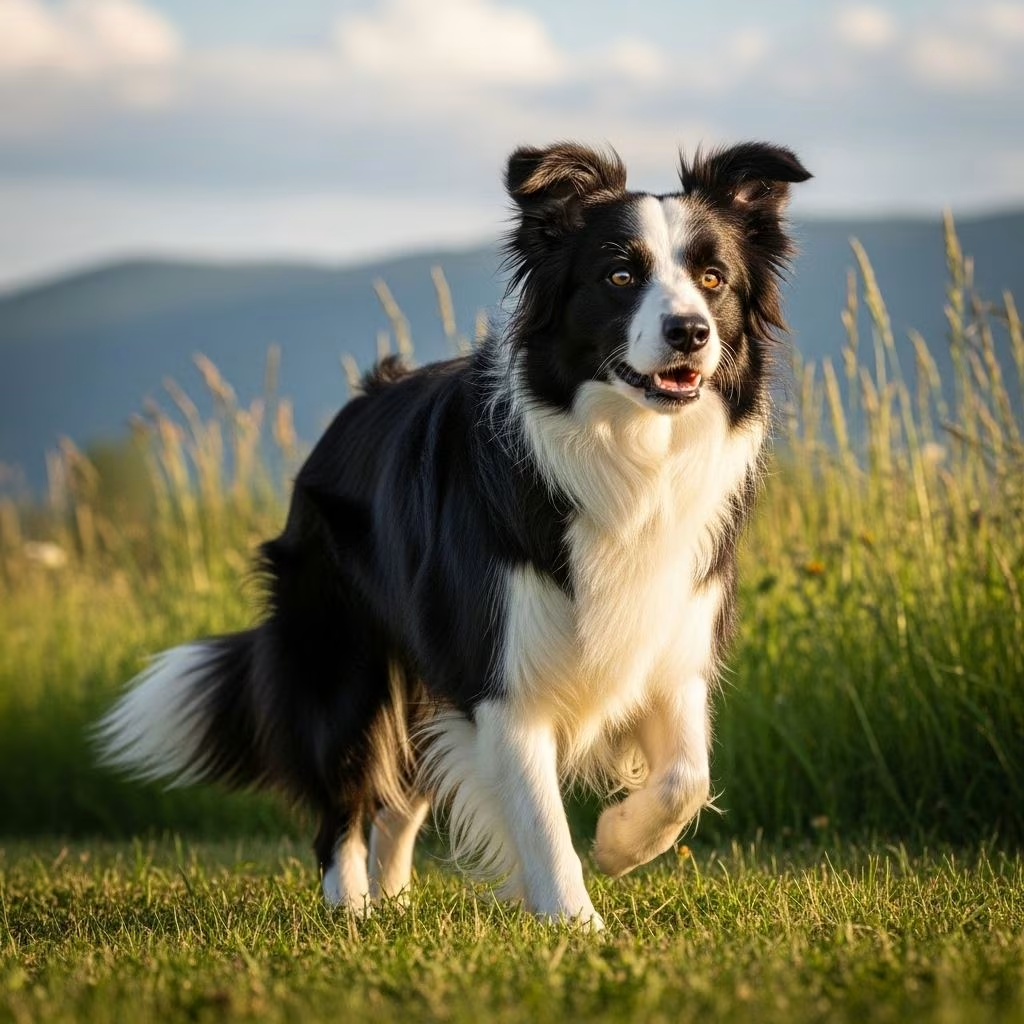
The Border Collie is designed for speed, agility, and stamina required for herding duties. Their medium size and athletic frame enable swift and fluid movement. The breed features a proportionate head, alert ears (either upright or partially folded), and expressive eyes that often display intense focus. Border Collies possess a double coat that may be smooth or rough, catering to diverse working and climatic conditions. Their tail may swirl upward at the tip and is typically carried low except when alert or happy.
| Characteristic | Description |
|---|---|
| Height | Males: 19–22 in (48–60 cm), Females: 18–21 in (46–56 cm) |
| Weight | Males: 35–45 lbs (16–20 kg), Females: 30–40 lbs (14–18 kg) |
| Coat | Double coat, smooth or rough |
| Color | Variety, including black and white, blue merle, red, brindle, and others |
| Distinctive Features | Intense gaze (“herding eye”), feathered tail, athletic build |
- High athletic ability: Built for speed, quick changes in direction, and stamina
- Coat requires regular brushing—especially the rough variety
- Expressive, intelligent eyes—dark for most, but blue/odd-colored for some merles
Personality & Temperament
The Border Collie is renowned for being alert, energetic, and highly intelligent. Their personality is often described as dynamically responsive—they are attentive to their handler’s cues, ranging from a whistle to a subtle gesture. These dogs thrive when mentally and physically challenged; boredom can easily lead to undesirable behaviors like excessive barking or digging. The breed’s herding instinct means they may attempt to corral children, pets, or even cars if not given a proper outlet.
- Exceptional intelligence and quick learning capacity
- Strong work ethic; needs a job or purpose
- Highly sensitive to owner’s emotions and commands
- Can be independent and strong-willed
- May become bored or destructive if understimulated
- Affectionate and sociable with proper socialization; may be reserved otherwise
Living Needs & Suitability
Border Collies are best suited to active households where they have ample opportunities for exercise and mental stimulation. While they can adapt to a variety of environments, their high energy means they do not thrive in sedentary homes or with owners unable to provide sufficient engagement. These dogs can get along with other pets if introduced early, and their sociable nature makes them well-suited to families willing to meet their needs.
- Needs an active, outdoorsy lifestyle
- Not recommended for sedentary owners
- May herd other household members or animals
- Requires dedicated time for training and exercise
- Generally sociable with proper socialization; may be reserved or shy if not exposed to diverse stimuli early in life
Training & Exercise Requirements
Training a Border Collie can be highly rewarding due to their responsiveness and eagerness to learn. Positive reinforcement techniques work best. Given their herding and chasing instincts, owners should invest extra effort in recall and impulse control training. These dogs excel in advanced obedience, agility, flyball, and more.
- Responds well to positive reinforcement
- Needs consistent, challenging mental stimulation (training games, puzzles, canine sports)
- Recall training is critical due to chasing/herding instincts
- Enjoys dog sports and competitive activities such as sheepdog trials, agility, and flyball
- Without enough exercise, they may develop destructive habits
Exercise
A simple daily walk is not sufficient for Border Collies. They require a minimum of 2 hours of vigorous activity per day—running, hiking, playing, herding, or participating in sports. These activities prevent boredom and keep both mind and body healthy.
- Long daily walks and playtime essential
- Thrives as a running partner for active owners
- Benefits from interactive and mentally stimulating toys
- Ideal sports: flyball (relay races), agility, tracking
Sample Exercise Plan
| Activity | Duration/Frequency |
|---|---|
| Daily walks/runs | 60–90 minutes |
| Dog sports (agility, flyball, etc.) | 30–60 minutes, 3+ times/week |
| Training/games/puzzles | Daily, 30+ minutes |
Care and Grooming
Border Collies are relatively low-maintenance, but regular grooming keeps their coat healthy and reduces shedding. The breed’s double coat offers protection against harsh weather but requires weekly brushing, especially for rough-coated individuals. Bathing is only needed when dirty or during shedding seasons. Attention should be paid to their ears, nails, and dental hygiene.
- Brush coat weekly to remove loose hair and prevent tangles
- Trim nails monthly
- Clean ears regularly to reduce infection risk
- Dental care: brush teeth several times per week
- Bathe only as needed
Health & Lifespan
Border Collies are generally hearty and healthy, with a life expectancy of 12+ years. However, they are susceptible to specific hereditary and acquired health conditions. Responsible breeders test for genetic problems to ensure healthy pups.
- Average lifespan: 12–15 years
- Common health conditions:
- Hip dysplasia
- Collie eye anomaly (CEA)
- Progressive retinal atrophy (PRA)
- Epilepsy
- Deafness
- Various allergies and autoimmune issues
- Annual veterinary checkups recommended
- Maintain healthy weight and diet for joint health
Activities & Working Instincts
Few breeds match the Border Collie’s prowess in canine sports and working environments. Their herding instinct is deeply embedded, often surfacing even in urban or family settings. Border Collies excel in activities such as sheepdog trials, agility competitions, advanced obedience, flyball, and tracking.
- Can distinguish nuanced commands and whistles
- Notable for the intense ‘herding eye’ and ability to move livestock with minimal fuss
- Instinct may manifest as herding children/pets—must be channeled through sports and training
- Strong desire to please and bond with their owners
| Activity | Benefits |
|---|---|
| Agility Trials | Improves coordination, speed, bond with handler |
| Flyball | Physical exercise, socialization, mental stimulation |
| Herding Trials | Outlet for natural instincts, working skills |
| Obedience/Freestyle | Showcases trainability and mental agility |
Frequently Asked Questions (FAQs)
Q: Are Border Collies good family pets?
A: Border Collies can make excellent family companions—but only for active owners. Their high energy and herding instinct require ample exercise and training. Early socialization ensures good behavior with children and other pets.
Q: Do Border Collies get along with other dogs and cats?
A: Yes, Border Collies are generally sociable with other dogs and can live with cats if introduced early. Their herding instinct may prompt them to chase, so supervision is important.
Q: How much exercise does a Border Collie need?
A: Border Collies need at least two hours of vigorous daily exercise and mental stimulation through training or dog sports.
Q: Are Border Collies easy to train?
A: They are very easily trained, responding quickly to reward-based methods, but require regular mental challenges to stay engaged.
Q: Do Border Collies shed much?
A: Yes, Border Collies shed moderately year-round and more during seasonal changes. Weekly brushing helps manage loose hair.
Q: What health issues do Border Collies face?
A: Common issues include hip dysplasia, Collie eye anomaly, PRA, epilepsy, and deafness. Breeders should test for these concerns before breeding.
Q: Are Border Collies suitable for apartment living?
A: They can adapt to apartment life if their exercise and mental needs are met—however, large, secure outdoor spaces are preferable.
Q: What do Border Collies excel at besides herding?
A: Besides herding, Border Collies excel in competitive sports such as agility, tracking, flyball, advanced obedience, and canine freestyle.
References
- https://dogtime.com/dog-breeds/border-collie
- https://www.bordercollie.org/basics/characteristics/
- https://www.petplan.co.uk/dog-insurance/dog-breeds/border-collie.html
- https://figopetinsurance.com/blog/border-collies-breed-guide
- https://www.akc.org/dog-breeds/border-collie/
- https://www.hillspet.com/dog-care/dog-breeds/border-collie
- https://en.wikipedia.org/wiki/Border_Collie