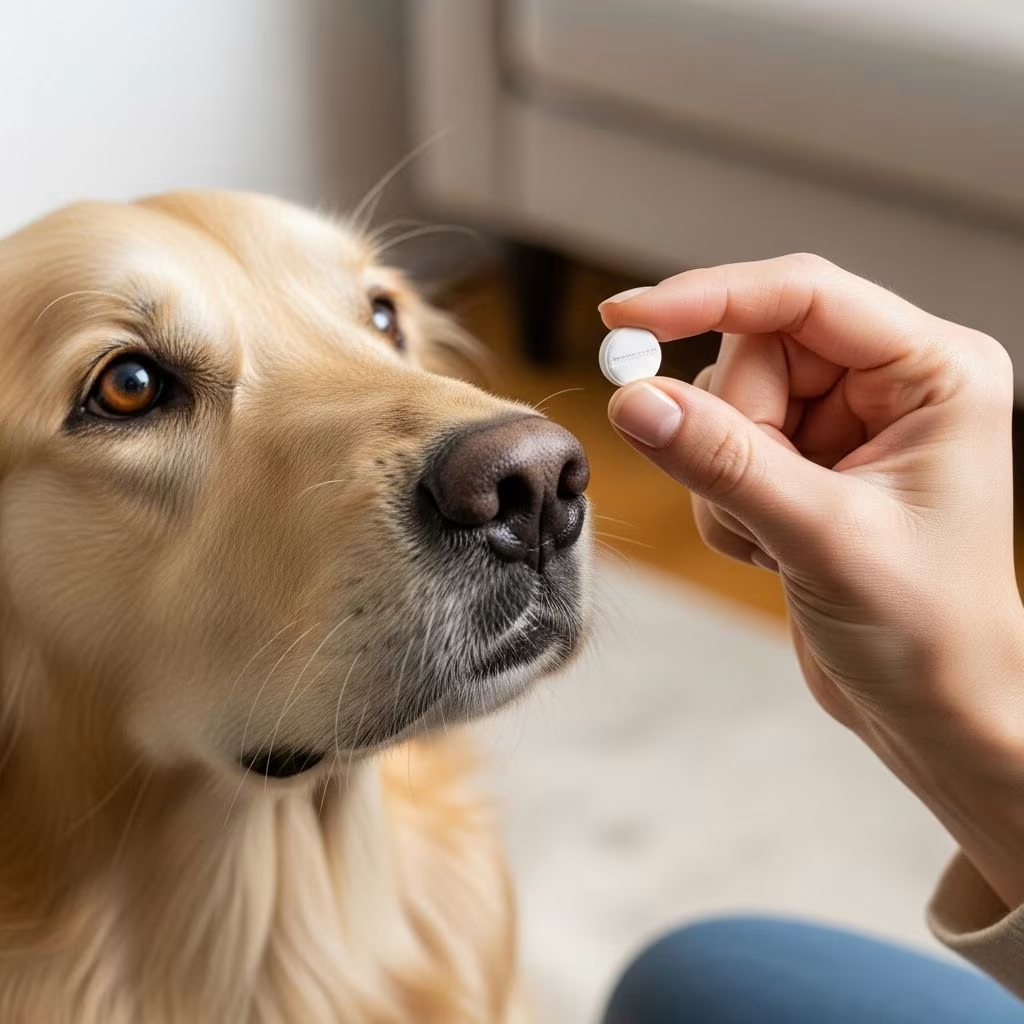
Can I Give My Dog Benadryl? Dosage, Safety, and Uses Explained
Benadryl, known generically as diphenhydramine, is among the few over-the-counter medications for people that veterinarians may suggest for dogs. It’s commonly sought by dog owners to manage mild allergic reactions, travel anxiety, and motion sickness; however, understanding its safety, correct dosage, and potential risks is essential before giving it to your pet.
Important: Always consult your veterinarian before administering any medication, including Benadryl, to your dog.
What Is Benadryl?
Benadryl is an antihistamine that blocks the effects of histamine, a substance in the body that causes allergic symptoms. While designed for people, veterinarians may recommend its use in dogs for treating certain mild conditions.
The most common reasons pet parents consider Benadryl for dogs include:
- Mild allergic reactions (e.g., bug stings)
- Skin allergies and inflammation
- Itchiness, hives, swelling, redness
- Motion sickness during travel
- Anxiety (rarely first-line treatment)
However, Benadryl is not effective for all conditions and is not a cure-all. There are more effective and targeted medications for allergies and anxiety. Some dogs may even become more anxious after taking Benadryl instead of calmer.
Key Takeaways on Benadryl Use in Dogs
- Safe when used correctly: Benadryl is generally well tolerated by dogs with a wide safety margin when administered appropriately.
- Not suitable for every dog: Dogs with certain medical conditions or those taking specific medications should not receive Benadryl without veterinary approval.
- Dosage matters: The right dosage depends on your dog’s weight and health status. Always confirm with your vet before giving Benadryl.
- Side effects: While most dogs tolerate Benadryl, side effects can occur, especially at higher doses.
Is Benadryl Safe for Dogs?
Benadryl is typically well-tolerated in healthy dogs when used at recommended doses. The risk of overdose is low, but there are safety risks if your dog has certain health concerns or is taking concurrent medications.
Situations Where Benadryl Should Not Be Used or Used With Caution
- Cardiac conditions (heart disease)
- Lung or respiratory issues
- Urinary retention problems
- Use of other medications, such as monoamine oxidase inhibitors or some antifungals
Always inform your veterinarian about your dog’s entire medical history before administering Benadryl.
Common Side Effects in Dogs
- Drowsiness
- Unsteadiness on their feet
- Agitation or hyperactivity (in some dogs)
- Disorientation
- Vomiting
- Slow breathing
- Aggression or unusual behavior (rare)
If your dog exhibits severe or worrisome symptoms after receiving Benadryl, contact your veterinarian immediately.
Signs of Benadryl Overdose
- Pronounced agitation
- Rapid heart rate
- Severe unsteadiness
- Constipation
- Seizures
Suspect an overdose? Call your vet or the Pet Poison Helpline immediately.
What Does Benadryl Treat in Dogs?
Benadryl’s uses in canine care span several mild conditions where antihistamines can be beneficial. Veterinarians may suggest Benadryl for:
- Allergic reactions: Mild reactions to insect bites, stings, or snake bites; environmental or seasonal allergies; food allergies; unidentified allergic reactions.
- Skin allergies: Itchiness and hives are often managed with diphenhydramine for short-term relief.
- Swelling and inflammation: Can reduce mild allergy-related swelling.
- Cold-like symptoms: Runny nose, watery eyes, sneezing, coughing.
- Motion sickness: Diphenhydramine’s sedating effect can curb nausea and vomiting caused by travel.
- Anxiety (limited effectiveness): Though common in discussions of Benadryl, anxiety is not effectively treated with this medication in most dogs. More effective options are available from veterinarians.
- Adjunct to medications/vaccines: Sometimes used alongside certain drugs or before vaccinations to prevent allergic reactions.
Note: Only about 7% of allergy cases in dogs respond well to Benadryl. Prescription medications and other treatments often deliver better results for chronic allergies.
How Much Benadryl Can I Give My Dog?
Correct dosing is crucial for Benadryl’s safe and effective use in dogs. Do not administer Benadryl without veterinary guidance, especially if your dog is very young, old, or has underlying health issues.
The standard recommended dosage is:
- Tablet form: 1–2 mg of Benadryl per pound of your dog’s body weight (given 2–3 times daily).
- Liquid form: 12.5 mg per 5 ml, equivalent to 2.5 mg/ml.
The Merck Veterinary Manual recommends 2–4 mg per kilogram (kg) (1 kg = 2.2 lbs) per dose.
An easy reference is 1 mg per pound of body weight.
Benadryl Dosage Chart for Dogs
| Dog’s Weight (lbs) | Benadryl Tablets (mg) | Liquid Benadryl (ml) |
|---|---|---|
| 10 | 10 | 4 |
| 20 | 20 | 8 |
| 30 | 30 | 12 |
| 40 | 40 | 16 |
| 50 | 50 | 20 |
| 60 | 60 | 24 |
| 70 | 70 | 28 |
| 80 | 80 | 32 |
| 90 | 90 | 36 |
| 100 | 100 | 40 |
Always check with your veterinarian to tailor the dose for your dog’s unique needs.
How to Calculate Liquid Benadryl Dosage
The liquid version contains 2.5 mg/ml. The required dosage in milliliters is:
(Dog's weight in lbs) / 2.5 = dosage in ml
For example, a 25-pound dog: 25 / 2.5 = 10 ml.
How Often Can I Give Benadryl?
Benadryl may be given every 8 to 12 hours (up to three times a day), but follow your vet’s specific instructions. Each dog metabolizes medication differently.
How Does Benadryl Work in Dogs?
Benadryl blocks histamine receptors, reducing itching, swelling, and discomfort from allergic reactions. It takes about 30 minutes to start working, and relief may persist for around 8–12 hours.
This sedative effect also helps curb motion sickness and occasionally calms mildly anxious dogs. Monitor your dog’s response, especially when starting Benadryl for the first time, and report findings to your veterinarian for guidance.
Potential Risks and Precautions
Benadryl is generally safe for healthy adult dogs at recommended dosages. However, risks exist for overdose and adverse reactions, particularly if:
- Your dog has underlying health conditions (especially heart, lung, or urinary problems)
- Is taking interacting medications (consult your veterinarian)
- Is a puppy or senior dog (more sensitive to medications)
Monitor for side effects and discontinue use if you observe any concerning symptoms (e.g., rapid heartbeat, vomiting, abnormal behavior).
If you suspect overdose, contact your veterinary clinic or a specialized poison helpline promptly.
Alternatives to Benadryl for Dogs
Benadryl is not always the best option, especially for chronic allergies or severe anxiety. There are more effective veterinarian-recommended alternatives for each condition:
- Prescription antihistamines: Such as cetirizine and loratadine, which may be safer or more effective for certain dogs.
- Anti-anxiety medications: Trazodone, alprazolam, or other prescription medications for anxiety management.
- Specialized allergy treatments: Immunotherapy or veterinary-recommended allergy medications.
- Topical treatments: For localized skin allergies and irritations.
Discuss alternatives with your veterinarian for the most effective and safest approach to managing your dog’s symptoms.
Frequently Asked Questions (FAQs)
Can I give my dog Benadryl for anxiety?
While Benadryl’s sedating effect may calm some mildly anxious dogs, it is not the best treatment for anxiety. Most veterinarians recommend other medications or behavioral strategies for managing canine anxiety.
How long does Benadryl take to work in dogs?
Benadryl generally takes about 30 minutes to begin working, with effects lasting 8–12 hours. Track your dog’s response and consult with your veterinarian on future dosing schedules.
Can I use human Benadryl for my dog?
You can use standard Benadryl meant for people, but never flavored, combination, or extended-release formulas—these may contain ingredients harmful to pets.
What symptoms indicate my dog should not get Benadryl?
- Heart or cardiovascular disease
- Respiratory conditions
- Concurrent use of certain medications (check with your vet)
- Problems with urination
Consult your veterinarian if your dog fits the above criteria.
What should I do if my dog overdoses on Benadryl?
Symptoms of overdose include extreme drowsiness, rapid heartbeat, agitation, vomiting, and potentially seizures. If you suspect an overdose, seek veterinary care immediately or call a poison helpline. Time is critical.
Is Benadryl effective for all types of allergies in dogs?
Benadryl is typically effective for mild allergic reactions, insect bites, and skin allergies. However, only a small percentage of dogs with allergies respond well to it; chronic or severe allergies often require more advanced treatment.
Tips for Safe Use of Benadryl in Dogs
- Always get veterinary approval before starting your dog on Benadryl.
- Verify the correct dosage based on your dog’s weight and health status.
- Avoid giving Benadryl to puppies or senior dogs without consulting your vet first.
- Monitor for side effects, especially with the first dose.
- Do not use extended-release or combination formulas.
- Store medications out of reach of pets and children.
Benadryl for Dogs: Quick Reference Table
| Condition | Benadryl Effectiveness | Considerations |
|---|---|---|
| Mild Allergic Reaction | Effective | Monitor for progress, may need escalation |
| Motion Sickness | Moderately Effective | Helps with drowsiness and nausea |
| Anxiety | Generally Not Effective | Try veterinarian-recommended medications |
| Skin Allergies/Itching | Can Help | Short-term relief; not for severe or chronic cases |
Final Notes
Benadryl is a versatile, widely available antihistamine that can be helpful for dogs experiencing mild allergic reactions or motion sickness. However, its use should always be guided by a veterinarian and tailored to your dog’s individual health profile. When in doubt, contacting your vet before giving any medication is the best step you can take for your dog’s well-being.
References
- https://www.petmd.com/dog/care/can-i-give-my-dog-benadryl-and-if-so-how-much
- https://www.dialavet.com/blog/benadryl-for-dogs
- https://vcahospitals.com/know-your-pet/are-over-the-counter-medications-safe-for-my-dog
- https://getodie.com/blog/signs-of-benadryl-overdose-in-dogs-what-to-do/
- https://www.petcarerx.com/article/benadryl-for-dog-allergies-relief-at-your-fingertips/7023
- https://www.dutch.com/blogs/dogs/trazodone-vs-benadryl
- https://www.chewy.com/education/dog/health-and-wellness/benadryl-for-dogs