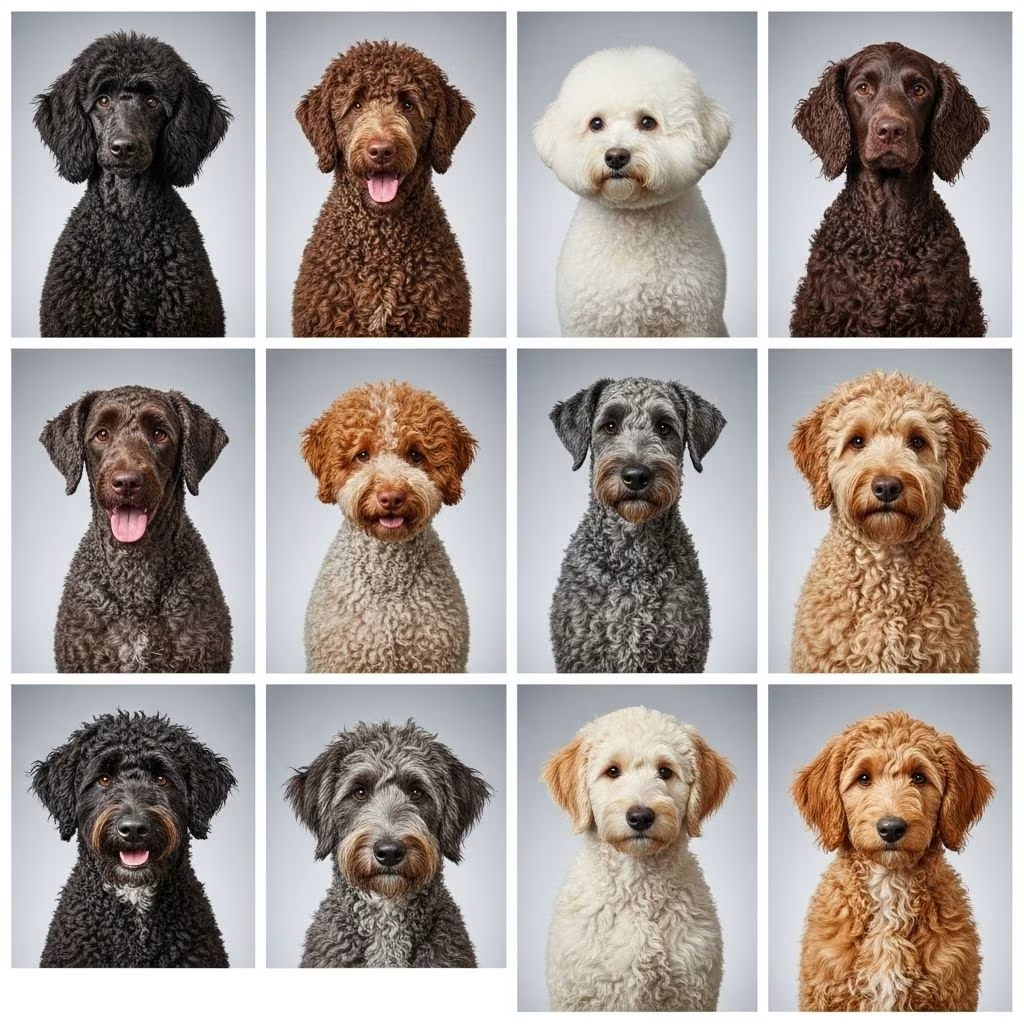
The Toy Poodle stands out among small dogs for combining sophistication, brilliance, and allergy-friendly charm in a compact, spirited package. Whether nestled on the laps of city dwellers or performing tricks in the park, toy poodles have long captured hearts with their intelligence and elegance. This detailed guide explores every aspect of the breed, including history, appearance, personality, training, grooming, health issues, and more—everything new and experienced pet parents need to know.
Breed Overview
- Breed Group: Non-Sporting
- Height: Up to 10 inches
- Weight: 4–6 pounds
- Life Span: 12–15 years
- Coat: Curly, single-layer, low-shedding
- Colors: Black, white, cream, apricot, red, silver, and more
- Personality: Intelligent, lively, affectionate, social
History and Origins of the Toy Poodle
Although many associate poodles with French elegance, the breed’s story actually begins in Germany, where the standard poodle worked as a water retriever. The term “poodle” derives from the German word “pudel,” meaning “to splash in water.” The poodle’s water prowess and trainability soon attracted the attention of European aristocracy. Over generations, breeders began selecting for smaller sizes—first the miniature, then the toy poodle, developed primarily in early 20th-century America for companionship and urban life. Today, toy poodles continue to shine not only as devoted friends, but also as the foundation for popular “Doodle” hybrids thanks to their intelligence and hypoallergenic coat.
Physical Characteristics of the Toy Poodle
Size and Weight
The toy poodle stands at 10 inches or shorter at the shoulder and weighs between 4 to 6 pounds. Despite their tiny size, these dogs appear sturdy and well-proportioned, moving with the proud carriage typical of their breed.
Coat and Colors
- Coat: Dense, curly, single layer, and “hypoallergenic”—meaning it produces less shedding and dander, though not truly non-allergenic.
- Colors:
- Solid: Black, white, cream, apricot, red, silver
- Parti-color: Two-tone combinations
- Phantom: Doberman-like distinct markings
Distinctive Features
- Dark, oval, alert eyes full of intelligence
- Long, straight muzzle offering a sophisticated profile
- Ears hanging close to the head
- Straight, proud tail (sometimes docked, depending on country)
- Signature grooming styles, such as the Continental or Puppy Clip
Toy Poodle Temperament and Personality
- Highly intelligent—ranking among the smartest breeds, excelling at tricks and advanced training
- Amiable and playful, forming strong family bonds
- Sociable yet sometimes reserved with strangers; early socialization is key
- Alert, making effective watchdogs without being aggressive
- Responsive to mood—often affectionate, eager to please, and sensitive to corrections
- Adapts well to apartment living due to size but needs engagement to avoid boredom
Living Needs and Environment
Toy poodles thrive in various settings, from city apartments to suburban homes. While compact in stature, they crave companionship and mental stimulation.
- Ideal for: Singles, couples, families, and seniors alike
- Not suited for: Long hours of solitude; they may develop separation anxiety
- Exercise: Moderate, e.g. daily walks and playtime—enjoy agility, games, and learning new tricks
Toy Poodle Care Guide
Grooming Requirements
The toy poodle’s signature curly coat grows continuously and requires diligent upkeep to prevent mats and keep it looking distinguished.
- Brushing: At least 2–3 times per week; daily for long clips
- Professional grooming: Every 4–6 weeks; popular styles include the Puppy Clip and Town & Country
- Bathing: Every 3–4 weeks or as needed
- Ear care: Regular cleaning to avoid infections, as their drop ears can trap moisture and debris
- Teeth & nails: Brush teeth several times a week; trim nails monthly or as needed
Exercise & Mental Stimulation
- Requires daily exercise—walks, play, and interactive games
- Thrives with brain games, puzzle toys, obedience routines, and agility sports
Diet & Nutrition
Feed a high-quality, protein-rich diet designed for small breeds. Portion sizes should match their low body weight and activity level to prevent obesity. Treats are best reserved for training and should not make up more than 10% of daily calories.
Training and Socialization
- Easy to train: Learns commands rapidly; excels in obedience, rally, and tricks
- Benefits from: Consistent, reward-based methods and lots of positive reinforcement
- Socialization: Expose to various people, experiences, and environments early; improves confidence and reduces shyness or barkiness
Common Health Issues in Toy Poodles
While generally long-lived and hardy, toy poodles have some breed-specific health predispositions:
| Condition | Description | Prevention/Management |
|---|---|---|
| Patellar Luxation | Kneecap dislocation common in small breeds; can cause lameness. | Regular vet exams; surgery for severe cases. |
| Progressive Retinal Atrophy (PRA) | Inherited eye disease; leads to vision loss over time. | No cure; recommended vision screening for breeding dogs. |
| Dental Disease | Crowded mouths prone to tartar and gum issues. | Routine tooth brushing and vet dental care. |
| Tracheal Collapse | Weakening of the windpipe; triggers coughing and breathing difficulty. | Avoid harsh collars; monitor for chronic coughing. |
| Hypothyroidism | Thyroid hormone deficiency affects metabolism and coat. | Manageable with medication; watch for weight gain and lethargy. |
| Epilepsy | Seizure disorder of uncertain cause. | Medications at vet’s discretion. |
| Legg-Calve-Perthes Disease | Degeneration of the femoral head affecting hip joint. | Surgical correction often recommended. |
- Routine vet exams and a relationship with a breeder who conducts health testing help reduce inherited conditions.
Living With a Toy Poodle
The breed readily attaches to its people, eagerly joining family activities and adapting to different routines. They are well suited to city, suburban, or even rural living, as long as their social and exercise needs are met.
- Clever and quick to house-train when consistency is maintained
- Generally gets along with older, respectful children and pets
- Best supervised with small pets and young children due to fragility
- Thrives on companionship—separation anxiety a risk if left alone for prolonged periods
Toy Poodle Grooming Styles
Poodle grooming is almost an art form. Traditional clips like the Continental and the English Saddle evolved from hunting days. However, pet owners often opt for easier-to-maintain cuts like the Puppy Clip or simple sporting trim to balance the breed’s iconic aesthetic with practicality.
- Professional grooming every 4–6 weeks is usually needed.
- Regular brushing prevents painful mats and keeps the coat looking plush.
- Tip: Get your toy poodle accustomed to grooming as a puppy for stress-free experiences.
Toy Poodles and Doodle Mixes
Toy poodles are often parents to “doodle” mixes—designer dogs pairing a poodle with another breed for characteristics like non-shedding coats and improved trainability. While their popularity continues to rise, appearance, temperament, and care requirements vary by mix, making research and a responsible breeder crucial.
- Popular “doodle” mixes involving toy poodles: Cavapoo (Cavalier King Charles Spaniel), Maltipoo (Maltese), Shihpoo (Shih Tzu), and more.
- Each mix may inherit unique traits—be sure to research before committing.
Toy Poodle vs. Miniature and Standard Poodles
| Trait | Toy Poodle | Miniature Poodle | Standard Poodle |
|---|---|---|---|
| Height | Up to 10 inches | 10–15 inches | 15+ inches |
| Weight | 4–6 lbs | 10–15 lbs | 40–70 lbs |
| Main Use | Companion | Companion/Performance | Water Retriever/Companion |
| Space Needs | Minimal; apartment-friendly | Moderate | More space required |
| Similarities | Curly, hypoallergenic coat, intelligence, affectionate temperament, strong family bonds | ||
Frequently Asked Questions (FAQs)
Q: Are toy poodles good for allergy sufferers?
A: Yes, their single, curly coat is considered “hypoallergenic” and tends to shed less dander than most breeds. No dog is truly non-allergenic, so individual responses vary.
Q: How much exercise does a toy poodle need?
A: About 30–45 minutes of daily exercise, including walks and active playtime, keeps both body and mind satisfied.
Q: Do toy poodles bark a lot?
A: They can be alert and vocal, especially if under-stimulated or anxious, but proper training and engagement help minimize nuisance barking.
Q: How long do toy poodles live?
A: Their average lifespan is 12–15 years, with some individuals reaching 17 or more with excellent care.
Q: Are toy poodles good with children and other pets?
A: They do well with respectful, older children and typically get along with other pets when socialized early. Because of their small size, they are best supervised around toddlers and large dogs.
Q: Are toy poodles easy to train?
A: Absolutely! Their intelligence and eagerness to please make them star pupils in obedience, tricks, and agility.
Is the Toy Poodle Right for You?
If you seek a companion that’s both lively and loving, intelligent and elegant, and fits seamlessly into most living spaces, the toy poodle is a match worth considering. Their unique advantages include low-shedding coats, remarkable trainability, and the ability to charm nearly everyone they meet. However, they thrive best in homes able to offer daily mental and social engagement. With proper care, a toy poodle provides years of affectionate companionship wrapped in a small, stylish package.
References
- https://www.petmd.com/dog/general-health/types-of-poodles
- https://blog.petmade.com/toy-poodle-breed-information/
- https://www.petmd.com/dog/care/types-of-doodle-dogs
- https://www.petmd.com/dog/breeds/miniature-poodle
- https://dama-italy.org/?r=35305366051220
- https://www.petmd.com/dog/general-health/small-dog-breeds