Central Asian Shepherd Dog: Breed Overview
The Central Asian Shepherd Dog, also known as the Central Asian Ovtcharka, is an ancient breed renowned for its courage, endurance, and steadfast loyalty. Developed through centuries of natural selection across expansive regions from Turkmenistan to Afghanistan and Iraq, this breed has been a reliable protector of livestock and property, confronting harsh environments and formidable predators.
Breed Highlights
- Group: Working
- Origin: Central Asia (including Turkmenistan, Afghanistan, and Iraq)
- Height: Males: 28+ in (70+ cm), Females: 26+ in (65+ cm)
- Weight: Males: 110+ lb (50+ kg), Females: 88+ lb (40+ kg)
- Coat: Double coat—short or moderately long, dense undercoat
- Colors: Black, white, fawn (from pale to deep red), brindle, with or without black mask
- Life expectancy: 12–15 years (typical for large, robust breeds)
History and Origins
The Central Asian Shepherd Dog has a heritage spanning thousands of years, forged by natural selection rather than artificial breeding. Its primary function has always been that of a guardian—protecting livestock and property from diverse threats, including wolves, bears, and even lions. The breed’s historical landscape stretches from vast steppes to rugged mountains, demanding physical and mental endurance for survival and effective protection.
In the native regions, traditional dog fighting was used as a way of testing dominance among males, not for cruelty but as a part of shepherding customs. These interactions were typically brief, resulting in minor injuries, and were far overshadowed by the breed’s daily duties as steadfast defenders against predators and environmental dangers.
Physical Characteristics
General Appearance
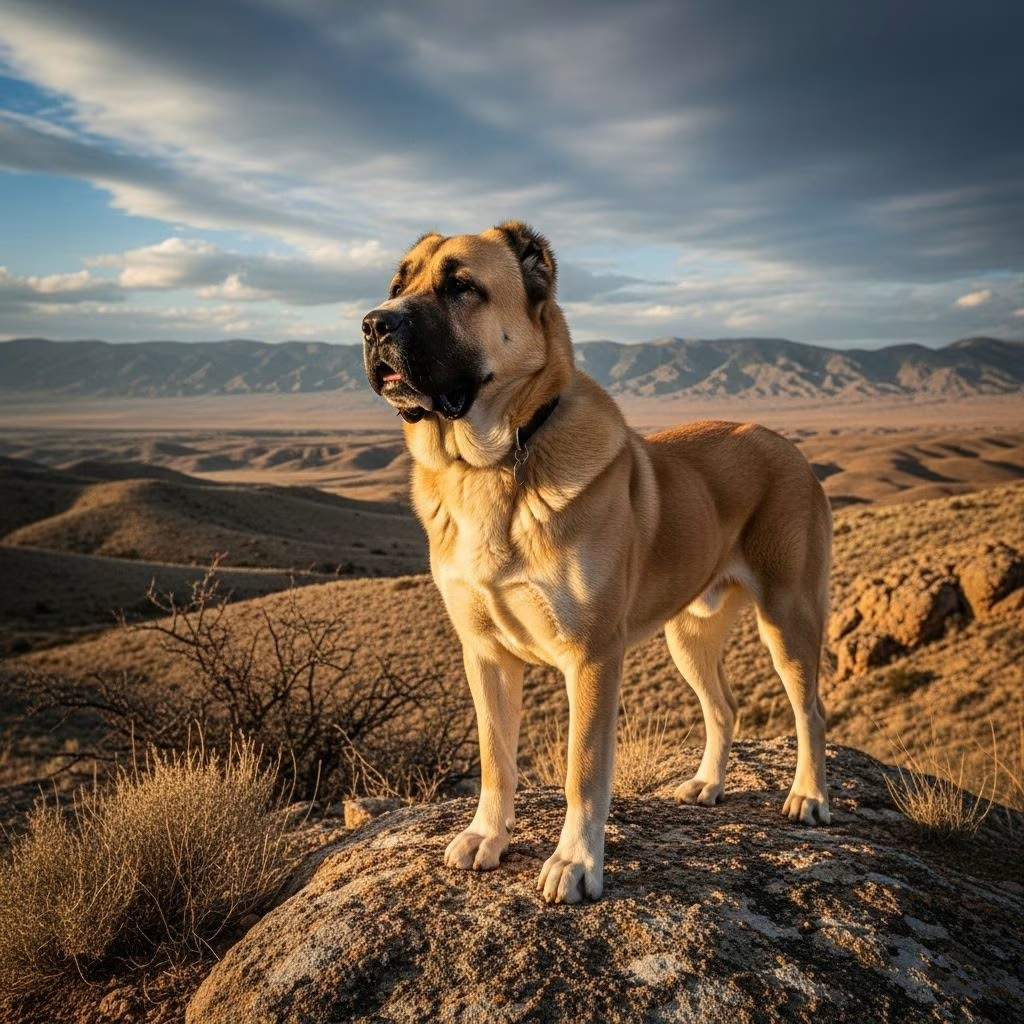
The Central Asian Shepherd presents a formidable, muscular silhouette—an embodiment of strength, balance, and agility:
- Proportioned body: As tall as they are long at the withers, sometimes slightly longer
- Massive rectangular head, broad chest, thick neck with dewlap
- Expressive eyes—often described as “almost human”, radiating intelligence
- Ears: Typically cropped short (where legal), naturally small and dropears
- Tail: High-set, thick at the base, often docked (where permitted); naturally hangs to hock in a sickle shape
- Gait: Smooth, elastic trot with a natural tendency to gallop when speed increases
Unique Breed Features
- Flexible joints, specific head set
- Developed false ribs and strong neck with heavy dewlap
- Thick, elastic skin
- Distinct gender differences: Males are larger and more robust, females lighter and smaller
Coat and Coloration
- Double-coated—short or medium, heavy undercoat for climate adaptation
- Color range: Black, white, fawn (cream to deep red), brindle—some dogs feature striking black masks
Size Comparison Table
| Sex | Height | Weight |
|---|---|---|
| Males | 28+ in (70+ cm) | 110+ lb (50+ kg) |
| Females | 26+ in (65+ cm) | 88+ lb (40+ kg) |
Temperament and Personality
The Central Asian Shepherd Dog is notable for its confidence, independence, and unwavering loyalty. Traditional working values have shaped their personalities, adding complexity to their relationships with both humans and other animals.
- Self-assured, balanced, quiet, and proud
- Independent thinker—able to make autonomous decisions in the field
- Protective, courageous, and alert to threats
- Highly territorial, loyal to family, reserved with strangers
- Not typically aggressive without provocation, but adept at assessing situations and responding to genuine threats
- Capable of forming social groups with other dogs, with different members fulfilling specialty roles within a flock
While territorial and wary of unfamiliar people or animals, the breed is affectionate and gentle with family members—including children and well-socialized pets. Notably, Central Asian Shepherds are steady and even-tempered, provided their needs are understood and respected.
Caring for the Central Asian Shepherd Dog
This breed requires a dedicated, skilled owner—ideally someone with experience handling large, strong-willed working dogs. While loyal and reliable, the Central Asian Shepherd thrives most with purposeful activity and consistent boundaries.
Exercise Needs
- Moderate energy level
- Requires daily walks and physical activity—leashed outings or yard romps
- Enjoys having space to roam and a sturdy, secure fence
- Can be quiet and calm indoors, but active and alert outside
Socialization and Training
- Early socialization essential—introduce puppies to people, pets, and diverse environments
- Responds best to patient, consistent training
- Needs lifelong supervision and guidance to reinforce boundaries and trust
- Slow to mature—puppies may take longer to reach full emotional and cognitive maturity
Ideal Home Environment
- Suitable for homes with secure outdoor space
- Not recommended for inexperienced or first-time dog owners
- Compatible with other animals—cats and dogs—if introduced carefully and supervised
- Best suited to families who can provide structure, respect, and purposeful activities
Health and Grooming
- Generally robust and hardy, adapted to harsh climates
- Requires regular grooming: brushing the double coat to control shedding
- Routine veterinary care, vaccinations, and parasite prevention
- Prone to certain orthopedic issues typical in large breeds (such as hip or elbow dysplasia)
- Controversy over ear cropping and tail docking—these procedures are opposed by major veterinary organizations in many countries, and often unnecessary
Breed Standards and Disqualifications
General Appearance and Evaluation
Central Asian Shepherd Dogs must be strong, muscular, and presented in “hard” working condition. While scars from fieldwork are considered honorable, obesity or faults interfering with function should be penalized. Gender differences are pronounced and breed-specific anatomy is critical in judging conformation.
Disqualifying Faults
- Cryptorchidism (one or both testicles not descended)
- Extreme shyness or viciousness
- Missing teeth other than one premolar
- Overshot or undershot bites, wry mouth
- Soft, curly, or wavy coats
- Albinism
Mild dog aggression is regarded as normal for the breed; however, responsible handling is mandatory.
Central Asian Shepherd Dog: Working Roles
For centuries, these dogs excelled as livestock guardians, working independently or in groups, protecting sheep and goats from dangerous predators. Their natural instincts and intelligence make them reliable for security and property defense—a role unchanged in modern rural settings and even some urban or suburban environments.
Is the Central Asian Shepherd Dog Right for You?
Owning a Central Asian Shepherd Dog is a significant responsibility. Their imposing size, intelligence, and independence mean they need owners who respect their history and working nature. Ideal candidates include farmers, ranchers, and experienced dog enthusiasts with the resources to meet the breed’s physical and psychological requirements.
| Pros | Cons |
|---|---|
| Loyal, protective, intelligent Adaptable to harsh climates Quiet indoors, active outdoors Low grooming needs (beyond coat) | Not suitable for first-time owners Requires early and extensive socialization Strong-willed, can be independent Needs ample space and secure fencing |
Breed Recognition & Notable Mentions
The breed is widely recognized by international organizations including the AKC and UKC. In 2017, Turkmenistan’s president presented a Central Asian Shepherd Dog puppy to Vladimir Putin—highlighting the breed’s cultural significance at the highest level. Numerous breed types exist regionally, contributing to slight variations in size, color, and temperament.
Frequently Asked Questions (FAQs)
Q: Are Central Asian Shepherd Dogs good with children?
A: Yes, with early socialization and training, they can be gentle and protective around children. However, close supervision is always advised due to their large size and strong protective instincts.
Q: Do Central Asian Shepherd Dogs get along with other pets?
A: They can coexist peacefully with other animals, including cats and dogs, when introduced carefully and socialized from a young age. Each dog’s temperament may vary.
Q: What is their grooming routine?
A: Weekly brushing will help control shedding and maintain the health of their thick double coat. Extra grooming is required during shedding seasons.
Q: Are cropping and docking required?
A: Ear cropping and tail docking are traditional in some regions but are considered controversial and increasingly opposed by veterinary organizations. These are not necessary for the breed’s health or functionality.
Q: Is this breed right for novice owners?
A: No. The Central Asian Shepherd Dog’s size, behavior, and independence demand an experienced, committed owner familiar with the needs of strong-willed working breeds.
Summary: The Enduring Central Asian Shepherd Dog
The Central Asian Shepherd Dog remains a symbol of courage, independence, and loyalty, deeply intertwined with the history of livestock husbandry across Central Asia. For those prepared to meet its unique requirements, the breed offers steadfast companionship and protection, rewarding its owners with devotion and reliability. Its ancient lineage and adaptability mark it as a living treasure, offering timeless lessons in guardianship and resilience.
References
- https://www.akc.org/dog-breeds/central-asian-shepherd-dog/
- https://www.petmd.com/dog/breeds/central-asian-shepherd-dog
- https://en.wikipedia.org/wiki/Central_Asian_Shepherd_Dog
- https://www.dogbreedinfo.com/centralasianovtcharka.htm
- https://www.modernmolosser.com/meet-the-central-asian-shepherd-dog
- https://www.ukcdogs.com/central-asian-shepherd-dog
- https://www.akc.org/expert-advice/dog-breeds/central-asian-shepherd-right-for-you/
- https://petsy.com.au/complete-dog-breeds-list-a-to-z/central-asian-shepherd-dog/