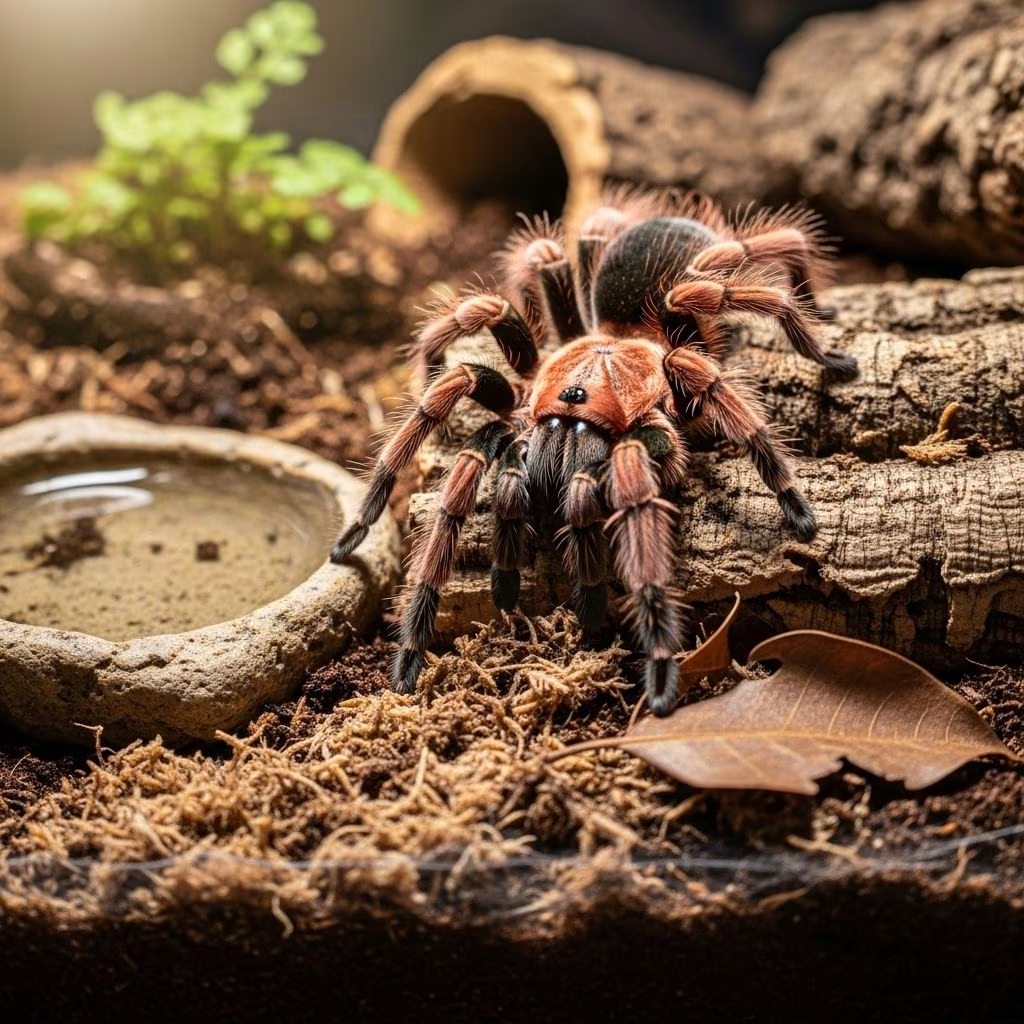
The Chilean rose tarantula (Grammostola rosea) is widely regarded as one of the most beginner-friendly pet spiders. Renowned for their docile nature, ease of care, and modest housing requirements, these tarantulas can make fascinating, long-lived companions for responsible keepers. This guide covers everything you need to know, from enclosure setup and feeding to safe handling and common health concerns.
Overview of the Chilean Rose Tarantula
The Chilean rose tarantula is a medium-sized, terrestrial spider native to the arid grasslands and scrub regions of Chile, Bolivia, and Argentina. The typical specimen displays a muted brown or gray body topped with a pinkish or copper-toned ‘rose’ sheen, giving the species its common name.
| Common Name | Chilean rose tarantula |
|---|---|
| Scientific Name | Grammostola rosea |
| Lifespan | Females: up to 20+ years; Males: 2–4 years |
| Adult Size | Leg span up to 5 inches (females); Body length ~3 inches |
| Temperament | Docile, tolerant, solitary |
| Activity Cycle | Nocturnal |
Natural History: Understanding Your Pet’s Wild Roots
In their native habitat, Chilean rose tarantulas are solitary hunters inhabiting cool, slightly moist burrows. As nocturnal animals, they are most active at night and spend their days hidden in secure retreats. Recognizing these natural behaviors is essential to providing an appropriate captive environment that reduces stress and encourages normal activity.
Enclosure Setup: Size, Security, and Enrichment
These tarantulas require a solid, escape-proof enclosure that offers both security and adequate space for exploration. While not prone to escaping, a loose-fitting lid or large ventilation holes could allow an agile spider to wander.
- Enclosure Size: A 10-gallon glass terrarium suits adult females, providing ample floor space. For juveniles (“slings”), smaller containers are preferable, but still aim for at least three times the spider’s leg span in floor area.
- Ventilation: Ensure good airflow without compromising security.
- Decor & Hiding Spots: Add cork bark, coconut huts, or artificial caves to provide shelter and reduce stress. Place non-toxic plants, smooth stones, and branches for additional environmental complexity, but avoid overcrowding the space or placing heavy decor that could fall and injure your tarantula.
- Secure Lid: Always use a snug-fitting, escape-proof top, ideally with mesh for ventilation.
Substrate: The Foundation of Healthy Living
Though wild Chilean rose tarantulas dig burrows, most captives do not. Still, a deep, well-chosen substrate is key to replicating their natural environment and retaining humidity.
- Substrate Depth: 2–3 inches of substrate is suggested. Deeper layers are beneficial for juveniles or individuals that may want to burrow.
- Best Substrates: Coconut fiber (coir), organic (chemical-free) soil, or specialized ABG (Atlanta Botanical Gardens) mix are suitable options. ABG mixes allow for “cleanup crews” (springtails, isopods) and live plants in bioactive setups.
- Avoid: Gravel, sand, reptile bark, and pine/cedar shavings, which can cause impaction or toxicity.
Temperature, Lighting, and Humidity Requirements
Maintaining appropriate environmental parameters is vital for your tarantula’s health. Fortunately, these spiders aren’t demanding when it comes to heating or lighting—making them easier for first-time keepers.
- Temperature: Optimal range is 68–74°F (20–23°C), similar to room temperature. If your home dips below this at night, a gentle heat pad (never under the enclosure, but on the side) can help maintain warmth. Avoid direct, intense heat.
- Lighting: No supplementary UVA/UVB lighting is required. Ambient room lighting suffices. Bright overhead lights can stress the tarantula, so provide shaded spots and hiding areas to retreat from the light.
- Humidity: Maintain relative humidity at around 65%. In most homes, this can be achieved with a slightly moistened substrate and a shallow water dish. Use a digital hygrometer for accurate monitoring. Do not mist the tarantula directly; gently mist the substrate if needed or periodically overflow the water dish.
Signs your enclosure is too dry include a pale or flaky substrate, excessive time spent near the water dish, or decreased activity.
Water and Hydration
Always provide clean, chlorine-free water. Use a shallow dish to prevent drowning. For tiny juveniles (under 2” across), mist enclosure walls sparingly to create dew drops. Change the water daily and clean the dish thoroughly at least once a week with reptile-safe disinfectant to prevent mold and bacteria buildup.
Diet: What to Feed Your Chilean Rose Tarantula
These tarantulas are strictly insectivorous in captivity and will thrive on a variety of small live foods. Nutritional needs can vary with age and size.
- Main Foods: Crickets are the most common staple, fed at a rate of 3–5 per week for adults. Dubia roaches and red runner roaches are also excellent, providing more nutrition and easier long-term husbandry.
- Occasional Treats: Mealworms, waxworms, hornworms, and phoenix worms offer variety but should not be the sole diet due to high fat content and worm tendency to burrow if not eaten immediately.
- Food Size: Never offer prey larger than the tarantula’s abdomen. This reduces risk of injury or stress.
- Feeding Frequency: Juveniles may eat up to twice a week. Adults do well with weekly feedings.
- Remove uneaten prey: Leftover food can stress the tarantula and attract mites; remove any uneaten insects after 24 hours.
Newly acquired tarantulas, or those freshly molted, should be left undisturbed—do not attempt to feed for at least one week after a molt, as their exoskeleton is soft and vulnerable.
Molting: A Vital and Vulnerable Process
Molting—the shedding of the old exoskeleton—is how tarantulas grow and regenerate damaged tissue. It’s a stressful, energy-intensive period during which your pet will become reclusive, refuse food, and potentially lie on its back. This is normal and not a cause for alarm.
- Do not handle or disturb your tarantula during molting
- Do not feed until at least 5-7 days post-molt, or until the tarantula’s new exoskeleton has fully hardened.
If you suspect difficulty during molting (stuck limbs, prolonged process), contact an experienced arachnid keeper or exotic veterinarian.
Handling and Temperament
Chilean rose tarantulas are among the most tolerant tarantulas—rarely biting or showing aggression—but they can become stressed with excessive handling. The safety of the tarantula should always come first.
- Gentle Approach: Permit the tarantula to walk onto your hand; avoid grasping or restraining.
- Low Frequency: Handle sparingly, not daily. Over-handling can increase stress and risk of falls, which can be fatal even from a modest height.
- Warning Signs: Raised front legs, exposed fangs, or rhythmic tapping signal discomfort or defensive readiness. If observed, return the tarantula to its enclosure immediately.
- Urticating Hairs: As a primary defense, your tarantula may flick fine, barbed hairs from its abdomen. These can be irritating to human skin and respiratory passages—avoid rubbing your face after contact, and wash hands thoroughly.
- Safe Surfaces: If handling, do so over a soft surface (bed or sofa) in case of accidental drops.
- Sensitivity to Air: Do not blow on your tarantula; air movement is startling and will provoke rapid retreat or a defensive posture.
- Bite Risk: Though rare, bites are non-venomous to humans but can cause skin irritation, redness, and minor pain.
Health and Common Challenges
The hardy nature of Chilean rose tarantulas makes them relatively free of health problems when well-cared for. However, some issues to watch for include:
- Dehydration: Most commonly, symptoms appear as lethargy, shriveled abdomen, or excessive time near the water dish. Remedy by adjusting humidity and ensuring a clean water supply.
- Parasitic Infestation: Mites, mold, or flies may appear in the enclosure if prey is left uneaten or conditions are overly damp. Remove all waste and uneaten insects promptly.
- Injuries: Abrasions or ruptures from falls, improper decor, or rough handling. Provide secure, non-cluttered habitats and handle with caution.
Consult with an exotic pet veterinarian if you notice abnormal behavior, persistent refusal to eat outside of molting, or injuries.
Life Cycle and Lifespan
Chilean rose tarantulas mature slowly. Female individuals can live upwards of 20 years, with males typically surviving only 2–4 years post-maturity. The large disparity is due to physiological differences and the male’s death soon after mating in the wild.
Pros and Cons: Is the Chilean Rose Tarantula Right for You?
- Advantages:
- Docile and easy to handle (with care)
- Low maintenance and inexpensive
- Long-lived (especially females)
- Requires little space and simple diet
- Considerations:
- Should not be handled frequently
- Molting is a vulnerable period that demands patience
- Some individuals may kick urticating hairs when stressed
- All tarantulas are solitary; cohabitation is not recommended
Frequently Asked Questions (FAQs)
How often do I need to clean my tarantula’s enclosure?
Spot-clean uneaten prey and waste as needed. Perform a deep clean and substrate replacement every 6–12 months, but avoid overly disturbing your pet.
Can I keep multiple Chilean rose tarantulas together?
No. These tarantulas are strictly solitary and will fight or injure each other if housed together.
What should I do if my tarantula refuses to eat?
Temporary fasting is normal, especially with adults or during the molting period. If refusal lasts more than a month without explanation, or is paired with weight loss or lethargy, review your husbandry and consult a vet.
Are Chilean rose tarantulas dangerous to children or pets?
They are not highly dangerous, but handling by young children or exposure to household pets should be supervised or avoided. The tarantula’s main defenses are urticating hairs and a mild bite, both irritants but rarely a serious medical concern for humans.
Can I feed my tarantula wild-caught insects?
It is best to avoid wild-caught prey, as they may carry pesticides or parasites. Use commercially raised feeders from a reputable source.
Quick Care Reference Table
| Parameter | Ideal Range/Notes |
|---|---|
| Enclosure Size | 10-gallon terrarium (adults) |
| Substrate Depth | 2–3 inches coconut fiber or soil |
| Temperature | 68–74°F (20–23°C) |
| Humidity | ~65% |
| Diet | Crickets, roaches, occasional worms |
| Water | Shallow dish; clean, dechlorinated water |
| Handling | Sparingly; always gentle and over soft surface |
Final Thoughts: Commitment Brings Long Rewards
Caring for a Chilean rose tarantula is a uniquely rewarding experience. Their calm presence, modest needs, and fascinating behaviors make them ideal for those new to exotic pets or simply interested in observing the wonders of the invertebrate world. With patience and proper care, your tarantula could remain a healthy companion for decades.
References
- https://allanspetcenter.com/how-to-care-for-your-chilean-rose-hair-tarantula/
- https://dubiaroaches.com/blogs/invert-care/chilean-rosehair-tarantula-care-sheet
- https://www.youtube.com/watch?v=MgGMXxKvAUg
- https://exo-terra.com/explore/care-guides/invertebrates/grammostola-rosea/
- https://www.thetarantulacollective.com/caresheets/grammostola-rosea
- https://www.reptilecentre.com/pages/info-chilean-rose-tarantula-care-sheet