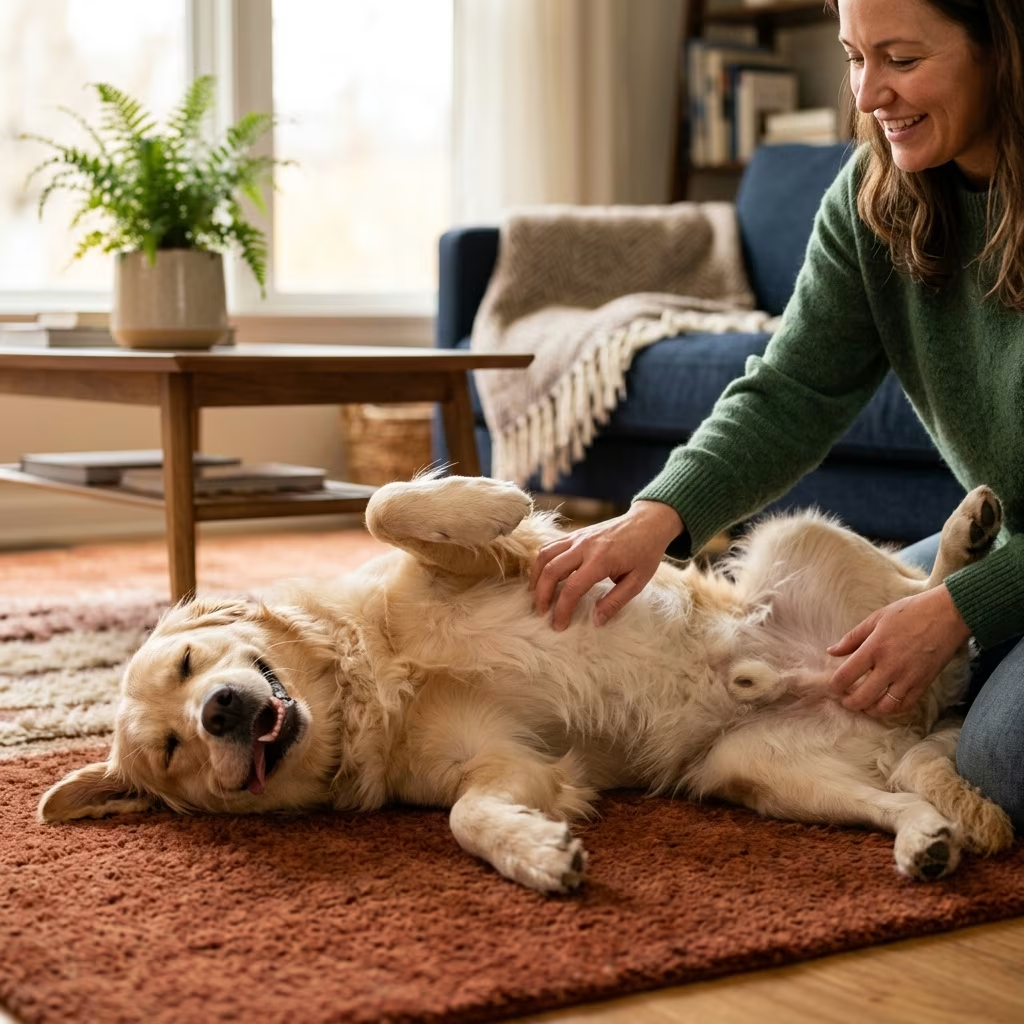
Belly rubs are a universal gesture of affection for dogs, often met with tail wags, squirming bodies, and that endearing smile exclusive to a content pup. But why exactly do dogs enjoy belly rubs so much? Is it simply pleasure, or does this behavior reveal something deeper about trust and communication between dog and human? This article delves into the science of belly rubs, the emotional bonds they strengthen, and how you can confidently tell when your dog truly wants a belly rub.
Understanding Why Dogs Love Belly Rubs
While each dog is unique, most canines find belly rubs intensely pleasant. There are both scientific and emotional reasons for this beloved behavior:
- Dense nerve endings: The skin on a dog’s belly is packed with highly sensitive nerve endings. Gentle petting on the belly sends pleasurable signals to the brain, much like being stroked gently on the inside of human forearms or behind the ears.
- Social grooming (Allogrooming): In a canine pack, social grooming helps build bonds, reinforce hierarchy, and maintain hygiene. A dog rolling onto its back is offering a vulnerable spot—a gesture rooted in trust and a social willingness to bond.
- Hormonal response: Belly rubs prompt the release of oxytocin and endorphins in both the dog and human, hormones linked to affection, reduced pain, and emotional connection.
- Stress reduction: Stroking a dog can lower cortisol levels (the body’s main stress hormone), helping both dog and human relax.
- Attention and affection: Dogs thrive on positive physical contact, which affirms their place in the family unit.
The Biology of the Belly Rub
Nerve Endings and Pleasure
The primary scientific explanation lies in the sensitive nerve endings located on the dog’s belly and flanks. When you stroke or gently scratch this area, the nerve endings send signals that trigger pleasurable sensations. These responses may be accentuated by:
- The thinner, softer fur on the belly increasing skin sensitivity
- Specialized neurons (hair follicle-associated) sending feedback to the brain, rewarding your dog for this interaction
Hormonal Cocktails: Oxytocin, Endorphins, and Beyond
Physical contact between dogs and their humans releases oxytocin—often dubbed the “love hormone.” This not only strengthens the bond, but also makes your dog feel happy, safe, and at ease. Endorphins released through pleasant interaction can relieve pain and boost mood in a similar way.
Relaxation and Stress Relief
Belly rubs can lower stress—they reduce cortisol (the hormone produced when an animal is anxious or scared), making the experience calming. That’s why dogs often seek out belly rubs during moments of rest or after play.
Belly Rubs as Pack Behavior: The Instinctual Roots
Rolling onto the back and exposing the belly is a significant behavior in canine social structure. In dog packs, exposing the belly can indicate:
- Submission: Non-threatening, appeasing other dogs or humans
- Trust: Offering the most vulnerable body part indicates safety and relaxation
- Social grooming: In wild scenarios, mutual grooming strengthens social bonds
This deep-rooted ritual is echoed every time your dog nestles beside you, exposes their tummy, and wags their tail. Far from being a sign of weakness, it’s a request for connection and comfort.
Why Do Some Dogs Dislike Belly Rubs?
While many dogs crave belly rubs, not all will tolerate or enjoy this handling. Reasons might include:
- Previous negative experiences or insufficient socialization
- Medical discomfort (sore muscles, skin irritations, or past trauma)
- Individual personality differences
Always respect your dog’s signals. Some may only allow trusted people, while others may simply prefer different types of affection, such as chin scratches or ear rubs.
Signs Your Dog Wants a Belly Rub
How can you distinguish between a dog inviting a belly rub and one that simply feels submissive? Pay attention to key body language cues:
- Relaxed posture: Loose, wiggly body with a wagging tail or gently flickering tail
- Soft eyes: Face appears at ease, with no signs of tension or staring
- Panting mouth: Gently open, not clamped shut or pulling back lips
- Playful squirming or “smiling”: Rolling side-to-side or smiling expression as you scratch
- Pawing or nose nudges: Actively encouraging your hand toward their belly
If a dog stiffens, growls, tucks its tail, or pulls away, it’s best to stop and try another form of interaction. Consent is key.
How to Give the Perfect Belly Rub
- Let your dog initiate: Wait until your dog flops over or shows clear interest.
- Approach gently: Use a soft voice and open hand to touch the belly.
- Start slow: Begin with light strokes, watching for positive responses or relaxation.
- Vary your touch: Some dogs prefer gentle scratching, others rhythmic rubbing; let their reaction guide you.
- Watch for feedback: Stop immediately if the dog appears uncomfortable.
- Keep sessions brief: A few seconds to a minute is usually sufficient unless your dog gives cues to continue.
The Benefits of Belly Rubs
| Benefit | Description |
|---|---|
| Physical Pleasure | Stimulates sensitive nerves, causing enjoyable sensations |
| Bonding | Releases oxytocin, deepening trust and affection with humans |
| Stress Relief | Reduces cortisol, helps the dog relax |
| Social Communication | Mimics natural grooming, reinforces positive relationships |
| Attention & Affection | Offers quality time and attention from the owner |
Special Considerations: When to Say No to Belly Rubs
- Medical issues: Skin problems, surgical sites, or sore muscles may make belly rubs undesirable.
- Fearful or new dogs: Avoid offering belly rubs until a trusting relationship is built.
- Puppies or rescues: Go slow, and always let the dog’s comfort decide.
If you are unsure how a particular dog feels about belly rubs, err on the side of caution and use less intrusive gestures, like chest or side rubs.
The Myth of Submission: Trust vs. Surrender
Many people mistake a dog rolling onto its back for submission or surrender. While this posture can indeed be a sign of submission in the presence of a threat or a more dominant dog, in the context of a relaxed, trusting setting, it is usually an invitation for affection—especially if accompanied by wiggly movements and relaxed features.
Reading the situation and accompanying body language is essential. Submission often comes with tense muscles, tucked tails, and avoidance of eye contact, while a dog seeking a rub will look loose, comfortable, and eager for your touch.
Frequently Asked Questions (FAQs)
Q: Is it normal for some dogs to dislike belly rubs?
A: Yes. Like people, dogs have individual preferences. Factors like past experiences, personality, underlying discomfort, or injury can influence whether a dog likes or dislikes belly rubs.
Q: Why does my dog kick their leg during a belly rub?
A: The “scratch reflex”—a reaction triggered when you hit certain nerve endings—can cause a kicking motion. It’s harmless and not necessarily a sign of discomfort, but always observe your dog’s overall behavior for enjoyment.
Q: Are belly rubs good for my dog’s health?
A: Yes. Beyond pleasure, belly rubs can help reduce stress, boost your bond, and allow for regular checks for lumps, ticks, or skin issues. However, always monitor your dog’s response.
Q: My dog sometimes refuses a belly rub. Why?
A: Dogs indicate their moods through body language. If your dog refuses, it could simply want space, feel unwell, or not feel safe enough in the moment. Never force a belly rub.
Q: Do all dogs request belly rubs in the same way?
A: No. While some dogs will flop down, others may roll to the side, nudge your hand, or give you a soft look. Learning your own dog’s cues ensures a positive experience for both of you.
Summary of Key Insights
- Belly rubs are pleasurable thanks to sensitive nerves and endorphin release.
- They build trust and deepen the human-canine relationship.
- Rolling over for a rub can be a sign of affection or vulnerability, not just submission.
- Respect your dog’s cues—consent and positive association are the foundations of any good belly rub.
By understanding your dog’s preferences and body language, belly rubs can be more than just a feel-good ritual: they become a trust-building, healthy, and mutually rewarding part of your life together.
References
- https://www.suburbanpets.com/why-do-dogs-love-belly-rubs/
- https://www.kinship.com/dog-behavior/do-dogs-like-belly-rubs
- https://figopetinsurance.com/blog/why-do-dogs-love-belly-rubs
- https://nativepet.com/blogs/health/why-do-dogs-like-belly-rubs
- https://vovets.com/blog/why-do-dogs-like-belly-rubs/
- https://www.akc.org/expert-advice/training/dogs-like-belly-rubs/
- https://www.petmd.com/dog/behavior/why-do-dogs-belly-rubs
- https://www.science.org/content/article/dogs-would-rather-get-belly-rub-treat