Chow Chow: The Regal Canine with Ancient Heritage
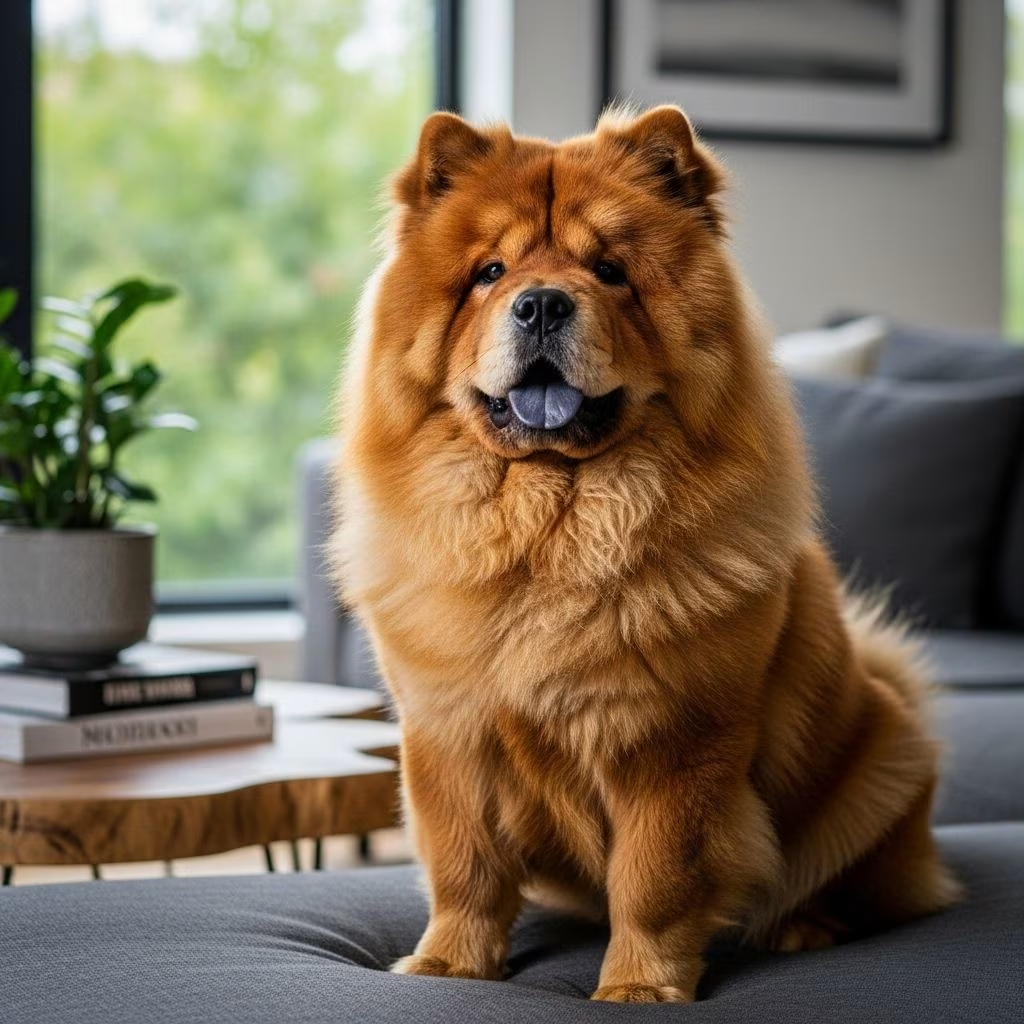
The Chow Chow is an iconic dog breed that stands out for its lion-like ruff, stately demeanor, and unique characteristics such as a blue-black tongue. Originating in ancient China, the Chow Chow is steeped in history and continues to captivate dog enthusiasts worldwide with both its dignified personality and striking appearance.
Breed Overview
- Origin: Ancient China, with traces back to the Han dynasty (206 BCE–220 CE)
- Group: Non-sporting
- Height: 17–20 inches (43–51 cm) at the shoulders
- Weight: 45–70 pounds (20–32 kg)
- Life span: 8–12 years
- Distinctive Features: Blue-black tongue, thick double coat, stiff-legged walk, curly tail
Ancient Beginnings and Historical Significance
Among the world’s oldest dog breeds, the Chow Chow’s lineage is believed to closely resemble that of wolves, making it a living window into canine evolution. Historically, the breed served many roles—from companion to hunter, herder, and even guard dog. Chow Chows have been documented in Chinese records as early as the Han Dynasty, signifying their long-standing bond with humans.
Physical Characteristics
- Lion-like Mane: A thick ruff of fur frames the head and neck, giving an imperial appearance.
- Coat Types: Both rough and smooth coats exist. The rough coat is abundant and fluffy, while the smooth coat is tight and sleek.
- Colors: Common colors include red, black, blue, cinnamon, and cream. The coat is typically solid in color.
- Tail: Curled over the back or to one side, plush and expressive.
- Unique Tongue: Blue-black or purplish tongue, a trait shared with only a few other breeds.
- Stiff-Legged Gait: The Chow Chow’s hind legs are straight, contributing to a unique, stilted walk known as “en pointe.”
| Feature | Description |
|---|---|
| Lion’s Mane | Thick ruff around neck and chest |
| Coat Type | Rough (long, dense) or Smooth (short, plush) |
| Tongue | Blue-black or purplish, unique among most breeds |
| Tail | Plush, curled over the back |
| Gait | Stilted, straight-legged hindquarters |
Temperament and Personality
The Chow Chow epitomizes dignity. These dogs are independent and often described as “cat-like” due to their self-reliant nature. Aloof with strangers but loyal to their family, Chows make formidable companions and vigilant guardians.
- Confident and Self-Assured: Generally reserved, they are not prone to overt displays of affection with new people, but will bond deeply with trusted family members.
- Territorial Nature: Protective, making them excellent watchdogs. Early socialization is crucial to prevent undue aggression.
- Quiet: Not known for excessive barking; Chows tend to communicate through postures and expressions.
- Independent: Comfortable with alone time, not needy or clingy.
- Strong-Willed: Can be stubborn, meaning training requires patience and consistency.
Living with a Chow Chow: Family and Environment
Chow Chows can adapt to various living situations, from apartments in bustling cities to homes with large yards in rural areas. However, they thrive in environments where their independence is respected.
- Adaptability: Well-suited for both urban and rural living if exercise and stimulation requirements are met.
- Children: Devoted and protective, but interactions with young children should always be supervised. Chows have a strong personality and may inadvertently display dominant behaviors.
- Other Pets: Early socialization can help reduce territorial and predatory instincts toward other animals.
- Heat Sensitivity: The dense coat makes Chows sensitive to high temperatures; they fare better in cooler climates.
Care and Grooming Requirements
One of the Chow Chow’s most significant commitments as a pet is its grooming needs. The breed’s dense double coat requires regular attention to maintain health and appearance.
- Brushing: Expect weekly (for smooth coats) to daily (for rough coats) grooming to prevent mats and tangles.
- Bathing: Monthly baths are recommended, using dog-specific shampoos to preserve coat health.
- Ear and Eye Care: Regular checks help prevent infections and irritation, especially as the coat can cover these areas.
- Shedding: Heavy, especially during seasonal changes; frequent grooming minimizes loose hair around the house.
- Nail and Dental: Trim nails routinely and brush teeth regularly to ensure overall health.
Training and Socialization
Although Chows can be more challenging to train due to their independent streak, with patience, consistency, and positive reinforcement, they can become well-mannered companions.
- Start Young: Puppy training and early socialization are critical to managing territorial and aloof tendencies.
- Consistency: Firm, fair, and gentle leadership works best; harsh methods can backfire.
- Social Skills: Expose your Chow to a broad range of people, pets, and environments to foster confidence and adaptability.
- Mental Stimulation: Incorporate puzzle toys and basic obedience exercises to prevent boredom.
Exercise and Activity Levels
- Moderate Needs: Chows are not high-energy dogs; daily walks and short play sessions suffice.
- Avoid Overexertion: Their build and coat make them vulnerable to overheating and joint stress. Opt for gentle activities and never allow excessive exertion in hot weather.
- Indoor Play: Chows can tolerate periods of indoor inactivity, making them suitable for less active households. However, enrichment is key to keeping them content.
Common Health Concerns
As with most purebred dogs, Chow Chows have a predisposition toward certain hereditary health issues, so informed care and regular veterinary check-ups are crucial.
- Hip and Elbow Dysplasia: Their unique gait makes joint health a top priority.
- Entropion: A condition where eyelids roll inward, potentially causing irritation.
- Thyroid Issues: Hypothyroidism can affect energy and metabolism.
- Skin Problems: Their dense coat can trap moisture, leading to hot spots and other dermatological issues.
- Autoimmune Disorders: Regular check-ups and early intervention help manage and prevent complications.
Fun Facts About the Chow Chow
- Blue-Black Tongue: A signature feature shared only with a few other breeds.
- Ancient Heritage: The breed’s roots trace back over 4,000 years to China, making it one of the oldest known dog breeds.
- Lion’s Mane and Curly Tail: Their distinct look often draws comparisons to lions.
- Foot Fetish: Many Chow Chows love sitting on and warming their owner’s feet.
- Stilted Gait: Their straight hind legs contribute to a unique walking style akin to a ballerina on pointe.
Frequently Asked Questions (FAQs)
Q: Are Chow Chows good family pets?
A: Yes, as long as their independence is respected and early socialization is prioritized. They’re loyal and protective but require supervision with young children and other animals.
Q: What is the lifespan of a Chow Chow?
A: Chow Chows typically live 8 to 12 years, with proper care helping them reach the upper end of this range.
Q: How much grooming do they need?
A: Grooming chores are significant—expect regular brushing, occasional bathing, and attention to eyes, ears, and nails to keep your Chow’s coat healthy and tangle-free.
Q: Are Chow Chows easy to train?
A: Training can be challenging due to their stubborn nature. Early and consistent socialization with positive reinforcement gets the best results.
Q: Can Chow Chows be left alone for extended periods?
A: Their independent temperament means most can tolerate solitude, but all dogs benefit from human interaction and mental stimulation.
Q: Is it true that Chow Chows don’t do well in hot climates?
A: Correct. Their thick coat makes them prone to overheating, so they fare best in moderate and cool environments.
Is the Chow Chow Right for You?
Choosing a Chow Chow as a companion is a lifelong commitment. Prospective owners should appreciate the breed’s independent, dignified nature and be ready for the demanded grooming regimen. With proper care, training, and socialization, Chow Chows offer steadfast loyalty, security, and regal companionship befitting their ancient legacy.