


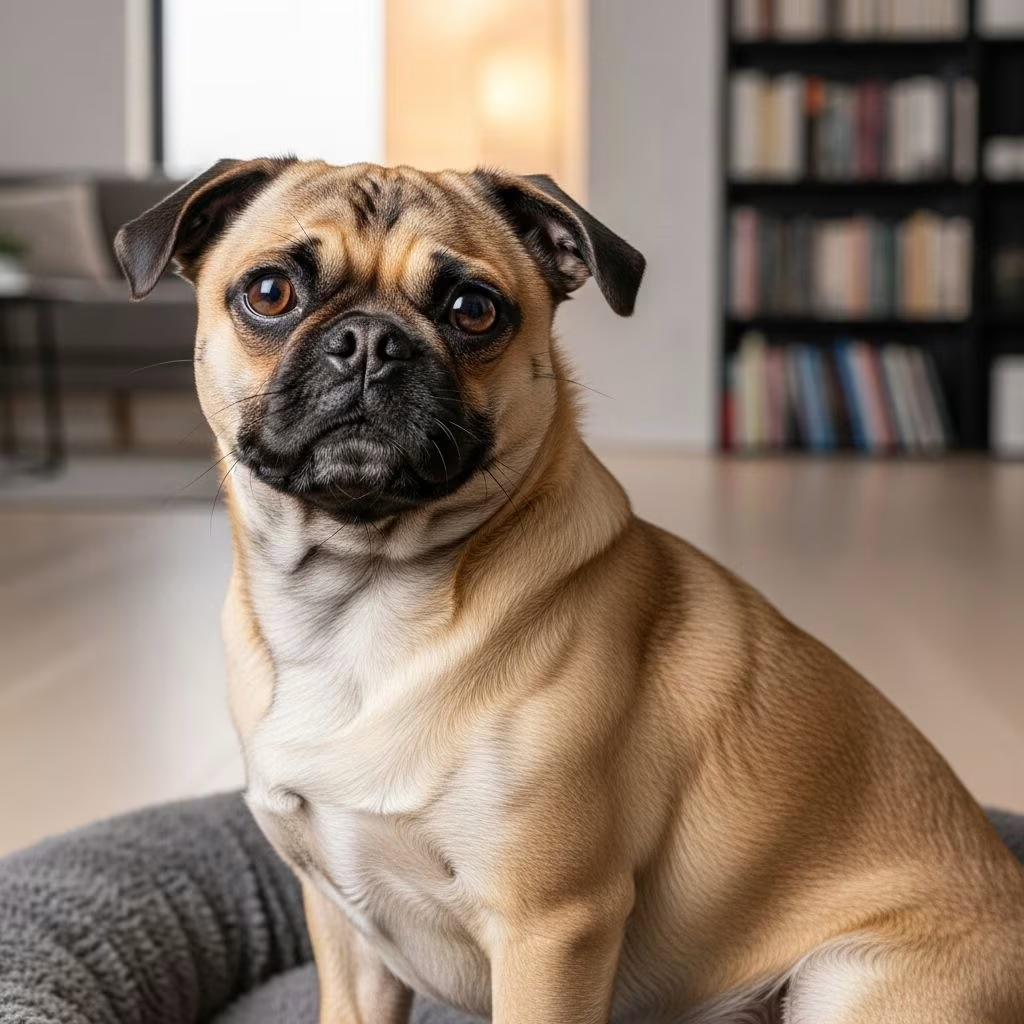
Meet the Chug: The Pug-Chihuahua Mix
The Chug, also known as the Pughuahua or Chi-Pug, is a delightful designer breed that merges the comical charm of the Pug with the confident spirit of the Chihuahua. This breed has gained popularity due to its playful personality, compact size, and adaptability—making it ideal for urban and suburban households alike. Whether you’re looking for a cuddly lapdog or a lively companion, the Chug offers the best of both worlds.
Quick Facts About the Chug
- Name: Chug, Pughuahua, Chi-Pug
- Origin: United States (Designer breed)
- Size: 10–20 pounds; 6–12 inches tall at shoulder
- Lifespan: 10–13 years
- Appearance: Compact body, expressive face, coat varies from short to medium length
- Temperament: Affectionate, loyal, sometimes stubborn and sassy
- Best For: Singles, seniors, families with older children
- Exercise Needs: Moderate activity level
- Grooming: Moderate, dependent on coat type
- Training: Responsive to positive reinforcement; can be strong-willed
- Health Considerations: Watch for respiratory issues and joint concerns
What Makes Chug Dogs Special?
- Ideal Size for Modern Living: The Chug’s compact nature allows it to thrive in apartments or larger homes. Despite their small stature, they are sturdy and enthusiastic about daily activities.
- Distinctive Personality Blend: Combining the playful, easygoing charm of the Pug with the spirited confidence of the Chihuahua, Chugs have unique, memorable personalities. Their expressive faces and dynamic presence set them apart from other small breeds.
- Loyal Companions: Chugs are known for forming strong bonds with their families. They crave attention and closeness, making them excellent lapdogs and devoted shadows to their favorite people.
- Portable & Protective: Despite their size, Chugs possess protective instincts, inherited from both parent breeds. They make surprisingly vigilant watchdogs and adapt easily to travel, always ready to accompany their human family.
Chug Appearance
Chug dogs vary significantly in appearance, based on which traits they inherit from their parent breeds. Some may exhibit the Pug’s famous wrinkles and round eyes, while others have the Chihuahua’s more pointed facial features and refined build. Typically, they sport a sturdy, compact body, a short to medium-length coat, and an expressive, alert face. Coat colors range widely—fawn, black, brown, or mixes thereof are common.
| Trait | Pug Influence | Chihuahua Influence | Common in Chugs |
|---|---|---|---|
| Face | Wrinkled, round eyes | Pointed, alert expression | Mix of both |
| Build | Sturdy, compact | Lean, petite | Compact & sturdy |
| Coat | Short, smooth | Short or long, varied | Short to medium, varies |
| Colors | Fawn, black | Black, tan, cream, mixed | Range: fawn, black, brown, blended |
This diversity means that no two Chugs look exactly alike—each one has a unique blend of features from its parent breeds.
A Chug’s Size
Chugs are small but sturdy, making them well-suited for apartment living yet robust enough to enjoy active play. Adult Chugs stand between 6 and 12 inches tall at the shoulder and usually weigh 10 to 20 pounds. Their size makes them portable—easy to carry and take along on travels—while still able to engage in playful activities without being too delicate.
Chug Coat Types
The coat type of a Chug largely depends on its genetic background. Most Chugs have short, smooth coats reminiscent of the Pug, but if their Chihuahua parent was long-haired, their fur may be slightly longer and fluffier. Regardless of coat length, grooming is typically straightforward. Colors vary widely, including:
- Fawn
- Black
- Brown
- Tan
- Mixed color patterns
Regular brushing helps minimize shedding, particularly for those Chugs who inherit a denser or longer coat.
Chug Temperament and Personality
Chugs are celebrated for their engaging personalities. Their temperament can swing between the feisty attitude of the Chihuahua and the playful, social demeanor of the Pug. Key personality traits include:
- Affectionate: They thrive on attention, forming deep attachments to their owners.
- Loyal: Strongly devoted, often preferring to stay near their favorite humans.
- Entertaining: Bursts of playful energy and silly antics are common.
- Sassy or Stubborn: Some Chugs exhibit a bold, sometimes stubborn streak, influenced by their Chihuahua side.
- Protective: Wary of strangers, making them effective watchdogs for their size.
Consistent training and socialization are important to nurture their best traits and prevent undesirable behaviors.
Are Chugs Good with Children?
Chugs are affectionate and can be great companions for families; however, they are best suited to homes with older children who understand how to handle smaller dogs. Their compact size makes them vulnerable to unintended rough play, so adult supervision is essential during interactions with young kids. With proper training and respect, Chugs thrive as playful, loving family members.
How Well Do Chugs Get Along With Other Animals?
With early socialization, Chugs usually get along well with other pets. Exposure to different animals helps prevent the development of territorial or aggressive tendencies sometimes seen in Chihuahuas. A well-socialized Chug enjoys group environments and can adapt peacefully to multi-pet households.
Living With a Chug: Daily Life and Care
Caring for a Chug involves balancing their need for affection, exercise, and a stable routine. Below are the key aspects of daily life with this breed:
- Exercise: Chugs need moderate activity levels. Daily walks, playful indoor sessions, and puzzle toys provide both mental and physical stimulation.
- Companionship: They are happiest when close to their people and can develop separation anxiety if left alone for extended periods.
- Entertainment: Their playful nature and intelligence mean they enjoy games and learning tricks, provided training is consistent and positive.
- Socialization: Early exposure to diverse people, pets, and environments is essential for confident, relaxed behavior.
Training Your Chug
Training a Chug can be both fun and challenging. They are intelligent and eager to please, but can also be independent or stubborn, particularly if they favor their Chihuahua side. Use positive reinforcement techniques—treats, praise, and play rewards—to encourage good behavior. Consistency and patience are crucial. Short, frequent training sessions work best for maintaining their attention.
Grooming Needs
Chugs typically require moderate grooming:
- Brushing: Once or twice weekly for short coats, more often for longer or denser fur.
- Bathing: Every month or as needed when dirty.
- Ear Cleaning: Regularly, as both Pugs and Chihuahuas can be prone to ear infections.
- Dental Care: Daily tooth brushing is recommended to minimize dental issues common in small breeds.
- Nail Trimming: Every 3–4 weeks or when nails click on floors.
Common Health Problems in Chugs
While Chugs tend to be robust, they may inherit health issues from their parent breeds. Key concerns include:
- Respiratory Problems: From their Pug side, especially in Chugs with flatter faces (brachycephalic traits).
- Joint Issues: Patellar luxation and hip dysplasia may occur.
- Dental Disease: Small breed dogs are prone to dental problems that require routine maintenance.
- Eye Conditions: They can inherit eye problems such as dry eye or progressive retinal atrophy.
Regular checkups and a preventative care regimen are vital to ensuring a healthy life for your Chug.
Chug Nutrition and Diet
Proper nutrition is essential for maintaining your Chug’s health and energy. Choose a well-balanced, high-quality dog food tailored for small breeds. Monitor their calorie intake to prevent obesity, which can exacerbate joint and respiratory issues. Treats should comprise no more than 10% of daily calories and fresh water must always be available.
Is a Chug Right for You?
Chugs make wonderful pets for a wide variety of owners. Their size and affectionate nature suit apartment living, single-person households, and seniors. Families with older children who understand small-dog etiquette will enjoy their playful spirit and loyalty. Active individuals can match their energy, while less active owners will appreciate their adaptability and love for indoor cuddles. Ultimately, a Chug thrives in environments where daily interaction, attention, and moderate activity are part of the routine.
Frequently Asked Questions (FAQs)
Q: Are Chugs easy to train?
A: Chugs are intelligent but can be stubborn. Positive reinforcement and consistency are the keys to successful training. Short, engaging sessions work best.
Q: Do Chugs shed a lot?
A: Most Chugs are moderate shedders. Regular brushing helps control shedding, with grooming needs dependent on coat length.
Q: How much exercise does a Chug need?
A: Daily walks and playtime keep Chugs healthy and engaged. They enjoy moderate exercise but can adapt to less active households.
Q: Are Chugs good with other pets?
A: Yes, with early socialization, Chugs typically get along well with other cats and dogs.
Q: What is the life expectancy of a Chug?
A: Chugs typically live between 10 and 13 years, though some reach older ages with excellent care.
Final Thoughts
The Chug stands out as an affectionate, lively companion whose blend of Pug playfulness and Chihuahua sass is irresistible. With the right care, training, and environment, this breed promises a lifetime of laughs, cuddles, and loyalty. Whether in a single-person apartment or an active family home, the Chug is sure to win hearts as a devoted, entertaining friend.


