Christmas Pet Safety: Protecting Your Furry Friends During the Festive Season
The holiday season brings joy, warmth, and countless traditions that make Christmas special. However, beneath the twinkling lights and festive decorations lies a hidden world of potential dangers for our beloved pets. From sparkling tinsel to tempting treats, many of our favorite Christmas traditions can pose serious health risks to dogs, cats, and other household animals.
Understanding these hazards is crucial for pet owners who want to include their furry family members in the holiday celebrations safely. This comprehensive guide explores the most common Christmas pet dangers and provides practical solutions to ensure your pets enjoy a safe and happy holiday season alongside the entire family.
The Christmas Tree: A Festive Focal Point with Hidden Dangers
The Christmas tree often serves as the centerpiece of holiday decorations, but it presents multiple risks for curious pets. Both real and artificial trees can create hazardous situations that pet owners must carefully navigate.
Real Christmas Trees and Their Risks
Live Christmas trees produce natural oils that, when ingested by pets, can cause significant health problems including mouth irritation, excessive drooling, vomiting, and diarrhea. The tree water poses an additional threat, especially if it contains fertilizers or preservatives that can be toxic to animals. Pet owners should cover the tree base to prevent pets from drinking the water, mistaking it for a regular water bowl.
Pine needles from real trees are mildly toxic and not digestible, potentially causing gastrointestinal obstructions or punctures. These sharp needles can create serious internal injuries if ingested in large quantities, particularly dangerous for smaller pets.
Tree Stability and Safety Measures
Both cats and dogs find Christmas trees irresistible for different reasons. Cats view them as excellent climbing structures and hiding spots, while dogs may be attracted to lower-hanging decorations or simply knock over unstable trees during play. Securing the tree in a sturdy base and anchoring it to a wall can prevent potentially dangerous toppling incidents.
Dangerous Christmas Decorations
Holiday decorations transform homes into winter wonderlands, but many common ornaments pose serious threats to pet safety.
Tinsel and Ribbon Hazards
Tinsel represents one of the most dangerous Christmas decorations for pets, particularly cats. The shimmering strands attract felines who often play with and subsequently ingest the material. When swallowed, tinsel can cause severe intestinal blockages requiring emergency surgical intervention. Similarly, ribbons and strings used for gift wrapping present identical risks.
Veterinarians frequently encounter cases of intestinal obstructions caused by these materials during the holiday season. The string-like substances can become lodged under the tongue or cause intestinal perforations, creating life-threatening situations that demand immediate medical attention.
Glass Baubles and Ornaments
Traditional glass ornaments create multiple hazards for pets. When knocked off trees by curious paws or wagging tails, these decorations shatter into sharp fragments that can cut tender paw pads or cause internal injuries if ingested. The colorful, round shapes often attract pets who mistake them for toys, leading to potentially dangerous play sessions.
Christmas Lights and Electrical Hazards
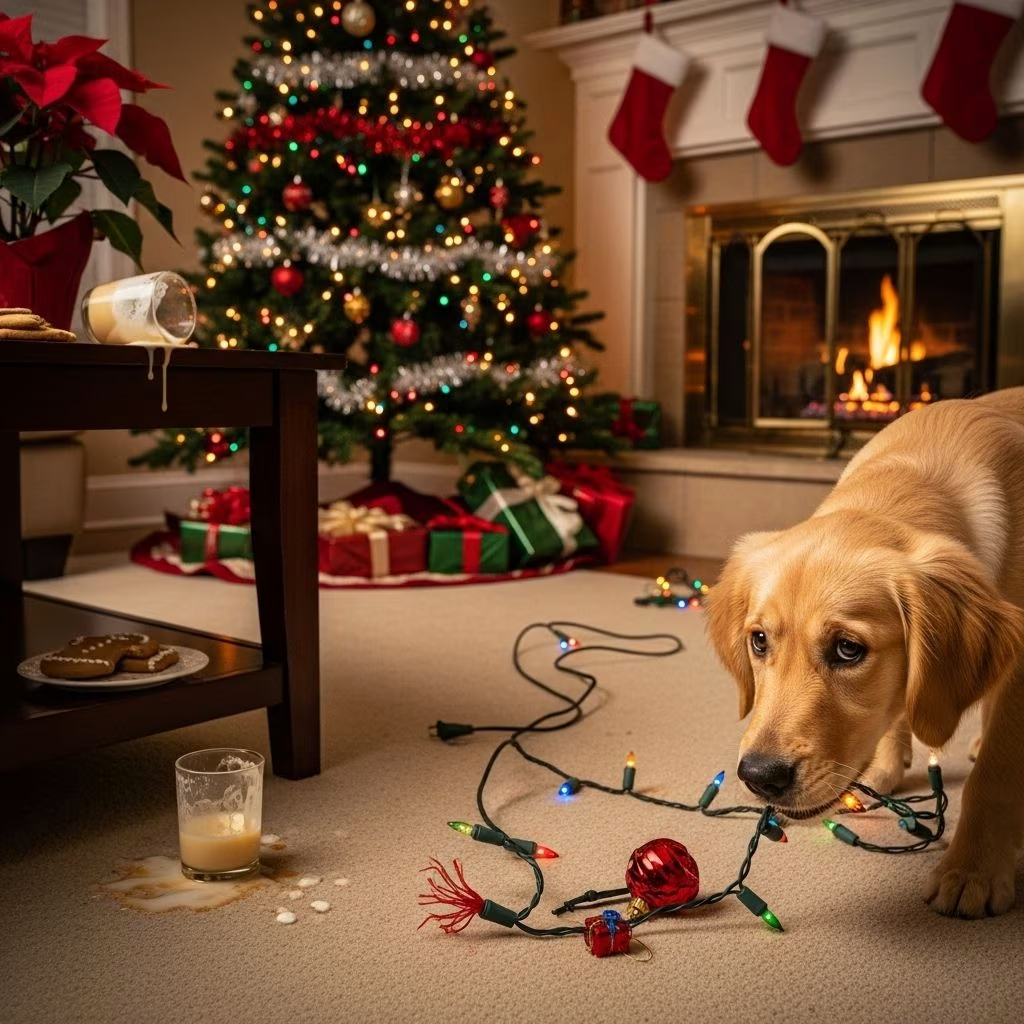
String lights pose serious electrocution risks, particularly for puppies and young dogs who tend to chew on available objects. Electrical burns to the mouth, tongue, and gums can occur, and severe cases may result in death. Pet owners should supervise animals around lighting displays and unplug lights when not in use to eliminate electrical dangers.
Toxic Holiday Plants
Many traditional Christmas plants contain compounds that are highly toxic to pets, creating serious health emergencies when ingested.
Common Poisonous Holiday Plants
Poinsettias, while not as deadly as once believed, can still cause gastrointestinal upset in pets. However, mistletoe, holly, and ivy present much more serious threats. These plants contain toxins that can cause severe poisoning, requiring immediate veterinary intervention.
Christmas rose, amaryllis, and other seasonal flowering plants also pose risks to pet health. Pet owners should consider artificial versions of these plants or place them in areas completely inaccessible to animals.
Food and Treat Dangers
Holiday feasts present numerous temptations and hazards for pets who may sample foods that are toxic to their systems.
Chocolate Toxicity
Chocolate remains one of the most common and dangerous holiday hazards for pets. Veterinary emergency hospitals report significant increases in chocolate-related visits during the Christmas season, with some facilities seeing up to 69% more cases on Christmas Eve alone. The darker the chocolate, the more toxic it becomes, with baking chocolate posing the greatest threat.
Other Dangerous Holiday Foods
Turkey bones, particularly cooked ones, can splinter and cause choking hazards or internal punctures. Rich, fatty foods can trigger pancreatitis in dogs, while foods containing garlic, onions, or excessive salt create additional health risks.
Alcohol presents serious dangers to pets, with even small amounts potentially causing alcohol poisoning. Pet owners must be vigilant about securing alcoholic beverages and cleaning up spills immediately.
Gift-Related Hazards
Presents under the tree create tempting targets for curious pets who may investigate colorful packages and wrapping materials.
Wrapping Materials and Gift Contents
Wrapping paper, bows, and gift bags can create intestinal blockages when ingested. Additionally, gifts containing items like batteries, small toys, or electronic components pose choking hazards or toxicity risks if accessed by pets.
Pet owners should consider keeping wrapped gifts in secure locations until Christmas morning, preventing pets from investigating potentially dangerous packages.
Candles and Fire Hazards
Festive candles create warm, inviting atmospheres but present fire risks when pets are present. Wagging tails or leaping cats can easily knock over candles, potentially starting fires or causing burns.
Flameless candles or securely enclosed candle holders provide safer alternatives for creating holiday ambiance in pet-friendly homes.
Stress and Environmental Changes
The holiday season brings numerous changes to household routines, which can create stress for sensitive pets. Increased noise levels, unfamiliar visitors, altered feeding schedules, and disrupted sleeping arrangements can cause anxiety in both cats and dogs.
Providing quiet retreat spaces and maintaining consistent routines when possible helps minimize holiday stress for pets.
Emergency Preparedness
Despite careful precautions, accidents can still occur during the holiday season. Pet owners should prepare for potential emergencies by keeping emergency contact information readily available, including local veterinary clinics and poison control hotlines.
Warning Signs to Watch For
Pet owners should monitor their animals for signs of distress, including vomiting, diarrhea, excessive drooling, difficulty swallowing, lethargy, or changes in behavior. Immediate veterinary attention is crucial when pets exhibit these symptoms, particularly if exposure to potential toxins is suspected.
Creating a Pet-Safe Holiday Environment
Successful holiday celebrations with pets require proactive planning and consistent vigilance. By understanding the risks and implementing appropriate safety measures, families can include their furry members in festive activities without compromising their health and safety.
Frequently Asked Questions About Christmas Pet Safety
Q: What should I do if my pet eats tinsel or ribbon?
A: Contact your veterinarian immediately. Do not attempt to pull the material from your pet’s mouth, as this can cause additional injury. Time is critical for treating intestinal blockages.
Q: Are artificial Christmas trees safer than real ones?
A: Artificial trees eliminate risks from tree oils and water additives, but pets can still choke on artificial needles or suffer injuries from tree toppling.
Q: How much chocolate is dangerous for dogs?
A: Any amount of chocolate can be harmful, with toxicity depending on the dog’s size and chocolate type. Dark chocolate and baking chocolate are most dangerous. Contact your veterinarian immediately if chocolate ingestion occurs.
Q: Can I give my pet Christmas dinner scraps?
A: Avoid giving pets human food, especially foods high in fat, salt, or containing garlic and onions. Stick to pet-specific treats designed for their dietary needs.
Q: What holiday plants are safe for homes with pets?
A: Consider pet-safe alternatives like Christmas cactus, spider plants, or artificial versions of traditional holiday plants to eliminate toxicity risks completely.
References
- https://www.countryliving.com/uk/wildlife/pets/a35010295/christmas-dangers-pets/
- https://www.foxnews.com/health/holiday-decorations-treats-could-pose-threat-pets-veterinarians-warn
- https://www.farmersjournal.ie/life/health/keep-your-pets-safe-during-the-festivities-846105
- https://bluepearlvet.com/pet-blog/holiday-pet-safety-from-christmas-trees-to-christmas-dinner-heres-what-every-pet-owner-should-know/
- https://sashvets.com/pet-advice/top-16-christmas-dangers-pets/
- https://www.countryliving.com/life/kids-pets/a63251220/christmas-dog-food-warning-vet/
- https://mycountry955.com/this-christmas-tree-is-what-every-wyoming-pet-owner-needs/