The World of High-Speed Canine Athletes
When it comes to speed in the animal kingdom, dogs have earned their place among nature’s most impressive sprinters. These remarkable canine athletes can reach breathtaking velocities that rival many wild animals, combining power, agility, and centuries of selective breeding. From the lightning-fast Greyhound to the surprisingly quick Jack Russell Terrier, certain dog breeds have been specifically developed for speed, whether for hunting, racing, or herding purposes.
The fascination with fast dogs extends far beyond simple curiosity. These breeds represent the pinnacle of canine athleticism, showcasing how selective breeding and natural evolution have created living machines built for speed. Their lean bodies, powerful hindquarters, and incredible cardiovascular systems make them capable of extraordinary feats that continue to amaze dog enthusiasts worldwide.
Top 10 Fastest Dog Breeds: Champions of Speed
1. Greyhound – The Ultimate Speed Machine (45 mph)
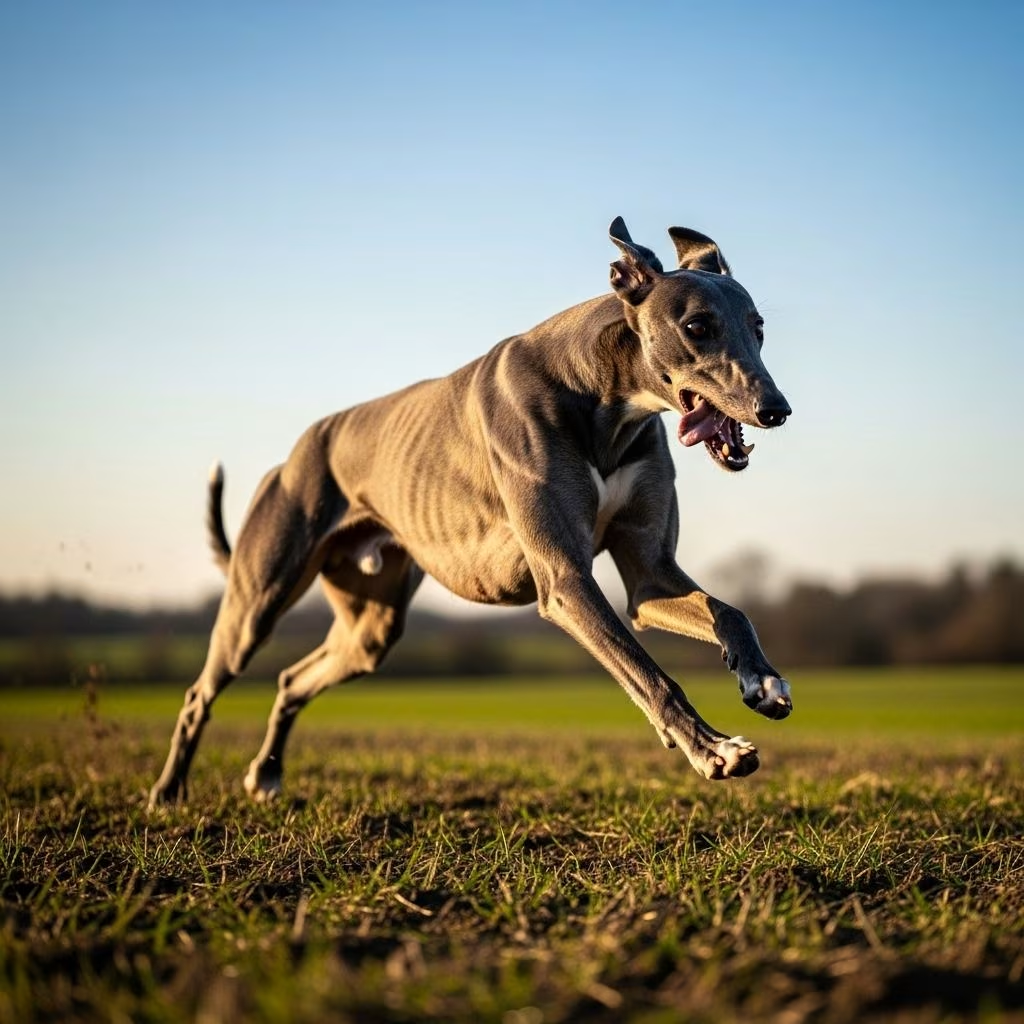
Standing tall as the undisputed champion of canine speed, the Greyhound can reach remarkable speeds of up to 45 mph. Originally developed in Great Britain for hunting small game like rabbits and squirrels, these elegant athletes have become synonymous with dog racing. Weighing between 60 to 70 pounds and standing 26 to 29 inches tall, Greyhounds possess the perfect combination of lean muscle, aerodynamic build, and powerful stride length that makes them unmatched in the speed department.
Despite their incredible athleticism, Greyhounds are often called “couch potatoes” due to their surprisingly calm demeanor at home. They make excellent family companions but require careful socialization around small children due to their size and hunting instincts. Their gentle nature and moderate exercise requirements make them surprisingly suitable for apartment living, provided they receive regular opportunities to stretch their legs safely.
2. Saluki – The Ancient Speed Demon (42.8 mph)
The Saluki holds the distinction of being one of the most ancient domesticated dog breeds, with a top speed of 42.8 mph. Originating in the Middle East, these graceful hunters were specifically bred to chase rabbits and gazelle across desert terrain. Weighing 35 to 65 pounds and standing 23 to 28 inches tall, Salukis combine endurance with explosive speed, making them formidable hunting companions.
Modern Salukis excel in racing competitions and make devoted family pets for active households. Their natural instinct to chase requires careful management, but they can be excellent jogging companions when properly leashed and trained. Their independent nature and high intelligence make them both rewarding and challenging pets for experienced dog owners.
3. Afghan Hound – The Elegant Speedster (40 mph)
With their flowing coat and aristocratic bearing, Afghan Hounds might not look like speed demons, but they can reach impressive speeds of 40 mph. Weighing 50 to 60 pounds and standing 25 to 27 inches tall, these ancient hunters were developed in the Middle East thousands of years ago to pursue rabbits and gazelle across challenging terrain.
Afghan Hounds are often described as “catlike” due to their extensive grooming habits and independent personalities. In modern times, they’ve transitioned from working hunters to show dogs and racing competitors. Their lean, powerful build makes them excellent candidates for agility courses and lure coursing events, though their strong prey drive requires careful management around smaller animals.
4. Vizsla – The Hungarian Hunter (40 mph)
The Vizsla represents the perfect blend of speed and stamina, capable of reaching 40 mph while maintaining incredible endurance. Originally bred as Hungarian hunting dogs, these athletic canines weigh 45 to 65 pounds and stand 21 to 24 inches tall. Their golden-rust coat and muscular build reflect their heritage as versatile sporting dogs.
Vizslas continue to excel in their traditional hunting roles while also making exceptional family pets for active households. They require substantial daily exercise and mental stimulation, making them ideal companions for runners, hikers, and outdoor enthusiasts. Their high energy levels and intelligence demand consistent training and engagement to prevent destructive behaviors.
5. Jack Russell Terrier – The Mighty Mini Speedster (38 mph)
Don’t let their small size fool you – Jack Russell Terriers pack incredible speed into their compact frames, reaching up to 38 mph. Weighing just 14 to 18 pounds and standing 13 to 14 inches tall, these terriers were originally bred for fox bolting, using their remarkable agility and speed to flush foxes from their dens.
Modern Jack Russell Terriers have found new purposes in dog shows, agility competitions, and as beloved family pets. Their high energy and intelligence require consistent mental and physical stimulation. Their small size makes them suitable for various living situations, but their exercise needs rival much larger breeds.
6. Dalmatian – The Spotted Sprinter (37 mph)
Famous for their distinctive spotted coats, Dalmatians are also impressive athletes capable of reaching 37 mph. Weighing 40 to 60 pounds and standing 19 to 23 inches tall, these dogs were originally bred for hunting, retrieving, and guardianship. Their endurance and speed made them ideal carriage dogs, running alongside horses for miles.
Today’s Dalmatians serve primarily as family companions, valued for their intelligence and affectionate nature. They require substantial exercise and mental stimulation to prevent behavioral issues. Their striking appearance and friendly disposition make them popular choices for active families who can meet their exercise requirements.
7. Borzoi – The Russian Wolf Hunter (36 mph)
The majestic Borzoi combines elegance with impressive speed, reaching up to 36 mph. These Russian sighthounds weigh 60 to 105 pounds and stand 26 to 30 inches tall. Originally bred for hunting wolves in Russia’s harsh climate, they possess the size and power necessary to pursue large game across vast territories.
Borzois maintain their hunting instincts while adapting well to modern family life. They tend to be calm and well-mannered indoors but require secure fencing due to their strong chase instincts. Their independent nature and moderate exercise needs make them suitable for experienced dog owners who appreciate their unique personality traits.
8. Whippet – The Gentle Speedster (35 mph)
Often called miniature Greyhounds, Whippets can reach speeds of 35 mph despite their medium size. Weighing 20 to 40 pounds and standing 18 to 22 inches tall, these English racing dogs originated in the 1700s. Their sleek build and gentle temperament have made them popular both as racing dogs and family pets.
Whippets excel in dog shows and make wonderful family companions due to their even temperament and playful nature. They adapt well to various living situations but require regular opportunities for intense exercise. Their quiet, gentle nature makes them excellent apartment dogs when their exercise needs are met.
9. Doberman Pinscher – The Guardian Speedster (32-35 mph)
The powerful Doberman Pinscher combines speed with strength, reaching speeds of 32 to 35 mph. Weighing 65 to 90 pounds and standing 22 to 28 inches tall, these German-bred dogs were originally developed for protection and guardianship. Their athletic build and intelligence continue to make them valuable as security, police, and military dogs.
Modern Dobermans serve dual roles as working dogs and family protectors. Their loyalty and intelligence make them excellent companions for experienced owners who can provide proper training and socialization. Their exercise needs are substantial, requiring both physical activity and mental challenges to remain happy and well-behaved.
10. Border Collie – The Agile All-Rounder (30 mph)
While perhaps not the fastest overall, Border Collies reach impressive speeds of 30 mph while demonstrating unmatched agility and intelligence. Weighing 30 to 55 pounds and standing 18 to 22 inches tall, these herding dogs excel at quick direction changes and sustained running. Their combination of speed, intelligence, and work ethic has made them favorites among farmers and ranchers.
Border Collies continue to excel in herding work while also dominating agility competitions and serving as devoted family pets. Their high intelligence and energy levels require substantial mental and physical stimulation. They thrive in active households that can provide consistent training and challenging activities.
What Makes These Breeds So Fast?
The extraordinary speed capabilities of these breeds result from specific anatomical and physiological adaptations developed through centuries of selective breeding. Body structure plays a crucial role, with most fast breeds sharing common characteristics including lean muscle mass, deep chests for increased lung capacity, and long legs that provide extended stride length.
Cardiovascular efficiency represents another critical factor. These breeds possess enlarged hearts and superior oxygen-carrying capacity, allowing them to maintain high speeds over considerable distances. Their efficient metabolisms and superior muscle fiber composition contribute to both explosive speed and sustained endurance.
The double suspension gallop employed by sighthounds like Greyhounds and Salukis allows for maximum speed by having all four feet leave the ground twice during each stride cycle. This gait, combined with flexible spines that compress and extend like springs, generates the power necessary for their incredible velocities.
Training and Exercise Requirements
High-speed dog breeds require careful attention to their exercise and training needs. Regular, intense exercise is essential for maintaining both physical health and mental well-being. However, puppy exercise should be carefully monitored, as developing joints and bones can be damaged by excessive high-impact activity.
Mental stimulation proves equally important for these intelligent, high-energy breeds. Puzzle toys, training sessions, and interactive games help prevent destructive behaviors that often result from boredom. Many fast breeds excel in dog sports like agility, lure coursing, and competitive obedience.
Recall training becomes particularly crucial for breeds with strong chase instincts. Secure, fenced areas are essential for safe off-leash exercise, as these dogs may pursue moving objects regardless of potential dangers. Professional training assistance often proves beneficial for inexperienced owners.
Health Considerations for Fast Breeds
Speed-oriented breeds face unique health challenges related to their athletic builds and high activity levels. Joint problems including hip dysplasia and elbow dysplasia can affect larger breeds, while smaller breeds may experience luxating patella or other joint issues.
Cardiac conditions require monitoring in breeds with enlarged hearts and high cardiovascular demands. Regular veterinary checkups, including cardiac evaluations, help identify potential issues early. Exercise-induced collapse can affect some breeds during intense activity.
Injury prevention becomes crucial for athletic dogs. Proper warm-up and cool-down routines, appropriate exercise surfaces, and gradual conditioning help prevent muscle strains, torn ligaments, and other activity-related injuries.
Choosing the Right Speed Breed for Your Lifestyle
Selecting a fast dog breed requires honest evaluation of your lifestyle, experience level, and commitment to meeting their needs. Activity level compatibility represents the most critical factor – these breeds require owners who genuinely enjoy and can commit to substantial daily exercise.
Living space considerations extend beyond mere size requirements. While some fast breeds adapt to apartment living, all require access to safe areas for intense exercise. Secure fencing becomes non-negotiable for yards, as these dogs can quickly cover substantial distances when motivated to chase.
Experience level matters significantly with high-energy, intelligent breeds. First-time owners may struggle with the combination of exercise demands, training requirements, and management needs these breeds present. Experienced dog owners better understand the commitment required for success.
Frequently Asked Questions About Fast Dog Breeds
How fast can the average dog run?
The average dog can run between 15-20 mph, making the speeds achieved by these specialized breeds truly exceptional. Mixed breeds and companion dogs typically fall within this range, while working and sporting breeds often exceed it.
Are fast dog breeds good with children?
Many fast breeds can be excellent with children when properly socialized, but their size, energy level, and chase instincts require careful management. Smaller children may be accidentally knocked over during play, and proper training is essential for safe interactions.
Do fast dog breeds need special diets?
Athletic dogs may benefit from high-quality diets formulated for active breeds, with appropriate protein levels and joint-supporting nutrients. However, individual needs vary based on age, activity level, and health status. Veterinary consultation helps determine optimal nutrition plans.
Can fast breeds live in apartments?
Some fast breeds, particularly Greyhounds and Whippets, can adapt to apartment living due to their calm indoor behavior. However, all require access to safe areas for intense exercise and may not be suitable for owners unable to meet their activity needs.
How much exercise do fast dog breeds need daily?
Most fast breeds require 1-2 hours of exercise daily, including both high-intensity activities and moderate walks. The specific needs vary by breed, age, and individual personality, but all require more exercise than typical companion dogs.
References
- https://sitmeanssit.com/dog-training-mu/pueblo-dog-training/1968/what-are-the-fastest-dog-breeds/
- https://www.borrowmydoggy.com/doggypedia/choosing-a-breed-fastest-dogs
- https://www.dogfoodadvisor.com/forums/topic/what-were-your-longest-shortest-lived-dogs/
- https://www.countryliving.com/uk/wildlife/dog-breeds/