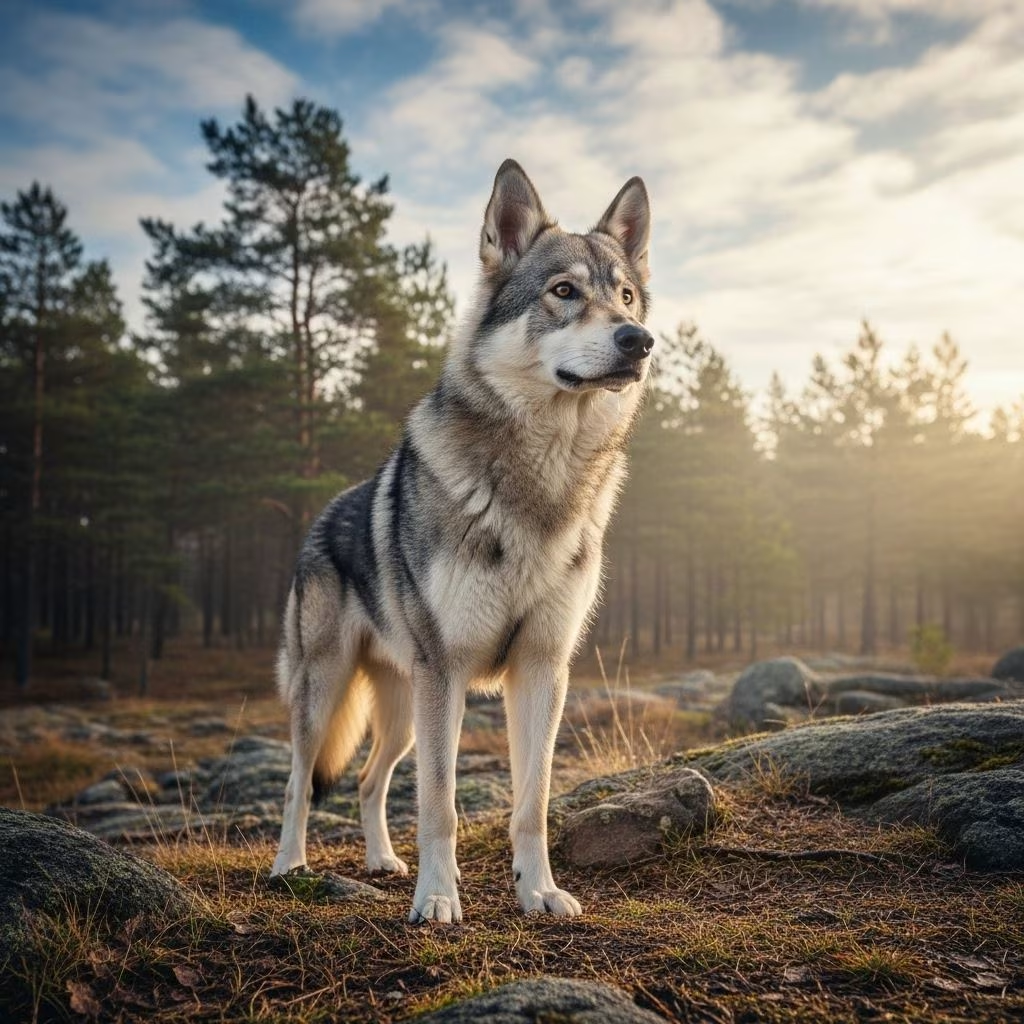
The Czechoslovakian Vlciak, also known as the Czechoslovakian Wolfdog, is a striking, primitive canine breed crafted to blend the intelligence and loyalty of the German Shepherd with the endurance and appearance of the Carpathian wolf. With its alert gaze, powerful build, and sleek wolfish coat, this breed has earned admiration for its beauty, stamina, keen senses, and deeply devoted nature. This comprehensive guide explores their origins, physical and behavioral traits, training tips, health concerns, and answers frequently asked questions about living with a Vlciak.
Breed Overview
| Origin | Czechoslovakia (Now Czech Republic & Slovakia) |
|---|---|
| Group | Working Group |
| Height | 24–28 inches (61–71 cm) |
| Weight | 44–97 pounds (20–44 kg) |
| Lifespan | 10–15 years |
| Colors | Yellow-grey to silver-grey, with a lighter mask |
History & Origins
The Czechoslovakian Vlciak was established in the 1950s as part of a military experiment in former Czechoslovakia. The goal was to produce a working dog with the stamina, resilience, and alertness of a wild wolf, while retaining the trainability and loyalty of a German Shepherd. By crossing Carpathian wolves with German Shepherds, breeders set the foundation for a new type of service dog, initially tasked with border patrol, search and rescue, and military operations. Recognized by international kennel clubs, the breed remains rare but admired for its working potential and beauty.
- First bred: 1955 (Czechoslovakia)
- Original purpose: Military and border patrol
- Recognized by: FCI, AKC (Foundation Stock Service), other national clubs
Physical Characteristics
The Vlciak’s body is a striking reminder of its wild ancestry. It possesses a rectangular frame (height being 9:10 or less compared to length), powerful limbs, and a robust yet agile presence.
- Coat & Color: Short, straight, and dense double coat. Undercoat thickens in winter, shedding occurs seasonally. Typical coloration is yellow-grey to silver-grey, marked by a lighter mask around the muzzle and eyes. The coat is weather-resistant and low-maintenance, needing regular brushing during shedding periods.
- Head & Expression: Sexually dimorphic (males look masculine, females feminine). Amber eyes are set obliquely, and ears are short, triangular, and upright—giving a distinct wolfish look.
- Muzzle & Jaws: Narrow, strong jaws built for gripping. Scissors and pliers bite both acceptable. Jaw strength accommodates the breed’s working background.
- Body: Strong spine, short loins, large flat chest, and drawn-in belly. Back is short and slightly sloped.
- Limbs: Straight, narrow forelimbs; muscular hind limbs. Paws slightly turned out with long feet and toes for running on rough terrain.
- Tail: High set. When relaxed, it hangs straight and reaches the tarsi (ankle joint).
Distinctive Features
- Amber Eyes: Wild, intelligent stare reminiscent of a wolf.
- Ears: Short, pricked, triangular, highly expressive.
- Coat: Weather-resistant, supports endurance in harsh conditions.
- Gait: Light, harmonious, and long-striding—designed for trotting over great distances.
Temperament & Personality
The Vlciak’s temperament draws heavily from both its wolf and dog heritage, making it a unique companion. It forms strong social bonds with its “pack” (owners and close family), learning quickly and exhibiting fierce loyalty. However, its intelligence is paired with independence, leading to stubbornness and the tendency to think for itself before blindly obeying commands.
- Loyal & Devoted: Bonds deeply with its owner and close family. Highly protective and vigilant—excellent for those seeking a canine companion with guarding instincts.
- Playful & Temperamental: Enjoys interactive play and exercise; remains energetic well into adulthood.
- Highly Intelligent: Excels at problem-solving, trailing, and independent tasks. Requires motivation—will not perform repetitive tasks endlessly without incentive.
- Aloof with Strangers: Often reserved or suspicious around new people and animals. Early socialization is crucial to ease this trait.
- Strong Prey Drive: May chase small animals instinctively. Must be trained and socialized from puppyhood to control hunting instincts.
- Pack Mentality: Enjoys working in groups and often finds purpose in tasks. Needs clear leadership and boundaries.
- Communication: More likely to communicate through body language, growls, grunts, and whining rather than barking, which is unnatural and often difficult to teach.
The Ideal Home & Owner
- Experienced dog handlers who understand working breeds and high-drive dogs
- Homes with space for exercise and mental stimulation
- Families committed to training, socialization, and spending time outdoors
- Less suitable for small children or first-time dog owners
Training & Socialization
Training a Vlciak demands patience, creativity, and consistency. This breed thrives under positive reinforcement and short, engaging sessions. Repetition without variation leads to boredom and resistance. Motivation, mental challenges, and social exposure are key.
- Early socialization: Begin with puppy classes and introductions to a variety of people, pets, and environments.
- Positive reinforcement: Use food rewards, praise, and play rather than punishment.
- Clear boundaries: Primitive breeds need firm, fair rules and leadership.
- Short, fun sessions: Keep training varied; end before the dog loses interest.
- Professional guidance: For new owners, an experienced trainer is invaluable—preferably someone familiar with working breeds or wolfdogs.
Puppies should never be isolated; daily social interaction is vital for proper temperament and confidence. Females are reportedly easier to manage, but both sexes go through an energetic, challenging adolescence.
Working Abilities
The breed has been used successfully in search and rescue (SAR) work, tracking, and other specialized roles. They possess extraordinary senses, independence, and focus but demand much more intensive handling than other breeds.
Living With a Vlciak: Suitability & Challenges
Czechoslovakian Vlciaks are large, physically demanding dogs that require robust exercise and mental engagement. While devoted to their families, theirsize, energy, and independent temperament can make them a handful for inexperienced handlers.
- Physical play: These dogs play and greet energetically—sometimes too rough for small children or frail individuals.
- Space requirements: Best suited to homes with large yards or access to safe, open spaces.
- Routine: Thrive with clear routines and boundaries set from puppyhood.
- Separation anxiety: Can become stressed if left alone for extended periods without stimulation or social contact.
- Vocalization: Less prone to barking, preferring other forms of expression.
Care & Grooming
The Vlciak’s natural, weatherproof coat is relatively easy to care for but sheds heavily during spring and fall. Owners should invest in quality grooming tools and incorporate brushing into their weekly routine, especially during shedding seasons.
- Brushing: Twice weekly (daily during heavy shedding)
- Bathing: As needed, but not frequently—coat is self-cleaning to a degree
- Nail trims: Monthly, or as needed
- Dental care: Weekly brushing recommended
- Ear cleaning: Routine to prevent infections
Health & Lifespan
The breed is considered robust and generally healthy, benefiting from genetic rigor during its development. Nevertheless, owners should stay vigilant for conditions commonly seen in large, active breeds.
- Average lifespan: 10–15 years
- Common issues:
- Hip and elbow dysplasia
- Degenerative myelopathy (less common)
- Digestive tract sensitivities
- Genetic diversity: DNA studies show limited diversity—mostly German Shepherd lineage with minimal lupine alleles. Regular health screening and responsible breeding are crucial.
Exercise Needs
Vlciaks thrive on vigorous, daily exercise. Activities should include:
- Running and hiking
- Agility training
- Tracking, scent work, and mental puzzles
- Sociable play (with well-matched canine companions)
- Opportunities for supervised off-leash running (in secure areas)
Is the Czechoslovakian Vlciak Right For You?
If you’re an active, experienced dog owner seeking a devoted, complex companion, the Vlciak offers years of loyalty and excitement. Families with small children, households lacking routine, or first-time dog owners may find its demanding energy and independence challenging.
- Requires time, energy, and patience
- Best for owners with previous experience and access to safe outdoor areas
- Needs early, ongoing socialization and training
- Thrives with consistent routines, boundaries, and mental challenges
Frequently Asked Questions (FAQs)
Q: How much exercise does a Czechoslovakian Vlciak need each day?
A: Vlciaks require at least 1–2 hours of vigorous physical activity daily, plus mental stimulation like puzzle toys, scent games, and advanced training tasks.
Q: Are Czechoslovakian Vlciaks good family pets?
A: With early socialization, clear structure, and boundaries, they can be loyal and protective family members. However, they’re best suited to families with older children and experienced owners due to their sheer energy, strength, and independent streak.
Q: Do Vlciaks get along with other pets?
A: They may live harmoniously with family animals if raised together but may show aggression or strong prey drive toward unfamiliar or smaller pets. Supervision and training are essential.
Q: How do you train a Czechoslovakian Vlciak?
A: Socialize early, use positive reinforcement, keep sessions short and engaging, and consult with trainers familiar with primitive or working breeds. Be patient—consistent leadership is vital for success.
Q: Is the breed legal everywhere?
A: Not all regions allow wolfdogs, and some locales have restrictions. Check local regulations before acquiring.
Summary Table: Breed Highlights
| Feature | Details |
|---|---|
| Origin | Czechoslovakia, 1950s military experiment |
| Personality | Devoted, intelligent, independent |
| Exercise Needs | Very high |
| Training Difficulty | High, due to intelligence and stubbornness |
| Lifespan | 10–15 years |
| Best For | Experienced, active owners |
| Health Issues | Hip/elbow dysplasia, some digestive issues |
Final Thoughts
The Czechoslovakian Vlciak is a magnificent combination of the wild and the domestic—offering strength, loyalty, and brains wrapped in a striking wolf-like appearance. For those equipped to meet its needs and challenges, the breed promises a deeply rewarding partnership unlike any other.
References
- https://www.akc.org/dog-breeds/czechoslovakian-vlciak/
- https://en.wikipedia.org/wiki/Czechoslovakian_Wolfdog
- https://wagwalking.com/breed/czechoslovakian-wolfdog
- https://greyfarer.com/living-with-csv/
- https://www.wisdompanel.com/en-us/dog-breeds/czechoslovakian-wolfdog
- https://wilderness-society.org/the-history-of-the-czechoslovakian-wolfdog/
- https://www.holistapet.com/blogs/dog-breeds/czechoslovakian-wolfdog