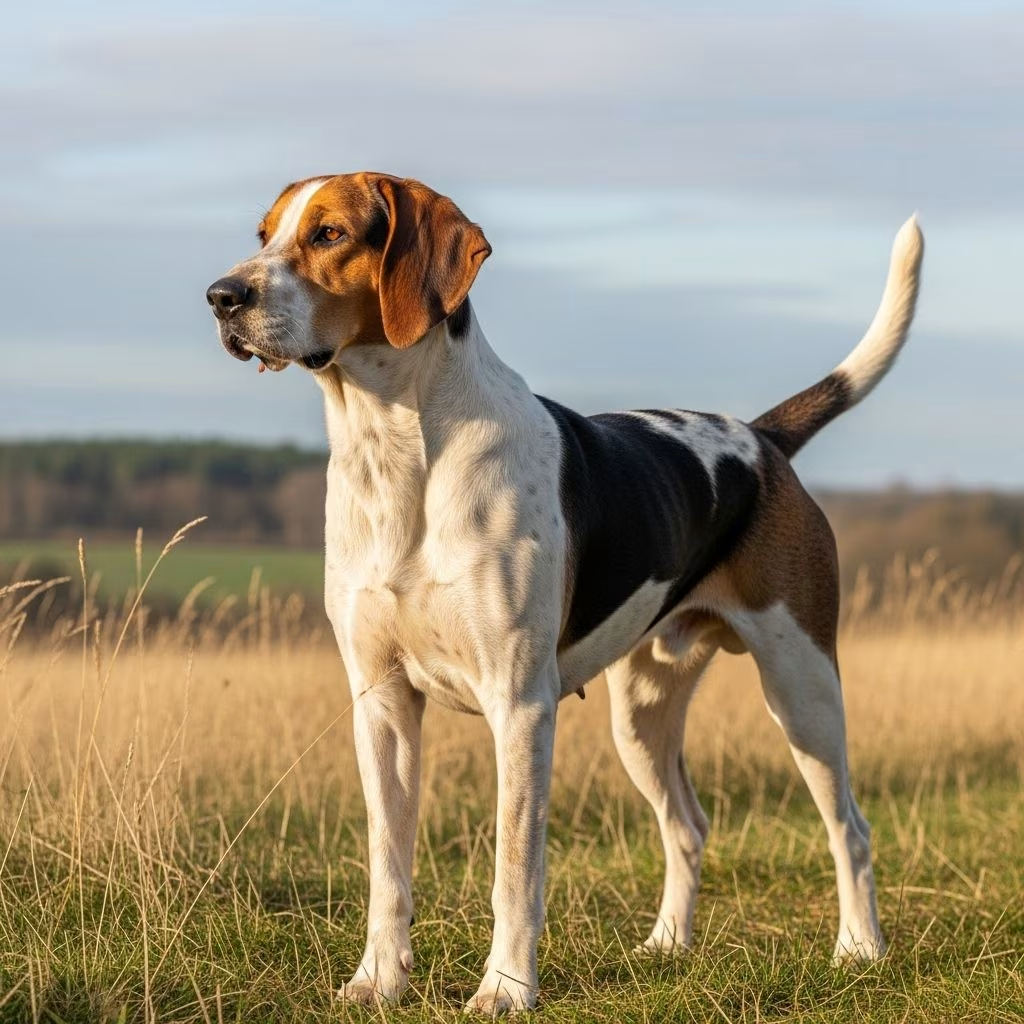
The English Foxhound embodies tradition, athleticism, and a spirited history as one of Britain’s classic scenthounds. Originally bred for foxhunting in the English countryside, this breed is known for its stamina, sociable nature, and working ability. Whether in the hunting field or as an active companion, the English Foxhound remains a unique and robust presence among purebred dogs.
About the English Foxhound
The English Foxhound is a medium-to-large, muscular breed developed in England for pack work and endurance in fox hunts. These dogs were bred to pursue quarry over vast distances, focusing on scent rather than sight. The breed is most often seen as part of organized hunts in the United Kingdom and North America, but it can also serve as an active companion in the right home.
- Group: Hound
- Height: 24 inches at the withers (typical for males and females)
- Weight: 60–75 pounds
- Lifespan: 10–13 years
- Key Attributes: Energetic, sociable, sturdy, and highly driven by scent
History & Origin
One of four foxhound breeds, the English Foxhound boasts centuries of documented ancestry. Its development is closely linked to Britain’s foxhunting tradition, with references tracing back to the late 1500s as foxhunting gained popularity in England. By the mid-18th century, specialized kennels dedicated to the breed were already well established, and the tradition of pack hunting was deeply embedded in rural life.
The breed gradually made its way to North America, where it played a pivotal role in Colonial hunting culture. The American Kennel Club (AKC) recognized the English Foxhound in 1909, while the United Kennel Club (UKC) and other registries also help manage the breed’s studbooks.
- References to the breed date back to the late 1500s in Britain
- Packs established and studbooks kept as early as the 1700s
- Bred for foxhunting, with emphasis on endurance, nose, and pack behavior
- Imported to the United States before the late 19th century and recognized by AKC in 1909
Breed Standard & Appearance
The English Foxhound is designed for stamina, balance, and strength rather than speed alone. The breed standard, as recognized by major kennel clubs, emphasizes several key physical characteristics:
- Head: Flat skull, medium width, with a slight stop and a long, square muzzle. The ears are pendant and set high, lying close to the cheeks.
- Eyes: Full of intelligence, kind expression.
- Body: Deep chest, well-sprung ribs, level back, and a slight rise over the strong loin. The shoulders are long and well-muscled.
- Legs & Feet: Long, straight, muscular forelegs and powerful hindquarters. Paws are rounded and cat-like, built for endurance on varied terrain.
- Coat & Color: Short, dense, and glossy coat that comes in any combination of black, white, and tan (hound colors). “Pied” patterns (large areas of white with spots of color) are also common.
- Tail: Moderately long, carried high and gaily, but never curled over the back.
Known for their level topline and strength, English Foxhounds are visually distinct from lighter, leggier American Foxhounds.
Breed Standard At-a-Glance
| Attribute | Standard |
|---|---|
| Height | 20–27 inches at the withers |
| Weight | 60–75 pounds |
| Coat | Short, dense, glossy |
| Color | Any hound color (black, white, tan; pies common) |
| Build | Muscular, broad chest, strong loin |
| Ears | Pendant, close to head, rounded ends |
Temperament & Behavior
The English Foxhound is revered for its vibrant personality and pack-oriented temperament. Bred for work in large groups, these dogs are inherently social and thrive on companionship, both human and animal:
- Sociable and Friendly: English Foxhounds are known for their easygoing, gentle disposition. They get along well with other dogs, especially when raised in packs, and are generally good with children and adults alike.
- Energetic and Playful: High energy and stamina are the breed’s hallmarks. They require extensive exercise and enjoy interactive play.
- Vocal & Expressive: As true hounds, they can bay and howl, especially when excited or on the scent trail.
- Intelligent Yet Independent: The breed is clever but can be stubborn and single-minded, especially when following scents. Patience and positive reinforcement are essential during training.
- Loyalty: While not known for overtly guarding instincts, they are steadfast and reliable with their people.
Care & Exercise
Daily exercise is essential for the health and happiness of an English Foxhound. Bred for all-day stamina, this breed cannot thrive without substantial daily activity. Ideal settings include rural properties or homes with extensive, securely fenced acreage, though they can also excel with active owners willing to commit to long walks, runs, and mentally stimulating activities.
- Exercise Requirements: At least 1–2 hours of vigorous activity—running, hiking, or jogging—every day.
- Mental Stimulation: Scentwork games, tracking, and field activities help engage their minds and curb potential boredom-related behaviors.
- Pack Activities: They enjoy group play and thrive in environments with other dogs or regular opportunities to socialize.
- Training: Consistency, patience, and rewards-based training are key due to the English Foxhound’s independent streak. Early socialization and obedience are highly recommended.
Grooming & Health
The English Foxhound’s short, glossy coat is relatively low maintenance. Routine grooming will keep shedding manageable and allow for regular checks on the dog’s overall health.
- Brushing: Weekly brushing using a rubber curry brush or bristle brush removes loose hair and distributes natural oils.
- Bathing: Occasional baths suffice, unless the dog is particularly dirty after outings.
- Ears: Clean ears regularly to prevent infections, especially as the breed’s pendant ears can trap debris and moisture.
- Nails: Keep nails trimmed to maintain comfortable movement and prevent injury.
- Teeth: Brush teeth frequently to promote oral health and reduce tartar buildup.
Health Concerns:
- Lifespan: 10–13 years on average, with high vigor in adulthood.
- Generally robust, but may be prone to typical large breed concerns such as hip dysplasia.
- Routine veterinary care is important, especially for dogs not living an intense working lifestyle.
Living with an English Foxhound
Bringing an English Foxhound into your home requires commitment. The breed excels in homes where exercise is abundant, and they are rarely suited to apartment living or sedentary lifestyles. They integrate well into active families or communities (such as hunt clubs or rural properties). Most English Foxhounds are not kept solely as pets but are owned by hunt associations, kennelled in packs, and exercised daily.
- Need lots of space and secure fencing; they are skilled escape artists if bored or under-exercised
- Best for owners with prior experience or those who understand working canine challenges
- Rarely aggressive; generally safe around other pets, livestock, and children
- Bay and howl can be notable—potential concern in dense residential settings
- Companionship is important; they should not be left alone for extended periods
English Foxhound vs. American Foxhound
| Feature | English Foxhound | American Foxhound |
|---|---|---|
| Build | Stout, muscular, heavier-set | Lighter, rangier, built for speed |
| Typical Height | 24 inches | 21–25 inches |
| Typical Weight | 60–75 pounds | 60–70 pounds |
| Coat | Dense, glossy, short | Short, less dense |
| Temperament | Gentle, social, pack-oriented | Friendly, more independent |
| Purpose | Endurance hunting, pack life | Speed, solo or smaller packs |
Frequently Asked Questions (FAQs)
Q: Are English Foxhounds good family dogs?
A: With adequate exercise and socialization, English Foxhounds can be gentle, sociable additions to active families. However, their energy and instinct to chase make them best suited for homes with ample space and active lifestyles.
Q: How much exercise does an English Foxhound need?
A: At least 1–2 hours of vigorous exercise daily. Without significant outlets, they may develop undesirable behaviors from boredom.
Q: Is the English Foxhound easy to train?
A: Training requires patience, consistency, and positive methods due to their independent and scent-driven instincts. Early socialization is vital.
Q: Do they get along with other dogs and pets?
A: Yes, they are typically excellent with other dogs, especially those of similar size and temperament. Early exposure helps ensure good interactions with cats and smaller pets.
Q: What health problems are common in English Foxhounds?
A: The breed is generally healthy but may be predisposed to conditions like hip dysplasia. Regular checkups and proper diet and exercise help sustain their well-being.
Q: Do English Foxhounds bark or howl?
A: Yes, like other hounds, they are vocal and may bay or howl, especially if excited or left alone for long periods.
Final Thoughts
The English Foxhound is a sturdy, even-tempered breed celebrated for its hunting prowess, pack loyalty, and friendly disposition. For the right owner—someone with time, space, and a zest for the outdoors—this noble hound makes an enthusiastic and rewarding companion.
References
- https://www.akc.org/dog-breeds/american-foxhound/
- https://www.akc.org/expert-advice/lifestyle/8-facts-about-the-english-foxhound/
- https://www.ukcdogs.com/english-foxhound
- https://www.wisdompanel.com/en-us/dog-breeds/english-foxhound
- https://www.dogbreedinfo.com/englishfoxhound.htm
- https://showsightmagazine.com/dog-breeds/english-foxhound/
- https://www.petful.com/dog-breeds/breed-profile-english-foxhound/
- https://en.wikipedia.org/wiki/English_Foxhound