Understanding Dog Anal Glands: Essential Structure, Function, and Care
Dog anal glands—also known as anal sacs—play a crucial but often overlooked role in canine health. These small, scent-producing organs can be the source of unfamiliar odors, discomfort, or even infection in your dog. A clear understanding of anal gland anatomy, function, common problems, and proper care is vital for responsible dog ownership and your pet’s ongoing comfort and health.
What Are Dog Anal Glands?
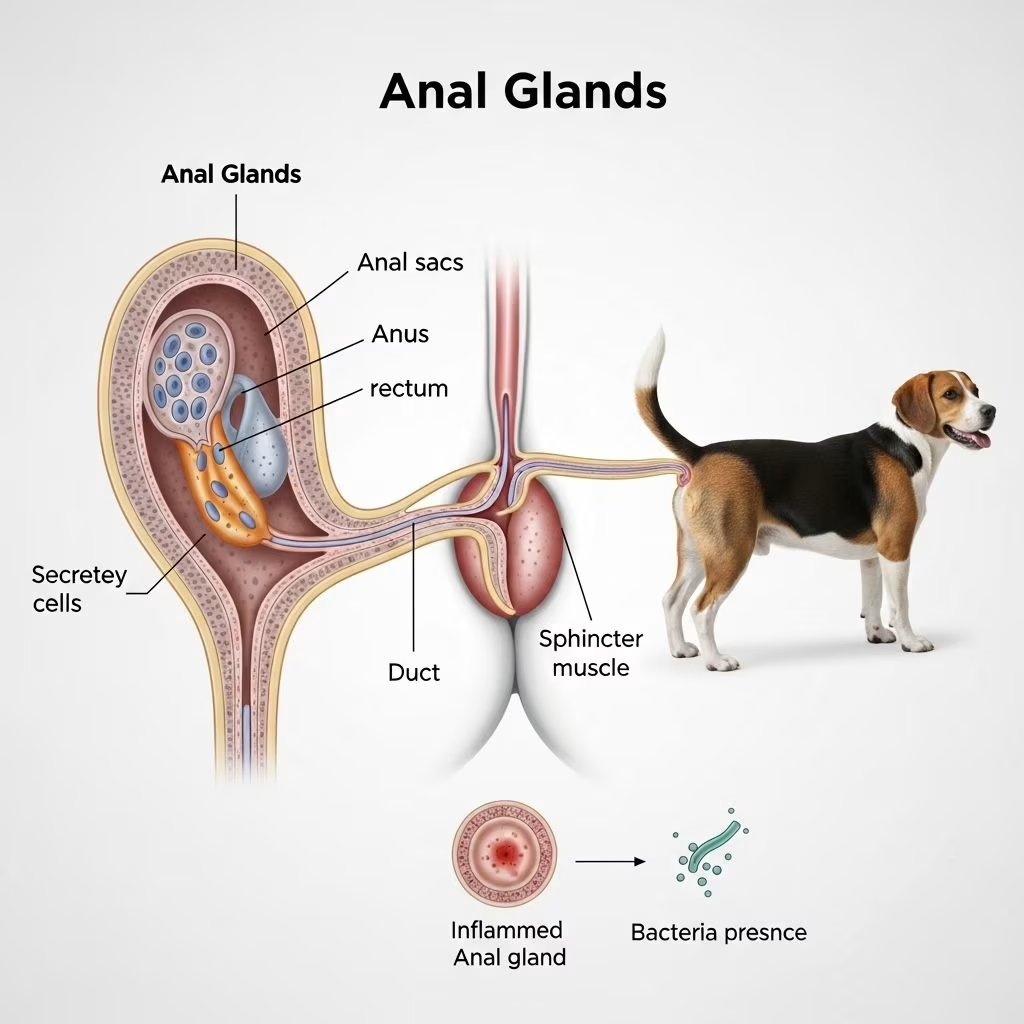
Anal glands are two tiny sac-like structures located just below the skin on either side of your dog’s anus, typically at the 4 o’clock and 8 o’clock positions. These sacs contain sebaceous (oil) glands that produce a pungent, oily secretion unique to each dog. The glands connect to the anus by small ducts, allowing their content to be expelled during defecation or sometimes when a dog is anxious or frightened.
- Location: 4 and 8 o’clock positions around the anus
- Size: About the size of a pea (larger in big breeds, smaller in small breeds)
- Contents: Oily, foul-smelling fluid used for canine communication
The Function of Anal Glands in Dogs
While these glands may only rarely come to an owner’s attention, they serve several important biological and social functions in dogs:
- Territorial marking: The secretions contain unique scent markers
- Communication: Allows dogs to identify each other by scent
- Assistance with defecation: The lubricating fluid may make bowel movements easier
- Alarm/fear response: Sudden release during fear or stress acts as a warning signal to other animals
While these functions have evolutionary benefits for dogs in the wild, in domestic settings, they can sometimes cause issues if the glands don’t function normally.
Structure and Anatomy: Breed & Size Differences
All dogs have anal glands, but anatomy and function can vary considerably by breed and size. Understanding these variations can help explain why some dogs are more prone to problems than others.
- Smaller breeds: Usually have smaller glands and narrower ducts. Less sphincter muscle strength and softer stools can hinder natural gland expression, increasing risk of impaction.
- Larger breeds: Tend to have larger glands and stronger musculature, often resulting in more complete emptying during bowel movements.
- Breed-specific conformation: Dogs with anatomical quirks (e.g., dogs with shallow squat posture or hip/knee problems) may have more trouble expressing their anal glands naturally.
The anal sacs themselves are not externally visible; a veterinarian can palpate them by gently inserting a gloved finger just inside your dog’s anus.
Common Anal Gland Problems
While many dogs never experience issues with their anal glands, problems can develop if the glands fail to empty normally or become inflamed or infected. Below are the most common anal gland conditions in dogs:
1. Anal Gland Impaction
Impaction occurs when the glands are not fully emptied, causing the contents to become thickened and unable to flow out. This is usually the earliest and most common problem.
- Often results from soft stool—not enough pressure to expel gland contents
- Anatomical issues (tiny ducts or weak muscle) also contribute
- Small/toy breeds are at greater risk
2. Anal Gland Abscess
If impaction is left untreated, the material inside the gland can become infected and turn into an abscess. This can be extremely painful for the dog and sometimes results in swelling, redness, or even rupture through the skin.
- Pain, swelling, and a visible lump near the anus
- Possible drainage of pus or blood if the abscess bursts
- May require veterinary intervention for drainage and antibiotics
3. Anal Gland Infection (Anal Saculitis)
Bacteria can invade impacted glands, causing anal saculitis. Signs include pain, malodor, discharge, and potentially systemic illness in severe cases.
4. Tumors or Cancer
Although very rare, some dogs develop tumors in their anal glands, known as anal sac adenocarcinoma. This is more likely in older dogs and certain breeds.
- Signs: Firm mass near the anus, chronic swelling, difficult defecation
- Requires diagnosis and treatment by a veterinarian
Signs and Symptoms of Anal Gland Problems
If your dog develops issues with their anal glands, you may notice certain telltale symptoms.
- Scooting or dragging bottom across the ground
- Excessive licking or chewing at the anus or base of the tail
- Sudden, unexplained foul odor (often described as “fishy”)
- Signs of pain or discomfort while defecating
- Swelling, redness, or a lump near the anus
- Pus or bloody drainage from near the anus
- Reluctance to sit or loss of appetite in severe cases
If you observe any of these symptoms, consult your veterinarian to prevent complications.
Diagnosis and Treatment: What to Expect
If your dog shows signs of anal gland trouble, a veterinarian will perform a physical exam, which may include:
- Palpation: Feeling the glands for swelling or abnormal fluid
- Manual expression: Gently squeezing the glands to expel their contents
- Cytology/culture: If infection is suspected, examining secretions under a microscope or using lab tests
- Imaging: Rarely, ultrasound or X-rays if a tumor or deep infection is suspected
Treatment Options
- Manual Expression: Most impactions are relieved by gentle manual expression by a veterinarian or trained groomer.
- Flushing & Antibiotics: Infected glands (saculitis or abscess) require flushing, sometimes under sedation, and a course of antibiotics.
- Pain relief & supportive care: Especially for severe inflammation or open abscesses.
- Surgical removal: Reserved for chronic, recurrent cases or when tumors are present. This is called “anal sacculectomy.” Risks include temporary or permanent loss of sphincter control.
Preventive Care and At-Home Management
Some dogs, especially those with chronic gland issues or breed predispositions, may require regular at-home care or lifestyle adjustments:
- High-fiber diet: Feeding your dog more fiber (via commercial diets or supplements) can help firm stool, encouraging natural gland expression.
- Regular exercise: Keeps digestive and muscular systems healthy.
- Monitor stool: Consistently soft stool can increase risk for impaction.
- Weight management: Overweight dogs may have weaker muscle tone, increasing the risk of gland issues.
- Routine veterinary checks: Ask your vet for periodic anal gland assessment if your dog is prone to problems.
Caution: Manual expression should be performed by a veterinarian or a properly instructed groomer or owner. Incorrect technique can injure the glands and lead to pain or infection.
When to See the Veterinarian
Many anal gland problems can be managed and treated if detected early. Seek veterinary advice if you notice:
- Persistent scooting, licking, or odor
- Swelling or visible discomfort near the anus
- Pus, blood, or other discharge
- Difficulty defecating or signs of constipation
- Lack of improvement after home management
Frequently Asked Questions (FAQs)
Do All Dogs Have Anal Glands?
Yes, all dogs (male and female) have two anal glands located at the 4 o’clock and 8 o’clock positions around the anus, just under the skin. You usually cannot see them but a vet can feel them.
Why Do Some Dogs Have More Anal Gland Issues?
Small and toy breeds have smaller glands and ducts, weaker sphincter muscles, and are prone to softer stool, making natural emptying difficult. This combination leads to a higher risk of impaction and infection compared to larger breeds.
What Are the Signs My Dog Needs His Anal Glands Expressed?
- Scooting or dragging their bottom
- Excessive licking or biting the anus
- Sudden strong “fishy” odor
- Swelling or tenderness around the anus
How Often Should Anal Glands Be Expressed?
Most healthy dogs never need their anal glands manually expressed. Dogs who experience repeat impactions may need regular expression by a veterinarian or trained groomer. Never perform manual expression at home without veterinary instruction.
Can I Prevent Anal Gland Problems in My Dog?
- Maintain a high-fiber diet and healthy stool consistency
- Encourage regular exercise
- Maintain a healthy weight and overall wellness
- Monitor for signs and talk to your vet promptly at the first suspicion of trouble
Quick Reference: Anal Gland Issues in Dogs
| Condition | Causes | Signs/Symptoms | Treatment |
|---|---|---|---|
| Impaction | Soft stool, small or narrow ducts, weak muscle tone | Scooting, licking, odor, discomfort | Manual expression, diet adjustment |
| Abscess | Untreated impaction, infection | Swelling, redness, pus/blood, pain | Drainage, antibiotics, vet care |
| Infection (Saculitis) | Bacterial invasion of impacted gland | Pain, malodor, swelling, discharge | Antibiotics, flushing, vet care |
| Tumor | Rare, genetic predisposition | Mass near anus, chronic swelling, constipation | Surgery, oncology treatment |
Key Takeaways for Dog Owners
- Anal glands are a normal part of dog anatomy, but can become problematic if they don’t empty properly.
- Watch for signs of trouble—scooting, licking, pain, or odor—and consult your veterinarian for guidance.
- Proper diet and exercise are the best prevention for many dogs, but some may require routine professional care.
- Never attempt deep manual expression unless properly trained to avoid injury or infection.
- Veterinary care is crucial for complicated, recurrent, or severe cases.
Awareness of anal gland health is a valuable part of routine care for every dog. If you have concerns about your dog’s comfort, habits, or scent, reach out to your veterinary professional for individualized support.
References
- https://www.petplace.com/article/dogs/pet-health/structure-and-function-of-anal-glands-in-dogs
- https://seaweedfordogs.com/en-us/pages/comparative-anal-gland-anatomy-in-dogs-by-breed-and-size
- https://unionlakepetservices.com/blog/why-do-dogs-have-anal-glands
- https://warrenhousevets.com/its-all-about-those-anal-glands/
- https://www.vet.cornell.edu/departments-centers-and-institutes/riney-canine-health-center/canine-health-information/anal-sac-diseases
- https://www.scenthound.com/dogblog/2020/6/5/anal-glands-everything-you-dont-want-to-know-but-should
- https://www.amcny.org/blog/2022/09/28/whats-in-a-dog-anal-glands-your-unusual-questions-answered/