Dog Eye Discharge: Types, Causes, and When to See a Vet
Eye discharge in dogs is commonplace, yet it can range from a harmless occurrence to an indicator of more serious health issues. Monitoring your dog’s eye health is a crucial aspect of responsible pet care. In this in-depth guide, we cover the different types of dog eye discharge, their potential causes, treatment options, and when to involve your veterinarian.
What Is Dog Eye Discharge?
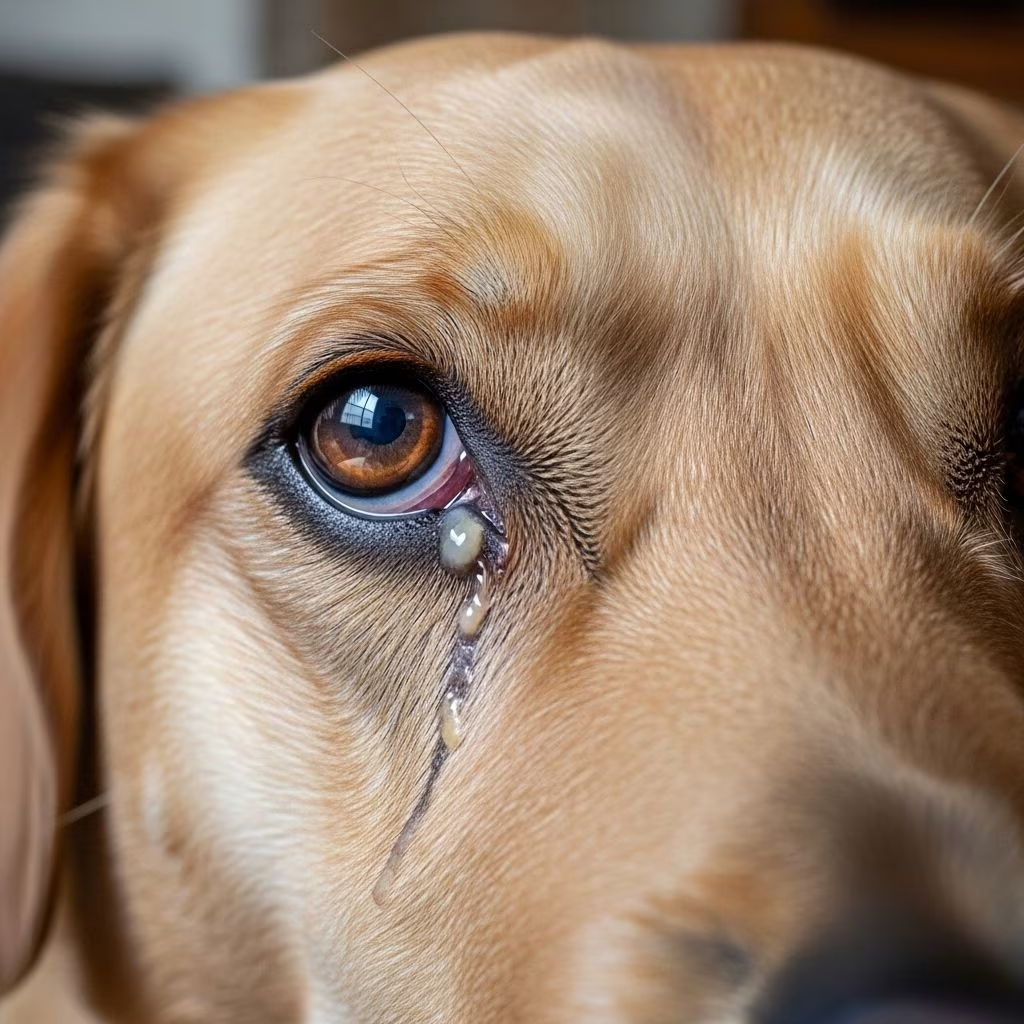
Dog eye discharge refers to any fluid, mucus, or debris that accumulates near your dog’s eyes. While a minor amount of crust or clear tears can be a normal occurrence, changes in color, volume, or consistency can indicate an underlying health issue and warrant closer inspection.
- Normal discharge is usually clear or light brown, often seen as a small amount of crust in the morning.
- Abnormal discharge may appear as thick, colored (yellow, green, or gray), or persistent.
Types of Dog Eye Discharge
The characteristics of your dog’s eye discharge can help identify the possible cause. Here are the main types you might encounter:
| Type | Appearance | Possible Cause |
|---|---|---|
| Clear and Watery | Colorless, runny tears | Allergies, mild irritants, wind, breed-related tearing |
| White or Gray Mucus | Sticky, off-white or light gray discharge | Dry eye (keratoconjunctivitis sicca), mild inflammation |
| Yellow or Green Discharge | Thick, pus-like, yellow or green | Bacterial or viral infections (e.g., conjunctivitis), foreign body |
| Reddish-Brown or Rusty | Staining, especially in facial folds | Tear staining, breed predisposition, blocked tear ducts |
| Bloody Discharge | Red-tinged fluid | Trauma, ulcers, severe infection Veterinary emergency |
Causes of Dog Eye Discharge
Several conditions and external factors can contribute to dog eye discharge:
- Allergies: Environmental triggers such as pollen, dust, or mold can irritate the eye and cause watery discharge.
- Infections: Bacterial, viral, or fungal infections cause yellow, green, or pus-like discharge and may be contagious.
- Conjunctivitis (Pink Eye): Inflammation of the conjunctiva leads to redness, swelling, and discharge; may result from irritants, infections, or allergies.
- Blocked Tear Ducts: Can lead to overflow of tears and chronic discharge, sometimes with tear staining.
- Dry Eye (Keratoconjunctivitis Sicca): Insufficient tear production makes the eye dry, often resulting in white or grayish mucus.
- Foreign Objects or Injuries: Dust, debris, or trauma can trigger sudden or excessive discharge and require rapid attention.
- Breed Predispositions: Dogs such as Pugs, Bulldogs, and Shih Tzus have protruding eyes and facial folds that make them more prone to tearing and discharge.
- Glaucoma or Ulcers: Eye pressure issues or corneal ulcers may cause excessive or blood-tinged discharge; always a medical emergency.
- Distemper and Other Illnesses: Systemic diseases sometimes include eye discharge as a symptom.
Common Conditions Associated with Dog Eye Discharge
- Conjunctivitis (Pink Eye): Swollen, red eyes with mucoid or pus-like discharge.
- Keratoconjunctivitis Sicca (Dry Eye): Sticky, white-gray discharge due to low tear production.
- Epiphora (Watery Eyes): Overflow of tears due to blocked ducts, allergies, or anatomical traits.
- Cataracts, Glaucoma, or Ulcers: May cause changes in discharge but require prompt veterinary intervention.
When to See Your Veterinarian
While some eye discharge is harmless, certain signs demand immediate veterinary attention:
- Sudden changes in the amount, color, or consistency of discharge
- Yellow, green, or gray pus-like discharge
- Swelling, redness, or visible pain
- Frequent squinting, pawing at the eyes, or difficulty opening the eye
- Discharge accompanied by cloudy appearance or vision loss
- Bloody or black discharge
- Both eyes affected at once (may indicate systemic illness)
Any persistent or severe symptoms should not be ignored. Early intervention can prevent lasting damage and discomfort for your dog.
Diagnosing Dog Eye Discharge
Your veterinarian may conduct several tests and exams to uncover the underlying issue:
- Physical Examination: Includes checking the eyes, eyelids, and surrounding facial areas for irritation, injury, or foreign bodies.
- Fluorescein Staining: Special dye reveals corneal ulcers or scratches.
- Schirmer Tear Test: Measures tear production, key for diagnosing dry eye.
- Microbial Cultures: Swabs may be taken to identify infectious causes.
- Ophthalmic Exam: Investigation of the eye’s internal structures (sometimes by veterinary ophthalmologists).
Early veterinary evaluation leads to better outcomes and helps tailor treatment to your dog’s specific needs.
Treatment Options for Dog Eye Discharge
Treatment depends on the cause of the discharge. Your veterinarian may recommend:
- Cleaning the eyes: Regular gentle cleaning with warm, damp cotton can remove minor discharge. Avoid harsh chemicals.
- Antibiotic eye drops or ointments: Used for bacterial infections like conjunctivitis.
- Antiviral medications: Prescribed for viral infections.
- Anti-inflammatory drugs: Steroid or non-steroidal eye drops may reduce inflammation.
- Medications for allergies: Antihistamines or immunotherapy may help allergy-related discharge.
- Artificial tears or lubricating drops: Essential for dry eye conditions.
- Surgical intervention: Required for structural problems, tear duct blockages, or eyelid defects.
- Removal of foreign objects: If debris or trauma is to blame, professional removal and treatment are vital.
Home Care Advice
- Use a clean, damp cloth to gently wipe away discharge. Always wipe away from the eye and use a fresh cloth for each eye.
- Never use human eye drops or any medication not prescribed by your vet.
- Keep hair around the eyes trimmed on long haired-breeds to avoid irritation.
- Monitor for changes and contact your vet if symptoms persist or worsen.
Tips for Preventing Dog Eye Discharge
- Schedule regular veterinary and ophthalmic checkups, especially for prone breeds.
- Keep your dog’s eyes clean and facial folds dry.
- Protect your pet from environmental irritants such as dust, wind, and strong chemicals.
- Regularly groom hair around your dog’s eyes.
- Avoid exposure to animals with eye infections.
- Feed a complete, balanced diet to support overall health and immune function.
Frequently Asked Questions (FAQ)
What is the difference between normal and abnormal dog eye discharge?
Normal discharge is clear or light brown, minimal in amount, and does not cause irritation. Abnormal discharge is excessively thick, colored (yellow, green, gray), or accompanied by redness, pain, or swelling.
Should I clean my dog’s eyes at home?
You can wipe away mild discharge with a clean, damp cloth. If discharge is persistent, painful, or unusual in color or amount, consult your veterinarian before attempting further care.
Is dog eye discharge contagious to humans or other pets?
Some infections, such as bacterial conjunctivitis, can be contagious between dogs. In rare cases, certain conditions may be transmissible to humans, so always wash your hands after handling an affected pet and avoid sharing towels or bedding.
Can allergies cause dog eye discharge?
Yes; allergies are a common reason for watery or clear discharge, especially in certain seasons or environments.
My dog scratches or paws at its eyes. What should I do?
If your dog repeatedly paws at its eyes, or if you notice squinting, redness, or swelling, have a veterinarian examine your dog as soon as possible to avoid complications or injury.
Are certain breeds more at risk?
Yes. Breeds with protruding eyes or facial folds (such as Pugs, Bulldogs, Maltese, and Shih Tzus) are more likely to have chronic tearing and tear staining.
Key Takeaways
- Monitor your dog’s eyes daily for any changes or abnormalities in discharge.
- Regular cleaning and grooming help prevent irritation and infection.
- Persistent, colored, or painful discharge requires prompt veterinary care.
- Early intervention can prevent long-term vision loss and ensure your dog stays healthy and comfortable.
References
- https://www.webmd.com/pets/dogs/dog-discharge-from-eye
- https://www.petmd.com/dog/general-health/dog-eye-discharge
- https://www.reedanimalhospital.com/blog/dog-eye-discharge-normal-vs-abnormal/
- https://www.chewy.com/education/dog/health-and-wellness/thoroughly-vetted-dog-eye-discharge
- https://www.petvetcarecenters.com/site/blog/2023/10/30/dog-eye-infection
- https://www.maddiesfund.org/kb-eye-discharge-in-dogs.htm
- https://www.vravet.com/site/blog/2022/07/08/eye-discharge-in-dogs
- https://vcahospitals.com/know-your-pet/eye-discharge-or-epiphora-in-dogs
- https://www.companionanimalcliniciowa.com/blog/when-should-you-worry-about-your-pets-eye-discharge