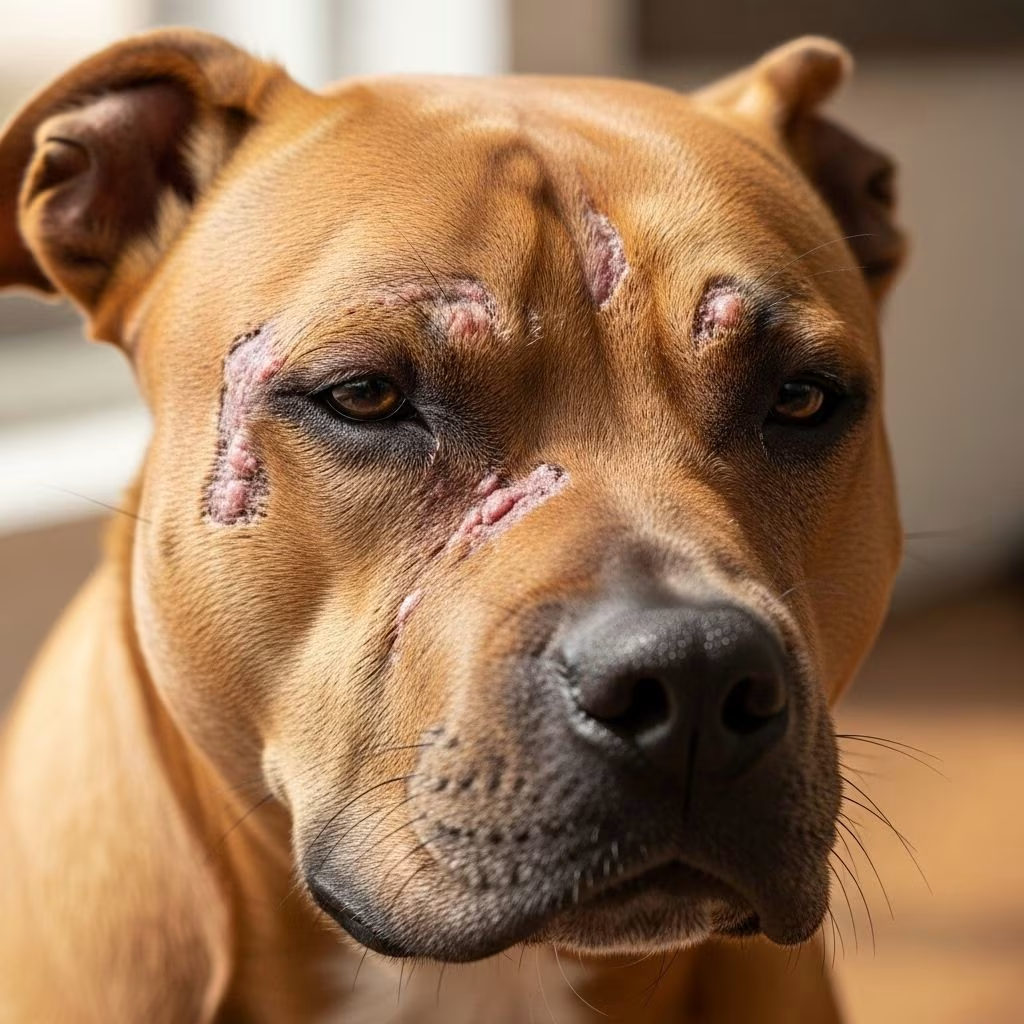
Mange in Dogs: Understanding the Condition
Mange is a common but impactful skin disease in dogs caused by microscopic mites that inhabit the skin or hair follicles. It leads to symptoms such as hair loss, intense itchiness, skin irritation, and sometimes secondary infections. Prompt diagnosis and treatment are critical to relieving discomfort and preventing complications.
What Is Mange?
Mange refers to any skin condition in dogs caused by mite infestations. These tiny parasites disrupt normal skin health, resulting in irritation and hair loss. Though all dogs have a few mites naturally, an excessive population points to underlying problems, either from the environment or the dog’s immune response.
Types of Mange in Dogs
There are two main types of mange that affect dogs. Understanding their differences helps guide appropriate diagnosis and treatment.
- Sarcoptic Mange (Scabies): Caused by Sarcoptes scabiei mites which burrow just beneath the skin surface, causing severe itching and inflammation. Highly contagious among dogs and can also affect humans temporarily.
- Demodectic Mange: Caused by Demodex canis or related species living in the hair follicles. Occurs more often in puppies and dogs with weakened immune systems. Not considered contagious to healthy dogs or humans.
Sarcoptic Mange (Scabies) Details
| Characteristic | Sarcoptic Mange | Demodectic Mange |
|---|---|---|
| Affected Area | Surface of the skin | Hair follicles |
| Typical Hosts | Dogs, humans (temporary) | Dogs |
| Contagious? | Yes, highly | No |
| Symptoms | Intense itching, redness, hair loss | Patchy hair loss, mild itching |
| Main Risk Groups | All ages, direct contact exposure | Puppies and immunocompromised adults |
| Diagnosis Difficulty | False negatives common | Usually straightforward with skin scraping |
| Treatment Duration | 2–8 weeks, treats all pets | Several weeks for resolving severe cases |
| Zoonosis | Temporary in humans | Rare, little to no risk |
Symptoms of Mange in Dogs
Mange symptoms can resemble other skin disorders, but certain signs are distinctive. If you notice any of the following, consult a veterinarian:
- Patchy hair loss: Especially around the face, ears, elbows, and legs.
- Intense, persistent itching: Dogs may bite, scratch, or rub affected areas relentlessly.
- Red, inflamed skin: Rash-like irritation often occurs with swelling.
- Crusting and scabbing: Resulting from self-trauma, secondary infections, or mite activity.
- Foul odor or discharge: Indicates possible infection related to severe cases.
- Thickened skin: Chronic cases may see leathery texture and pigment changes.
Other Illnesses Resembling Mange
Several other conditions can mimic mange:
- Flea allergy dermatitis
- Food allergies
- Bacterial/fungal skin infections
- Contact allergies or atopic dermatitis
Only a veterinary diagnosis can distinguish mange from these conditions.
How Is Mange Transmitted?
Sarcoptic Mange
Sarcoptic mange spreads through direct contact with infected animals or contaminated environments. Mites can survive temporarily (up to 36 hours) on bedding, toys, or shared spaces.
Demodectic Mange
Demodectic mange arises when naturally-present mites proliferate due to weaknesses in the dog’s immune system—most often in puppies or older dogs, and is not contagious between healthy dogs.
Diagnosing Mange in Dogs
Visual assessment alone is not sufficient. A veterinarian will use one or more of the following diagnostic methods:
- Microscopic examination: Skin scraping or plucking hairs to reveal mites, eggs or debris.
- Fungal culture: To rule out ringworm or other fungal causes.
- Fecal tests: Sometimes used to identify parasitic symptoms.
- Bloodwork: To check for underlying immunosuppression or systemic illness.
- Skin biopsy: Reserved for challenging cases or atypical presentations.
Diagnosing sarcoptic mange can be difficult due to the small sample size of mites, leading to frequent false negatives. In these cases, a trial of antiparasitic treatment may be used to confirm suspicion. Demodectic mange is typically identified by seeing large numbers of Demodex mites on samples.
Treatment Options for Mange in Dogs
Treatment is based on the type of mange and individual circumstances. It typically combines medications, topical therapies, and supportive care.
Common Treatment Methods
- Antiparasitic medications:
- Selamectin (topical)
- Ivermectin (oral, subcutaneous; not recommended for breeds with MDR1 gene)
- Moxidectin (topical)
- Isoxazolines (oral or topical, often used off-label)
- Fipronil spray (topical aid)
- Medicated shampoos and dips: Used to reduce mite count and soothe inflammation.
- Corticosteroids: Short-term use to reduce inflammation and itching.
- Antibiotics: Prescribed if secondary bacterial infections develop due to open sores.
- Treating all pets in home: Crucial for sarcoptic mange, even if other pets don’t show symptoms.
Duration and Prognosis
With consistent and correct treatment:
- Sarcoptic mange improvements are seen within 2 weeks; full recovery may take 6–8 weeks.
- Demodectic mange, especially if generalized, may need more time and additional therapies for underlying immune system issues.
- Relapses are possible if treatment is incomplete or the immune system remains compromised.
Natural and Supportive Remedies
While veterinarian-prescribed treatments are necessary, certain supportive steps can help:
- Frequent bathing with gentle or medicated shampoos
- Maintaining a clean environment
- Providing a nutritious diet to support immune health
- Minimizing stress
Preventing Mange in Dogs
- Use vet-recommended flea and tick preventives year-round
- Avoid contact with unknown or symptomatic animals
- Keep bedding, toys, and living areas clean
- Monitor for early signs of skin irritation after adopting new pets or visiting dog parks
- Schedule regular wellness checks with your vet
Can Humans Catch Mange From Dogs?
Sarcoptic mites can temporarily infest humans, causing itch and a rash, but the infestation is self-limiting and resolves when the affected dog is treated. To avoid exposure:
- Limit direct contact until treatment clears
- Wash pet bedding and toys frequently
- Keep treated pets off shared furniture
If a household member develops symptoms, consult a physician.
Frequently Asked Questions (FAQs)
What are the first signs of mange in dogs?
Common early symptoms include patchy hair loss, intense itching, redness, and crusted skin, especially on the ears, face, or elbows.
How do I know if it’s mange or something else?
Mange resembles other skin disorders such as flea allergies and infections. Only veterinary diagnosis using samples and clinical history can confirm it.
Is mange contagious between dogs?
Sarcoptic mange is highly contagious among dogs and can be transmitted via direct contact or contaminated environments. Demodectic mange is not contagious to healthy dogs.
Can mange kill my dog?
Untreated, severe mange can lead to life-threatening secondary infections, extreme discomfort, and complications from suppressed immunity, but with prompt treatment, most dogs recover fully.
Do I need to treat all pets?
If one pet in your home has sarcoptic mange, all pets should be treated under veterinary guidance, regardless of symptoms.
Can mange return after treatment?
Relapses are possible if underlying immune issues persist or if treatment isn’t completed. Regular veterinary checks help prevent recurrence.
Are home remedies safe for treating mange?
Home remedies alone are typically insufficient for eliminating mites. Always seek veterinarian-prescribed treatment and discuss any supplemental approaches.
Summary Table: Mange Types and Key Features
| Type | Mite Species | Contagion | Main Symptom | Treatment | Recovery Time |
|---|---|---|---|---|---|
| Sarcoptic | Sarcoptes scabiei | Yes | Itching, hair loss | Antiparasitics, steroids, antibiotics | 2–8 weeks |
| Demodectic | Demodex canis/injal | No | Patchy hair loss | Antiparasitics, immune support | Weeks to months |
Conclusion: What Pet Owners Should Know About Mange
Mange is a serious but treatable skin disorder in dogs. Early recognition of symptoms, prompt veterinary diagnosis, and comprehensive treatment are essential for recovery. By understanding the differences between sarcoptic and demodectic mange, how they are diagnosed, and the importance of treating all pets and the environment, pet owners can help their dogs heal and prevent recurrence.
References
- https://vetster.com/en/wellness/what-to-do-if-your-dog-has-mange
- https://www.vet.cornell.edu/departments-centers-and-institutes/riney-canine-health-center/canine-health-information/sarcoptic-mange-scabies
- https://vcahospitals.com/know-your-pet/mange-demodectic-in-dogs
- https://www.bluecross.org.uk/advice/dog/health-and-injuries/mange-in-dogs
- https://www.petmd.com/dog/conditions/skin/mange-dogs
- https://nexgard.com.au/dog-parasites/mites/mange-on-dogs
- https://www.merckvetmanual.com/dog-owners/skin-disorders-of-dogs/mite-infestation-mange-acariasis-scabies-in-dogs
- https://healthyhabitsforpets.com/dog/mange-dogs
- https://wagwalking.com/treatment/natural-mange-remedies